
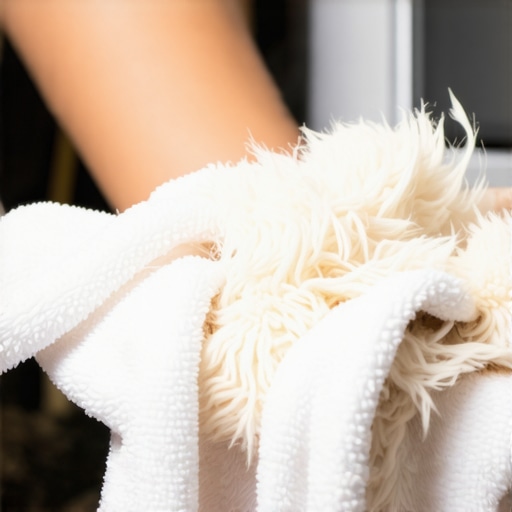
I was standing in my laundry room, staring at a damp pile of what used to be my navy blue work slacks, now covered in enough white fur to knit a whole new cat. It wasn’t just the lint; it was the fact that my three-year-old washing machine was making a sound like a blender full of gravel. That was my ‘Aha!’ moment—or more accurately, my ‘Oh no’ moment. Living with shedding machines (aka my two Labradors) means pet hair isn’t just an aesthetic problem; it’s a mechanical threat. If you’ve ever wondered why your washing machine takes much longer than the timer says, I can almost guarantee you that a thick clog of fur is the silent culprit.
Stop Killing Your Washer with Pet Fur
I’m going to be honest with you: I used to be the person who just tossed the dog bed directly into the drum and hoped for the best. I thought my high-efficiency machine could handle anything. I was wrong. I ended up with a $300 repair bill and a technician who looked at me with genuine pity as he pulled a literal felted brick out of my drain pump. To keep your home running smoothly, you need to look into washing machines that save water, but even the best tech can’t fight a fur-clogged heart without help. Today, I’m sharing the exact routine I use to keep my pump clear and my clothes (mostly) hair-free.
Can a simple pre-wash routine really save your appliance?
You might be skeptical. I was. I thought a double rinse was the secret, but that actually makes things worse by packing wet hair tighter into the internal hoses. The truth is that dry hair is much easier to remove than wet hair. According to the Association of Home Appliance Manufacturers, failure to maintain filters and clear obstructions is a leading cause of premature motor burnout in modern units. Before you even touch a drop of water, you need to mechanically remove as much fur as possible. If you don’t, you’ll soon be looking up how to clean the debris filter on your front load washer effectively every single week just to keep it draining. Have you ever opened your machine’s filter and found a ‘fur-monster’ staring back at you? Tell me about your worst laundry room disaster! We’re going to fix this today.
Get the Fur Off Before the Water Hits
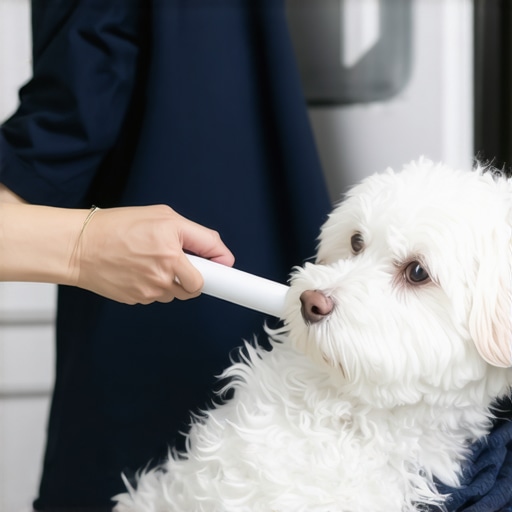
The biggest mistake I ever made—and trust me, I felt the sting of this one—was thinking the water would just wash the hair away. It doesn’t. Water makes hair heavy, sticky, and prone to clumping like wet cement in your pipes. My micro-story of shame involves a fleece blanket from my cat’s favorite window perch. I tossed it in, and the hair turned into a grey sludge that not only stayed on the blanket but also coated every single item in the next three loads. Now, I follow a strict dry-removal rule. Before a garment even sees a drop of moisture, I use a high-tack lint roller or a rubber brush. If it’s a heavy-duty item like a dog bed cover, I’ll actually take it outside and hit it with a stiff brush. This small manual step prevents the ‘fur-paste’ phenomenon that leads to expensive repairs.
Give Your Dryer a Ten-Minute Head Start
This is my favorite trick: toss your hair-covered dry clothes into the dryer on a ‘no heat’ or ‘air fluff’ setting for about 10 minutes before the wash. The tumbling action combined with the airflow pulls a significant amount of loose fur into the lint trap. Think of it as a pre-filter for your washer. When the cycle ends, you’ll be shocked at the amount of fluff that didn’t end up clogging your drain pump. Just make sure you are cleaning that lint trap immediately, or you’ll face the same airflow issues you’d see if you didn’t how to keep your refrigerator coils clean in a pet-friendly home to prevent overheating. Keeping the hair out of the wet cycle is 90% of the battle.
Clean Your Internal Filter Every Sunday
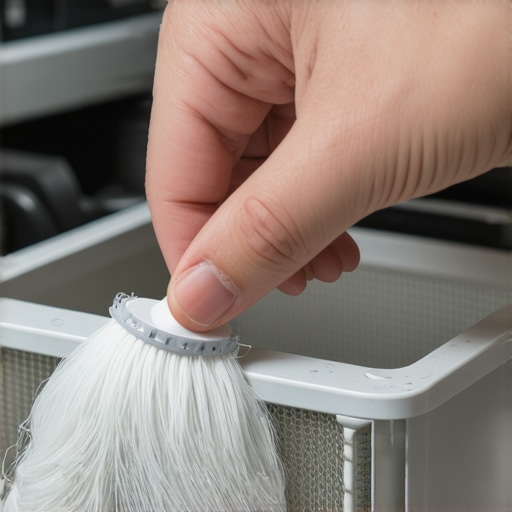
Most modern front-load machines have a tiny ‘secret’ door at the bottom. Inside is the debris filter. If you have pets, this is your machine’s frontline defense. I used to ignore mine until the day the machine stopped mid-cycle and flashed an error code I didn’t recognize. When I finally unscrewed the cap, a gallon of stagnant, fur-filled water poured onto my floor. It was a disaster. Now, I make it a weekly habit. It takes thirty seconds, but it ensures that the pump can actually push water out. If you’re finding that why your energy efficient washer takes so long to finish, a partially blocked debris filter is almost certainly the reason. The pump is struggling to breathe through a thick sweater of Labrador retriever fluff.
Detergent is Not Your Friend Here
You might be tempted to add extra soap to ‘wash away’ the mess, but that is a recipe for disaster. Excess suds actually trap hair against the fabric and the drum walls. I learned the secret to using less detergent in your high efficiency washer is actually the key to a cleaner rinse. When there are fewer bubbles, the hair can freely flow toward the drain instead of getting stuck in a soapy foam. If you’re dealing with heavy loads, you might want to look into the best large capacity washers for families with king size comforters, as these machines are designed with more robust drainage systems that can handle the extra volume of both water and debris without choking on the first sign of a pet bed.
Everyone tells you to use the ‘Sanitize’ or highest heat setting for pet bedding, but in my experience, that’s a rookie mistake. High heat can actually bond certain proteins in pet dander and saliva to the fabric and, more importantly, it accelerates the wear on your machine’s rubber gaskets and internal seals. While we all want a ‘set it and forget it’ experience, the ultimate guide to smart home appliances for a modern living usually leaves out the part where advanced tech requires more precise care, not less. Precision in temperature and detergent dosing is the real secret to longevity.
Why does my smart washer keep adding time to the clock?
It’s a common frustration for pet owners. You see 10 minutes left on the display, and 20 minutes later, it’s still spinning. This usually isn’t a computer glitch; it’s the machine’s internal load-balancing algorithm trying to save the drive system from a catastrophic failure. If you have pet hair clumping on one side of a heavy rug or bed, the sensors detect an ‘out of balance’ state. Instead of spinning at high speeds and damaging the bearings, the machine adds more water and time to try and redistribute the load. This is why how to diagnose a washing machine that wont spin at full speed often starts with checking for physical weight distribution rather than software errors.  Here is the advanced ‘trap’ I see everywhere: the vinegar myth. Social media is full of influencers claiming white vinegar is the best natural softener and cleaner. In reality, experts from the Association of Home Appliance Manufacturers warn that acetic acid—the main component of vinegar—can significantly degrade ethylene-propylene-diene monomer (EPDM) seals over time. This is the exact material used in most modern door gaskets and internal pump hoses. If you’re looking for the truth about using white vinegar in your high efficiency dishwasher or washer, the answer is to use it sparingly or avoid it altogether if you want to prevent slow, invisible leaks. Furthermore, we often blame the hardware when why your smart washer keeps disconnecting from the home network is actually a matter of signal interference. The massive metal drum in your washer can act like a shield, blocking the tiny internal Wi-Fi antenna from reaching your router. Have you ever fallen into this trap of thinking your appliance was broken when it was just a bad signal or a chemistry issue? Let me know in the comments! If you are still in the market for a new unit, it pays to know is a smart fridge really worth the extra money or if you should stick to more traditional, heavy-duty mechanical options.
I keep a small dental mirror and a pack of flexible pipe cleaners in my utility drawer, right next to my screwdrivers. Why? Because the absolute best way to ensure your kitchen stays efficient is to look where the manufacturers don’t expect you to. I’ve found that even if you use the best cycles, how to clean the internal spray arms of your dishwasher for better flow is something you physically have to see to believe. Calcium from hard water and tiny seeds from smoothies love to lodge themselves in those tiny jets. If you don’t poke them out manually, your machine works twice as hard for half the result, which is often why your dishwasher is leaving a gritty white film on your plates. It isn’t always the detergent; sometimes it’s just physics and a blocked nozzle.
How do I keep my smart appliances running like new over time?
Maintenance in 2025 isn’t just about a wrench and a rag; it’s about managing the digital brain of your home. I’ve learned the hard way that ignoring a notification can be as bad as ignoring a leak. When you see a pop-up on your phone, there is a technical reason why your smart appliance app keeps asking for a firmware update. These updates often recalibrate the internal sensors to compensate for wear and tear on the motors. According to the Association of Home Appliance Manufacturers (AHAM) in their technical white papers, properly updated software can extend the life of a variable-speed compressor by up to 15% by optimizing the cooling cycles. If you aren’t updating, you’re literally running on old, less efficient logic.
Looking ahead, I see a shift where machines won’t just wait for you to fix them. The future of home appliances involves predictive AI that tells you exactly which gasket is about to fail before the first drop of water hits the floor. But until then, you need to be the sensor. I recommend a monthly ‘seal check’ on your refrigerator. If you aren’t sure how, you should how to test if your fridge door seal is actually airtight using the dollar bill trick—if it slides out easily, you’re hemorrhaging money on your electric bill. This is especially vital if you’ve had to how to calibrate your smart fridge temperature sensors because the internal air isn’t circulating correctly.
My advanced tip for you this week: Go to your dishwasher right now and rub a little food-grade mineral oil on the door gasket. It keeps the rubber from becoming brittle and cracking, which is the number one cause of those ‘mystery’ puddles. Most people wait until they see a leak to act, but five minutes of prevention is worth a $500 service call. Give your internal filters a scrub today—your wallet will thank you later.
The Brutal Truth About Modern Appliance Lifespans
After years of battling Labrador glitter and feline fluff, I’ve realized that technology is only as good as the person cleaning the filter. One of the hardest lessons I learned is that the ‘Auto-Sensing’ feature on high-end units often masks mechanical fatigue. By the time your machine tells you something is wrong, the motor has usually been struggling for months. Secondly, never assume a high price tag equals pet-proof engineering. In fact, many top smart appliances for a seamless home experience in 2025 are more sensitive to hair clogs than the old ‘dumb’ washers from the 90s because of their tighter tolerances. Finally, remember that vibration is often a symptom of fur-clumped weight distribution; knowing how to fix a washing machine that keeps banging during spin cycles starts with checking if your pet bed is actually soaking up too much water and unbalancing the drum.
#IMAGE_PLACEHOLDER_E#
My Personal Kit for Fighting the Fur-Pocalypse
I don’t rely on luck anymore. My utility room has a dedicated ‘Appliance First Aid’ box that has saved me thousands in repair bills. I highly recommend keeping a silicone pet hair brush nearby—not for the dog, but for the laundry itself. Before anything goes into the machine, it gets a ‘dry brush’ to remove loose fibers. I also trust mesh laundry bags for any pet-related items; they act as a secondary filter, trapping most of the hair inside the bag instead of letting it escape into your pump. If you want to see where the industry is going, looking into the future of home appliances reveals that manufacturers are finally starting to design better integrated traps, but for now, these manual tools are your best defense.
Start Your New Maintenance Habit Now
Maintaining a pet-friendly home doesn’t have to be a full-time job, but it does require a bit of consistency. When you take the time to pre-clean and monitor your sensors, you aren’t just cleaning clothes; you are protecting a major financial investment. Your smart appliances are designed to make your life easier, but they need you to be their eyes and ears on the ground. Don’t wait for a puddle or a strange smell to take action. Have you ever had a specific pet item—like a thick rug or a certain type of bed—that absolutely defeated your washing machine? I’d love to hear your ‘war stories’ in the comments below!