
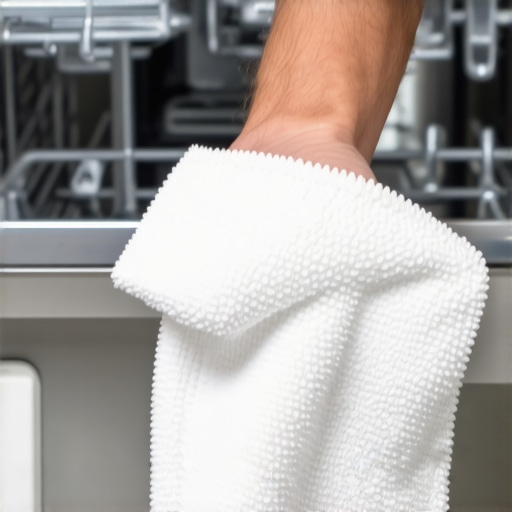
I remember standing in my kitchen at 10:00 PM, pulling a dinner plate out of the rack, and feeling that distinct, sandpaper-like texture. It wasn’t food. It was calcium. My dishwasher interior, once a gleaming cave of stainless steel, looked like a basement wall after a flood. It was embarrassing. I had just upgraded to one of those innovative dishwashers with AI technology you must know, and yet, within months, it looked like it belonged in a junkyard. I felt like a failure as a homeowner. I thought I needed a new machine or a total plumbing overhaul, but the fix was much simpler than a thousand-dollar repair bill. If you have ever felt that surge of annoyance when your glasses come out looking cloudier than they went in, you are definitely not alone. I spent weeks scrubbing and sweating before I realized I was fighting the wrong battle. Today, I am sharing the exact method I used to restore my machine’s sparkle without using harsh chemicals or calling in a pro.
Stop Blaming Your Detergent for Those Cloudy Walls
I made the classic mistake of thinking more soap equals more clean. In my early days of troubleshooting, I started doubling up on pods, thinking the extra power would blast away the film. All I did was create the dishwasher detergent mistake that is etching your favorite glassware. It turns out, according to the U.S. Geological Survey (USGS), nearly 85% of households in the United States deal with hard water. That is a lot of minerals hitching a ride on your rinse cycle every single day. Those white spots are just calcium and magnesium deposits that bake onto the tub during the high-heat dry cycle. If you have ever wondered why your dishwasher is leaving a gritty white film on your plates, the culprit is staring back at you from the interior walls. It is essentially rock formation in slow motion. I even tried switching to the heavy cycle daily, but I quickly realized the hidden cost of running your dishwasher on the heavy cycle daily was just wasting water while the spots remained stubborn as ever. Have you noticed your machine losing its shine despite using top-tier detergent?
Will This DIY Method Actually Eat My Gaskets?
I get it. You have heard the horror stories on social media. Someone uses a ‘hack’ they found online and ends up needing to how to replace the door seal because the acid was too aggressive. It is a valid fear. We have all seen the heated debates regarding the truth about using white vinegar in your high-efficiency dishwasher. Is it worth the risk? From my personal experience, the secret isn’t just about what you use, but the timing and the temperature. I once ruined a set of rubber seals in an old washing machine by being too reckless with cleaning agents, so I am the first person to advocate for caution. However, when you understand the balance between acidity and dilution, you can achieve a factory-new look without the risk of a leak. Before we dive into the step-by-step process, we need to make sure your machine is actually ready to be cleaned, which often starts with the easiest way to clean the filter in your dishwasher to ensure the minerals have somewhere to go once they are loosened.
Clear the Gunk Before You De-Scale
You cannot simply pour a bottle of cleaner into a dirty machine and expect miracles. If your filter is clogged, you are just recycling mineral-heavy sludge over your plates. I start every deep clean by pulling out the bottom rack and performing the easiest way to clean the filter in your dishwasher. It is a messy job—I once found a literal bone fragment and a piece of a plastic label from a jar I should have peeled better—but it is necessary. Think of your dishwasher like a human lung; if the filter is blocked, the machine cannot ‘breathe’ or circulate water effectively. Once the filter is rinsed under hot water, I move to the mechanical parts that actually move the water.
Poke the Holes in Your Spray Arms
I learned this the hard way after a month of ‘clean’ dishes coming out with grit on them. I realized the white film wasn’t just on the walls; it was inside the spray arms. You must know how to clean the internal spray arms of your dishwasher for better flow because those tiny nozzles are easily bridged by calcium. I use a simple toothpick to poke through each hole. It is satisfying in a weird way to see the little white flakes pop out. 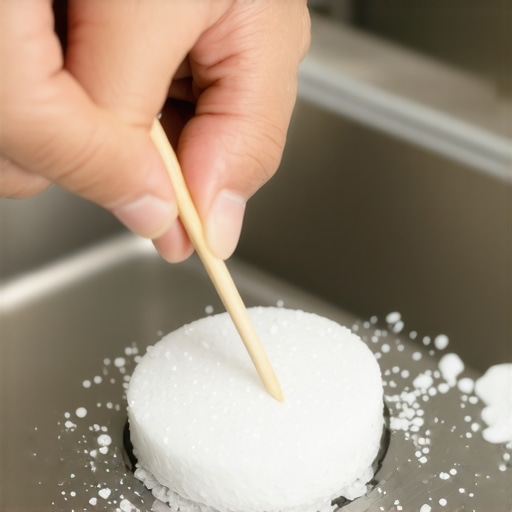
The Two-Cup Bowl Method That Saves Your Gaskets
The internet often tells you to just dump vinegar into the bottom of the tub, but that is a rookie mistake. Most modern machines start their cycle with a quick drain to get rid of any stagnant water. If you pour your vinegar directly onto the floor of the machine, you are literally watching your cleaning agent go down the drain before the wash even starts. Instead, I place a glass bowl upright on the top rack and fill it with two cups of white vinegar. This allows the acid to be distributed slowly as the water splashes into the bowl and overflows. This is widely considered the best way to sanitize your dishwasher without using bleach or damaging the delicate internal seals.
Run the Hottest Cycle Possible
To truly melt away the ‘rock’ formation on your tub walls, heat is your best friend. Cold water and vinegar are about as effective as a paper umbrella in a hurricane. I always select the ‘High Temp’ or ‘Sanitize’ setting. If you have been wondering why your dishwasher pod isn’t dissolving completely, it is usually because your water heater isn’t sending hot enough water to the kitchen. I always run the kitchen sink until the water is steaming before I hit the ‘Start’ button on the dishwasher. This ensures the very first fill of the machine is hot enough to kickstart the chemical reaction between the vinegar and the calcium. Finally, keep an eye on the hidden sensor in your dishwasher that needs a manual scrub. If that tiny eye is cloudy, your smart machine will never know when the job is actually done.
I have seen dozens of homeowners return perfectly good units because they thought a two-hour wash cycle was a defect. It is the ultimate irony of modern living: we want things faster, but the technology that saves us money actually moves slower. Most people believe that a quick, aggressive cycle is the sign of a powerful machine, but in my experience, the longer cycles are where the real magic happens. This is the efficiency paradox. According to the U.S. Department of Energy, longer cycles in high-efficiency appliances actually use less energy and water because they rely on chemistry and soaking time rather than the brute force of high-pressure water jets and extreme heat. If you are frustrated by why your energy efficient washer takes so long to finish, you are actually witnessing the machine protecting your utility bill.
The Big Lie About Using Extra Detergent
The most common mistake I see—and one I am guilty of making in my early years—is the ‘more is better’ philosophy with soap. We have been conditioned to love suds, but in a modern, low-water environment, excess soap is a death sentence for your sensors. I once helped a neighbor who was about to call a technician because her clothes felt ‘crunchy.’ It wasn’t the machine; it was the two tablespoons of extra detergent she was adding ‘just to be sure.’ This leads to why your energy efficient washer leaves your clothes feeling crunchy. High-efficiency machines use so little water that they simply cannot rinse away the chemical residue of an oversized scoop. Learning the secret to using less detergent in your high efficiency washer is often the single most important ‘repair’ you can perform. Have you ever fallen into this trap? Let me know in the comments.
Does My Dishwasher Need a Digital Tune-Up or a Physical Scrub?
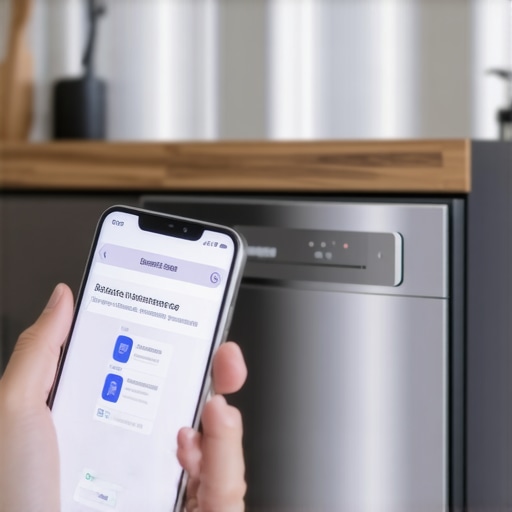
We often forget that today’s innovative dishwashers with AI technology you must know are essentially computers that happen to spray water. When things go wrong, we reach for the wrench, but the solution might be in the software. I recently encountered a unit that refused to dry properly. After an hour of checking heating elements, I realized the owner had ignored three consecutive notifications for a firmware update. There is a specific reason why your smart appliance app keeps asking for a firmware update; these patches often recalibrate how sensors interpret mineral buildup or water turbidity. However, even the best code can’t see through physical grime. You still have to pay attention to the hidden sensor in your dishwasher that needs a manual scrub. If that optical eye is covered in a film of grease, no amount of AI can save your dinner plates from coming out spotty.
Don’t Let Your Machine Outsmart Your Maintenance
The biggest trap to avoid is ‘set it and forget it’ syndrome. Just because you have top smart appliances for a seamless home experience in 2025 doesn’t mean you can skip the manual labor. I’ve seen $3,000 refrigerators fail because the owner never cleaned the coils, thinking the ‘smart’ features would alert them to a dust bunny invasion. If your fridge is struggling, you might need to how to calibrate your smart fridge temperature sensors before assuming the compressor is dead. The nuance of modern ownership is realizing that while the machines are smarter, they are also more sensitive. Treating a 2025 AI-driven machine like a 1995 mechanical beast is the fastest way to a ‘repair or replace’ dilemma. Are you ready to stop fighting your appliances and start working with them?
I once spent a frantic Saturday chasing a washing machine across the laundry room floor like it was a runaway puppy. It sounds funny until you realize that every time a machine ‘walks,’ it is literally shaking its own delicate circuit boards loose. This is why I swear by heavy-duty anti-vibration pads and a high-quality spirit level. Learning how to level a washing machine so it stops banging on tile floors isn’t just about peace and quiet; it is about extending the lifespan of the drum bearings by years. According to the Association of Home Appliance Manufacturers (AHAM), even a slight 2-degree tilt in high-efficiency appliances can cause uneven wear that leads to catastrophic motor failure. I recommend checking your machine’s level every six months, especially if you have a habit of washing heavy towels or comforters. 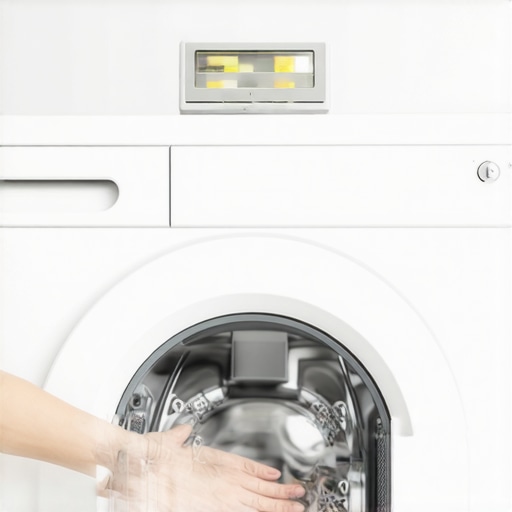
How do I maintain these high-tech machines over time?
Maintenance in 2025 is as much about your home network as it is about your wrench. Most homeowners don’t realize that their appliances are constantly logging performance data. I’ve made it a habit to check my manufacturer’s app once a month for diagnostic reports. There is a specific reason why your smart appliance app keeps asking for a firmware update; these digital patches often fix ‘bugs’ in how the machine handles water temperature or sensor calibration. Beyond the digital, I use the trick to stopping a vibrating washing machine during the spin which involves ensuring the lock nuts on the leveling legs are tightened all the way against the chassis. If those nuts are loose, your machine will never stay level, no matter how many times you adjust it.
Protect Your Flooring from Invisible Drips
One of the most expensive ‘quiet’ failures is a slow leak. I’ve seen beautiful hardwood floors ruined because a dishwasher had a pinhole leak in the supply line that nobody noticed for months. While you can learn how to stop your dishwasher from leaking water onto the kitchen floor after the fact, I highly suggest installing a smart water leak detector under your units. These $30 sensors have saved me thousands by pinging my phone the second a single drop of water hits the floor pan. It is the ultimate insurance policy for anyone with top smart appliances for a seamless home experience in 2025.
The Era of Self-Healing Appliances
Looking ahead, the future of home appliances trends to watch in 2025 suggest we are moving toward ‘self-healing’ technology. We are already seeing machines that can detect a partial blockage in a drain hose and automatically increase pump pressure to clear it. However, until your fridge can swap its own water filter, the human element remains vital. My advanced tip for you today: go to your laundry room right now and put a bubble level on top of your washer. If it is even slightly off, adjust those feet tonight. It’s a five-minute task that prevents a five-hundred-dollar repair bill.
Lessons I Had to Learn the Hard Way About My Kitchen’s Health
Over the years of maintaining high-end gear, I’ve realized that common sense often fails when it comes to modern tech. Here is the insider wisdom I wish I had on day one:
- The ‘Eco’ cycle isn’t always your friend. While washing machines that save water expert advice for 2025 suggests using low-resource modes, running them exclusively allows grease to build up in the pipes. Use a hot cycle once a week to clear the lines.
- Vinegar is for minerals, not for everything. People treat vinegar like a magic potion, but it won’t dissolve a hair clog or a grease dam. It is strictly for fighting the calcium that leads to why your dishwasher is leaving a gritty white film on your plates.
- The ‘Check Filter’ light is usually late. By the time your machine tells you there is a problem, the performance has been degrading for weeks. I now treat filter cleaning as a first-of-the-month ritual, regardless of what the screen says.
- Firmware matters as much as filters. Don’t roll your eyes at your phone; there is a functional reason why your smart appliance app keeps asking for a firmware update, often involving more efficient heating algorithms.
Tools That Keep My Smart Home Running Like New
You don’t need a professional tool belt, but these three items are non-negotiable for my maintenance routine. First, a high-quality 24-inch spirit level. If you don’t know how to level a washing machine so it stops banging on tile floors, this tool will be your best friend. Second, a pack of citric acid powder; it’s often more effective and less smelly than vinegar for heavy-duty descaling. Finally, I swear by smart leak detectors. Even the most innovative dishwashers with AI technology you must know can develop a physical drip, and catching it in seconds saves your flooring from a total loss.
Take Back Control of Your Household Tech
It is easy to feel like our appliances are running us, rather than the other way around. But remember, these machines are designed to serve you. By spending just ten minutes a month on the basics—checking a level, rinsing a filter, or wiping a sensor—you ensure that your investment in the future of home appliances trends to watch in 2025 actually pays off in longevity and performance. Don’t wait for a breakdown to start caring for your kitchen. Start tonight, and you’ll never have to stare at a cloudy dinner plate again. Have you ever found a weird object in your dishwasher filter that actually fixed a major drainage problem? Let me know in the comments below!