
I’ll never forget the Tuesday I opened my utility portal and nearly choked on my coffee. My bill had spiked significantly, and I couldn’t figure out why until I realized I’d been running my new smart washer on the ‘Sanitize’ cycle for every single load of gym clothes. I thought I was being thorough; in reality, I was just burning money. We buy these ‘smart’ machines thinking they’ll do the thinking for us, but if you do not tweak the defaults, they can be just as wasteful as those old agitator models from the nineties. Today, I am going to show you how to actually harness that technology to keep your clothes fresh without the financial sting. It is about taking control of the sensors rather than letting them default to the most aggressive settings. Let us get into the specific tweaks that moved the needle for me.
Stop Letting the Factory Defaults Drain Your Wallet
Many people think that ‘Smart’ automatically means ‘Efficient,’ but that is a trap I fell into early on. When I first got my unit, I just hit ‘Normal’ and ‘Start’ every time. Big mistake. The real magic happens when you dive into the app or the sub-menus to find the true energy-saving gems. For instance, I completely ignored the delayed start feature for cheaper energy rates, which was basically like throwing away five bucks every week. If you are currently hunting for the best energy efficient washing machines for your home, you have to be willing to actually use the efficiency features they offer once they are installed. I once thought my clothes would not get clean unless the water was scalding, but according to Energy Star, about 90% of a washer’s energy consumption comes solely from heating the water. Switching to cold water and utilizing washing machines that save water through precision drum movements was the single biggest change I made. Honestly, I haven’t seen a single stain survive it yet.
Do these energy saving modes really work or are they just a gimmick?
It’s the question everyone asks: will my towels still smell like a swamp if I use the Eco-mode? I was skeptical too, especially after my energy efficient washer left my clothes feeling crunchy for a few weeks because I didn’t know how to balance the detergent. But once you dial in the moisture sensors and pair them with the right load size, the results are identical to the high-heat cycles. Have you ever felt like your ‘Eco’ button is just there for show, or have you actually seen a difference in your bills? I would love to hear if you have been brave enough to make the switch. [image placeholder] Before we move on to the specific menu toggles, we need to address why that tempting ‘Quick Wash’ button might actually be your worst enemy for efficiency.
Turn Your Machine Into a Precision Tool
The most important thing to realize about modern appliances is that they are essentially computers that happen to splash water. To get the best results, you have to treat the sensors with respect rather than fighting against them. I learned this the hard way when I tried to wash a single, heavy, water-absorbent bath mat on a ‘Delicate’ cycle to be gentle. The machine couldn’t balance the load, and it spent three hours trying to spin, eventually vibrating so hard it nearly took out my drywall. If you want a seamless home experience, you have to match the cycle to the weight and density of the fabric correctly every single time. Letting the machine ‘sense’ the load while using the wrong preset is a recipe for wasted electricity and an unbalanced drum.
The Secret to Using Less Detergent Without Losing Cleanliness
Most of us are using way too much soap because we were raised on the ‘more is better’ philosophy of the 90s. In a high-efficiency machine, excess soap creates a ‘cushion’ of suds that actually prevents the clothes from rubbing against each other—which is how they actually get clean. This is often why your energy efficient washer leaves your clothes feeling crunchy; the machine simply cannot rinse out all that concentrated chemical with the limited water it uses. I moved to using only two tablespoons of HE detergent per full load, and my clothes have never felt softer or looked cleaner. Learning the secret to using less detergent isn’t just about saving money on laundry pods; it’s about extending the life of your machine’s internal seals and preventing that dingy gray buildup on your white shirts.
Stop the Gunk Before It Stops Your Machine
Your smart washer relies on internal sensors to determine how much water to use and how long to spin. If those sensors are coated in a film of fabric softener or hard water deposits, they essentially lie to the control board, leading to longer cycles and wetter clothes. I make it a habit to wipe down the stainless steel drum and the rubber door gasket every month. This is the absolute best way to prevent mold growth in your washing machines door seal and ensure the moisture sensors stay sensitive. 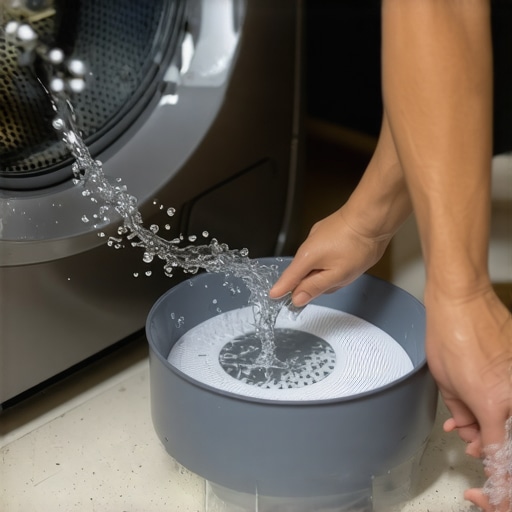 Don’t forget the debris filter located behind the small hatch at the bottom of the unit. Last year, my machine stopped draining properly, and I was convinced the pump had died. After a messy twenty minutes of troubleshooting, I pulled a hair tie and three dimes out of the filter. Knowing how to clean the debris filter on your front load washer can save you a massive service call for what is essentially a five-minute maintenance task.
Why You Should Actually Say Yes to Firmware Updates
It sounds ridiculous to ‘update’ a washing machine, but manufacturers often push out software tweaks that improve the motor’s spin logic or the water-heating efficiency based on real-world field data. If you find why your smart appliance app keeps asking for a firmware update annoying, think of it as a free performance boost for your hardware. These updates can sometimes fix persistent glitches, like a washing machine that is stuck on the sensing cycle for twenty minutes, or they can recalibrate the internal thermometer to ensure ‘Warm’ isn’t actually ‘Scalding.’ Taking ten minutes to let that progress bar finish ensures your machine is running the most efficient code possible.While we are on the subject of sensors, let’s talk about the biggest lie in the kitchen: the ‘Pre-Rinse’ ritual. We have been conditioned to believe that we are helping our innovative dishwashers with AI technology you must know by scrubbing the plates before they ever hit the rack. In reality, you are likely the reason your glasses look cloudy. Modern dishwashers use a turbidity sensor to measure how ‘dirty’ the water is. If you load plates that are already mostly clean, the sensor tells the computer that the job is easy, leading to a shorter cycle with lower temperatures. According to experts at the American Council for an Energy-Efficient Economy, these sensors are calibrated to detect food particles to determine the cleaning intensity. Without that ‘signal,’ the machine doesn’t work hard enough to actually sanitize. This is often the root cause of the dishwasher detergent mistake that is etching your favorite glassware; the detergent has no food to attack, so it attacks the surface of your plates instead. Have you ever fallen into this trap? Let me know in the comments.
Why does my high-end dishwasher leave a gritty film if I pre-rinse?
It feels backward, but stopping the pre-rinse is the first step toward a seamless home experience in 2025. If you aren’t providing the machine with enough ‘grit’ to trigger its heavy-duty sensors, you end up with why your dishwasher is leaving a gritty white film on your plates. The soap needs something to latch onto. Furthermore, neglecting the hidden sensor in your dishwasher that needs a manual scrub can lead the AI to make poor decisions about water usage. 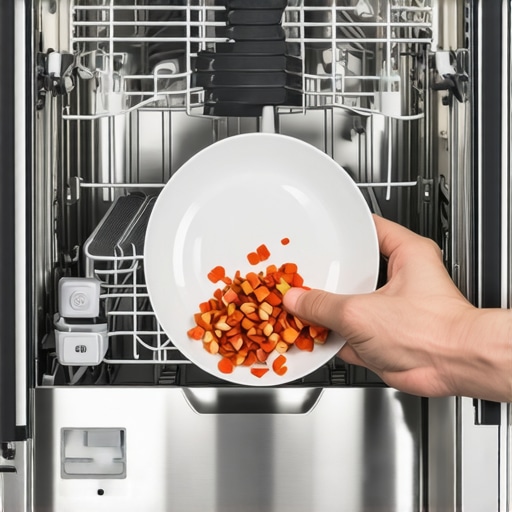 This is the nuance of ‘smart’ living: the machines are clever, but they aren’t psychic. They rely on the physical reality of the debris you give them.
Stop Trusting the Default Fridge Temperature
The same logic applies to your cooling. Most people assume the factory settings on refrigerators in 2025 top features that transform your kitchen are optimized for their specific climate and load. They aren’t. I spent months wondering why your refrigerator is freezing the eggs on the top shelf before I realized the internal airflow was being blocked by a single milk carton. Learning how to save money on your electric bill by changing three fridge settings is about more than just turning the dial down; it’s about understanding that the ‘Eco’ mode might actually cause your compressor to work harder if your fridge is overstuffed. It is a delicate balance between air volume and thermal mass. If you want to achieve the ultimate guide to smart home appliances for a modern living, you have to stop treating these machines like ‘set and forget’ boxes and start treating them like the precision instruments they are.I used to think my smart fridge’s digital readout was gospel. If it said 37 degrees, I believed it. That was until I bought a $10 standalone digital thermometer and realized the back of my shelf was actually hitting 31 while the door bins were a balmy 44. To get a truly seamless home experience in 2025, you need to verify the data your machines are feeding you. This is exactly how to recalibrate your refrigerators internal thermometer for better cooling without needing an expensive technician visit. I keep a small thermometer in the crisper drawer year-round now. It’s the only way to know if the real difference between inverter compressors and standard fridge motors is actually paying off in temperature stability or if you are just paying for fancy branding.
The $10 Tool That Saved My Laundry Room
The most underrated tool in my utility closet isn’t a fancy wrench—it’s a simple 24-inch spirit level. If your machine is even a fraction of an inch off, the internal gyroscope and dampening system will fight the vibration, leading to those ‘phantom’ cycle extensions where the timer stays at ‘1 minute’ for half an hour. I finally learned how to level a washing machine so it stops banging on tile floors after my neighbor complained about the ‘thump-thump’ at midnight. 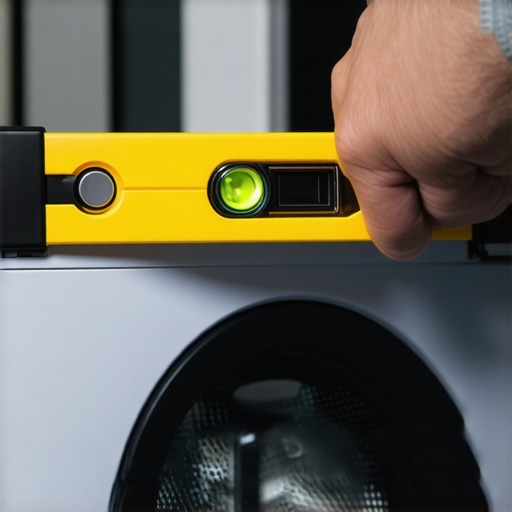 A perfectly level machine is a quiet machine, and a quiet machine lasts years longer because the bearings aren’t being pulverized by an off-center load. While you are at it, use the ‘paper test’ to see how to test if your fridge door seal is actually airtight. If a piece of paper slides out easily when the door is closed, you are losing money every second the compressor runs.
How do I keep these complex sensors accurate for a decade?
Maintenance on ‘smart’ gear is 50% physical and 50% digital. Physically, you have to keep the contact points clean. For dishwashers, this means once a month you should be checking the hidden sensor in your dishwasher that needs a manual scrub. Digitally, it means managing your network. If your ultimate guide to smart home appliances for a modern living includes a dozen devices, your router might be the bottleneck. According to technical documentation from the Association of Home Appliance Manufacturers (AHAM), consistent connectivity is now considered a ‘performance factor’ because it allows the machine to download load-optimization profiles that prevent part wear. I highly recommend learning how to set up a central kitchen hub for all your smart appliances to keep everything on a dedicated 2.4GHz band, which penetrates walls much better than the 5GHz band your phone uses.
The Future of Getting Things Done
Looking ahead, the future of home appliances trends to watch in 2025 suggests we are moving toward ‘self-healing’ software. We’ll see more innovative dishwashers with AI technology you must know that can actually adjust for hard water buildup automatically by increasing the rinse duration. But until that becomes standard, we are the ones who have to bridge the gap between the hardware and the app. My biggest piece of advice? Don’t wait for an error code to pop up. Go grab a spirit level and check your washer right now—it’s the easiest maintenance win you’ll get all month. If you haven’t yet, take five minutes to dive into your washer’s app and look for the ‘Tub Clean’ reminder setting; turning that on changed my life.
The Three Myths About Smart Machines That Almost Broke My Budget
Reflecting on my journey with modern home appliances, I realized I was relying too much on the ‘Auto’ button and not enough on logic. I used to believe that more technology meant I could be lazier with my maintenance, but the opposite is true. High-efficiency machines are precision instruments; they require us to be more deliberate about things like detergent dosage and leveling. I also learned that ‘Smart’ doesn’t mean ‘Intuitive.’ My machine doesn’t know I live in a hard water area unless I tell it. Embracing the future of home appliances trends to watch in 2025 taught me that the best results come from a partnership between AI and a hands-on owner.
The Troubleshooting Kit I Keep in My Junk Drawer
To keep my household running without a hitch, I rely on four specific tools. First is a simple spirit level; as I mentioned earlier, a balanced machine is a long-lasting one. Second, a digital probe thermometer is the only way to verify if your cooling settings are actually safe for your food. Third, I always keep the official manufacturer apps front and center on my phone, as they are the easiest way to see how smart washing machines can simplify laundry day through real-time notifications. #IMAGE_PLACEHOLDER_E# Finally, I regularly check the AHAM (Association of Home Appliance Manufacturers) website for safety recalls and efficiency tips. I trust these tools because they provide objective data that built-in sensors sometimes miss.
Your Next Move Toward a More Efficient Life
The transition from a passive user to an active manager of your smart appliances is the secret to a lower utility bill and a quieter home. You don’t need to be a technician to master your machines; you just need to stop trusting the factory defaults and start listening to what the sensors are actually telling you. When you treat your appliances like the high-end computers they are, they will reward you with years of flawless service. The ultimate guide to smart home appliances for a modern living is ultimately about taking back control. Have you ever found a weird object in your washer’s debris filter that was causing a massive headache? Let me know in the comments below!