
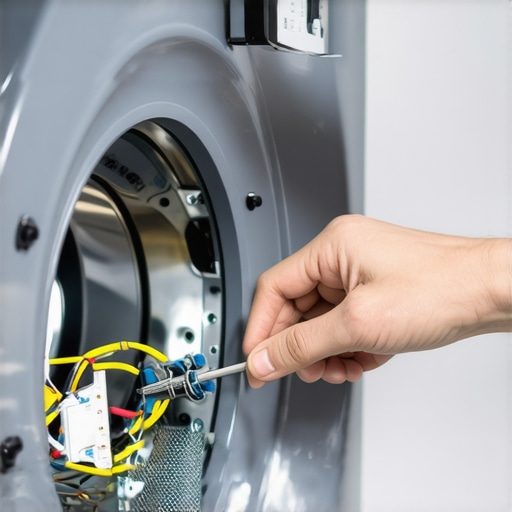
There I was, barefoot on the cold tile of my laundry room at 11:30 PM, staring at a damp pile of work shirts through the glass door of my washer. That little green LED was mocking me. ‘Sensing,’ it said. It had been ‘sensing’ for forty-five minutes while the drum sat motionless and silent. I had already tried the ‘unplug it and wait’ trick, but the moment I plugged it back in, that light popped right back on like a stubborn houseguest. If you have ever felt that specific brand of appliance-induced rage, you are not alone. It is a moment where you realize that while how smart washing machines can simplify laundry day is the dream, the reality involves a lot more staring at frozen control panels. We are going to get that machine moving again today without you having to spend three hundred dollars on a service call. [IMAGE_PLACEHOLDER]
When the Sensing Light Becomes Your Worst Enemy
I’ll be the first to admit that I’ve made some dumb mistakes with my appliances. Once, I actually called a repair technician and paid a hefty diagnostic fee just to have him tell me that my lid wasn’t fully latched because a stray sock was draped over the edge. It was embarrassing, but it taught me that these machines are more sensitive than we give them credit for. When your washer is stuck on the sensing cycle, it is usually because the onboard computer is waiting for a signal that never arrives. This is very similar to the frustration people feel when they are trying to figure out how to fix a washing machine that stops mid-cycle without an error code. The machine is trying to protect itself from a catastrophic failure, so it just… waits. It might be checking the water level, trying to balance the load, or verifying that the lid is locked. According to data from the Association of Home Appliance Manufacturers, nearly 25% of modern service calls could be avoided by simple consumer troubleshooting of lid switches and sensors.
Is This Just a Glitch or a Total Hardware Failure?
You might be worried that your motor is fried or that the motherboard is toast. I get it. Every time my washer makes a weird noise or hangs up, I start browsing for new models. But more often than not, it is a simple communication error. Sometimes the machine is just confused by a heavy towel or a small load that it can’t quite balance. I’ve seen this happen frequently with people who also struggle with how to fix a smart washer that keeps pausing mid-cycle. It’s the same underlying logic: the sensor is reporting something ‘weird,’ and the software doesn’t know how to proceed. Have you ever found yourself literally pleading with your washer to just finish the load so you can go to bed? Tell me your most frustrating laundry story in the comments. Often, the reason why your washing machine takes much longer than the timer says is rooted in this exact ‘sensing’ loop. We are going to break down the reset procedures and the mechanical checks that will get your cycle back on track.
Force a Hard Reset Right Now
Sometimes, the quickest path to victory is simply forcing the brain of your appliance to clear its short-term memory. Think of it like rebooting your laptop when the screen freezes; the machine just needs to dump its current logic and start fresh. To do this, unplug the washer from the wall and leave it completely unpowered for at least ten minutes. This allows the capacitors on the control board to discharge. While you wait, check that your floor is even, as learning how to level a washing machine so it stops banging on tile floors can actually prevent future sensing errors. Once you plug it back in, perform a ‘lid dance’—open and close the lid six times within 12 seconds to signal to the computer that you are initiating a manual override. I once spent two hours screaming at a Maytag before realizing I hadn’t let it sit long enough to actually reset. I was so impatient that I kept plugging it back in after thirty seconds, which did absolutely nothing but raise my blood pressure.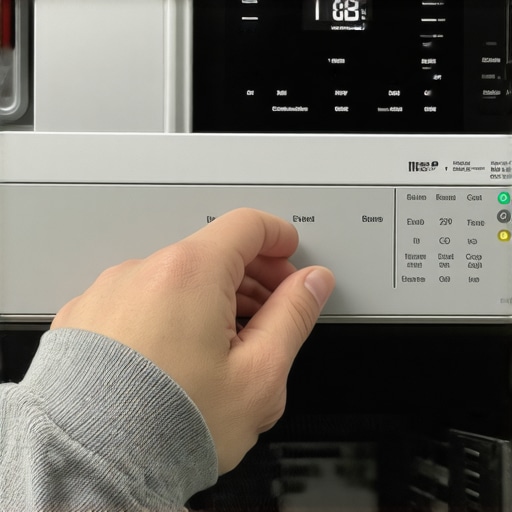
The Tiny Plastic Piece Ruining Your Day
If the reset didn’t work, your culprit is likely the lid switch. This is a small mechanical trigger that tells the machine it is safe to spin. If the switch is bent or dirty, the ‘sensing’ light stays on because the washer thinks the door is open. It is a safety feature that feels more like a sabotage feature. Check the strike plate on the lid for any cracks. If your machine is older, you might be dealing with a buildup of gunk. Much like knowing how to clean the debris filter on your front load washer effectively, keeping the lid strike area clear of dried detergent is vital. I once found a petrified piece of chewing gum wedged in my switch, which was enough to keep the circuit from closing and left me with a tub full of soapy water for a whole weekend.
Teach Your Machine How to Feel Again
Modern washers often lose their ‘sense’ of weight and balance over time. When this happens, the machine gets stuck in the sensing loop because it can’t determine how much water to add. You need to enter calibration mode. On most top-loaders, this involves turning the cycle dial: left one click, right three clicks, left one click, and right one click. If the lights start flashing like a disco, you’ve done it right. This process is very similar to how to recalibrate your smart oven when the temperature feels wrong. You are essentially giving the appliance a new baseline for what ’empty’ feels like. If you skip this, the machine might keep reporting that your washing machine keeps getting an unbalanced load error even when it is totally empty. Once in calibration mode, press start and let it rotate for a few minutes; it will stop on its own when the ‘sensing’ mystery is solved. If you still hear a humming noise but no movement, you might need to diagnose a washing machine that wont spin at full speed to see if the drive belt has actually slipped off the pulley.But here’s the thing that most ‘appliance gurus’ won’t tell you: the problem often isn’t mechanical at all—it’s chemical. We’ve been conditioned by decades of laundry commercials to believe that more bubbles equal more clean. In reality, the secret to using less detergent in your high efficiency washer is the only way to prevent ‘suds-lock.’ When you use too much soap, the excess foam coats the water level pressure sensor. The machine’s brain gets a reading that makes no sense, so it just keeps sensing, trying to figure out why the internal pressure is spiking. According to a study by Consumer Reports, modern HE washers only need about two tablespoons of detergent to function at peak efficiency. Anything more is just asking for a service call. Have you ever fallen into the ‘more soap is better’ trap? Let me know in the comments. I’ve definitely been guilty of pouring a bit extra when the kids come home from a muddy soccer practice, only to regret it an hour later when the machine starts acting up. 
Stop Flooding Your Machine with Soap
If you are still using the truth about high efficiency detergent in old washers as your baseline, you are going to run into trouble with a 2024 or 2025 model. These machines use a fraction of the water that older units did. When you over-sud, the machine has to run extra rinse cycles—which is often why your washing machine takes much longer than the timer says. It is a feedback loop: the machine sees suds, adds water, sees more suds, and gets stuck. It is even worse for those looking for washing machines that save water expert advice for 2025, because the more ‘eco’ the machine, the less it can handle a heavy hand with the detergent bottle.
Why Vinegar Might Be Killing Your Gaskets
Another massive ‘oops’ factor I see all the time is the over-reliance on white vinegar. Every DIY blog on the planet recommends it for removing hard water spots, and the truth about using white vinegar in your high efficiency dishwasher or washer is a bit more complicated than the internet leads you to believe. Vinegar is an acid. While it is great for breaking down calcium, it is also great at eating through rubber. Modern appliances use specific synthetic rubber gaskets and seals. Constant exposure to vinegar can cause these to become brittle and crack, eventually leading to leaks that are much more expensive to fix than a simple sensing error. If you’re worried about efficiency and costs, consider the hidden cost of running your dishwasher on the heavy cycle daily instead of relying on acidic shortcuts.
Can Your Wi-Fi Signal Actually Break Your Laundry Cycle?
It sounds like science fiction, but I have seen smart washers get stuck in a sensing loop simply because of a firmware update that failed mid-stream. If your appliance loses its connection to the router while it’s trying to ‘call home,’ the software can hang. This is a common reason why your smart washer keeps disconnecting from the home network and causing headaches. The ‘sensing’ light becomes a catch-all error for ‘I am confused and can’t reach the server.’ Always ensure your laundry room has a solid signal, or your state-of-the-art appliance might as well be a very expensive paperweight. Check your signal strength before you assume you have a mechanical failure.
Moving beyond the immediate panic of a ‘sensing’ light requires a shift in mindset from reactive repair to proactive maintenance. It is not enough to just know how to fix things when they break; you need a strategy if you want your gear to survive the next decade. If you are serious about managing a high-tech household, I always recommend starting with our ultimate guide to smart home appliances for a modern living to understand how these systems interact. When I finally stopped treating my appliances like ‘dumb’ boxes and started treating them like computers, the number of service calls I had to make dropped to almost zero.
The Two Tools That Saved Me Thousands
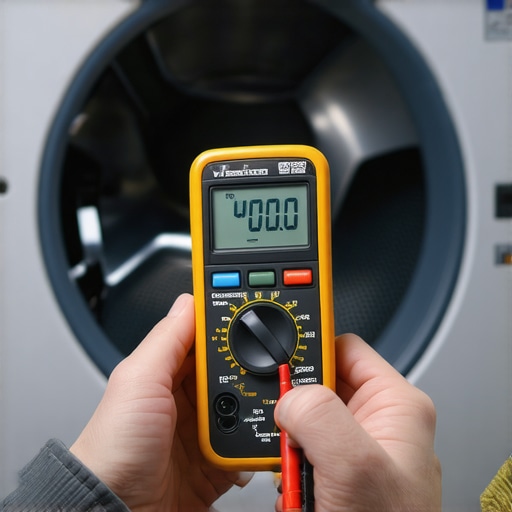
I personally swear by a digital multimeter. It is the only way to move past guesswork. Last summer, when my dishwasher refused to dry, I didn’t just buy a new one; I used a multimeter to check for electrical continuity. By knowing how to tell if your dishwasher heating element is actually broken, I discovered a small wiring fault that cost five dollars to fix instead of five hundred. The National Electrical Manufacturers Association (NEMA) notes that small voltage fluctuations can often mimic mechanical failure in smart boards, so having a tool that verifies the actual power flow is a game changer. My second must-have is a set of heavy-duty appliance rollers. If you cannot easily pull out your fridge, you will never learn how to keep your refrigerator coils clean in a pet-friendly home. Dust is a silent killer for compressors, often leading to that dreaded situation why your refrigerator is making a clicking noise every ten minutes as the motor struggles to shed heat.
How do I maintain these complex machines over the long haul?
Consistency beats intensity every single time. I set a quarterly reminder to recalibrate my sensors and vacuum out the debris filters. This is especially vital for your kitchen ecosystem; learning how to set up a central kitchen hub for all your smart appliances can help you track these maintenance schedules in one place. I also recommend a quick audit of your settings every six months. You would be surprised how much wear and tear you can save by simply knowing how to save money on your electric bill by changing three fridge settings. My prediction for the future of home appliances trends to watch in 2025 is a heavy lean toward ‘self-healing’ software. We are already seeing prototypes that can adjust their own motor torque to compensate for a slightly slipping belt. Until that becomes standard, the best thing you can do is listen to your machines. If you hear a new hum or see a blinking light, don’t ignore it—grab your multimeter and check the vitals before a small glitch turns into a total hardware failure. Go ahead and try the ‘coil vacuum’ trick this weekend; your electric bill and your fridge’s lifespan will thank you.
Why Your Appliance Is Often Smarter and Dumber Than You Think
After years of tinkering with control boards and lid switches, I have realized that the ‘sensing’ light isn’t a sign of a broken machine, but rather a machine that is overthinking. Here are a few lightbulb moments from my laundry room floor: First, the software is usually more fragile than the motor. We often jump to assume a mechanical failure when a simple firmware hang is the culprit. Second, modern efficiency comes at the cost of tolerance. Older machines would power through an unbalanced load; new ones will simply quit to save a penny on electricity. Third, your washer is a creature of habit. Once you find the ‘sweet spot’ for detergent and load size, stick to it religiously. If you find yourself consistently stuck, it might be time to revisit ultimate guide to smart home appliances for a modern living to see how these logic systems are designed to interact with your home.
The Troubleshooting Kit I Take to Every Repair
I do not start any appliance project without three specific resources. I always keep a digital multimeter handy because guessing about electrical continuity is how you end up buying parts you do not need. I also swear by keeping a PDF copy of the technician’s manual—usually hidden in a plastic baggie inside the washer cabinet—which provides the secret diagnostic codes manufacturers do not print on the lid. Finally, I rely on high-quality silicone lubricant for those stubborn lid latches; it stays put longer than standard oils and does not attract nearly as much lint. If you are still feeling overwhelmed, you can always contact us for more specific advice on your particular model.
Stop Letting Your Laundry Room Intimidate You
It is easy to feel defeated when a machine you rely on every day suddenly turns into a giant, silent box of damp clothes. But remember, you have the tools now to outsmart the sensors. Whether it is a hard reset, a lid switch adjustment, or a full recalibration, most ‘sensing’ errors are just a temporary communication breakdown. By taking these proactive steps, you are not just fixing a cycle; you are extending the life of your investment. Dealing with washing machines shouldn’t feel like a mystery. You have the power to keep your home running smoothly without a three-hundred-dollar service call. Have you ever had your washer get stuck on sensing just to find out a single stray sock was the culprit? Let me know your most frustrating laundry story in the comments below!