
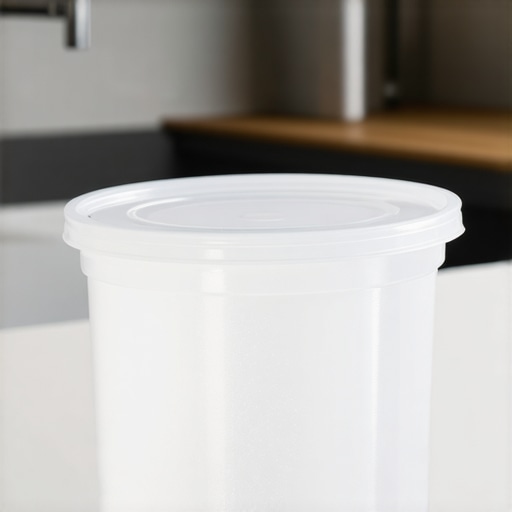
I remember the exact moment I lost my temper with a simple plastic toddler bowl. I had just pulled it out of a fresh cycle, expecting a clean, sparkling dish, but instead, it looked like it had been dragged through a chalk factory. This dull, hazy, white film was coated over every single container, lid, and cup I owned. In my frustration, I immediately blamed my appliance, thinking I had a major malfunction on my hands. I even started researching the secret to fixing a dishwasher that leaves food on your plates, convinced my machine was simply dying. But the machine was fine. The real culprit was a silent, chemical reaction happening right under my nose. Today, I am going to save you the headache, the wasted money on replacement Tupperware, and the endless scrub sessions by showing you exactly how to restore those cloudy plastics to their former glory.
The Day I Realized My Cleaning Routine Was Ruining My Kitchenware
My first big mistake was thinking that more soap equaled more clean. In my early days of managing a busy household, I would pack the detergent cup to the absolute brim, thinking I was giving my dishes some extra love. It turns out that excess detergent, combined with the mineral heavy tap water in my neighborhood, creates the perfect storm for calcium carbonate buildup. According to scientific analysis of municipal water supplies, over 85% of households in the United States suffer from hard water, which aggressively binds to porous plastic surfaces during high-heat drying cycles. I was essentially baking a microscopic layer of rock onto my favorite leftovers containers. If you are also dealing with wet, soggy plastic after a wash, you might want to check out the trick to getting bone dry plastic containers out of your dishwasher, but if cloudiness is your main enemy, we have to change how we combat the water chemistry itself.
Is vinegar actually safe for my expensive dishwasher?
Many well-meaning home blogs will tell you to just dump a gallon of white vinegar into your machine and run it on hot. When I tried this without researching, I nearly ruined the rubber gaskets inside my unit. While vinegar is a fantastic acid for breaking down the mineral bonds on your plastic cups, using it incorrectly can degrade the vital seals that keep your kitchen floor dry. To avoid a costly repair, you are much better off targeting the plastic items in a separate sink soak, or learning the truth about using vinegar in modern appliances before you risk a flood. Have you ever pulled out a load of dishes only to find them looking cloudier than when they went in? Drop a comment below and let me know if you are currently battling this white haze!
The Two-Step Acid Soak That Melts Hard Water Crust
To break down the chalky mineral shield on your plastics, you need to think of your kitchen sink like a science lab. Hard water residue is essentially a alkaline crust of calcium carbonate. To dissolve it, you must introduce a mild acid. This is not the time to run a cycle in your dishwasher; instead, create a concentrated bath in your sink. Mix one part warm water with one part distilled white vinegar, and submerge your cloudy containers completely. Let them sit for at least thirty minutes. I remember when I first tried this with a set of cloudy toddler cups; I initially only soaked them for five minutes and nothing happened. When I finally left them in the bath for a full half-hour, the chalky haze wiped off with a simple swipe of a microfiber cloth. After the soak, wash the plastics with mild dish soap and warm water to remove any lingering acidic smell. If your dishwasher continues to deposit film on your items even after manual soaking, you should look into the best way to load a dishwasher for maximum water flow to prevent pooling water from baking onto your dishes during the dry cycle.
Why standard dishwashing cycles bake the film into place
When you run a standard cycle, your machine relies on intense heat to sanitize your dishes. However, this high temperature acts like an oven, baking any mineral-heavy water droplets directly onto the porous surfaces of plastic. While you can search for innovative dishwashers with AI technology you must know about to find models that manage heat cycles more intelligently, manually controlling your current machine’s settings is the quickest fix. 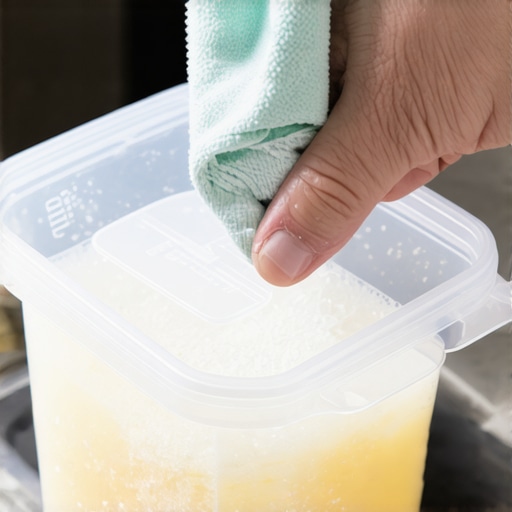
Tweak Your Appliance Settings for Sparkly Results
If manual soaking fixes the existing cloudiness, you must adjust how you use your machine to prevent the white film from returning. Your first defense is reducing the amount of detergent. Modern concentrated pacs are often too strong for soft or medium water, leaving a soapy film that mimics mineral buildup. If you notice your pacs are not fully melting, read about why your dishwasher pods are not dissolving in short cycles to troubleshoot the water temperature. Next, turn off the heated dry option. Using the air-dry setting or simply cracking the door open when the cycle finishes prevents the rapid evaporation that leaves mineral spots behind. If you struggle with leftover pooling water on your items, mastering the best way to stack a dishwasher for maximum cleaning power will ensure that cups and bowls are angled properly, allowing water to slide off completely before it has a chance to evaporate and leave a dusty residue.
When you deal with persistent kitchenware film, it is easy to fall back on common wisdom. In my experience, however, the most widely shared advice on the internet is actually what keeps your plastics looking ruined. Many self-proclaimed cleaning gurus claim that the chemical formula of your detergent is the only variable that matters. They tell you to buy more expensive pods or dump vinegar directly into your tub. But this ignores a critical nuance of modern appliance engineering: water volume and cycle length dictate chemical behavior more than the brand of soap you buy.
Everyone says that running a longer, hotter cycle is the ultimate way to sanitize and clear away residue. In reality, modern high-efficiency machines use significantly less water than older models, meaning they circulate highly concentrated mineral solutions over and over. If you run a long cycle with heavy detergent, you are essentially bathing your plastic storage containers in a recirculating pool of abrasive calcium suspended in hot water. This is why many people find their plastic cups look worse after a heavy-duty cycle than a quick, cool wash. If you want to understand how modern design impacts your daily chore routine, it is worth looking into how washing machines that save water utilize similar low-volume principles that require a complete rethink of how much detergent we actually need.
Why does the eco mode on my machine make plastics cloudier?
This is the ultimate paradox of modern dishwashers. When you select the eco-friendly setting, your machine lowers the water temperature and extends the cycle time to save energy. However, as noted in an appliance engineering study by the European Committee of Domestic Equipment Manufacturers, lower water temperatures fail to fully activate the surfactants in modern detergent pods, leading to a sticky, un-rinsed residue that binds to porous polypropylene plastic. If you are struggling with these settings, read about the truth about the eco mode on your new dishwasher to understand when to bypass it. Have you ever fallen into this trap? Let me know in the comments how your machine’s eco cycle treats your plastics.

The trap to avoid here is relying on automatic settings when your local water chemistry is working against you. If you have extremely hard water, no amount of smart sensing will perfectly clear your dishes without manual intervention or pre-softening. For those who love technology, integrating your kitchen can help you monitor cycle adjustments in real-time, which you can easily set up once you learn how to voice control your kitchen from the living room. By adjusting your soap dosage down, bypassing eco modes when washing heavy plastics, and skipping the heated dry, you will finally break the cycle of cloudy kitchenware.
My Personal Toolkit for Fighting Appliance Mineral Scale
Over the years, I have learned that you cannot fight chemistry with hope. You need the right physical tools to keep your dishwasher running efficiently and your plastics looking transparent. I personally rely on three non-negotiable tools in my kitchen maintenance routine. First is a dedicated, extra-long nylon brush specifically designed for cleaning appliance crevices. I use this once a month to clear out the spray arm nozzles. If you notice your upper rack items are always cloudier, it is highly likely that your spray arms are clogged with mineral deposits, preventing clean water from reaching them. In fact, learning how to clean the grime out of your dishwasher spray arms will save you from constant re-washing.
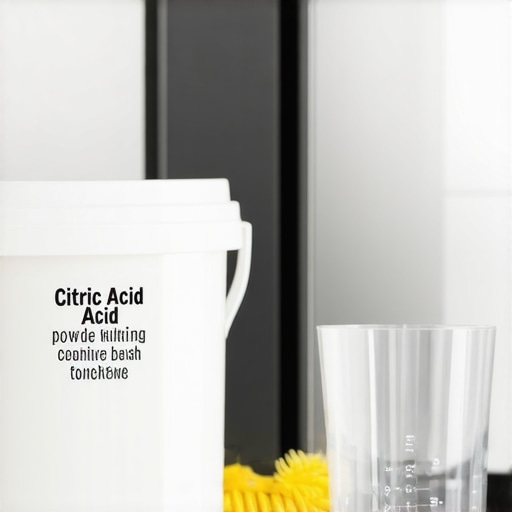
Second, I keep a bucket of food-grade citric acid powder under the sink. While vinegar is a decent quick fix, citric acid is far more stable, odorless, and highly effective at chelation—meaning it binds to mineral ions like calcium and magnesium and sweeps them away. According to the technical guidelines from the Water Quality Association, citric acid is one of the safest organic acids for maintaining residential appliances because it dissolves lime scale without degrading high-density polyethylene internal components. Finally, I use a basic handheld TDS (Total Dissolved Solids) meter to test my tap water twice a year, ensuring my water hardness levels haven’t spiked due to municipal changes. If you manage your water chemistry actively, you will also notice your other major water-using appliances run smoother, which is something to celebrate when discovering washing machines that save water for your laundry room.
How do I maintain my appliance performance over time?
To keep mineral film from returning permanently, you need to establish a simple monthly maintenance habit. Do not wait for the white film to coat your cups before you take action. Once every thirty days, run an empty hot cycle with two tablespoons of citric acid powder placed directly in the main detergent cup. This clears out the internal heating element, which is prone to mineral scaling. When scaling builds up on the heating element, the machine cannot regulate temperatures properly, leading to inefficient cycles. If your appliance is a smart model, keeping its digital brain healthy is just as important as the physical hardware. For instance, knowing why your smart dishwasher app keeps giving you phantom errors can help you distinguish between a physical water flow block and a simple sensor glitch.
As we look to the future, appliance manufacturers are already tackling this issue directly. We are starting to see the integration of internal ion-exchange water softeners inside standard-sized units, similar to what has been popular in European models for years. In the coming years, I predict that AI-driven soil and hardness sensors will become standard, automatically adjusting detergent dispensing and water temperature based on the real-time mineral content of your municipal water. Until those smart systems become mainstream, however, the manual adjustments we discussed are your best line of defense. I highly encourage you to try my citric acid sink-soak method on your cloudiest plastic container tonight—you will be amazed at how quickly that stubborn white haze disappears.
3 Myths About Dishwashers and Plastics That Kept My Kitchen Cloudy
Before I finally cracked the code on hard water film, I fell for almost every piece of bad advice circulating on home improvement forums. First, I believed that switching to an expensive “ultra-premium” detergent pac would instantly melt the film away. It did not. The high concentration of active chemicals actually made the white haze stickier because my water volume was too low to rinse it clean. Second, I was told that the sanitize cycle was my friend. In truth, that extreme heat acted like a kiln, permanently baking the mineral scale into the porous structure of my favorite containers. Finally, I thought my dishwasher was simply broken and that I needed to shop for innovative dishwashers with AI technology you must know about just to get clean cups. The real lesson was simple: you cannot solve a water chemistry problem by throwing more heat or expensive soap at it. You must balance the minerals manually.
My Essential Toolkit for Keeping Kitchenware Pristine
I do not believe in magic solutions, but I do believe in having the right tools on hand so you do not have to scrub until your wrists ache. Here are the three items I keep in my cabinet to maintain perfectly transparent plastics:
- Pure Citric Acid Powder: This is my absolute secret weapon. It is far more effective at lifting mineral bonds than vinegar, it is completely odorless, and it is incredibly cheap when bought in bulk.
- A High-Quality Microfiber Sponge: Standard yellow-and-green abrasive sponges will leave micro-scratches on your soft plastics, giving mineral deposits a new place to cling to. A soft microfiber cloth or non-scratch sponge sweeps away dissolved scale without damaging the surface.
- A Reliable Spray Arm Cleaning Tool: I keep a small, flexible wire brush nearby to clean out the tiny spray jets in my machine. If you find your top rack is getting particularly foggy, check out my guide on why your dishwasher is not getting the top rack clean anymore to see how clogged water paths ruin your rinse cycle.
Take Control of Your Kitchen Chemistry Today
You do not have to accept dull, chalky plastic as an inevitable tax of running a busy household. By making small adjustments to your daily routine—like cutting your detergent dose in half, skipping the heated dry, and using a quick citric acid soak—you can restore even the oldest, cloudiest containers to their original clarity. Taking care of your kitchenware also goes hand-in-hand with keeping your appliances running efficiently for years to come. Have you ever struggled with a stubborn white film on your plastics that just would not budge? Let me know in the comments below what worked for you!