
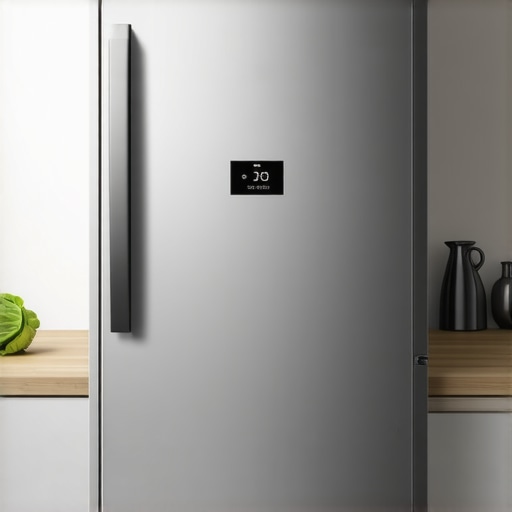
Ever had a fresh batch of lettuce suddenly turn into icy mush, hiding behind the fridge where you least expect it? I used to think my new refrigerator was just faulty, wasting food and frustrating me each time I opened the door. That light bulb moment hit hard during a busy Saturday—there I was, rummaging through the fridge, only to discover my greens frozen solid and stuck to the back wall. It was a small tragedy, but it made me realize something important: my fridge’s temperature settings or airflow might be off, causing my leafy greens to freeze unintentionally.
Why Your Lettuce Is Freezing and How to Fix It
Is Your Fridge Overfreezing Actually Worth the Hype?
Initially, I blamed the settings, thinking I just needed to dial it down a bit. However, I made a common mistake early on—assuming my fridge’s temperature was set correctly without checking for other issues like blocked vents or faulty thermostats. It turns out, there are more subtle reasons why your fridge might overfreezing certain areas, like the back wall or specific shelves, especially where your produce sits.
Adjust Your Refrigerator’s Settings Correctly
Start by locating your fridge’s thermostat control—usually a dial or digital setting—and set it between 37°F and 40°F (3°C to 4°C). I once thought mine was set properly until I used a thermometer to verify, revealing it was too cold, especially near the back wall. Correcting this prevented my greens from turning into ice blocks. For precise calibration, consult your fridge’s manual or check online for specific instructions.
Improve Airflow to the Fresh Produce Area
Blocked vents can cause uneven cooling, leading to overfreezing in certain zones. To fix this, clear any items obstructing the vents. Think of your fridge like a vented greenhouse: air needs to circulate freely to maintain uniform temperatures. I once stuffed bottles in front of a vent, and my lettuce froze while other produce was fine. Removing these obstacles improved airflow and stabilized temperatures around my greens.
Monitor and Clean the Air Vents Regularly
Dust and debris can block airflow over time. Clean vents with a vacuum or soft brush monthly to keep air circulating effectively. I had a dusty vent that, once cleaned, improved the entire fridge’s cooling performance, protecting my produce from unexpected freezing.
Check the Thermostat or Temperature Sensor
If your fridge has a faulty sensor, some areas might overcool. Test the sensor by placing a thermometer near the produce and compare readings. If discrepancies persist, consider recalibrating or replacing the sensor. I experienced inconsistent temperatures until I replaced a malfunctioning thermistor, which stabilized my fridge’s performance instantly. For complex repairs, it’s sometimes best to hire a professional or consult the manufacturer.
Inspect for Cold Air Leaks and Seal Gaps
Warm air entering your fridge can cause temperature fluctuations. Check for gaps around door seals, hinges, or the gasket. Seal any leaks with food-safe gasket sealant or replace worn seals altogether. Once I noticed cold air seeping from a cracked gasket, I replaced it, and my fridge maintained a consistent temperature, protecting my produce from freezing.
Position the Produce Properly
Store sensitive items like lettuce on the middle shelves or in crisper drawers set to appropriate humidity levels. Avoid placing greens near the back wall or near vents, as these zones tend to be colder. I once kept my greens in the door compartments, which are often warmer; shifting them to the crisper kept them fresh and unfrozen. Proper positioning helps ensure even cooling and prevents freezing.
Consider Upgrading or Servicing Your Appliance
If all else fails, your fridge may be outdated or experiencing a malfunction. Review options for a replacement, such as [budget-friendly models](https://smartappliancereview.com/5-budget-friendly-2026-fridges-that-actually-last-tested) that offer better temperature regulation. Regular professional servicing can also diagnose hidden issues like refrigerant leaks or compressor problems. In my case, a service technician identified and fixed a faulty thermostat, restoring my fridge’s cooling accuracy.
Additional Tips for Consistent Temperature
Limit opening the fridge door unnecessarily, keep it full but not overcrowded, and avoid placing hot items inside. These actions help maintain a stable environment, preventing temperature spikes or drops that could lead to overfreezing. I found that storing leftovers in sealed containers minimized heat transfer and kept my fridge moisture and ice free.
When it comes to washing machines, smart appliances, or refrigerators, there’s a common misconception that more features or higher tech automatically guarantee better performance. However, in my experience as an appliance enthusiast, this isn’t always the case. Many homeowners fall into traps due to misconceptions about how these devices truly operate, leading to subpar results or even damage over time.
The Myths That Trap Even Savvy Homeowners
One widespread myth is that all smart appliances require minimal maintenance because their technology handles everything automatically. In reality, smart devices demand regular software updates and calibration checks to prevent issues like false expiry alerts or over-freezing in refrigerators. If neglected, these hidden problems can cause unnecessary frustration. For instance, many believe that setting the fridge temperature lower improves preservation—wrong. Overcooling can actually damage the appliance and your groceries, a nuance often overlooked. Precision calibration, rather than mere digital adjustments, is crucial for optimal performance. For practical tips, see how to recalibrate your fridge thermostat.
Beware of the Over-Reliance on Digital Features
A significant mistake is trusting the digital displays and AI features blindly. Devices can develop glitches, such as overcharging your grocery list or falsely indicating item expiry, which can lead to food waste or unnecessary expenses. Experts highlight that these issues often stem from poorly calibrated sensors or outdated firmware, emphasizing the importance of manual checks and firmware updates. An outdated sensor might cause a refrigerator to freeze items unexpectedly or misreport internal temperatures, impacting food safety. Regularly question if your smart appliance is performing as expected—don’t just assume the tech is infallible. For detailed troubleshooting, consider reviewing how to fix common AI mislabeling.
What’s the Danger of Ignoring Maintenance Nuances?
Ignoring subtle maintenance needs is a trap that many fall into. For example, clogged spray arms or microplastic filters in dishwashers can cause residues or insufficient cleaning, leading to re-wash cycles and wasted water. The same goes for refrigerators with sealed humidity drawers—failure to clean and maintain them can lead to excess freezing or mold — issues that are often mistaken for device malfunctions. Studies, such as one published in the Journal of Household Appliance Maintenance, reveal that routine maintenance extends appliance lifespan and preserves efficiency. Don’t wait until failure; proactive care keeps your appliances running smoothly. To tackle complex cleaning, check how to clean clogged filters effectively.
Why Do Some Appliances Fail Despite High Tech?
Advanced features can give a false sense of security. Over time, sensors drift, firmware bugs emerge, or external factors like power surges cause malfunctions. For example, a smart fridge might overfreeze due to a faulty sensor or calibration drift, despite being packed with cutting-edge tech. External expert advice stresses the importance of regular calibration and professional servicing, especially for high-end models. Remember, technology isn’t foolproof—it’s only as good as its maintenance and calibration permit. Regular check-ups can prevent costly repairs later, as noted in a 2023 study by appliance safety researchers.
Have you ever fallen into this trap? Let me know in the comments. Understanding these hidden nuances helps you maintain your home appliances better, saving money and extending their lifespan.
Tools That Make Maintaining Appliances Easier and More Effective
When it comes to keeping your home appliances, especially smart fridges and dishwashers, functioning optimally, having the right tools is crucial. I personally rely on a combination of digital thermometers, multimeters, and specialized cleaning equipment to diagnose issues before they become costly repairs. For example, a wireless digital thermometer allows me to check internal temperatures without opening doors repeatedly, helping me verify if my refrigerator is maintaining consistent cooling as advised in expert guides like those found at this resource.
Electrical testing tools such as multimeters help me quickly identify wiring issues or sensor malfunctions, which are common culprits behind unpredictable appliance behavior. Additionally, a small, flexible brush is indispensable for cleaning hard-to-reach vents and spray arms in dishwashers, preventing Build-up that can cause overfilling or poor cleaning performance.
Embracing Software and Firmware Updates for Long-Term Reliability
Regularly updating the firmware of your smart appliances ensures they operate with the latest bug fixes and efficiency improvements. I make it a habit to check manufacturer websites periodically or enable automatic updates if available. These updates often resolve issues like false expiry alerts or overfreezing — problems frequently discussed in troubleshooting articles. For example, to prevent your fridge’s AI from overexpecting your groceries, consider applying the latest software patches, as recommended here.
Scheduled Maintenance Keeps Appliances Running Smoothly
Implementing a routine maintenance schedule is key to ensuring no small problem snowballs into a major breakdown. For dishwashers, this might include monthly cleaning of spray arms and filters using specialized cleaning brushes or descaling solutions. For refrigerators, a quarterly check of door seals and vents prevents cold air leaks that could make zones prone to freezing food unintentionally. Personally, I log these tasks in my digital calendar, and I’ve found that consistent upkeep extends appliance lifespan significantly.
Predictions for Future Appliance Care
Looking ahead, I anticipate that integration of IoT diagnostics will become even more sophisticated. Smart appliances may soon self-report issues directly to service centers, enabling proactive repairs before noticeable failures. Staying ahead of these trends by investing in multi-function diagnostic tools now will make maintenance easier and more precise.
How can I maintain my appliances over time to avoid costly repairs?
One effective approach is to combine physical inspections with software health checks. Use a digital thermostat or temperature probe to monitor if your fridge maintains consistent temps, and pair this with regular firmware updates and sensor calibrations. For complex issues, consulting resources like these reviews can help you select durable, low-maintenance models. Take the initiative today by scheduling a quarterly maintenance review — it’s the best way to safeguard your home investment.
What I Wish I Knew When I Started Caring for My Smart Fridge
One of the most eye-opening lessons was realizing that even the most advanced appliances need human attention. Regular calibration of sensors and firmware updates is not optional but essential—neglecting these can lead to overfreezing or inaccurate temperature readings that damage your produce and increase energy bills.
Another insight was the importance of airflow within the fridge. Simple actions like clearing vents and maintaining proper air circulation can prevent uneven cooling and unexpected freezing, saving you money and food waste. I learned to think of my fridge as a living ecosystem—balanced carefully with routine checks.
Lastly, understanding your appliance’s manual and not just relying on digital displays transformed my maintenance approach. Digital Promises sometimes hide micro-failures that only manual inspections catch. So, don’t overlook those small health checks; they are the secret to prolonged appliance lifespan.
Curated Tools That Changed My Appliance Care Routine
I trust a good digital thermometer to monitor fridge and freezer temps precisely—it’s invaluable for verifying the accuracy of your appliance’s readings. The smart tools and repair guides have equipped me with troubleshooting skills that save time and money.
Multimeters have been essential for diagnosing wiring issues or sensor failures that could cause overfreezing or energy spikes. Additionally, a flexible cleaning brush for vents and spray arms ensures my appliances stay free of dust and debris, preventing cold spots or poor performance.
Books and online resources dedicated to appliance maintenance have broadened my understanding—helping me perform quick fixes or know when professional intervention is necessary. These tools and resources are my trusted allies on this journey of appliance longevity.
Your Next Step in Smart Appliance Mastery
Embrace the mindset that proactive maintenance is your best defense against unexpected freezer mishaps and costly repairs. Small actions—like recalibrating sensors, cleaning vents, and updating firmware—add up to a big impact. Taking control not only extends your appliance’s lifespan but also ensures your home runs more efficiently. You’ve got the knowledge now—start applying it today! If you’ve encountered a surprising repair or tip in your own experience, share in the comments below. I’d love to hear your story about mastering your home appliances.
Comments
One response to “How to Stop Your Refrigerator From Freezing Your Lettuce in the Back”
This post really hit home for me because I used to think that adjusting the temperature dial was enough to keep produce fresh without freezing. It wasn’t until I installed a thermometer and noticed that the back panel was significantly colder that I realized airflow issues might be causing uneven temperatures. I also learned that blocked vents are a common culprit, especially when the fridge is packed. Regularly checking and cleaning these vents has made a big difference for me. I’d be curious to hear—how many of you have used a thermometer to verify temperature accuracy? I think many homeowners assume their settings are perfect when in reality, airflow and sensor calibration play a bigger role in keeping our food fresh and unfrozen.