
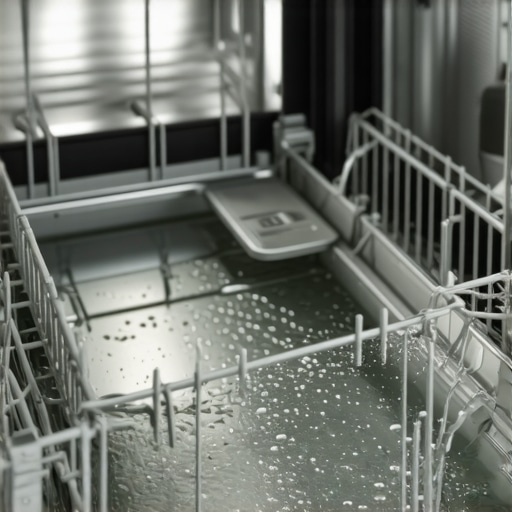
Last weekend, I opened my dishwasher only to find a shallow pool of murky, gray water at the bottom. You know that feeling—your stomach drops, and suddenly, your trustworthy appliance becomes a source of frustration instead of convenience. I’ve been there, and let me tell you, it’s more common than you think.
If you’ve ever faced this messy dilemma, you’re not alone. That standing gray water isn’t just an eyesore; it’s a sign that something’s not right, and ignoring it can lead to bigger problems down the line. Fortunately, I’ve learned a lot over the years—mainly through trial, error, and a few soapy disasters—and I want to share what I’ve discovered.
Today, we’re going to tackle the question: *Why does my dishwasher fill with standing gray water?* We’ll explore the common causes, how to diagnose the problem, and most importantly, how to fix it without calling in a pricey technician. By the end of this guide, you’ll have the confidence to troubleshoot your dishwasher like a pro.
Understanding the Root Cause of Gray Water in Your Dishwasher
The first step is knowing what’s behind that foul, muddy water pooling at the bottom. Typically, the culprit is a drainage or pump issue—clogged filters, stuck valves, or a malfunctioning pump can all prevent your dishwasher from draining properly. I made the mistake early on of simply cleaning the filter without inspecting the drain hose or pump assembly. That left me stuck with the same problem, and it wasted precious time.
According to appliance expert tips, a common reason for gray water is buildup of debris or soap scum blocking the drainage pathway. Sometimes, a simple cleaning of the filter isn’t enough; the drain hose may be kinked or clogged, or the pump could be faulty. If you’re curious about comprehensive troubleshooting, I recommend checking out this detailed guide on fixing standing water in dishwashers.
Have you ever faced this problem and felt overwhelmed trying to figure out what’s wrong? Believe me, I’ve been there. Luckily, most issues related to gray water fill-ups are solvable with some basic tools and a bit of patience. In the next sections, I’ll walk you through step-by-step solutions—so you can get your dishwasher back to clean and dry, instead of pooling with dirty water. Let’s dive into those practical fixes next.
Empty the Dishwasher and Prepare Your Tools
Start by unplugging your dishwasher to ensure safety. Grab a towel or bucket to catch any residual water. You will need a screwdriver, pliers, and possibly a drain snake or pipe cleaner. I once ignored safety and ended up with a shockingly clogged hand—learning the hard way emphasizes why preparation matters.
Remove the Bottom Panel and Locate the Drain Components
Unscrew the kickplate or bottom panel of your dishwasher—usually at the front or sides. Gently set it aside. Inside, you’ll see the drain pump, filter, and possibly a sump area. Think of it as your dishwasher’s plumbing highway; clear roads lead to smooth traffic, and blockages cause backups.
Inspect the Filter and Sump for Debris
Remove and clean the filter thoroughly using warm water and a brush. Check the sump area, the basin beneath the filter, for food particles, soap scum, or hair. During my first inspection, I found a clump of hair tangled around the impeller, which was blocking water flow. Clearing out this debris can significantly reduce gray water buildup.
Check and Clear the Drain Hose
Detach the drain hose from the pump or sink drain pipe at the back or bottom of the unit. Use pliers to loosen clamps if necessary. Blow compressed air through the hose or run water through it to confirm it’s clear. I once forgot to resecure the hose properly, causing leaks—attention to detail prevents messy mishaps.
Inspect the Hose for Kinks and Clogs
Look for bends or squashes that could restrict flow. If the hose is clogged, clear blockages with a pipe cleaner or freshwater flush. Replace if damaged or permanently kinked. A properly placed, unobstructed hose ensures efficient drainage.
Test and Clean the Drain Pump
Locate the pump impeller, usually accessible after removing some internal panels. Spin it manually; it should turn freely without resistance. If it’s jammed, clean out any debris, or replace the pump if faulty. Remember my unfortunate experience of pump failure leading to a whole new dishwasher; replacing a pump is minor compared to a new appliance.
Check for Pump Obstructions and Electrical Issues
Look for foreign objects caught in the impeller, which can be removed carefully. Use a multimeter to test electrical continuity if you suspect a malfunction. A faulty pump means water can’t be expelled, leading to standing gray water.
Reassemble and Run a Test Cycle
Once everything is cleaned and reconnected, reinstall the panel and kickplate. Plug in your dishwasher, run a short cycle, and observe if water drains properly. If gray water persists, consider seeking professional repair or replacing the pump.
Need more in-depth troubleshooting? Check out specific guides like this article for common issues with dishwashers or for issues related to drainage failure, this guide can be helpful: tips on drainage fixes. Proper diagnosis and regular maintenance are key to preventing future gray water problems, keeping your dishwasher running smoothly and hygienically.
Smart Appliances Are A Set-It-And-Forget-It Solution
Many homeowners believe that once their smart fridge, washer, or dishwasher is set up, it requires little to no maintenance. However, this misconception can lead to neglected upkeep, resulting in decreased efficiency or costly breakdowns. Regular cleaning of filters, sensors, and software updates are essential to keep these appliances functioning optimally. Forgetting these simple steps might seem harmless but can significantly affect appliance lifespan and performance.
More Features Mean Better Performance—Not Always
It’s tempting to opt for home appliances packed with advanced features, thinking they automatically translate to superior cleaning, cooling, or laundry results. In reality, excessive features can complicate usage and even cause unintended issues, like overfilling in washers or improper drying cycles in dishwashers. Understanding your real needs versus marketing hype prevents unnecessary complications and repairs. For example, some high-end fridges with complex AI tend to delete personalized user settings if not managed properly, as explained in this guide.
The Hidden Risks of DIY Repairs
While troubleshooting on your own might save money upfront, attempting complex repairs without proper knowledge can cause more harm. For instance, disconnecting water lines or fiddling with electronic boards may lead to leaks or electrical shorts. A common trap is replacing parts like drain pumps or valves haphazardly, which doesn’t address the root cause of problems like drainage failure. Always consider consulting professional repair guides or experts, especially for sensitive components, to avoid costly mistakes.
Why Do Some Repairs Backfire and Cost More?
In-depth troubleshooting reveals that many issues considered minor—such as a clogged spray arm or misaligned gasket—can escalate if not properly diagnosed. For example, a clogged spray arm not only reduces cleaning power but can also cause water to back up, damaging internal electronics. Taking a measured approach, like inspecting and cleaning components thoroughly, is more effective than rushing to replace parts. For detailed guidance on common damage pitfalls, see this article on dishwasher spray arm fixes.
Have you ever fallen into this trap? Let me know in the comments. The truth is, understanding the nuances of your appliances and maintaining them proactively is the key to saving money and extending their life. Remember, what seems like a quick fix might be masking a deeper issue. Staying informed and cautious ensures your home runs smoothly without surprise expenses.
,
Choosing the Best Tools for Appliance Maintenance
Maintaining your home appliances, like refrigerators, washing machines, and dishwashers, requires precise tools that can handle delicate components and stubborn clogs. From my personal experience, investing in quality equipment has made troubleshooting much more efficient and less messy.
One tool I swear by is a digital multimeter. It helps me quickly diagnose electrical issues in my appliances without guesswork. In particular, for dishwashers, checking the continuity of the drain pump connectors can save you from replacing parts unnecessarily. I recommend the Fluke 117, which offers high accuracy and ease of use, especially for beginners. Reliable testing ensures you don’t replace a working component or overlook a faulty wiring harness.
For cleaning tough deposits, a flexible pipe cleaner is invaluable. I prefer a stainless steel brush with a bendable handle because it can navigate tight spaces in filters and hoses, making cleaning more thorough. This helps prevent the buildup that causes drainage issues and gray water pooling, as discussed in troubleshooting guides on drainage failure.
Regular Software and Firmware Updates
Modern appliances increasingly rely on software to function optimally. Manufacturers frequently release updates that improve performance and fix bugs. For instance, updating your smart fridge’s firmware can prevent issues like the AI from mistakenly deleting your grocery list, which has become a common complaint.
Using the manufacturer’s app or control panel, I schedule regular updates, ensuring my appliances are protected against security vulnerabilities and operate with the latest features. This proactive approach prolongs appliance life and avoids unexpected failures.
Anticipate Longevity with Preventative Maintenance
Adopting a maintenance schedule based on manufacturer recommendations can help keep appliances efficient over years. I set weekly reminders to check and clean filters, seals, and accessible wiring connections.
For example, cleaning your washer’s rubber gasket as suggested in this guide extends its lifespan and prevents mold-related odors. Regular inspection not only fixes minor issues early but also helps prevent costly breakdowns down the road.
How do I maintain my appliances over time?
Mixing the right tools with routine software updates and scheduled inspections is key to long-term performance. Use precision testing equipment for electrical diagnostics, invest in flexible brushes for cleaning, and stay current with firmware updates. These steps help catch small issues before they escalate, saving time and money.
Additionally, consider subscribing to expert blogs or joining online forums dedicated to appliance repairs—shared insights from enthusiasts can save you a lot of frustration. For instance, detailed technical documentation from appliance manufacturers, like the one for dishwasher drying issues, provides valuable troubleshooting tips. I suggest trying the advanced tip of regularly cleaning your dishwasher’s spray arms with a descaling solution to prevent greasy buildup. It’s a simple step that yields noticeably better cleaning results over time.
What I Wish I Knew Before Fixing My Dishwasher
One of the toughest lessons I learned was that quick fixes often mask larger issues, and rushing into part replacements can lead to more frustration and expense. Patience and thorough diagnosis trump guesswork every time, especially when dealing with complex appliances like dishwashers.
Another insight is that regular maintenance isn’t just about cleanliness—it’s about preventing tiny issues from snowballing into major failures. Investing a few minutes monthly to inspect filters, hoses, and pump components can save countless headaches and dollars down the line.
I also realized that not all problems are accessible or safe to fix alone. Knowing when to call a professional colleague or service can prevent damage and ensure safety—some repairs require specialized tools and expertise that aren’t obvious at first glance.
Finally, understanding the internal workings of your appliance demystifies the repair process. Dive into manufacturer guides or trusted repair tutorials; knowledge turns frustration into confidence, making your home appliances more dependable allies rather than unpredictable foes.