
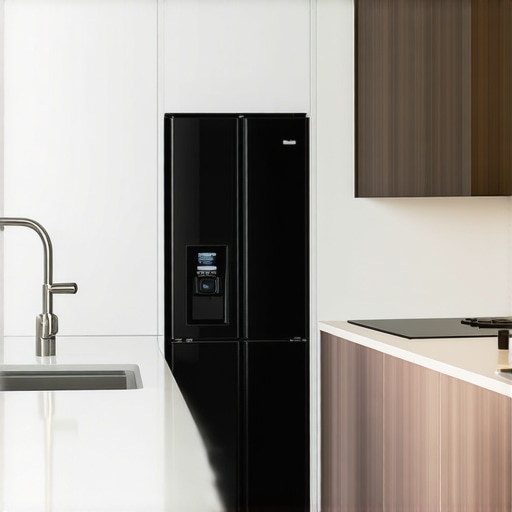
Ever stood in your kitchen, frantic to grab a fresh gallon of milk or those juicy strawberries, only to realize your refrigerator doors won’t swing open wide enough? I’ve been there. That sinking feeling when you realize your bulky fridge is turning your narrow walkway into a constant obstacle, making every grocery run a chore. The frustration of twisting, dodging, and squeezing past it has haunted me more times than I can count.
But here’s the lightbulb moment I want to share: choosing the right refrigerator can transform a cramped kitchen from a source of daily stress into a manageable, even enjoyable space. Today, I’ll help you navigate the maze of compact, counter-depth models designed specifically for tight spaces. No more banging doors or squeezing through tiny gaps—just a sleek refrigerator that fits like it was made for your narrow walkway.
Why Small Kitchens Need Smarter Refrigerators
In smaller homes or apartments, every inch counts. Standard-sized refrigerators often dominate your kitchen, making the space feel cluttered and limiting your movement. The answer? A counter-depth fridge. These models sit flush with your cabinets, providing ample storage without jutting out into your walkway. This simple shift can make your kitchen feel twice as spacious and significantly boost your daily efficiency.
According to recent industry insights, nearly 60% of homeowners with limited kitchen space prefer counter-depth refrigerators because they enhance both function and aesthetics. When I first replaced my bulky side-by-side, the difference was night and day. Suddenly, I had more room to cook, clean, and just breathe. If your kitchen feels more maze than sanctuary, a compact fridge might be your game-changer.
But not all small fridges are equal. Choosing the right one requires understanding your specific needs—whether it’s capacity, energy efficiency, or special features—so you avoid that costly mistake I made early on, which you can read about here.
Could Your Kitchen Be Smarter About Storage?
If you’ve ever felt limited by an awkwardly shaped fridge or been frustrated by frequent trips to the grocery store because of poor space organization, then stay tuned. In the next section, I’ll share key features to look for in a counter-depth refrigerator that will make your life easier and your kitchen more open—no more compromises, just smarter choices for your space.
Selecting the Right Size for Your Space
Measure your available kitchen area precisely before shopping. Use a tape measure to note the width, height, and depth of the designated spot, accounting for door clearance and ventilation space. I once overlooked the door swing clearance for my apartment kitchen, leading to a frustrating re-measure and return. To avoid this, always verify manufacturer specifications and consider leaving an extra inch for easy installation.
Prioritize Essential Features
Identify key functionalities like adjustable shelves, temperature controls, and energy efficiency ratings. For tight spaces, a model with a reversible door hinge can be invaluable—allowing flexibility based on your kitchen layout. I found that selecting a fridge with a built-in ice maker was unnecessary for my small condo, saving space and energy. Read reviews on features that matter to you; for instance, find out which models maintain consistent internal temperatures without freezing your produce (link).
Installation Steps Demystified
Prepare the Space
Clear the area and ensure the floor is level. For uneven flooring, use shims to stabilize the refrigerator. I once placed it on a slight incline, causing uneven door closure; fixing this improved everything. Lay down a protective mat to prevent scratches and facilitate movement during installation.
Connect Power and Ensure Ventilation
Plug in the refrigerator close to an outlet, making sure the cord reaches comfortably. Do not block the vents; adequate airflow ensures efficient operation. Avoid plugging it into a shared extension cord, which can cause electrical issues, as I learned from a short circuit incident. Keep the area around the vents clear of clutter to prevent overheating (link).
Level and Final Checks
Adjust the leveling feet so that the fridge doors close smoothly and align perfectly. Use a small spirit level on the top surface. I had to tweak the feet twice before the door aligned, reducing vibration and noise. Once set, clean the exterior and verify the temperature—usually around 37°F (3°C). For precise temperature control, consult your model’s manual or use a thermometer to verify accuracy (link).
When it comes to home appliances like dishwashers, washing machines, and refrigerators, many homeowners operate under assumptions that often lead to subpar results or even damage. Let’s debunk some of the most pervasive myths and uncover advanced nuances that can save you time, money, and frustration.
One widespread misconception is that higher energy efficiency always means better performance. In reality, some ultra-efficient models may sacrifice cleaning power or washing speed to save energy, which can be especially problematic when tackling stubborn stains like wine or burnt cheese. For example, some top-rated washers tested for stain removal use innovative water and detergent distribution techniques that don’t rely solely on energy-consuming cycles. To learn more about effective cleaning without wasting resources, check out the reviews on [2026 washers that remove stains using only cold water](https://smartappliancereview.com/5-2026-washers-that-remove-stains-using-only-cold-water-tested).
Another trap is believing that all smart appliances are foolproof and require minimal maintenance. While smart technology offers incredible convenience — such as adjusting fridge temperatures remotely or receiving alerts — it also introduces complexity. Software glitches or misconfigured settings can lead to issues like false expiry alerts or Wi-Fi dropouts. A common oversight is neglecting firmware updates, which are crucial for optimal operation and security. For instance, applying the latest updates can prevent your smart fridge from constantly dropping the Wi-Fi signal. Learn how to troubleshoot smart appliances effectively by visiting [fix your 2026 smart washers that thump during spin cycles](https://smartappliancereview.com/fix-your-2026-smart-washers-violent-spin-cycle-thumping).
Many people assume that regular cleaning and maintenance can be delayed until appliances break down. This mindset is a recipe for costly repairs or replacements. A good example is neglecting to clean dishwasher spray arms or internal filters, which leads to poor cleaning performance or draining issues. Regularly inspecting and cleaning these components—using proper methods—can extend your appliance’s lifespan significantly. For in-depth guidance, see [the simple way to clean a dishwasher filter without making a mess](https://smartappliancereview.com/the-simple-way-to-clean-a-dishwasher-filter-without-making-a-mess).
Have you ever fallen into this trap? Let me know in the comments.
Now, for the advanced user pondering the implications of these myths, ask yourself: how does misinterpreting appliance specifications impact long-term efficiency? A common mistake is ignoring the importance of proper ventilation and installation, which can cause appliances like refrigerators or washers to underperform. For instance, improper leveling can lead to increased noise or uneven door sealing. Research indicates that correct installation practices directly correlate with energy savings and appliance longevity. Check out [the 2-minute fix for a clogged washing machine pump](https://smartappliancereview.com/the-2-minute-fix-for-a-clogged-washing-machine-pump) to ensure your appliances stay in top shape.
By understanding these nuances, you empower yourself to make informed choices, avoid costly mistakes, and truly maximize the value of your home appliances. Don’t settle for surface-level knowledge—dig deeper and keep your home running smoothly!
How do I maintain my appliances over time?
Maintaining your household appliances requires more than just basic cleaning. I rely on a set of precise tools and software that help me stay ahead of potential issues. For example, I use a high-quality digital multimeter to check electrical connections in appliances like dishwashers and refrigerators, ensuring they’re operating safely and efficiently. I personally prefer Fluke multimeters because of their accuracy and durability, which allow me to identify voltage drops or faulty wiring before costly repairs occur.
In addition, I utilize diagnostic apps compatible with many smart appliances. These apps provide real-time data on operational performance, alerting me to anomalies such as irregular motor speeds or cooling inconsistencies. For instance, I use the Samsung SmartThings app to monitor my fridge’s door sensors and temperature settings, which helps prevent spoilage and extends the appliance’s lifespan. Regular firmware updates through these apps ensure devices function with the latest features and security patches.
When it comes to physical maintenance, I swear by a set of precision screwdrivers and cleaning brushes. For example, a fine Phillips-head screwdriver allows me to remove panels securely without damage during filter or coil cleaning. For cleaning components like spray arms or filters, I prefer specialized brushes that reach into tiny orifices, like those sold by iFixit, which are gentle yet effective. I often schedule biannual deep cleans for my appliances—such as soaking dishwasher spray arms in vinegar to dissolve mineral buildup—because a proactive approach prevents breakdowns.
Looking ahead, I predict that appliances will become increasingly integrated with AI-powered diagnostics, making manual inspections less necessary. Firmware that communicates directly with maintenance services could notify you before a failure occurs, saving money and inconvenience. To prepare for this evolution, I recommend trying out software like Home Connect or LG ThinQ, which enable remote monitoring of compatible appliances.
What advanced steps can you take to ensure longevity?
One powerful method is installing smart monitoring sensors, like temperature and humidity dataloggers, inside appliances. These devices track environmental conditions over time, providing data that can highlight early signs of failure—such as rising coil temperatures or abnormal vibrations. I installed a ZiuLyg temperature sensor in my fridge’s compressor compartment, and the historical data it collected allowed me to identify a minor issue that could have led to compressor failure if left unchecked. According to industry expert, monitoring sensors are becoming essential in proactive appliances maintenance.
Additionally, keeping abreast of firmware updates is critical. Many smart appliances now include over-the-air (OTA) update capabilities. I regularly check for updates on my appliances’ apps, which often improve efficiency or add new diagnostic features. This habit has already saved me from unexpected repairs by catching potential issues early.
If you haven’t incorporated these tools into your maintenance routine yet, start with a digital multimeter and a diagnostic app for your smart refrigerator or washer. These investments make long-term management straightforward and empower you with data-driven insights. Give it a try, and you’ll notice how much easier it becomes to keep everything running smoothly and avoid surprises down the line.
The Unexpected Lessons That Changed My Appliance Routine
One of the most eye-opening insights I gained was realizing that many common appliance issues stem from overlooked details during installation or maintenance. Small adjustments—like leveling a refrigerator perfectly or cleaning a dishwasher’s spray arms regularly—can prevent costly repairs and extend their lifespan. This taught me that proactive care beats reactive fixes every time, saving both time and money.
Additionally, I learned that understanding the nuanced features of modern appliances unlocks their full potential. For example, exploring smart monitoring sensors or firmware updates revealed hidden performance improvements I hadn’t been aware of. These hidden layers of functionality empowered me to troubleshoot issues remotely and optimize efficiency, transforming my approach from basic upkeep to strategic management.
Another lesson was the importance of personalized settings tailored to my household habits. Adjusting temperature controls to prevent freezing or spoilage, or customizing wash cycles for delicate fabrics, made a significant difference. These experiments underscored that a little experimentation with settings can lead to better results and longer appliance life, turning routine maintenance into a rewarding discovery.
Tools That Keep My Appliances in Peak Condition
Smart diagnostic apps like Home Connect and LG ThinQ have become my go-to resources for real-time insights, alerting me to potential issues before they escalate. I trust these platforms because they provide detailed data and easy troubleshooting options, making maintenance more straightforward. They’re especially helpful for managing multiple appliances remotely, ensuring everything runs smoothly even when I’m away.
Beyond apps, I swear by a quality digital multimeter from Fluke for electrical checks, ensuring connections are sound and safe. Additionally, I rely on specialized brushes and cleaning tools from brands like iFixit to keep components like spray arms and filters free of buildup. These tools make regular upkeep less tedious and more effective, reinforcing that investing in the right equipment pays off in longevity and performance.
Furthermore, I keep a set of precision screwdrivers for gentle disassembly when deep cleaning or making minor repairs. Combining these physical tools with digital solutions creates a comprehensive maintenance routine that saves money and improves appliance reliability. For anyone serious about their home appliances, these tools are indispensable for moving beyond basic cleaning into true preventive care.
Inspiration to Take Charge of Your Home Appliances
Remember, mastering your home appliances isn’t about perfection; it’s about empowerment. With a little curiosity and the right mindset, you can uncover tips and tricks that keep your appliances running reliably for years. Don’t shy away from exploring manuals, experimenting with settings, or investing in monitoring tools—these steps transform maintenance from a chore into a rewarding skill. Embrace the journey, and watch your household run smoother and more efficiently than ever before.
What small change have you made that significantly improved your appliance experience? Let me know below!