
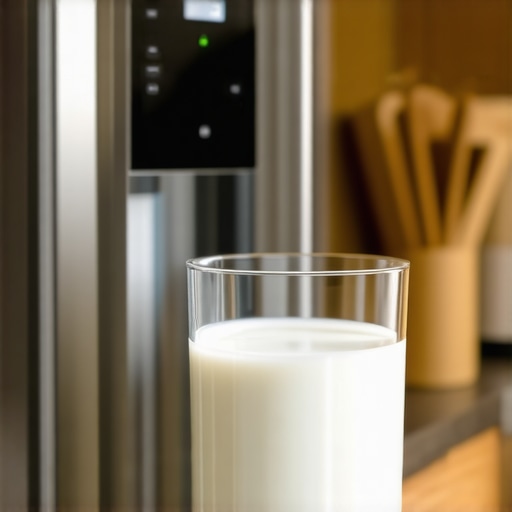
Imagine opening your fridge on a hot summer day, eager to grab a cold drink, only to find your milk turned into a solid block. Frustrating, isn’t it? That was me not long ago. I had always struggled to keep my milk cool without crossing the line into freezing territory. It took a few fruitless attempts, some online research, and a bit of trial and error before I cracked the code. If you’re tired of guessing and ending up with icy dairy, you’re in the right place. Today, I promise to share practical, easy-to-understand tips to help you set your fridge temperature perfectly—keeping everything fresh and preventing the dreaded freezer spill-over.
Why Your Fridge Temperature Matters More Than You Think
Running a fridge isn’t just about setting the thermostat and forgetting it. The right temperature is crucial—not only for food safety but also for preserving flavors and textures. Did you know that if your fridge is too cold, your milk can freeze, ruining its creamy consistency? Conversely, temperatures that are too high put your groceries at risk of spoilage, which can lead to waste and unnecessary shopping trips. It’s a fine balance that many overlook.
Understanding how your fridge works provides insight into why adjusting the temperature matters. Modern refrigerators are equipped with sensors and smart features that help maintain an optimal environment, but they aren’t foolproof. Early on, I made the mistake of assuming that setting the thermostat to a mid-level number was enough. Wrong. That often resulted in uneven cooling, especially if the fridge isn’t calibrated properly or if the placement of items affects airflow. For instance, placing hot leftovers directly in the fridge can cause temperature fluctuations.
What really helped me was realizing the importance of regular adjustments and monitoring. Using a simple appliance thermometer, I could check whether the actual temperature inside matched the setting. It’s fascinating how much difference a few degrees can make. According to food safety experts, keeping your fridge between 37°F and 40°F (3°C to 4°C) is ideal for most perishable items, including milk. If your fridge isn’t maintaining those temperatures consistently, it might be time to revisit your settings or examine the appliance itself.
Do you face the common dilemma of milk freezing even when you’ve set the thermostat to a “comfortable” level? If so, don’t worry—you’re not alone. In fact, many folks inadvertently set their fridge too cold, assuming colder is always better. But trust me, getting a handle on your fridge’s temperature can extend the life of your groceries and save you money.
Before diving into the exact steps of adjusting your fridge, I want to share a quick tip. One mistake I made early on was ignoring the placement of food inside the fridge. Items near the back or near the cooling vents can get colder than those at the front. For even cooling, keep your milk and dairy products towards the middle or upper shelves, where temperature is most consistent.
Now that the importance is clear, let’s explore how to fine-tune your fridge temperature for perfect preservation without risking a frosty mishap. It’s simpler than you think—and you’ll be surprised how small adjustments can make a big difference.Adjusting your fridge temperature might seem like a minor tweak, but it significantly impacts food preservation. First, locate your fridge’s thermostat—usually inside the door or at the back wall. Use a reliable digital thermometer placed on the middle shelf to measure the actual temperature; I learned this lesson after consistently overestimating my fridge’s setting, leading to partially frozen milk. Set the thermostat to around 37°F (3°C) to 40°F (4°C) for optimal freshness, but remember, not all fridges respond uniformly. Think of your fridge as a miniature climate zone—small changes in dial settings can create a big temperature shift. After adjusting, wait at least 8 hours before rechecking the temperature to allow the environment to stabilize. If you notice uneven cooling or persistent issues, evaluate airflow obstructions, like overcrowding or blocked vents. For a more precise setup, some modern refrigerators allow Wi-Fi calibration or smart app tuning, similar to how smart dishwashers adjust based on load size. If necessary, consult your user manual or visit [this guide](https://smartappliancereview.com/why-your-2026-smart-fridge-ai-keeps-deleting-your-shopping-list) for advanced calibration tips. Remember, the goal is to keep the temperature steady without risking freezing or spoilage. If your milk keeps turning into ice despite correct settings, consider repositioning it toward the middle shelves away from freezer vents, which can be hotspots for cold drafts. Regularly inspecting and calibrating your fridge using an accurate thermometer ensures your produce stays fresh, your dairy doesn’t turn icy, and your energy bill stays reasonable. Proper temperature control is a small adjustment with big benefits—you’ll notice your groceries lasting longer and tasting better every time.When it comes to home appliances like dishwashers, washing machines, or refrigerators, many homeowners rely on popular beliefs that aren’t quite accurate. For example, many assume that newer, smarter appliances are always better, but in reality, some advanced features can create more confusion than convenience, especially if not properly configured. One common myth is that running appliances at higher cycles or longer durations always results in cleaner results; however, overdoing it can cause unnecessary wear and energy consumption, which experts warn against.
Are Smart Appliances Truly Smarter or Just More Complicated?
Many believe that smart appliances automatically optimize their performance, but this isn’t always the case. Often, misconfigured settings or outdated firmware reduce their efficiency. For instance, a smart dishwasher left with default factory settings may not perform optimally, leaving dishes less clean, especially if the sensor calibration is off, according to industry studies. It’s vital to understand that smart features require proper setup and maintenance to truly offer their benefits. Moreover, homeowners frequently neglect basic maintenance, which can lead to costly issues down the line. For instance, ignoring the clogging of filters or buildup in water jets drastically reduces appliance lifespan and efficiency. A common mistake is believing that newer models don’t need manual cleaning, but regular upkeep is essential regardless of the age or sophistication of the device. Be cautious of the trap where homeowners think every minor issue is a warranty problem or a replacement need; often, simple troubleshooting, such as cleaning spray arms or sensors, resolves the problem. To avoid these pitfalls, I recommend regularly consulting your appliance manuals or trusted resources like [this guide](https://smartappliancereview.com/why-your-2026-dishwasher-cuts-out-early-3-sensor-fixes), which explain common issues and fixes. Overlooking these subtle nuances can cost you time, money, and frustration. Keep in mind that even the most advanced smart home integrations require periodic updates and calibration—akin to tuning a musical instrument. Failing to do so might result in subpar performance, negating the advantages of modern technology. Remember, the devil is in the details. For example, ensuring your refrigerator’s internal sensors are clean and properly positioned can prevent uneven cooling or unwanted freezing, which many overlook. If your appliances aren’t behaving as expected, it’s often a matter of adjusting simple settings or performing minor maintenance rather than replacing entire units. Have you ever fallen into this trap? Let me know in the comments. Fine-tuning your appliances by understanding their real capabilities and limitations ensures you get the most out of your investment, extending their lifespan and maintaining efficiency.Maintaining your home appliances is crucial for ensuring longevity, efficient performance, and saving money over time. Having the right tools and adopting systematic routines can make all the difference. For instance, I highly recommend investing in an accurate digital multimeter. I personally use the Fluke 115—it’s reliable, precise, and easy to handle, which is vital when troubleshooting appliances like refrigerators or washing machines. Regularly testing power supplies, sensors, and connections with a multimeter helps catch issues early before they escalate into costly repairs.
Another invaluable tool is a microfiber drain cleaning brush. Over time, filters and drains in dishwashers and washing machines can clog, reducing efficiency. I use a narrow, flexible brush to clean out microplastics and debris from filters and internal drains. This simple step prevents water pooling, odors, or even machine failure. For example, cleaning your dishwasher’s spray arms with a dedicated spray arm cleaning tool ensures they don’t get blocked, maintaining optimal cleaning performance. You can find some excellent options tailored for different appliance models, which I detail in my recommended resources.
Software monitoring plays a growing role in appliance maintenance. For smart devices, I rely on manufacturer apps that provide real-time diagnostics and firmware updates. These apps often detect anomalies early—like an AI fridge misreading its interior temperature or a washer encountering sensor glitches. Regularly updating firmware, which can be done automatically on most smart appliances, is key to keeping them running smoothly. Remember, manufacturers often release patches that fix bugs or improve performance, so enabling auto-updates is a smart move.
To keep your appliances performing long-term, schedule routine checks every few months. This includes inspecting door seals, cleaning vents, and verifying that the control panels respond correctly. For refrigerators, making a habit of inspecting drainage channels and defrosting components prevents water pooling and internal damage. For example, I regularly use a gentle, non-abrasive plastic scraper to clear ice build-up around door gaskets and vents, which you can learn to do effectively during a quick online tutorial.
Looking ahead, I predict that the integration of AI-powered diagnostics will become more affordable and sophisticated. This will enable even casual homeowners to perform advanced troubleshooting without needing to call a technician immediately. As a preemptive step, I recommend trying out the advanced calibration features on your smart refrigerator, like Wi-Fi calibration, to optimize cooling and energy efficiency—something I cover extensively in my guides.
How do I maintain my appliances seamlessly over time? It boils down to regular inspections, using the right tools like a digital multimeter and specialized cleaning brushes, and leveraging smart app diagnostics. Investing in these tools and routines has saved me hundreds in repair costs and kept my appliances running like new. For detailed instructions on fixing common issues, check out resources like [this guide](https://smartappliancereview.com/why-your-2026-smart-fridge-ai-keeps-deleting-your-shopping-list). I encourage you to select one routine maintenance tip—perhaps calibrating your fridge with a digital thermometer—and make it a monthly practice. Small efforts today ensure your appliances serve you well tomorrow.
The Hidden Lessons Appliance Manuals Won’t Teach You
One of the biggest lightbulb moments I experienced was realizing that appliance companies often omit small but vital details in their manuals. For instance, I learned that many smart refrigerators have calibration settings buried deep in menus, which, if left untouched, can cause inconsistent cooling or freezing of items like milk. Discovering that my fridge’s internal sensors needed occasional recalibration was a game-changer. Also, I found out that smart features can be turned off or adjusted through dedicated apps, giving me more control over performance. Lastly, I realized that regular maintenance routines, like cleaning condensers or replacing water filters earlier than scheduled, significantly extend appliance lifespan. These lessons have saved me money and frustration, proving that deep-diving into your appliance’s lesser-known features offers real value.
Enhance Your Home with a Smarter Approach to Appliances
To truly get the most from your appliances, develop a routine that combines practical tools and trusted resources. My go-to toolkit includes a reliable digital thermometer—I’m partial to the Fluke 115 for its precision—allowing me to verify that my fridge stays within the optimal 37°F to 40°F (3°C to 4°C) range. Regularly cleaning out clogged spray arms is another vital step; I use a flexible microfiber brush for that. For smart appliances, I depend on manufacturer apps for diagnostics and firmware updates, ensuring products operate smoothly. For instance, I check the firmware of my smart washer regularly to prevent glitches and improve efficiency. Moreover, following detailed guides from reputable sources like [this comprehensive guide](https://smartappliancereview.com/why-your-2026-smart-fridge-ai-keeps-deleting-your-shopping-list) has helped me troubleshoot issues efficiently, saving time and money. A proactive maintenance plan, blending these tools and resources, enhances appliance longevity and performance.
Your Next Step Toward Better Appliance Care
Embracing precise, routine care of your appliances can transform your home experience and reduce unexpected expenses. Think of it as investing a little time now to enjoy hassle-free, efficient appliances—ones that serve you reliably for years. Don’t be afraid to experiment with calibration settings, check for firmware updates, or perform simple cleanings; these small efforts make a big difference. Remember, the future of appliance maintenance is leaning toward smarter diagnostics and user empowerment, so staying informed today puts you ahead tomorrow. Take control, learn the nuances, and enjoy the benefits of appliances that work better—every single day.
Now, I’d love to hear from you. Have you ever struggled with setting your fridge temperature just right? Or perhaps discovered a hidden feature that improved your appliance’s performance? Share your experiences below and let’s learn together!