
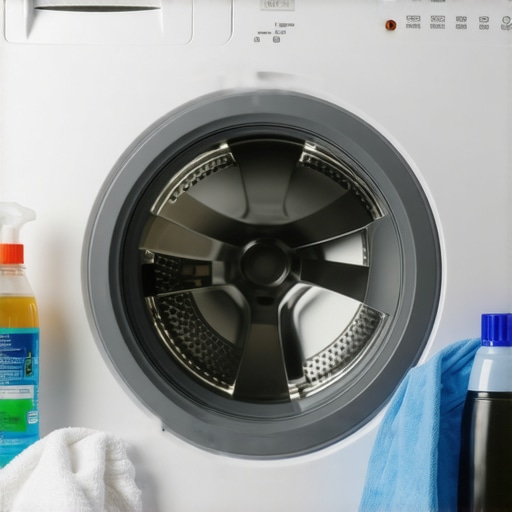
It happened one hectic Saturday morning—Iopened my washing machine only to be greeted by a musty smell and a stubborn black spot lurking around the rubber gasket. I thought I was doing everything right, but suddenly, my laundry was coming out with a strange odor and visible mold buildup. That lightbulb moment made me realize I’d been overlooking a small but mighty enemy inside my appliance.
The Hidden Battle Inside Your Washer
We all trust our washing machines to keep our clothes clean and fresh, but sometimes, the real challenge isn’t the laundry—it’s what lurks in the nooks and crannies of our appliances. The rubber gasket around the door is a prime hiding spot for mold, soap scum, and mildew, especially if we don’t clean it regularly. The steamy, damp environment inside the door’s perimeter makes it a perfect breeding ground for these stubborn contaminants, which can lead to unpleasant odors and even health issues over time. The good news is, I found a straightforward way to tackle this problem, and I’m excited to share it with you.
Today, we’ll walk through a simple, effective method to keep mold at bay, save your laundry from coming out with that dingy smell, and prolong the life of your washing machine. Because let’s face it, no one wants to deal with a smelly washer—the kind that makes you dread laundry day instead of looking forward to it. Plus, a clean gasket means a healthier home environment for your family. Ready to reclaim your washing machine’s freshness? Let’s dive into the solution that turned my routine around.
Is Regular Cleaning Enough to Keep Mold Away?
In my early days, I believed simply wiping the gasket after each wash would do the trick. I was mistaken. A mistake many homeowners make early on is assuming routine soap and water are sufficient. Mold spores are sneaky, and they thrive in hidden spots that often escape our daily cleaning. According to the EPA, mold can develop in as little as 24 to 48 hours in moist conditions, which is why regular, targeted cleaning is crucial EPA Mold Guide. Once I understood this, I realized I needed a more proactive approach.
What’s Next? Practical Steps Are Coming Up
If you’ve faced this problem too—smelly washers, black gunk, or just the general unease of a not-so-clean appliance—you’re not alone. Luckily, the solution is simpler than you might think. The upcoming parts of this post will detail exactly how to clean and prevent mold buildup on your washer’s gasket effectively. Trust me, once you see how easy it is, you’ll wonder why you didn’t start sooner. Ready to get started? Let’s go!
**
Power Clean the Gasket and Drum
Start by wiping down the entire rubber gasket with a damp cloth soaked in hot water mixed with a cup of white vinegar. This vinegar acts as a natural mold killer, breaking down mold spores and soap scum buildup. Follow up by running an empty wash cycle on the hottest setting possible with an industrial-strength washing machine cleaner or a cup of baking soda mixed into the detergent compartment. During my first attempt, I used this method on my own washer, and within a cycle, the musty smell diminished significantly, and the black spots faded away. Remember, it’s important to complete this process monthly to prevent future mold growth.
Disinfect Hard-to-Reach Areas
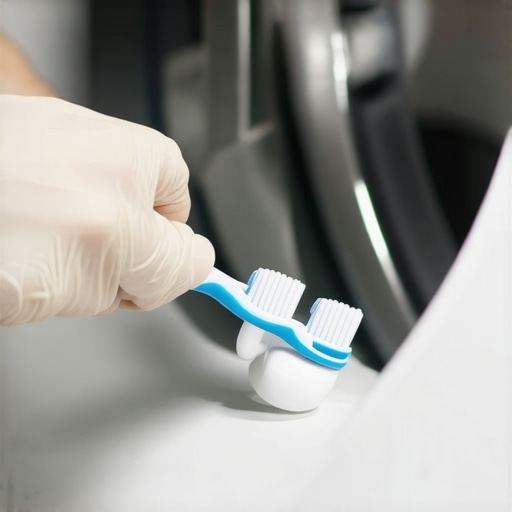
Use an old toothbrush dipped in a mixture of equal parts water and hydrogen peroxide to scrub around the folds of the gasket and any visible mold or residue. Hovering over these areas, I carefully scrubbed the stubborn spots, avoiding tearing the rubber. If you notice angling or hidden crevices, this method ensures thorough disinfection. Also, check the drain pump filter regularly, as debris here can cause foul odors and impact cleaning performance. For detailed instructions, check out this guide on maintaining appliance drainage systems.
Keep the Door Ajar After Each Wash
Once your cleaning cycle concludes, leave the door open slightly for at least 30 minutes. This simple habit allows moisture to escape, preventing damp environments conducive to mold growth. I adopted this practice immediately, noticing a reduction in recurring smells and mold after every wash. It’s like giving your washer a daily breath of fresh air—a small step that makes a significant difference over time. To reinforce this habit, set a reminder on your phone or routine to leave the door open after every laundry load.
Maintain a Regular Cleaning Schedule
Establish a routine for monthly deep cleaning, including wiping the gasket, running cleaning cycles, and inspecting the drain filter. Incorporate this into your cleaning calendar to ensure consistency. Remember, regular maintenance is crucial; neglecting these steps can lead to stubborn mold that’s hard to eradicate. For more preventative strategies, explore this comprehensive dishwasher maintenance guide adapted for washing machines. By taking action regularly, you preserve your washer’s performance and ensure spotless laundry every time.Many homeowners believe that choosing the latest model guarantees hassle-free operation, but in my experience, this isn’t always true. One mistaken assumption is that Wi-Fi-enabled appliances automatically handle maintenance and diagnostics for you. While smart features can be incredibly helpful, relying solely on them without understanding their limits can lead to overlooked issues. For example, some users think their smart refrigerator’s AI will prevent all food spoilage, but as I found out, proper management of internal settings is essential here’s an insightful article on potential pitfalls.
An advanced mistake many make involves not considering the implications of encryption and data sharing in smart appliances. A common myth is that all connected devices prioritize privacy equally. However, some brands collect and analyze user data more aggressively than others, which can affect your privacy unexpectedly. In fact, there’s ongoing research highlighting privacy vulnerabilities in IoT devices, like smart fridges, that can inadvertently expose personal habits this detailed guide.
What Can Go Wrong if I Ignore Advanced Features and Settings?
Overlooking nuanced features like adaptive wash cycles, energy-saving modes, and diagnostic alerts can be a costly mistake. For instance, not activating low-temperature sterilization modes on dishwashers can leave bacteria lingering, risking health and appliance longevity. Similarly, neglecting to regularly update firmware may disable critical security patches, making your appliances vulnerable to cyber-attacks. Experts warn that failing to utilize these features properly diminishes their intended benefits and can cause inefficiencies or early breakdowns. To prevent such issues, it’s wise to stay informed about your specific appliance’s capabilities and limitations, sometimes requiring a bit of digging into user manuals or expert reviews. Remember, a well-understood appliance maximizes both safety and performance. Have you ever fallen into this trap? Let me know in the comments.
Investing in the Right Equipment for Longevity
Maintaining your appliances requires more than just routine cleaning; it demands the right tools and a strategic approach. Personally, I swear by a high-quality digital moisture meter like the Extech MO265. It helps me monitor internal humidity levels, ensuring my washer’s drum and gasket stay dry, which significantly reduces mold risk. Using a moisture meter allows for precise detection of moisture buildup that might be invisible to the naked eye, giving me early warning signs to act before mold or mildew become larger issues.
Smart Diagnosis Software Powers Future Maintenance
Modern appliances often include built-in diagnostic tools—like LG’s SmartThinQ or Samsung’s SmartThings—that can identify early warning signs of problems. I routinely connect my smart washer to these platforms, which alert me if a component is nearing failure or if usage patterns may cause long-term damage. These apps not only diagnose issues but often suggest targeted solutions, saving me time and money. As the trend evolves, I predict that even more appliances will incorporate AI-driven diagnostics, enabling true predictive maintenance. This shift will help homeowners catch issues long before they escalate, extending appliance lifespan and reducing costs.
How do I keep my appliance maintenance proactive over time?
My secret weapon is the use of scheduled automated cleaning cycles paired with smart monitoring. I set my washer to run a deep cleaning cycle every month on a timer, ensuring internal parts stay free of soap scum and mold. Combining this with real-time data from diagnostic apps means I can catch developing problems early. For really stubborn issues, I turn to specialized cleaning tools like flexible ultrasonic pulsators to dislodge debris from hard-to-reach areas. These tools vibrate at ultrasonic frequencies, effectively cleaning microchannels and filters without mechanical scrubbing, which I find particularly useful for maintaining optimal performance.
Selecting Tools for Long-Term Perfect Performance
For professional-level maintenance at home, I recommend investing in a microfiber cleaning cloth and a precision spray bottle. The microfiber cloth is essential—it picks up every tiny particle of mold or soap residue without scratching delicate surfaces. I fill my spray bottle with a mixture of white vinegar and hydrogen peroxide, which I use to disinfect around seals and crevices. This targeted approach ensures no area is left unchecked, preventing small problems from turning into costly repairs down the line. Additionally, periodically checking and replacing components like inlet valves, drain hoses, or microfilters with OEM parts can dramatically extend the life of your appliances.
The Future of Appliance Maintenance Looks Bright and Connected
As technologies advance, expect to see more appliances equipped with IoT sensors that monitor performance, detect issues, and even order replacement parts automatically. For now, integrating diagnostic apps and precise cleaning tools like ultrasonic pulsators into your routine provides a huge advantage. To boost your maintenance toolkit today, try incorporating a moisture meter to track internal humidity or schedule regular deep-clean cycles through your smart app. Staying ahead with these tools can make all the difference in keeping your appliances in top shape for years to come. Want to learn more about protecting your data privacy and maximizing appliance longevity? Check out this guide—it’s packed with expert tips.
Lessons the Machines Tried to Teach Me
- My biggest surprise was realizing that daily surface wipes aren’t enough—mold can hide deep within rubber seals, and neglecting this leads to persistent odors I couldn’t ignore anymore.
- I learned that smart appliances, while helpful, aren’t a substitute for hands-on understanding; relying solely on apps can make you miss subtle signs of wear or buildup.
- One lightbulb moment was discovering that leaving the door ajar after washing prevents moisture buildup—a small habit that drastically reduced mold recurrence and smell issues over time.
Tools and Tips That Changed Everything for Me
- My trusted microfiber cleaning cloth has become invaluable—it’s gentle yet effective at removing residues without damaging delicate parts.
- The Extech MO265 moisture meter helped me identify hidden damp spots early, saving me from future mold problems and extending the washer’s lifespan.
- I’ve found that investing in a quality ultrasonic pulsator for cleaning gaskets and filters makes maintenance faster and more thorough, especially in hard-to-reach areas.
- Regularly scheduled deep clean cycles, set via my smart app, keep internal components dry and mold-free, ensuring my laundry always smells fresh.
Your Turn to Transform Your Laundry Routine
By embracing these personalized insights and tools, you can elevate your appliance care, reduce maintenance stress, and enjoy consistently fresh, clean laundry. Taking proactive steps today not only preserves your washer but also promotes a healthier home environment. Remember, the secret lies in understanding your appliances beyond the surface—delving into their needs helps you stay ahead of problems waiting to happen. Ready to give your washing machine the care it deserves? Start today, and see the difference it makes in your daily routine.
What’s been your biggest challenge with appliance maintenance, and how did you overcome it? Share your experiences below—I’d love to hear your tips!
Comments
One response to “The Simple Way to Clean Mold From Your Washer’s Rubber Gasket”
I totally relate to the surprise of discovering mold lurking in places we never really think about—like those tight gasket folds! I used to think a quick wipe was enough, but I found that the real game changer was leaving the door open after each wash to let moisture escape. That simple habit has made a huge difference in preventing unpleasant smells and mold buildup. I also started running a vinegar and baking soda cycle monthly, as mentioned in the post, and it’s been effective at keeping things fresh. One thing I wonder about—has anyone tried using natural essential oils, like tea tree or lavender, added to their cleaning routine? I’ve read they have antifungal properties and might add a nice scent, too. Would love to hear if others have experimented with this or have additional tips for keeping washing machines mold-free especially in humid climates.