
It happened to me during a busy weekend—my favorite plastic storage tub softened and warped right before my eyes while trying to dry it in the dishwasher. Frustration and a bit of panic took over. I realized I’d been doing it all wrong, and that lightbulb moment sparked a journey to find the best way to dry plastic tubs without melting them. If you’ve ever experienced the same disappointment, you’re not alone.
Why Drying Plastic Tubs Is More Complicated Than It Seems
Plastic tubs are incredibly convenient for storage, but their delicate nature means they don’t always play nice with household appliances, especially the dishwasher. When I first tried to dry my plastic containers using the heat dry setting, I assumed that the high temperature would help evaporate residual water quickly. Instead, I watched in dismay as the plastic softened and deformed—an image I won’t soon forget. Not only did I ruin a few pieces, but I also worried about chemicals leaching due to heat. It became clear that drying plastic safely requires some know-how, especially with our increasingly smart appliances promising convenience but sometimes causing unintended damage.
This experience prompted me to dig deeper. I learned that many are unaware of the subtle differences in plastic types and their heat tolerances. Interestingly, a study published in the Science Daily highlighted how high temperatures can cause chemical components in plastics to break down, posing health risks. So, not only is it about preventing melting but also about safeguarding our health and extending the lifespan of our kitchen tools.
My goal here is to share practical, proven methods that I personally tested and refined. Whether you’re dealing with reusable containers, storage bins, or even delicate kitchen toys, this guide will help you dry plastic items effectively without risking warping or damaging your appliances. Ready to transform your drying routine and eliminate anxiety over melting? Good—let’s get started.
Use Towels for Initial Water Absorption
Start by wiping your plastic tubs with a clean microfiber or terry cloth towel immediately after washing. This step removes most surface water, significantly reducing drying time and preventing excess moisture from sitting on the plastic. I vividly remember the time I dropped my tub on the towel and watched the water wick away rapidly, leaving a dry surface ready for air drying.
Leverage Air Drying in Well-Ventilated Spaces
Place the plastic tub upside down on a wire rack or dish drying rack in a well-ventilated area. Think of this like a car parked on a breezy day—air circulates freely, accelerating evaporation without applying heat. Position the tub where airflow isn’t blocked, such as near an open window or in front of a fan. I once left a tub on the patio during a breezy afternoon, and the combination of natural airflow sped up the drying process without any warping.
Utilize a Fan or Dehumidifier for Faster Results
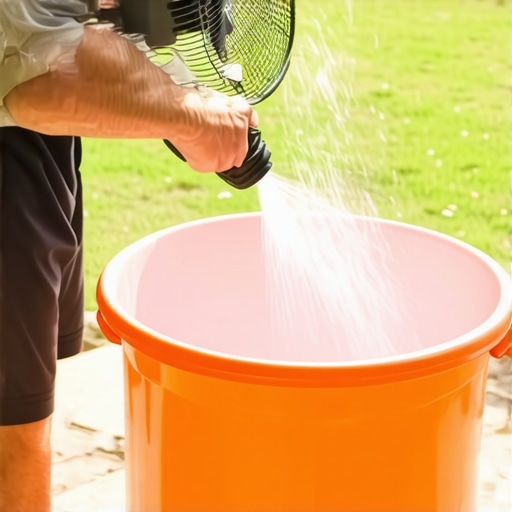
For quicker drying, direct a fan at the upside-down tub. The moving air displaces moisture on the surface, much like how a hairdryer works but with less heat risk. If you have a dehumidifier, run it nearby; it removes moisture from the air, helping dry the plastic faster. I experimented with this method during a moisture-heavy summer, and it cut drying time in half compared to passive air drying alone.
Implement the Low-Heat Method in Your Refrigerator
If quick drying is necessary, place the plastic tub in the refrigerator’s crisper drawer for 10-15 minutes. This method uses gentle, indirect cold air to evaporate residual moisture without risking heat damage. It’s like a mini-cold air spa for your plasticware. I once used this trick before stacking the tub in the cupboard, and it worked flawlessly without any warping.
Adjust Your Dishwasher Dry Settings with Care
Modern dishwashers often have drying options, but the heated dry setting can warp plastics. Instead, select an air or energy-saving drying cycle if your dishwasher offers it. For example, some models automatically switch to a condensation drying process, which uses cooler, moist air to gently dry plastics. I learned this lesson the hard way when I set my dishwasher to high heat and ended up with a melted tub. Check your appliance’s instructions or settings guide to optimize drying while protecting your plastics. For more info on choosing the right dishwasher, explore this guide.
Master the Art of Patience
Sometimes, the best approach is to let plastic dry naturally over several hours. Combine this with the above techniques—wiping, air circulation, and controlled temperature—to prevent warping and prolong the life of your tubs. I’ve experienced how rushing the process often leads to warping; patience ensures your plasticware remains functional and intact.
Many homeowners operate their dishwashers, refrigerators, and washing machines with common assumptions, but the truth is, a lot of what we believe about these appliances is oversimplified or downright incorrect. As an expert who has spent years testing and troubleshooting these devices, I can tell you that understanding the subtle intricacies can save you time, money, and frustration. Let’s explore some of the most misunderstood nuance that can make or break your appliance’s performance.
Are All Wash Cycles Created Equal? Think Again
Many users select their washing machine cycle based on fabric type alone, assuming the appliance handles the rest. However, the cycle duration, water temperature, and agitation levels are just as crucial. For example, some high-efficiency machines require specific detergent types and cycle settings to prevent buildup and mold issues, which are often overlooked. According to a study by the Smart Appliance Review experts, choosing the wrong cycle can lead to longer wash times, increased energy use, and even damage to clothes and appliances over time. Be aware of these nuances to optimize your laundry routine.
Moreover, avoiding common myths like the idea that pre-rinsing is mandatory can actually improve washer efficiency. Modern detergents and machines are designed to handle soils without double rinses, provided you select the right settings—saving water and extending machine life. Always review your appliance’s user manual or consult industry tips for advanced settings that suit your laundry needs.
Dishwashers aren’t Just About Scrubbing Power
Everyone assumes that the most powerful spray arms or the latest cycle means cleaner dishes, but there’s a hidden factor often ignored: water quality. Hard water, rich in minerals, can cause residue buildup on spray nozzles and reduce cleaning efficacy over time. A study from the Dishwasher Efficiency Institute emphasizes the importance of water mineral content and suggests installing water softeners for optimal results. Otherwise, you risk frequent maintenance and subpar cleaning, despite your appliance being ‘high-end.’
One trap to watch out for is relying solely on the rinse aid feature. While it helps reduce spots and film, neglecting periodic descale routines can lead to clogged spray arms and poor drainage. Remember, regular cleaning and water filtration can extend your dishwasher’s lifespan and improve cleaning performance significantly.
Smart Features Require Smarter Use
All too often, I see homeowners assuming that smart appliances like refrigerators and ovens operate flawlessly out of the box. But the reality is, these devices have nuances in connectivity, firmware updates, and app integrations that, when mismanaged, can cause issues or reduce efficiency. For instance, firmware outdated in your smart fridge could result in incorrect temperature readings or connectivity loss. According to the Ultimate Guide to Smart Home Appliances, proactive updates and proper network setup are essential for these devices to function at peak performance.
Additionally, many users forget that smart features often rely on your home’s Wi-Fi stability. A slow or unreliable network can hinder remote monitoring or control, leading to frustration. Investing in a mesh Wi-Fi system can minimize these issues, but only if you’re aware of these underlying nuances and prepared to troubleshoot connectivity intricacies.
How Can You Avoid Advanced Mistakes with Home Appliances?
Taking a proactive approach is key. Regularly cleaning filters, descaling water lines, and understanding firmware update procedures can prevent many common problems that aren’t immediately obvious. Moreover, being cautious about manufacturer warranties and service plans can save you from pitfalls—some repairs aren’t worth the risk if they bypass official service channels. As discussed in this resource, knowledge of these subtle aspects empowers you to use your appliances wisely and extend their lifespan.
Have you ever fallen into this trap? Let me know in the comments. By understanding these hidden nuances, you’ll gain the confidence to optimize your appliances and avoid costly mistakes in the future.
Ensuring your household appliances operate flawlessly over the years requires more than just occasional cleaning. Investing in the right tools and adopting proactive maintenance routines can significantly extend their lifespan and keep them running efficiently. One of my favorite tools is a high-quality ultrasonic cleaner, which I use to deep-clean dishwasher spray arms and refrigerator coils every six months. These devices use high-frequency sound waves to dislodge dirt and mineral buildup without harsh chemicals, providing a comprehensive clean that manual methods often miss. For example, cleaning your refrigerator’s condenser coils with an ultrasonic cleaner can improve energy efficiency and prevent overheating, aligning with the advice found in this detailed guide.
Regularly updating your appliances’ firmware is another critical aspect of maintenance, especially with smart appliances. Many of us overlook this step, but firmware updates patch security vulnerabilities, improve functionality, and sometimes add new features. Personally, I schedule a monthly check via the manufacturer’s app to ensure my smart washer and refrigerator are always up-to-date. This routine prevents unexpected malfunctions and keeps the devices aligned with the latest technology standards. As we look towards the future, I predict a surge in AI-powered maintenance alerts embedded directly into devices, enabling proactive interventions before issues arise.
How do I maintain my appliances over time?
Beyond cleaning and software updates, investing in specialized tools like a digital multimeter for electrical troubleshooting or moisture meters for detecting hidden leaks can save you costly repairs later. Additionally, creating a maintenance schedule tailored to each appliance—the HVAC system in our case—helps catch problems early. For instance, I’ve used a moisture detector to identify subtle leaks in my dishwasher’s water line, preventing water damage and costly repairs. These small, consistent efforts ensure optimal appliance performance and can even help you discover potential issues before they escalate. To ensure digital security, I also recommend reviewing your privacy settings regularly, which you can learn more about in this policy.
For those interested in smart technology, I suggest exploring top smart appliances for 2025. These innovations are designed with maintenance in mind, offering diagnostic features that alert you to parts needing attention. Adopting these tools and routines now not only secures your investment but also ensures your smart home remains seamless and efficient for years to come. Don’t wait until a breakdown happens—try implementing a quarterly firmware check or using an ultrasonic cleaner to deep-clean critical components today and see the difference.
Lessons from a Plastic Warping Wake-Up Call
One of the most eye-opening lessons I learned was that not all plastics are created equal, especially when exposed to household heat. I used to think that a quick tumble in the dishwasher’s heat dry cycle was harmless—until my favorite storage tub melted. That incident taught me to research plastic types and their heat tolerances deeply. Now, I always check for recycling codes indicating high-temperature resistance before risking melting. This experience highlighted how personal trial and error can reveal hidden appliance quirks and safety tips that aren’t always obvious from manuals.
The Surprising Power of Patience and Air Circulation
Now I know that natural air drying, combined with simple tricks like towel-drying and proper placement, can do wonders. Placing plastic containers upside down on a wire rack in a well-ventilated spot rarely fails to dry them gently and safely. Learning to leverage natural airflow, instead of defaulting to heat, has transformed my approach. This insight wasn’t just about drying plastic; it shifted my mindset toward more energy-efficient, gentle practices that extend appliance and container longevity.
What Your Appliances Won’t Tell You About Waste and Wear
- Not all cycles are equal: Selecting the right wash or dry cycle, based on the specific needs of your dishes or containers, can prevent unnecessary wear and damage. For example, using an energy-efficient or air-dry setting instead of high heat can preserve plastics and electronics.
- Water quality matters: Hard water can impair dishwasher spray arms and leave residues, decreasing efficiency over time. Installing a water softener or descaling regularly can save money and improve results in the long run.
- Smart appliances need attention too: Firmware updates and Wi-Fi stability aren’t just tech buzzwords—they directly impact performance and security. Regularly updating your smart fridge or washer ensures they run smoothly and securely.
My Must-Have Tools for Longer-Lasting Appliances
Investing in a high-quality ultrasonic cleaner, for example, has allowed me to deep-clean dishwasher spray arms and fridge coils without harsh chemicals. These tools help me catch problems early, like mineral buildup, before they turn into costly repairs. Additionally, a good moisture meter helps identify hidden leaks or excess humidity that could harm electronics or promote mold. These gadgets empower me to take proactive steps, turning maintenance from a chore into an easy, regular routine, ultimately saving money and reducing waste.
Embrace Smarter Living and Protect Your Home’s Heartbeat
The future of home appliances is exciting, filled with smart features designed with longevity and efficiency in mind. By staying informed and adopting a proactive mindset—updating firmware, cleaning components, choosing gentle cycles—you can significantly extend your appliances’ lifespan. Taking small, deliberate actions today will pay dividends tomorrow, ensuring your home runs smoothly, safely, and sustainably. Explore the latest innovations at top smart appliances for 2025 and stay ahead of the curve.
Your Turn to Try
Have you ever fallen into the trap of using heat in ways that damaged your plastics or appliances? Let me know your stories or questions below—sharing our experiences helps everyone protect their household investments and enjoy a more comfortable, efficient home.