
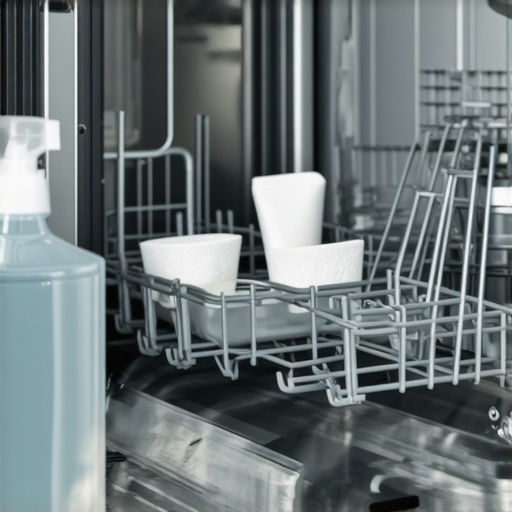
It happened to me one hectic Tuesday morning. I had just finished my morning coffee, loaded the dishwasher, and hit start—only to open it the next day to a stubborn, dark stain creeping along the interior walls. I thought, “How did coffee—just coffee—manage to cling so stubbornly?” That little mishap sparked a whole new quest for me. Because let’s be honest, a dishwasher is supposed to make life easier. Not turn into an art canvas for stubborn coffee spots.
Why Coffee Stains Turn Your Dishwasher Into an Unwanted Canvas
Coffee stains in your dishwasher might seem like a minor annoyance, but they can actually point to deeper issues like mineral buildup, soap scum, or even mold. And the problem gets worse over time. If left unaddressed, these stains can lead to unpleasant odors and even affect how clean your dishes come out.
The good news is, I’ve discovered that these coffee marks are not invincible. With the right cleaning techniques and a little know-how, you can restore your dishwasher’s interior to spotless—and actually keep it that way.
Skeptical? Think It’s Too Hard to Clean Stubborn Stains?
Believe me, I made my fair share of mistakes early on. I used harsh chemicals that damaged parts of my dishwasher or just moved the stains around without removing them. It’s easy to fall into the trap of thinking that tough stains are a lost cause. But with proper guidance, cleaning your dishwasher interior can become a manageable, even satisfying task.
According to appliance experts, neglecting these stains not only diminishes your appliance’s efficiency but may also lead to costly repairs down the line. So, it’s worth tackling this problem head-on!
In the following sections, I’ll walk you through simple, proven steps to eliminate coffee stains, drain those stubborn messes, and keep your dishwasher pristine. If this sounds familiar, keep reading—we’re about to turn that messy spot into a thing of the past. And if you want to stay ahead of appliance issues, check out some of my favorite tips on [choosing the right refrigerator for your home](https://smartappliancereview.com/choosing-the-right-refrigerator-tips-from-industry-experts) to keep your entire kitchen running smoothly.
Deep-Clean the Interior with a Vinegar and Baking Soda Solution
Start by removing all dishwasher racks and trays to access every corner. Use a cup of white vinegar poured into a dishwasher-safe bowl placed on the top rack, then run a hot water cycle. This acts like a dissolving magic wand, breaking down mineral deposits and coffee residues, similar to how a gentle scrub breaks grease on pots. After the cycle, sprinkle a cup of baking soda across the bottom of the dishwasher and run a short, hot cycle. The baking soda acts as a natural deodorizer and abrasive cleaner, eradicating stubborn stains and odors.
Manual Scrubbing with a Soft Brush
If stubborn coffee spots persist, prepare a cleaning paste with equal parts baking soda and water. Use a soft-bristled toothbrush or sponge to gently scrub the stained areas, mimicking how you’d clean delicate jewelry—firm but gentle. Focus on corners and seals where coffee residue clings. Rinse the brush frequently to avoid redepositing dirt. This targeted attack ensures even the toughest stains loosen their grip.
Clear Out the Drain and Filter for Optimal Cleaning
Check the dishwasher’s drain area and filter—the hybrid filter acts like a sieve, trapping debris. Remove and clean it with warm water and an old toothbrush, removing coffee grounds, gunk, and mineral buildup. Think of it like clearing a clogged pipe; a clean filter allows the dishwasher to drain properly and improves cleaning efficiency. Regular maintenance here prevents future stains and musty odors.
Use a Commercial Dishwasher Cleaner for an Extra Boost
If stains stubbornly remain, opt for a commercial dishwasher cleaner designed to dissolve grease, mineral deposits, and coffee residues. Follow the product instructions—generally, load the cleaner into the detergent dispenser and run a hot cycle. Modern formulations are like a power wash for your machine, giving it a fresh start similar to when you deep-clean your car after a muddy off-road trip.
Prevent Future Coffee Stains with Regular Maintenance
Set a reminder to clean your dishwasher every 1-2 months, especially if you frequently run coffee-splattered loads. Run a vinegar rinse monthly to prevent mineral buildup, much like oil changes for your car keep it running smoothly. Remember, the accumulation of coffee stains signals your machine needs some TLC before it starts affecting dish cleanliness or smell. Armed with these steps, you’re now prepared to keep your dishwasher looking and functioning like new.
Many homeowners trust their appliances at face value, but beneath the surface lie misconceptions that can lead to poor performance or even damage. For example, a common myth is that washing machines only need routine maintenance once a year, but in reality, neglecting regular gasket cleaning can result in mold buildup and foul odors, as discussed in expert articles on appliance maintenance. Another misconception is that all smart refrigerators automatically optimize energy use; however, many users overlook the importance of proper sensor calibration, which can negate energy-saving benefits and cause unnecessary utility bills.
Advanced users should consider the subtle differences between different cycle settings—such as eco modes versus high-temperature cycles—as these impact both energy consumption and appliance longevity. An often-overlooked mistake is ignoring the manufacturer’s recommended detergent types, which, according to appliance researchers, can affect cleaning efficiency and machine lifespan.
Ever wonder if your dishwasher’s cleaning cycle is truly effective? It turns out, the way you load dishes significantly influences results. Misloading not only wastes water but also confuses the appliance’s sensors, leading to incomplete washes. For a comprehensive understanding of optimizing dishwasher performance, check out my guide on smart washing machine tips.
Something many overlook is the importance of appliance placement—especially refrigerators. Proper airflow is crucial for maintaining internal temperature stability. For insights on spatial arrangements, explore how to select the perfect refrigerator for your kitchen.
A hidden nuance involves the cycle history data stored in smart appliances. While data collection can improve efficiency, it can also lead to privacy concerns if not managed properly. Always review the privacy policies, like those at Smart Appliance Review, to understand what information your devices are sharing.
Finally, advanced users should be cautious when customizing settings. Overly aggressive cleaning modes or extended cycles might shorten an appliance’s lifespan, a point emphasized by industry insiders. Regularly updating firmware can mitigate some risks, ensuring your appliances operate with optimal efficiency.
Have you ever fallen into this trap? Let me know in the comments. By understanding these hidden nuances, you can extend your appliances’ life, save money, and enjoy better performance—let’s keep the conversation going.
Invest in Reliable Maintenance Tools for Longevity
One of the smartest moves I made was equipping my toolkit with a high-quality digital multimeter. This device allows me to troubleshoot smart appliances like refrigerators and dishwashers by measuring voltage, current, and resistance accurately. It saves me time and money by identifying electrical issues before they become costly repairs. Additionally, a set of precision screwdrivers and a flexible inspection mirror help me access hard-to-reach components, ensuring I can perform maintenance tasks without unnecessary hassle.
For thoroughly cleaning components such as filters and coils, I rely on a soft-bristled brush and microfiber cloths. These tools prevent damage while keeping parts free of dust and debris, maintaining optimal appliance performance. I also keep a multimap of my smart appliances’ firmware update notifications, which ensures I stay ahead of potential bugs or security vulnerabilities.
Utilize Automation and Monitoring Software
Smart appliances come with companion apps that enable real-time monitoring and maintenance reminders. I use these apps to track running cycles, receive alerts for filter replacements, and schedule maintenance tasks. For instance, my smart refrigerator’s app alerts me when the door seal needs replacing or if the internal temperature fluctuates unexpectedly. This proactive approach prevents problems from escalating, extending appliance lifespan and ensuring consistent performance.
Follow a Routine Maintenance Schedule
Establishing a regular maintenance routine is crucial, especially as appliances age. I recommend thoroughly cleaning the coils of your refrigerator at least twice a year, which I do using a coil brush and a vacuum attachment. This simple step drastically improves efficiency and reduces energy consumption. Similarly, running a deep-clean cycle on your dishwasher with specialized cleaner every three months prevents soap scum buildup and mineral deposits, keeping dishes spotless and extending the unit’s life.
Plan for Future-Proofing and Scaling
As smart home technology evolves, integrating devices compatible with future standards becomes vital. I suggest investing in appliances that support the latest Wi-Fi and Zigbee protocols, ensuring your system remains functional as technology advances. Consider scalability options—like additional smart sensors—to monitor energy consumption or detect leaks proactively. These investments pay off over time by reducing operating costs and minimizing downtime.
How do I maintain appliances over time?
Implementing a combination of the right tools, routine schedules, and smart software can significantly prolong your appliances’ lifespan. Remember, using a quality multimeter can diagnose electrical issues early, while routinely updating firmware ensures your devices benefit from the latest features and security patches. Moreover, leveraging automation via companion apps helps you stay informed and act promptly on emerging problems. Predicting future appliance needs and choosing scalable solutions will position your home for smoother, more efficient operation in the years ahead.
For example, a recent technical guide emphasizes the importance of regular condenser coil cleaning to maintain refrigerator efficiency. You can find detailed instructions in expert resources like this comprehensive article on refrigerator maintenance.
Next time you notice a performance hiccup, try performing a quick diagnostic with a multimeter or scheduling a firmware update through your appliance’s app. Small, consistent efforts like these really add up to keep your home running seamlessly.
Lessons Only the Pros Can Spill About Dishwashers
One of the biggest revelations I had was realizing that stubborn coffee stains often stem from overlooked maintenance rather than just dirty water or soap. I used to believe I just needed to run more cycles, but the real game-changer was understanding the importance of regularly cleaning my filter and inspecting spray arms—lessons I learned the hard way. Another lightbulb moment was discovering that high-quality detergents tailored for hard water can dramatically reduce stain buildup, keeping my dishwasher pristine. Finally, I came to appreciate that how you load your dishes impacts cleaning efficiency—a simple tip that saves me from reruns and re-stains, proving that a little attention to detail goes a long way.” ,