
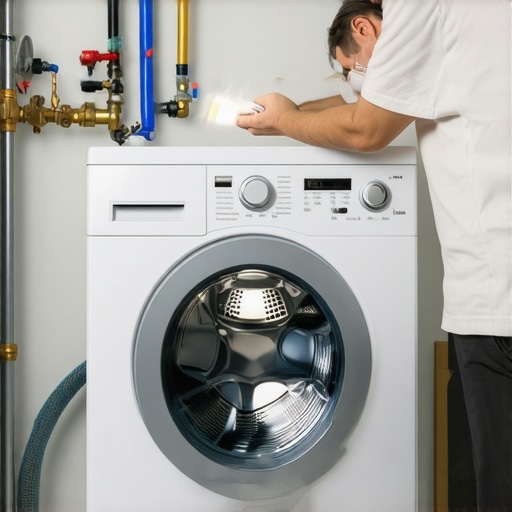
It was a typical Saturday morning when I noticed a strange puddle forming right next to my washing machine. My heart sank—my first thought wasn’t just about the mess, but about the potential damage lurking behind the scenes. Turns out, a small leak in the water supply line had been dripping unnoticed for weeks, slowly causing more damage than I initially realized. That lightbulb moment led me down a rabbit hole of troubleshooting and fixing, and I want to share what I learned.
Why a Leak in Your Washing Machine’s Water Line Shouldn’t Be Ignored
Leaks in your washing machine’s water supply line might seem minor at first—just a little dampness here and there. But, over time, even tiny leaks can cause significant issues, from water wastage to mold growth and structural damage. Plus, frequent leak detection isn’t just about avoiding messes; it’s about protecting your home and saving money. According to home appliance experts, small leaks can lead to a 15% increase in water bills over a year if left unchecked. That’s money down the drain—literally.
Early in my experience, I made the mistake of dismissing small puddles as routine drips or overflows. It wasn’t until I spotted water under the machine that I realized I needed to take action. If you’re like I was, I bet you’re wondering: “How do I know if I have a leak, and more importantly, how can I find the source fast?” Keep reading, and I’ll walk you through practical steps to detect and fix leaks, saving you time and headaches down the road.
Have You Faced This Problem Before?
If you’ve ever discovered water pooling around your washing machine unexpectedly, you’re not alone. Many homeowners overlook the early signs, assuming it’s just a spill or condensation. But unresolved leaks can lead to costly repairs or replacements. Identifying the leak source promptly can make all the difference. To help you avoid the same pitfalls I encountered, let me guide you through how I traced and stopped my leak, and how you can do the same.
Locate the Leak Source Without Delay
Start by unplugging the washing machine to ensure safety, then pull it away from the wall to access the back panel. Use a flashlight to inspect hoses, clamps, and the water inlet valve. I once discovered a tiny crack in the water supply hose after noticing dampness on the floor; replacing it stopped the leak immediately. Think of it like inspecting a broken pipe—if you don’t find the crack, the water keeps seeping out.
Check Water Hoses and Connections
Inspect the inlet and drain hoses for cracks, holes, or loose fittings. Tighten any loose clamps and replace damaged hoses. For example, I once found a loose clamp in my washer’s inlet hose, which was causing slow leaks. Tightening the clamp solved the issue with minimal fuss. Remember, hoses are like the veins of your appliance; faulty ones can cause major leaks if neglected.
Replace Damaged Hoses Promptly
If you notice cracks or brittleness, purchase new hoses from a hardware store or appliance parts supplier. When replacing, ensure the new hose fits snugly and is secured tightly with clamps. I learned this the hard way when I ignored a cracked hose—water leaked onto the floor for days before I caught it. Prevent by choosing high-quality, reinforced hoses designed for washing machines.
Examine the Door Seal and Gasket
Leaks may originate from the door gasket if it’s torn, dirty, or misaligned. Clean the gasket thoroughly with a damp cloth, removing any trapped lint or debris. If damaged, replace the gasket following the manufacturer’s instructions. I had a persistent leak and found dirt buildup under the gasket, which I cleaned. This simple step often solves leaks that seem mysterious at first.
Test the Drain Pump and Filter
A clogged or faulty drain pump can cause water to leak or overflow. Locate the pump filter—usually accessible at the front bottom panel—and clean out lint, coins, or debris. If the pump itself is noisy or doesn’t rotate freely, consider replacing it. I once cleared out a tangled sock from the filter, which immediately stopped a leak during wash cycles. Think of it as clearing a clogged drain in your sink; it restores proper water flow.
Use a Leak Detector or Paper Towel Test
To pinpoint the leak, place dry paper towels or a leak detection dye around suspect areas. Run a short wash cycle and observe where water appears. A more advanced method involves using a leak detection sensor available at hardware stores. In my case, placing paper towels under hoses helped me see exactly where water was seeping out, saving me hours of guesswork.
Address Internal Components When Necessary
If external parts are intact but leaks persist, internal components like the tub seal or water inlet valve may be faulty. These require more advanced repair skills or professional assistance. Remember, components like tub seals are akin to the heart valves—they control water flow and need careful handling. I once replaced my washing machine’s inlet valve after a leak diagnosis, which restored it to proper working order.
Test the Fix and Prevent Future Leaks
After repairs, run a test cycle to verify the leak’s absence. Keep an eye on the area for at least 15 minutes afterward to ensure stability. Regular maintenance, such as inspecting hoses and seals every few months, can prevent small issues from becoming costly repairs. For more appliance maintenance tips, check out [how smart washing machines can simplify laundry day](https://smartappliancereview.com/how-smart-washing-machines-can-simplify-laundry-day). The key is proactive care—think of it as routine health checks for your appliance.
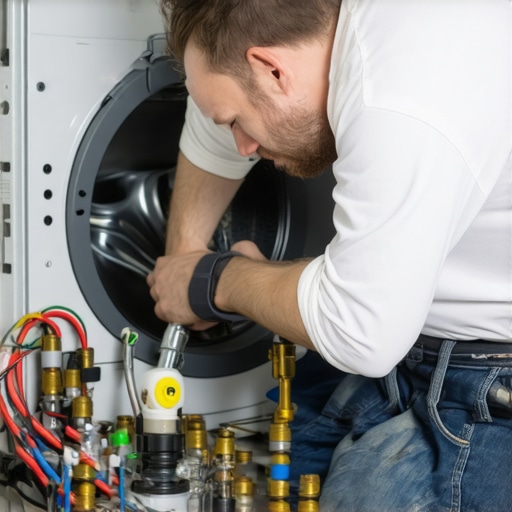 Many homeowners assume that new appliances are foolproof, but in reality, there are nuanced misconceptions that can lead to inefficiency and costly repairs. For instance, a common myth is that smart refrigerators don’t need regular maintenance because they handle themselves. However, even the most advanced models require periodic firmware updates and sensor calibrations to operate optimally. Neglecting these can cause issues like inaccurate temperature readings or communication failures, which compromise your food safety and energy efficiency. To avoid these pitfalls, it’s essential to understand the hidden technical intricacies and to stay informed through expert advice, such as the insights shared in [refrigerator maintenance tips from industry leaders](https://smartappliancereview.com/choosing-the-right-refrigerator-tips-from-industry-experts). Keeping your smart home appliances in top shape requires not only regular attention but also the right tools and methods to ensure long-term performance. Personally, I rely on a combination of specialized diagnostic devices and software to catch issues early. For instance, a digital multimeter is invaluable for checking electrical continuity in appliances like refrigerators and washing machines. I prefer a digital clamp meter because it allows me to measure current without disconnecting wires, saving time and reducing risks. Additionally, a Wi-Fi analyzer app helps me verify proper connectivity for my smart appliances—crucial when troubleshooting firmware update issues or ensuring remote control functionalities. Regularly updating appliance firmware is vital; I use the manufacturer’s dedicated app and follow step-by-step guides like [how smart washing machines can simplify laundry day](https://smartappliancereview.com/how-smart-washing-machines-can-simplify-laundry-day) to keep devices current and secure. Maintenance isn’t just about tools but also developing good habits, like scheduling monthly inspection routines and keeping a log of repairs. In the future, AI-powered diagnostic systems might even alert homeowners proactively about potential failures before problems manifest, transforming appliance maintenance from reactive to predictive. To get started today, I recommend trying out a leak detection spray on hoses and seals—quick, inexpensive, and an eye-opener for early leaks that could cause major issues down the line. How do you plan to integrate these advanced techniques into your regular appliance care routines? Implementing these tools and habits can extend the lifespan of your appliances and save you money over time. Remember, proactive maintenance is the key—don’t wait until a small problem becomes a costly repair. Explore more about the latest innovations in smart appliances and how to keep them running smoothly by visiting [top smart appliances for a seamless home experience in 2025](https://smartappliancereview.com/top-smart-appliances-for-a-seamless-home-experience-in-2025).
Lessons That Changed My Approach to Smart Appliances
- Always remember that even minor leaks can escalate quickly—detect them early before costly damage occurs.
- Regularly inspecting and maintaining internal components like seals and filters saves time and money in the long run.
- Investing in trusted diagnostic tools and staying updated with firmware can prevent many appliance mishaps.
- Understanding the technical intricacies of your appliances helps in proactive maintenance, avoiding reactive repairs.
- The real magic happens when you combine routine checks with smart home integrations—making appliance care seamless and effective.
My Favorite Resources to Keep Appliances Running Smoothly
- Expert Tips from Industry Leaders: I rely on insights from this guide for selecting and maintaining top-quality appliances.
- Smart Home Maintenance Tools: Tools like digital multimeters and leak detection sprays have transformed how I troubleshoot issues efficiently.
- Latest Trends and Trends in 2025: Staying informed with future-focused articles keeps my home tech ahead of the curve.
- Community and Support Forums: Engaging with online communities provides real-world solutions and encouragement for DIY repairs.
Take Charge of Your Appliance Peace of Mind
Remember, preventing leaks and understanding your smart appliances empower you to save money and extend their lifespan. With the right mindset and tools, you can tackle issues confidently and keep your home running smoothly. Start small: check those hoses, update your firmware, and enjoy the satisfaction of mastering your appliances’ health. How will you implement these insights today to ensure your home appliances stay leak-free and smartly maintained? Share your plans below and join a community committed to smarter living!