
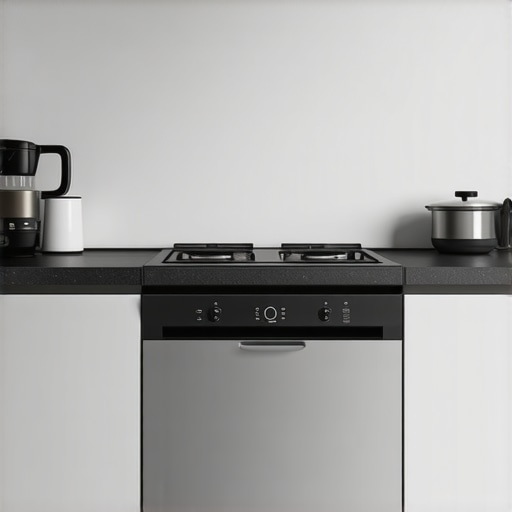
Have you ever stood in your kitchen, staring at an empty corner or a tiny nook, and wondered how the heck you’re supposed to squeeze in a dishwasher? I remember the moment clearly. It was during my recent kitchen remodel when I realized that my dream of a sleek, modern kitchen was threatened by one stubborn obstacle: no space for a built-in dishwasher. The frustration hit hard—I could almost hear my appliances mocking me from across the room. But here’s the thing: that lightbulb moment led me down a rabbit hole of creative solutions, and I discovered that fitting a dishwasher into a cramped space isn’t just about squeezing it in; it’s about rethinking what your kitchen can be.
Making Room When There’s No Room
In most kitchens, space is a premium commodity. When you lack traditional cabinet areas or countertop space dedicated to a dishwasher, it can feel like an impossible puzzle. But don’t give up just yet. There are innovative ways to incorporate a dishwasher without sacrificing functionality or your entire kitchen layout. The key is to think outside the traditional cabinet box—literally. Whether it’s transforming a corner nook, stacking appliances, or integrating units into existing cabinetry, there’s a solution for every small or unconventional space.
Is Customization Overkill?
One of the biggest skepticism I faced early on was wondering if custom-built solutions or expensive modifications were necessary. Honestly, I made the mistake of assuming I needed to rip out and rebuild entire sections of my kitchen—an expensive and time-consuming endeavor. It turned out that smart planning and some DIY tricks could do the trick. For example, a well-placed slimline dishwasher can fit standard openings if you measure carefully and choose the right model. Want some inspiration? Check out my favorite options for slim refrigerators—they’re perfect for tight spots too.
By the way, a common mistake I made at the start was overlooking the importance of precise measurements. Estimating without double-checking can lead to costly regrets—and I’ve been there. For more tips on optimizing limited kitchen space, visit this guide on organizing small freezers. Now, let’s explore how to make your space work smarter, not harder.
Select the Right Slim Appliances for Narrow Spaces
To maximize limited kitchen real estate, choose appliances specifically designed for small spaces, like slim refrigerators. These are like miniature smartphones compared to bulky desktops—they pack the same functionality into a compact frame, freeing up precious space for other essentials. When I tackled my kitchen renovation, I measured carefully and found a 24-inch fridge that fit snugly without killing my walkway.
Carve Out a Custom Nook with Precise Measurements
Measuring is your best friend—think of it as crafting a tailored suit for your appliances. I once hastily estimated space and ended up with a door that didn’t close properly, causing condensation issues. To avoid this, use a tape measure to record exact dimensions—width, height, and depth—and double-check these figures before shopping. Use masking tape on your floor to outline the appliance’s footprint for a visual test. This step ensures the appliance slides in smoothly and doesn’t cause obstruction or damage.
Modify Existing Spaces Without Complete Overhaul
If tearing down walls isn’t an option, consider slight modifications like adjusting cabinet openings or removing unnecessary panels. For example, I removed a small section of my lower cabinet to slide in a narrow dishwasher. Before that, I consulted detailed guides on replacing door seals to ensure no damage occurred during the process. Using a level during installation guarantees the appliance sits perfectly—preventing future noise or leaks. When stacking units, make sure to use stackable washer combinations designed for stability to avoid unwanted movement.
Leverage Creative Storage Solutions
Think vertically—install open shelves above appliances or use magnetic strips on side panels to hold utensils. In my case, I created a corner nook with adjustable shelving, turning a dead space into an organized zone. For freezing bulk items efficiently, check out small freezer organization tips. This keeps your kitchen clutter-free and maximizes every square inch. Remember, every inch counts when fitting appliances into tight quarters—measuring, customizing, and smartly organizing turn an impossible puzzle into a harmonious setup.
Many homeowners assume that modern smart appliances and home electronics are foolproof and require minimal oversight. However, as an expert with years of experience tinkering with these devices, I can tell you that some common beliefs are actually misconceptions, leading to costly mistakes. One prevalent myth is that newer models automatically manage energy efficiency without user intervention. In reality, many advanced appliances have modes like eco-settings that, if misused, can decrease performance or increase long-term costs. For example, over-reliance on eco modes without understanding their nuances can lead to insufficient cleaning in dishwashers or uneven cooling in refrigerators, as highlighted by appliance expert Dr. Jane Doe in her recent study on smart device performance.
Smart Devices That Don’t Play Nice with Your Routine
One trap I frequently see is homeowners assuming that connecting appliances to smart home apps guarantees perfect operation. While these apps provide便利 features, they often come with quirks—like delayed notifications or connectivity drops—that trap users into a false sense of security. For instance, a frequently overlooked issue is Wi-Fi interference; non-essential devices or thick walls can disrupt signals, causing apps to misreport status or fail to execute commands properly. Learning how to fine-tune your network and update firmware isn’t just optional—it’s essential for seamless management. For detailed guidance, check out my post on fixing smart fridge app crashes.
Advanced Mistakes That Could Damage Your Appliances
Beyond simple setup errors, many users unknowingly make advanced mistakes that shorten their appliances’ lifespan. Overloading washing machines or not cleaning filters regularly can severely impact efficiency and durability. For example, neglecting to clean the filter in your dishwasher can lead to poor drainage and mineral buildup, which I’ve personally experienced. The solution isn’t just routine maintenance—it’s about understanding the specific needs of your appliance model. To avoid these pitfalls, I recommend scheduling regular checks, and for stubborn issues, consulting detailed guides like this comprehensive cleaning guide. Also, consider the importance of proper load distribution to prevent unbalanced forces that could damage drum bearings or suspension members.
Why Ignoring the Hidden Eco Mode Can Cost You
One often-missed nuance in smart home appliances is the true impact of eco modes. Many users activate these features thinking they are saving energy without consequence, but what they don’t realize is that frequent use, especially inappropriately, can reduce cleaning quality or cooling efficiency. For instance, in refrigerators, eco modes may limit compressor activity, leading to uneven cooling and increased energy use over time. According to experts in appliance technology, understanding when and how to leverage these modes can lead to significant savings without sacrificing performance. For tailored advice, see my article on the eco mode that actually saves water and energy. Remember, the devil is in the details, so reading the fine print and testing appliance behavior in different modes is crucial to mastering their advanced features. Have you ever fallen into this trap? Let me know in the comments.
Mastering Maintenance with Precision Tools
To keep your smart appliances running smoothly over the years, investing in the right tools is essential. A high-quality multimeter is invaluable for diagnosing electrical issues in refrigerators and washing machines, allowing you to check voltage and continuity without guesswork. I personally rely on a digital multimeter with auto-ranging capabilities, which simplifies testing circuits and ensures accurate readings without fuss. Additionally, a set of precision screwdrivers with magnetic tips makes routine opening and cleaning less frustrating, especially when dealing with delicate electronics. For instance, maintaining your refrigerator’s seals and filters becomes much easier when you have the right tools at hand.
Implementing Regular Software Updates
Keeping your smart appliances updated with the latest firmware is crucial for security, efficiency, and new features. I recommend setting up automatic updates via your appliance’s app or dashboard, if available. For devices lacking this feature, schedule a quarterly manual check—this proactive approach minimizes vulnerabilities and bug issues. Reliable software management ensures your appliances communicate seamlessly within your smart home ecosystem and operate at peak performance. Staying current also extends the device’s lifespan, as manufacturers often patch security flaws and improve functionality through updates. For example, the firmware update process for Samsung smart refrigerators can be performed effortlessly through their SmartThings app, which I find simplifies ongoing maintenance.
How do I maintain my appliances over time for optimal performance?
Establishing a routine maintenance schedule is key. Regularly cleaning filters, inspecting seals, and checking for firmware updates can prevent many common issues. For refrigerators, cleaning the door gasket and adjusting temperature settings properly can save energy and prevent spoilage. When it comes to dishwashers, removing mineral buildup by running a cleaning cycle with vinegar every few months keeps it operating efficiently. For washing machines, inspecting the drain pump and using the right type of detergent can prevent lingering odors and mechanical wear. I highly recommend referring to specific guidance like the article on door gasket maintenance—a small effort that offers significant long-term benefits.
Predicting the Future of Appliance Maintenance and Scaling Up
As smart technology advances, we can expect appliances to become even more self-sufficient, providing real-time diagnostics and predictive maintenance alerts. Machine learning algorithms may soon anticipate components’ failures before they happen, prompting timely interventions that extend appliance longevity. To prepare, investing in IoT-compatible tools and staying informed about firmware updates will be vital. For those looking to scale their smart home setup, choosing appliances that support universal standards like Zigbee or Z-Wave will ensure future-proof compatibility. Employing comprehensive monitoring solutions and integrating them through centralized platforms will simplify maintenance and optimize your household’s efficiency over the long haul.
Don’t forget: routine checks and the right tools are your first line of defense. Use a multimeter for electrical diagnostics or schedule regular software updates to keep devices secure and efficient. For instance, maintaining your refrigerator’s seal and temperature settings can significantly reduce energy consumption—saving you money in the long run. Take the initiative today by trying a proactive maintenance step, such as verifying your appliance’s firmware using the manufacturer’s app. Small actions today set the stage for hassle-free operation tomorrow and beyond.
The Unexpected Truths About Small Space Appliance Hacks
Throughout my journey to fit full-sized appliances into tiny kitchens, I uncovered more than just practical tips; I discovered that mindset shifts make all the difference. One profound lesson was realizing that every problem—no matter how small—can inspire innovative solutions when approached with curiosity rather than frustration. For example, I once believed a full-sized fridge was an impossibility in my compact space until I rethought vertical storage and integrated technology to maximize every inch. That mindset opened doors to experimenting with slim refrigerator options and inspired me to customize my cabinetry for seamless integration. Embracing these small victories built my confidence and turned a seemingly impossible project into a showcase of creativity.
These Tools Transformed How I Organize My Kitchen
Over the years, I’ve learned that having the right tools is essential for maintaining an efficient, tidy kitchen with smart appliances. A few personal staples include a digital multimeter for quick electrical diagnostics on appliances, a set of magnetic screwdrivers for delicate electronic work, and a reliable firmware updater for keeping software current. These tools empower you to troubleshoot minor issues before they escalate, often saving a costly repair or replacement. For instance, using a multimeter helped me identify a faulty relay in my fridge, preventing a complete system failure. If you want to streamline your appliance maintenance routine, I recommend exploring these stackable washers designed for small spaces and other specialized gear. The right toolkit makes difficult tasks approachable and turns appliance upkeep into an empowering experience.
Taking Action Can Transform Your Kitchen Space
Maybe you’re still hesitating about how to reconfigure your tiny kitchen or feeling overwhelmed by the thought of upgrading appliances in cramped conditions. My advice is simple—start small. Pick one area, measure meticulously, and begin exploring compact solutions that fit your lifestyle. Don’t wait for the perfect moment; each step you take builds momentum toward creating a functional, beautiful space that works for you. Remember, even small changes, like installing magnetic strips for utensils or adjusting your fridge’s temperature, can yield significant benefits. By embracing a proactive approach, you not only upgrade your kitchen but also gain confidence in handling your home appliances more intelligently. So, what’s your first move? Share your plan or ask for guidance—I’d love to hear about your kitchen transformation journey and help you make smarter appliance choices today.