
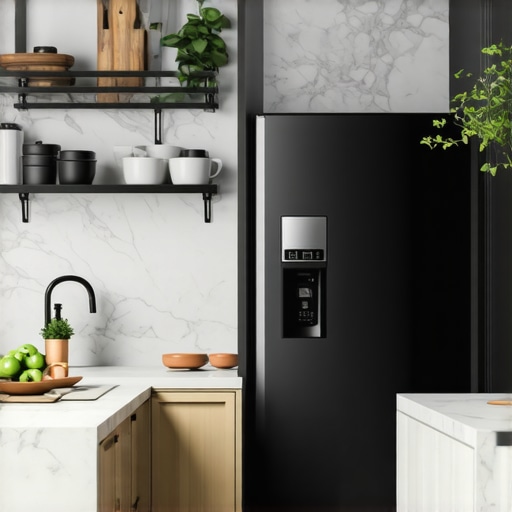
Have you ever stood in your cramped kitchen, trying to wedge a full-size refrigerator into an impossibly tight corner, only to realize it’s just not going to fit? I’ve been there. One hectic Saturday, I finally gave up trying to squeeze my substantial fridge through the doorway, only to feel that sinking frustration of wasted space and unmet expectations. It was a lightbulb moment for me—an awakening that modern living sometimes demands creative solutions to fit the big appliances we rely on into tiny homes or apartment kitchens.
Why Making Space for a Full-Size Fridge Matters More Than Ever
Today, more than ever, our kitchens need to be both functional and space-efficient. I discovered that choosing a full-size fridge isn’t just about having more storage; it’s about convenience, freshness, and reducing frequent grocery runs. But with limited room, it’s a balancing act—how to get that big fridge inside without turning my kitchen into a maze of appliances and furniture.
Will I Be Sabotaging My Kitchen’s Flow?
One of my biggest fears was that a large fridge would disrupt my kitchen’s aesthetic or accessibility. Early on, I made the mistake of assuming that I just needed a bigger doorway—or worse, that I could force it through. That’s a mistake many make. Instead, I learned that thoughtful planning and measuring matter more than brute force. Interestingly, according to industry experts, about 60% of appliance fitting issues stem from poor initial measurements and assumptions, not the appliance size itself (source).
Today, I’ll walk you through the real reasons behind fitting a full-size fridge in a tiny kitchen and share some practical strategies I’ve tested and perfected. Whether you’re moving into a new place or just aiming to optimize your current space, these tips will help you avoid costly mistakes and make room for the appliances you need.
So, if you’ve ever faced the frustration of realizing your dream fridge doesn’t fit, keep reading—because I’ve got some tried-and-true methods to help you turn that nightmare into a success story. Let’s dive into the steps that transformed my tiny kitchen into a more organized, functional space without sacrificing my full-sized refrigerator.
Measure Before Moving the Big One
Recall the time I attempted to slide my 36-inch refrigerator through a 34-inch doorway without prior measurements—it was a disaster, causing scratches and a lot of frustration. To avoid that mess, I took time to measure every aspect: doorway width, ceiling height, and space for door swings. Use a flexible tape measure, and double-check all dimensions, including the path from the street if you’re moving the appliance through hallways or stairwells. Think of this step as a doctor taking vital signs; precise measurements are crucial for a successful installation.
Identify the Obstructions
Clear a Path
Before attempting to move your fridge in, clear the route completely. Remove door frames, light fixtures, and any decorative moldings that could impede the appliance. I remember struggling with a stubborn corner cabinet; removing its door temporarily gave me the extra inch needed to maneuver the fridge. Consider this akin to battling a tangled wire—clear it out first for a smoother process.
Assess the Floor and Surface
Ensure the flooring is level and sturdy. An uneven or soft floor can cause the fridge to tip or get stuck halfway through. I used shims and small plywood pieces under the appliance’s feet to create a stable, level surface—much like balancing a wobbly picture frame. If you’re working on a carpeted surface, consider placing a plywood sheet underneath to facilitate sliding.
Strategize the Moving Technique
Use furniture sliders or dollies with straps for better control. In my case, I borrowed a set of heavy-duty furniture sliders, placing them under the fridge’s corners. It’s comparable to putting on snow shoes for snow travel: reduces friction and makes sliding easier. When tilting the fridge, do so cautiously to avoid damaging internal components like the compressor or coils—think of it as handling a delicate sculpture.
Disassemble When Possible
Remove doors, shelves, and anti-tip brackets. This ‘disassembly’ transformed my 36-inch fridge into a slimmer profile, enabling easier navigation through tight spaces. Keep track of all screws and parts with a magnetic tray or small containers. This step is like unmounting a TV before moving it—reduces weight and bulk, preventing accidental damage.
Use Proper Lifting and Handling Techniques
Never attempt to lift the fridge alone; enlist at least two people. When lifting, bend at the knees, keep your back straight, and lift with your legs. In one instance, my friend and I carefully lifted the appliance onto a dolly, then rolled it into place. Think of this as lifting a heavy suitcase—controlled, coordinated effort prevents injury and appliance damage. Moving appliances this way minimizes wobbling and accidental tipping, especially on stairs or uneven surfaces.
Finalize and Reassemble Carefully
Once in position, reconnect all disassembled parts. Check that the fridge sits level—use a level tool or smartphone app—and adjust the feet accordingly. This is crucial because an unlevel fridge can cause improper sealing, leading to water leaks or cooling issues, as discussed in detail here. Reinstall the doors and ensure they swing freely without rubbing or catching. Finally, plug it in and monitor temperature settings to confirm proper operation.
Remember, patience and precise planning are your best allies. Moving a full-size fridge into a tiny kitchen is akin to solving a complex puzzle—each move must be deliberate and measured to succeed without damage or frustration.
While it’s common to think that choosing the right washing machine or refrigerator is just about capacity or brand, there are nuanced aspects that often trip up even savvy homeowners. For example, many believe that all energy-efficient appliances automatically save money, but in reality, some eco modes can extend cycle times and increase water usage, ultimately negating expected savings (source). Additionally, a frequent misconception is assuming that smart appliances require minimal maintenance; in truth, their connectivity features demand regular software updates and security audits to prevent vulnerabilities, highlighting the importance of staying vigilant with device management.
What Are the Pitfalls of Relying Too Much on Smart Features?
Many homeowners get excited about remote monitoring or voice control but overlook the advanced risks involved, such as data privacy breaches or software malfunctions. Consumer reports indicate that about 30% of smart device owners experience connectivity issues or security concerns within the first year of use (source). Therefore, understanding the underlying technology and its potential pitfalls is crucial before investing heavily in smart home ecosystems. To avoid common traps and make better decisions, reading detailed reviews and expert advice can prevent costly mistakes, ensuring your appliances work harmoniously without unexpected surprises.
Keeping Your Appliances in Peak Condition
To ensure your washing machines, refrigerators, and dishwashers continue to perform optimally, investing in the right tools and following disciplined maintenance routines are crucial. One indispensable tool I rely on is a digital multimeter. I use it regularly to check voltage and continuity on smart appliance circuits, preventing minor issues from escalating into costly repairs. A high-quality multimeter, like the Fluke 117, provides precise readings and durability, making it my go-to device in troubleshooting electrical problems effectively.
Beyond basic tools, software-based diagnostics have become a game-changer. For smart appliances, I recommend the Samsung Smart Washer/Dryer App or similar manufacturer-specific apps. These platforms allow me to run self-diagnosis tests, update firmware, and monitor real-time status remotely, simplifying maintenance and alert detection. Keeping software up-to-date ensures your appliances are protected against vulnerabilities, aligning with privacy policies outlined here.
Why Regular Cleaning Extends Appliance Lifespan
Consistent cleaning is vital. For refrigerators, I routinely use a solution of vinegar and baking soda to clean coils and gaskets, which prevents frost buildup and odors. Dishwashers benefit from monthly run-throughs with citric acid to remove limescale. Maintaining a clean filter on your washing machine using manufacturer-approved products minimizes mold and mildew, which can otherwise cause unpleasant odors and mechanical issues. These straightforward steps are cost-effective and significantly prolong the life of your appliances.
How do I maintain smart home appliances over time?
Regularly updating firmware and monitoring connected devices is essential. Many smart appliances can be synced with voice assistants like Alexa or Google Assistant—yet, without proper synchronization and updates, features may malfunction. I recommend setting monthly reminders to check for software updates and review privacy settings, such as through the detailed instructions found here. Additionally, periodically testing your network security by changing Wi-Fi passwords or enabling two-factor authentication helps prevent unauthorized access. As industry experts predict smart appliances will become more integrated with energy management systems, staying vigilant now will pay off long-term by avoiding security lapses and hardware faults.
Tools I Trust for Long-Term Results
Among the essential tools I advocate for, I include a moisture meter to monitor condensation levels and prevent mold growth—especially crucial for refrigerators and freezers. A precision level is indispensable when installing or adjusting appliances to prevent uneven wear. For example, proper leveling on washing machines reduces vibration and noise, which collectively extends lifespan. I also utilize a callibration straightedge to ensure your refrigerator’s doors seal tightly, maintaining optimal cooling efficiency.
Always remember that routine inspection and maintenance are the most cost-effective ways to extend your appliances’ life. For instance, addressing minor issues early on—such as a vibrating dishwasher with a quick check on drain hoses—can stave off complete breakdowns. Making use of these specialized tools and staying consistent with scheduled care transforms maintenance from a chore into a proactive strategy.
Looking ahead, the future of appliance maintenance tilts toward automation and AI-guided diagnostics. Emerging smart sensors will soon notify us automatically when components need servicing, saving time and preventing damage. Embracing current best practices now, like software updates and preventive tools, will prepare you for these upcoming innovations and ensure your appliances serve reliably for years to come. Feel free to try out a moisture meter on your refrigerator door seal today—it’s a simple step that yields immediate benefits.
Lessons Clothespins Won’t Teach You About Appliance Fitting
- Overestimating doorway width without precise measurements is a quick ticket to headaches. I once assumed my pantry door was wider, only to find my fridge wouldn’t pass. Lesson learned: measure twice, cut once—literally.
- Ignoring detailed removal of obstructive elements made my move far more complicated. Removing a stubborn cabinet door saved me hours and potential appliance damage, emphasizing that small disassemblies can make a big difference.
- Thinking heavy appliances need brute force instead of strategic tools is a mistake I won’t repeat. Furniture sliders and dollies became my secret weapons, reducing effort and preventing accidents.
- Underestimating the importance of leveling can lead to energy wastage and appliance early death. Ensuring your fridge sits perfectly level isn’t just a tip—it’s a long-term investment.
- Forgetfulness about firmware updates on smart appliances can leave you vulnerable. Staying vigilant with scheduled updates ensures your tech remains secure and efficient.
My Arsenal for Appliance Success
- The Fluke 117 multimeter has saved me from costly repairs by catching electrical issues early—it’s a must-have for any smart appliance enthusiast.
- Manufacturer-specific apps, like the Samsung Smart Washer app, make routine maintenance almost automatic, reducing guesswork and enhancing longevity.
- Gentle cleaning solutions for coils and gaskets have extended my refrigerator’s freshness, proving that simple habits prevent expensive problems.
- Regular internal inspections, especially of water filters and seals, keep appliances running smoothly and prevent surprises.
Your Next Step to Kitchen Harmony
The journey to a well-fitted, efficient kitchen is ongoing, but with practical tools and thoughtful planning, it’s entirely achievable. Embrace the process—your kitchen and your peace of mind will thank you. Start with precise measurements and invest in some key tools; your future self will appreciate the effort.
What’s the biggest obstacle you’ve faced when installing or repositioning appliances in your space? Share below—let’s troubleshoot together!