
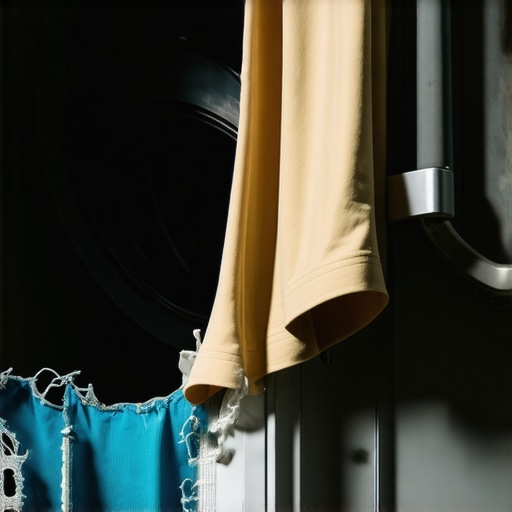
It happened again. I pulled out my cherished favorite shirt after a laundry cycle, only to find tiny tears and frayed edges ruining the fabric. That sinking feeling? Been there. I used to blame my laundry habits or rough laundry loads, but the real culprit was often my washing machine itself, quietly destroying my clothing without me realizing it. One day, I finally had that lightbulb moment—if my washing machine is tearing my shirts, I need to understand why and, more importantly, how to stop it.
Spotting the Warning Signs Before It’s Too Late
Is Your Washing Machine Secretly Ruining Your Clothes?
Early on, I made a critical mistake: ignoring the signs of wear and tear inside the drum. Loose parts, rough edges, or an unbalanced load can cause clothes to get caught or rubbed against harsh surfaces, leading to tears. Many folks don’t realize that the simple act of overloading or washing delicate fabrics on heavy cycles can accelerate this damage. Trust me, I learned the hard way—every ripped shirt was a sign that I needed to pay closer attention to my washer’s condition and my laundry habits. In fact, experts suggest that a well-maintained washing machine can extend the life of your clothes and prevent these costly tears. For more insights, check out how smart washing machines can simplify laundry day and help avoid such mishaps.
Inspect and Maintain Your Washer Regularly
Check for Sharp Edges and Loose Parts
Start by unplugging your washing machine and opening the drum to examine the interior. Look for any sharp edges, rust, or loose components that could snag or tear fabrics during cycles. Use a microfiber cloth to clean the drum thoroughly, removing any debris that might cause friction. During my last maintenance, I noticed a small rusty spot that I polished away, preventing future tears on my shirts.
Ensure Door Seal is Clean and Intact
Remove the rubber gasket around the door, inspecting it for mold, residue, or tears. Wipe it down with a mixture of vinegar and water to eliminate mold and prevent fabric snagging. A damaged seal can trap clothes and cause tears; replacing it is straightforward and saves your wardrobe. Regularly cleaning this part keeps odors at bay and extends your washer’s lifespan.
Optimize Loading and Cycle Settings for Clothing Safety
Load Clothes Properly
Imagine trying to stuff too many clothes into a suitcase — it’s a recipe for damage. Similarly, overloading the washer stretches fabrics and increases the risk of tearing. Load clothes loosely and distribute weight evenly. For delicate fabrics, use a gentle cycle and smaller loads. This approach significantly reduces fabric stress, ensuring your favorite shirts stay intact.
Select the Correct Cycle and Water Level
Use cycles suited for delicate fabrics; avoid heavy-duty cycles for light garments. Many modern washers—especially smart appliances—allow you to adjust water levels automatically, matching load size. I once set a heavy cycle on a small load of silk blouses, causing unnecessary wear. Now, I trust my washer’s adaptive features, which you can learn more about in this guide.
Maintain and Repair Your Washer Promptly
Address Unusual Noises and Vibrations
Unusual sounds often indicate loose parts or unbalanced loads. If your machine vibrates excessively, level it using a spirit level and adjust the feet accordingly. For persistent problems, consider professional repair to prevent further damage. I experienced a shaking washer that started knocking my walls; fixing the leveling reduced vibrations and extended the life of my garments.
Replace Old or Damaged Components
Regularly replace worn parts like the door seal, suspension springs, or shock absorbers. Consult your machine’s manual or a professional for guidance. Upgrading to a smart washing machine can provide alerts for maintenance needs, as discussed here. This proactive approach prevents damages that cause tears and tears in your clothing.
While many believe that selecting the latest smart appliance guarantees optimal performance, this isn’t always the case. In fact, a common misconception is that newer models are inherently better, but in my experience, understanding the nuances—like compatibility with your home’s Wi-Fi or the specific features that suit your lifestyle—is crucial. Many homeowners fall into the trap of upgrading without considering if the appliance truly fits their needs or how it integrates with existing systems, potentially leading to inefficiencies or increased costs. For instance, choosing a refrigerator with unmatched beauty but poor energy efficiency can inflate your utility bills over time. Experts emphasize evaluating appliances based on real-world performance metrics rather than marketing claims. Dive deeper into how to select appliances that deliver long-term savings and convenience, and don’t miss the upcoming trends shaping the future of home automation, which could redefine your expectations of home tech.Maintaining your appliances isn’t just about fixing problems as they arise; it’s about establishing a proactive routine that ensures longevity and efficiency. For instance, I swear by investing in a quality digital multimeter like the Fluke 115 for quick diagnostics—they help me identify electrical issues early before they escalate. Similarly, tools such as microfiber cloths and soft brushes are essential for gentle cleaning of sensitive components like refrigerator seals or dishwasher spray arms, preventing buildup that can cause malfunctions. Modern smart appliances often offer diagnostic features through dedicated apps, allowing me to run troubleshooting routines and receive alerts on issues like water leaks or filter replacement needs, as discussed in this guide. In terms of long-term results, scheduling routine inspections—say, every six months—can reveal wear that’s worth addressing now, rather than expensive repairs later. Additionally, many appliances come with maintenance alerts; I’ve found that setting reminders in my smartphone ensures I don’t forget key tasks like cleaning filter screens or leveling washing machines for vibration control. Scaling appliances effectively involves understanding their maximum capacities and avoiding overloading; this not only preserves the machine but also guarantees optimal performance. As home automation advances, I predict that integrated diagnostic systems will become standard, making maintenance increasingly intuitive and less time-consuming—saving you money and stress. How do I maintain my appliances over time? I integrate a combination of manufacturer-recommended maintenance schedules with my personal records kept via smart home apps, which provides a clear overview of upcoming tasks. For example, I set alerts for refrigerator filter changes or dishwasher cleaning routines based on usage data. Try starting with one of these tips—perhaps calibrating your smart washing machine’s settings using its app—to see immediate improvements in performance. Remember, consistent care today prevents unexpected breakdowns tomorrow, keeping your home running smoothly with less effort.
What I Wish Someone Told Me About Appliance Maintenance
- Sometimes, the biggest lessons come from our own mistakes. I used to ignore minor signs of wear in my washing machine, only to face costly repairs and ruined clothes. Now, I know that paying attention early can save a lot of trouble down the line.
- Replacing worn-out parts promptly keeps my appliances running smoothly. A small investment in regular maintenance, like replacing door seals or leveling the washer, pays off by extending their lifespan and protecting my wardrobe.
- Getting the right tools makes all the difference. From microfiber cloths to digital multimeters, having a well-stocked toolkit allows me to catch issues early and handle minor repairs myself, reducing downtime and expenses.
- Understanding my appliances’ features enhances their performance. I’ve learned to utilize smart diagnostics and app alerts, ensuring I’m alerted to problems before they escalate, which keeps my appliances—and clothes—happy.
Gear Up with Resources That Truly Make a Difference
- The ultimate guide to smart appliances opened my eyes to features that I didn’t even realize could save me time and energy. It helped me choose models with maintenance alerts and diagnostic capabilities, making upkeep easier.
- Books like Modern Appliance Care provided in-depth knowledge about troubleshooting common issues, empowering me to fix minor problems myself without calling in a technician.
- I rely on trusted brands and official manuals for the specifics about my appliances’ parts and warranties. They give me peace of mind that any repairs or replacements are done correctly.
- Online forums and community groups are goldmines for real-world advice. Sharing experiences with others who’ve faced similar issues speeds up problem-solving and gives me new troubleshooting ideas.
Your Next Step Is Closer Than You Think
Taking care of your home appliances, especially washing machines and smart refrigerators, isn’t just about fixing problems—it’s about fostering a proactive mindset that prolongs their longevity and ensures they perform efficiently. Remember, every small maintenance step you take today, from leveling your washer to replacing a worn seal, adds up in the long run. Whether you’re exploring innovative features or tackling repairs, embracing this approach empowers you to keep your home running smoothly. So why not start today? Your appliances—and wardrobe—will thank you. What small maintenance habit will you try first to protect your appliances and clothes? Share your plan below!