
I remember the day my first high-end dishwasher was installed. I was so proud of that stainless steel beast. In my mind, more power always equaled more clean, so I started a habit that I thought was smart: I hit that ‘Heavy Duty’ or ‘Pots and Pans’ button every single night, regardless of what was inside. I thought I was being thorough. I thought I was ensuring total sanitation. I was actually just burning money and slowly cooking my expensive dinnerware. It took a shockingly high utility bill and a set of warped ‘dishwasher safe’ plastic lids for me to realize that my ‘set it and forget it’ mentality was a massive mistake. If you have been treating every load like a greasy lasagna pan, we need to talk about what is actually happening behind that closed door.
Why Your Wallet Cringes Every Time You Hit Heavy Duty
The heavy cycle isn’t just a longer wash; it is a resource-intensive marathon. When you select this setting, you are telling your machine to ramp up the internal heater to its maximum capacity and extend the spray time by nearly double. While it’s tempting to think this is necessary, especially if you are still learning the best way to stack your dishwasher for maximum clean, using it daily is usually overkill. Most modern detergents are enzymes-based, meaning they are designed to eat away at food particles at lower temperatures. When you blast them with the extreme heat of a heavy cycle daily, you aren’t just cleaning better; you are essentially paying for heat you don’t need. I learned this the hard way when I noticed a cloudy film on glasses that I initially blamed on the water, but it was actually ‘etching’ caused by the combination of high heat and too much detergent over time. It’s a permanent type of damage that no amount of scrubbing can fix. According to data from Energy Star, a heavy cycle can use up to 2-3 more gallons of water per load than a standard cycle, which adds up to hundreds of gallons of wasted water annually if used every night. In a world where we are looking for top smart appliances for a seamless home experience, the smartest thing we can do is use the settings as they were intended.
Is the Heavy Cycle Actually Worth the Extra Electricity?
Many of us fear that the ‘Normal’ or ‘Eco’ modes will leave behind bits of dried-on kale or stubborn grease, but that skepticism usually stems from old habits. I used to be the person who pre-rinsed everything until the plates were basically clean before they even hit the rack—a habit that wastes even more resources. The truth is, unless you are dealing with baked-on proteins or a massive pile of oily pans, that heavy cycle is just an expensive security blanket. Have you ever opened your dishwasher and felt a wave of steam so hot it felt like it was melting your skin? That is pure energy waste. It’s one of those hidden costs of home appliances that we rarely calculate until we see the cumulative effect on our machine’s lifespan. The high-heat cycles put extra strain on the heating element and the gaskets. I once had to learn how to deep clean the gasket on your dishwasher because the constant high-heat expansion and contraction had caused it to warp and collect gunk. Are you currently running every load on the heaviest setting just to be ‘safe’? I’d love to hear if you’ve noticed your dishes wearing out faster than they should. We’re about to dive into the actual math of these cycles so you can decide which button is truly worth the push.
Let the Detergent Do the Heavy Lifting
Think of your dishwasher detergent like a specialized workforce. These enzymes are biological ‘scissors’ designed to snip apart proteins and starches. However, they need something to cut. If you rinse your plates until they are spotless, those enzymes have nothing to grab onto, and they end up attacking the finish on your dishes or the seals of the machine itself. I used to be the ‘pre-rinse queen’ until I realized I was paying for a premium machine just to do its job manually. Instead of rinsing, simply scrape off the solid chunks. This gives the innovative dishwashers with AI technology enough ‘evidence’ of dirt to calibrate the cycle properly without defaulting to a three-hour heat-blast.
Stop Rinsing and Start Scraping
When you pre-rinse with hot water at the sink, you are doubling your energy bill for a single load. Most modern machines use sensors to detect ‘turbidity’—how cloudy the water is. If the water stays clear because you pre-washed everything, the machine might shorten the cycle too much, leaving detergent residue behind. This is similar to why your washer doesn’t need a whole cup of detergent; more isn’t better, and cleaner isn’t always safer for the machine. I once spent twenty minutes scrubbing lasagna pans only to realize the ‘Heavy’ cycle would have done it for pennies while I watched TV. The trick is to scrape the solids and trust the tech.
The 80/20 Rule of Dishwasher Cycles
For 80% of your loads, the ‘Normal’ or ‘Eco’ setting is your best friend. These cycles use lower temperatures but longer soak times. It is like slow-cooking a brisket versus microwaving it; the result is better and less damaging to the material. Save the ‘Heavy Duty’ setting for the 20% of loads that truly deserve it—the holiday roasting pans or the burnt-on casserole dishes. If you are worried about sanitation, most ‘Normal’ cycles still reach 140°F, which is plenty hot to kill bacteria. If you are still skeptical, check out the best eco-friendly settings on other appliances to see how much energy you could be saving across your entire home.
Protect Your Plastics from the Heat Storm
I learned this the hard way during a summer BBQ. I threw my favorite BPA-free plastic serving bowls into a ‘Heavy Duty’ cycle. When I opened the door, they looked like they had been through a car crusher. The high-heat drying phase in heavy cycles is a death sentence for thin plastics. If you must use a heavy cycle, keep plastics on the top rack, or better yet, use the ‘Air Dry’ option. Learning how to get your dishwasher to finally dry your plastic tubs without melting them is a game-changer for anyone with kids or a Tupperware addiction.
Keep the Water Flowing Freely
No matter which cycle you choose, it won’t work if the ‘lungs’ of your machine are clogged. Every two weeks, you need to pull out the cylindrical filter at the bottom. If it is slimy or full of coffee grounds, your ‘Normal’ cycle will fail, tempting you to go back to the ‘Heavy’ button. It takes sixty seconds to perform the easiest way to clean the filter in your dishwasher, and it ensures that the water spraying your plates is actually clean, not just recycled soup. I once found a stray popcorn kernel and a bit of plastic wrap in my filter that was causing a ‘Normal’ cycle to leave grit on every glass. Once cleared, the performance jump was night and day.
Stop Starting Your Cycles with Cold Water
I see this mistake in almost every kitchen I visit. We assume that because the dishwasher has a heating element, it will handle everything. But here is the nuance: most dishwashers pull water from the same line as your kitchen sink. If you haven’t run your hot water tap lately, the first several gallons entering the machine are lukewarm at best. This initial ‘pre-wash’ phase is critical for loosening debris. If that water is cold, the detergent pod won’t dissolve correctly, leading to a gritty residue. I always recommend running your kitchen faucet until the water is hot to the touch before you hit ‘Start.’ It’s a tiny habit that prevents you from needing to search for why your dishwasher pod isn’t dissolving completely later on.
Can Modern Sensors Actually Tell How Dirty Your Plates Are?
The short answer is yes, but they are easily ‘tricked’ by our good intentions. Modern units use soil sensors—technically called turbidity sensors—to measure how much light can pass through the wash water. If you’ve been a ‘pre-rinser,’ the sensor sees clear water and tells the computer to shorten the wash and lower the temperature. This is the ‘Oops’ factor: by trying to help the machine, you are actually forcing it to underperform. Research by the Association of Home Appliance Manufacturers (AHAM) confirms that modern units are specifically calibrated to handle ‘standard soil’ loads. If the sensor is fooled into a light-duty cycle, it may not run long enough to sanitize the tub or clear out the internal drainage lines. This leads to a build-up of fats and oils that eventually causes a smell. It is a similar logic to why your high-efficiency washer uses barely any water; the technology relies on the presence of some soil to calibrate the chemistry and duration correctly.
The High-Efficiency Myth That Costs You Time
One of the most frequent complaints I hear is that modern machines take too long. ‘My 1995 dishwasher finished in 45 minutes,’ people tell me. While that’s true, it did so by using three times the water and an incredible amount of electricity. Today’s washing machines that save water and dishwashers use a ‘soak and spray’ method. They use less water but circulate it longer. If you try to bypass this by using a ‘Quick Wash’ every time, you are likely leaving behind a biofilm of bacteria. The ‘Normal’ cycle is longer for a reason—it gives the enzymes time to work without needing 160-degree water that warps your spatulas. If you’re constantly fighting with your machine’s performance, you might want to look into innovative dishwashers with AI technology that can actually adjust for water hardness in real-time.
Don’t Ignore the Drain Hose Trap
A common ‘trap’ that even savvy homeowners miss is the high loop in the drain hose. If your dishwasher isn’t cleaning the top rack, it might not be the spray arm; it might be ‘backwash.’ Without a proper high loop or air gap, dirty water from your sink or disposal can actually flow back into the dishwasher at the end of a cycle. It’s one of those hidden nuances that makes even the top smart appliances for a seamless home experience fail prematurely. Have you ever noticed a weird smell or a bit of standing water after a cycle? You might be a victim of the backwash trap. Let me know in the comments if you’ve ever found a surprise in your filter or if you’ve been a ‘cold starter’ this whole time!I used to think a cup of vinegar in the top rack was the ultimate hack. It isn’t. Vinegar is a weak acid that can eventually degrade rubber seals if used in high concentrations. Personally, I switched to using a dedicated citric acid-based cleaner once a month. This isn’t just about smell; it’s about dissolving the calcium carbonate that clogs the tiny holes in your spray arms. When those holes clog, your water pressure drops, and you start blaming the ‘Normal’ cycle for a job it can no longer physically perform. It is a similar principle to the secret to making your refrigerator last twice as long—keeping the internal components free of debris and scale. If you’ve been using heavy cycles to ‘force’ a clean through clogged spray arms, you are treating the symptom, not the cause. 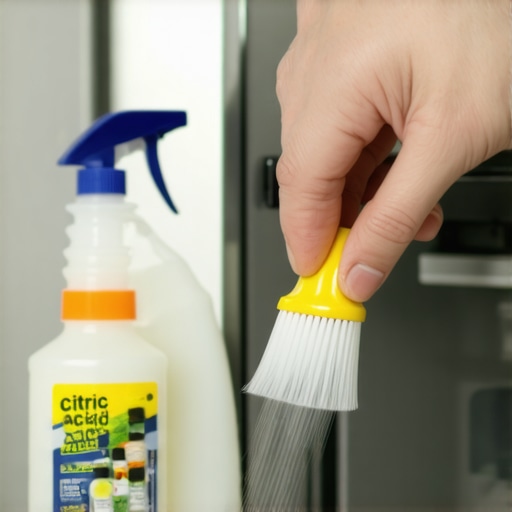
How do I maintain my dishwasher’s performance over the years?
Maintaining a high-end machine requires a mix of mechanical cleaning and chemical balance. Beyond the filter, you must look at the door seals. I recommend using a damp microfiber cloth to wipe the perimeter of the door and the tub monthly. This prevents the buildup of ‘biofilm’—a slimy layer of bacteria and food particles that can eventually cause leaks. If you are dealing with a machine that has been sitting idle, you might need the best way to sanitize your dishwasher after a long vacation to ensure you aren’t washing your plates with moldy water. According to the technical documentation for NSF/ANSI Standard 184, a residential dishwasher must achieve a 99.999% reduction of bacteria to be certified for sanitization, and this usually only happens when the internal environment is kept clean and the gaskets are intact. You can also look into the best ways to clean a smelly dishwasher without using bleach to protect your machine’s plastic components while still ensuring a deep, hygienic clean.
The Shift Toward Predictive Maintenance and AI
Looking ahead, we are moving toward a world where your appliances will tell you they are failing before you see a puddle on the floor. In the future of home appliances trends to watch in 2025, we expect to see more integration of vibration sensors that detect a failing motor or a pump blockage early. This means the ‘Heavy Duty’ button might eventually be replaced by an AI that knows exactly how much torque and heat are needed based on the weight and soil level of the load. Until then, we have to be the smart part of the system. I challenge you to try this tonight: run your kitchen tap until the water is hot, check your filter for debris, and run a ‘Normal’ cycle with a high-quality detergent. You might be surprised to find that the ‘Heavy’ button wasn’t the solution you needed—it was just the one you were used to. If your machine still struggles, you might need to how to deep clean the gasket on your dishwasher to ensure that internal pressure is actually reaching your dishes instead of escaping through a worn seal.
Why I Finally Quit the Heavy Cycle Habit
Over the years, I’ve realized that more power rarely means a better clean in the world of modern appliances. First, I learned that my detergent actually performs worse on pre-rinsed plates because the enzymes have nothing to latch onto. Second, I saw firsthand how consistent high heat causes “etching” on glassware, a permanent cloudy look that ruins a dinner party set. Most importantly, I discovered that trusting the machine’s sensors actually leads to a more efficient wash. It’s about letting the technology do what it was designed for rather than forcing it into a high-stress marathon every night.
My Personal Toolkit for a Long-Lasting Kitchen
To keep my setup in peak condition without overworking the motor, I rely on a few specific resources and habits. I highly recommend reading up on innovative dishwashers with AI technology to understand how modern sensors calculate soil levels. For maintenance, I’ve ditched the vinegar and moved to citric acid cleaners, and I never skip the easiest way to clean the filter in your dishwasher once a month. If you want to expand this “preventative” mindset to the rest of your home, check out the secret to making your refrigerator last twice as long, which follows the same logic of clean coils and healthy seals. I also keep a digital copy of my appliance manuals on my phone for quick reference on error codes.
Step Into a Smarter Kitchen Routine
You don’t need to be an appliance expert to see the benefits of a more balanced approach. By switching to the “Normal” or “Eco” settings, you are extending the life of your gaskets, protecting your favorite plastic containers, and shaving dollars off your monthly electricity bill. It takes a little bit of trust to walk away from that heavy cycle button, but once you see the results, you’ll never go back to the “heat-blast” mentality. Your kitchen should work for you, not the other way around. Which dishwasher setting do you use most often, and have you noticed any wear on your dishes? Let me know below!