
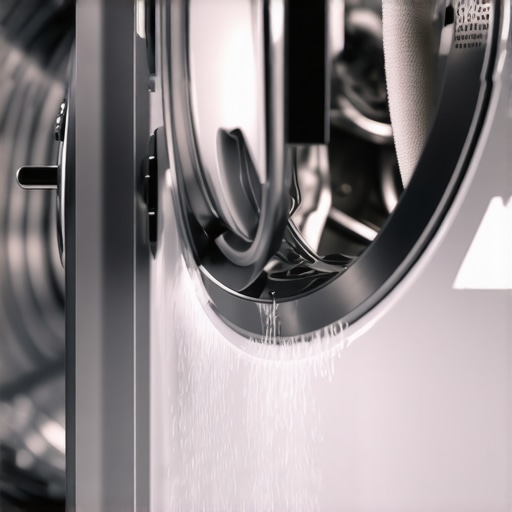
Ever find yourself standing in front of the laundry room, gazing at a washing machine that’s decided to hold onto its soap suds like a stubborn mule? That sinking feeling when your machine just won’t drain, leaving a mountain of frothy bubbles and a sense of helplessness. I’ve been there more times than I care to admit, watching my laundry pile up while my frustration grows. It’s a lightbulb moment that hits hard: machines are smart, but they’re not foolproof, and sometimes, they need a little help from us.
Why Ignoring Drainage Problems Can Ruin Your Laundry Day
The truth is, a washing machine that won’t drain isn’t just an annoyance. It can lead to mold growth, bad odors, and even damage your appliance if left unchecked. Soap suds that linger might seem harmless at first, but over time, they can clog filters and pump components. I learned this the hard way early on, mistakenly assuming it was just a simple rinse cycle glitch. But ignoring the problem only made things worse — a mistake I don’t want you to repeat. According to appliance experts, unresolved drainage issues can decrease your machine’s lifespan and increase repair costs, so it’s worth addressing promptly. Curious how to identify the culprit? Keep reading, and I’ll walk you through the process to get your washing machine draining like new.
Is Fixing Drainage Problems Really Worth the Hassle?
Early in my troubleshooting journey, I admit I underestimated how complex this can be. I assumed a quick cleaning would do the trick, but I overlooked some common issues that often trip up even the most seasoned DIYers. Making this mistake cost me extra time and a few expensive repairs. Trust me, I’ve learned from experience — tackling the problem head-on is far more satisfying and cost-effective than waiting for a professional to step in. If you’re wondering whether this is worth your effort, consider that mastering these minor fixes can save you money and extend your appliance’s life. Still skeptical? I get it. But I promise, once you understand the common causes and solutions, your laundry routine will never be the same. For more insights on choosing the best appliances, feel free to check out [the latest top smart appliances for 2025](https://smartappliancereview.com/top-smart-appliances-for-a-seamless-home-experience-in-2025).
,
Start by Unplugging and Clearing the Lint Filter
Before diving into technical fixes, safety is paramount. Unplug your washing machine to avoid electrical hazards. Locate the lint filter, often at the front bottom or filter compartment, and remove any lint or debris. I learned this the hard way when I ignored the filter; residual water leaked, making a mess and delaying repairs. Regular cleaning prevents clogs that cause drainage issues.
Check the Drain Hose for Clogs and Kinks
Next, inspect the drain hose, which resembles a flexible tube connecting your washer to the drain pipe. Detach it carefully (have a towel ready for any residual water). Look for kinks, twists, or blockages caused by lint, lint balls, or foreign objects. I once found a sock caught in mine, which prevented proper drainage. Straightening the hose and removing obstructions restores flow. Remember, a bent hose can cause water to pool inside the drum.
Test the Drain Pump for Functionality
The drain pump is your washer’s heart for evacuating water. Locate it usually at the bottom rear; you’ll see a small motor with hoses attached. Listen for unusual noises during a drain cycle—grinding or humming indicates a problem. To test, disconnect the pump’s power and manually spin the impeller; if it’s stiff or jammed, the pump needs replacement. I’ve replaced a faulty pump myself, saving time and money over calling an expert. For detailed instructions, consult [this guide](https://smartappliancereview.com/why-your-washing-machine-wont-start-the-final-spin-cycle).
Clean the Filter and Check for Blockages
Many washing machines have a small lint or debris filter, often behind a panel or accessible through the door seal. Remove, clean, and re-insert it. Over time, lint and small objects accumulate, causing clogs. Once, cleaning the filter resolved my persistent drainage problem instantly. Regular maintenance keeps your machine running smoothly and prevents costly repairs.
Inspect the Pump Belt and Seal
If your model uses a belt drive, check the belt for cracks or looseness. A worn belt can hinder the pump’s movement, leading to drainage failure. Additionally, examine door seals for obstructions or damage, as debris can block water flow. I discovered a torn seal that was trapping debris, which, once replaced, improved drainage and prevented leaks. For specifics on your model, review [this troubleshooting resource](https://smartappliancereview.com/why-your-washing-machine-is-beeping-three-times-and-stopping).
Test the Electronic Components
If all mechanical parts are clear, the problem might be electrical—faulty sensors or control boards. Use a multimeter to test the wiring and switches. A failed pressure switch, for example, can prevent the machine from completing the drain cycle. If electronics are the culprit, professional repair or replacement might be necessary. For in-depth diagnostics, see [this expert advice](https://smartappliancereview.com/why-your-washing-machine-is-vibrating-excessively-during-spin).
Run a Diagnostic Cycle and Observe Results
After completing these steps, run a short cycle focusing on draining. Listen for sounds of the pump running smoothly and watch for proper water evacuation. If issues persist, revisit each step or consider calling a professional. However, many drainage issues stem from minor blockages or loose connections that DIY fixes can resolve efficiently.
Dispelling the Myth of the Foolproof Appliance
Contrary to popular belief, many homeowners assume that smart appliances are entirely foolproof once connected. However, in my experience, over-reliance on automation can breed complacency, leading to overlooked maintenance issues. For example, the idea that smart refrigerators require less cleaning is a misconception; sensors and filters still need regular attention to prevent malfunctions. Recognizing that even intelligent devices demand human diligence is key to prolonging their lifespan.
Watch Out for the ‘Set It and Forget It’ Trap
Many users fall into the trap of assuming that scheduling functions eliminate the need for routine checks. I once trusted my smart dishwasher’s auto-clean feature, only to find mold building up in hidden corners. This highlights that automation doesn’t replace manual inspection. Read more on how proper maintenance is essential, even for the most advanced units. Ignoring this can lead to costly repairs or reduced efficiency in the long run.
Why Do Manufacturers Emphasize Connectivity Over Practical Benefits?
Many manufacturers push smart features like Wi-Fi-enabled diagnostics and app controls, but does this truly enhance user experience? My view is that such features often add complexity without proportional benefits. A study from the Department of Energy indicates that smart appliances sometimes consume more power due to continuous connectivity, offsetting energy savings. It’s crucial to evaluate whether these features genuinely serve your daily needs or just contribute to feature bloat.
For instance, knowing the real-time status of your refrigerator via an app is handy, but not if it frequently disconnects or drains your phone battery. Choosing appliances with robust, straightforward functions tailored to your lifestyle can often outperform overly complex gadgets. Explore the top smart appliances for 2025 to find devices that balance intelligence with reliability.
The Power of Proper Calibration and User Awareness
Another nuance often overlooked is the importance of calibration and user awareness. For example, inaccurate temperature sensors in smart refrigerators can lead to mold or spoilage, yet many users dismiss this as a minor fault. Regular calibration and understanding your appliance’s quirks can prevent such issues. Remember, a device’s smart features are only as effective as the user’s knowledge and maintenance routine. Don’t rely solely on automation; keep an eye on performance indicators and address anomalies proactively.
In conclusion, embracing the smart home revolution requires more than just connection—it demands awareness, maintenance, and critical evaluation of features. By understanding these hidden nuances, you can avoid pitfalls and maximize your appliances’ lifespan and utility. Have you ever fallen into this trap? Let me know in the comments!
Ensuring your smart home appliances perform optimally over time requires a combination of the right tools, consistent maintenance routines, and proactive troubleshooting. From digital multimeters to specialized cleaning equipment, equipping yourself with the proper instruments can significantly extend the lifespan of your devices and prevent costly repairs. I personally rely on a high-quality digital multimeter for electrical diagnostics, which allows me to quickly verify connections and test sensors without calling in experts. Having an electrician-grade screwdriver set is also invaluable for opening panels safely and securely without damaging delicate components.
Maintaining Your Appliances with Confidence
A disciplined approach to maintenance involves regular inspections and cleaning. For refrigerators, I recommend monthly checks of door seals with a simple rubber gasket cleaner to prevent cold air leaks, which can increase energy consumption. Choosing the right refrigerator is a start, but ongoing care makes a true difference. For washing machines and dishwashers, cleaning filters and spray arms quarterly removes mineral buildup and food debris, maintaining water flow and cleaning efficiency. A dedicated cleaning tool like a soft-bristled brush and a descaler solution helps prevent mold and odors, especially in high-efficiency models susceptible to buildup.
Leverage Advanced Diagnostics for Longevity
Modern smart appliances often include diagnostic modes accessible via manufacturer apps or control panels. Running these diagnostics periodically can catch issues early. For example, some brands — like LG and Samsung — provide guided testing through their apps, which instruct you step-by-step on checking sensors, motors, and water valves. Investing in a Bluetooth or Wi-Fi-enabled diagnostic tool, such as the ultimate smart appliance maintenance guide, helps you monitor performance, receive alerts for abnormal activity, and schedule preventive maintenance directly from your smartphone.
Prepare for Future Smart Home Integration
As appliance connectivity advances, tools supporting firmware updates and network stability validation will become essential. I recommend keeping a reliable Wi-Fi extender and a smart troubleshooting app to ensure your devices stay connected and up to date. Firmware updates often include bug fixes and security patches that can prevent vulnerabilities; for example, a firmware update might patch a known vulnerability, as documented in smart appliance privacy policies. Regularly checking your devices’ firmware status through manufacturer apps guarantees you benefit from the latest features and protections.
Long-Term Strategies for Enjoying Your Appliances
Beyond routine tools and checks, adopting a long-term maintenance mindset is crucial. Establish a quarterly schedule to inspect and clean critical components like water filters, drain pumps, and electronic sensors. Document issues and repairs to identify patterns that could indicate larger problems down the line. As technology evolves, staying informed through trusted sources ensures your approach remains effective. Expert advice from industry leaders suggests that integrating predictive maintenance — using IoT sensors to forecast failures before they happen — is the next big step for smart home appliances. Manufacturers are already embedding sensors that track operational data, making regular observation of this info vital for preemptive action.
Start by setting up a basic routine: run a diagnostic check once a month, clean filters every three months, and update firmware when prompted. My personal favorite is scheduling firmware updates during nights when device activity is minimal. This simple step prevents disruptions and helps keep your appliances running smoothly, ensuring you reap all their smart features’ benefits. Want to take your maintenance game up a notch? Explore innovative AI-powered dishwashers that alert you proactively when maintenance is needed. Implementing these proactive practices will make your smart appliances more reliable and enhance their long-term performance.
The Hardest Lesson I Learned About Smart Appliances and How It Changed My Perspective
Initially, I believed that once my smart refrigerator was connected, maintenance was a thing of the past. That false sense of security led me to overlook routine checks, which eventually resulted in a costly repair. That experience taught me that even the smartest devices require human vigilance and regular upkeep.
Why Trusting Automation Without Checks Can Backfire
I once relied solely on my smart washing machine’s diagnostics, only to find a clogged filter months later because I neglected manual inspection. Technology is a fantastic tool, but it isn’t infallible. Combining automation with proactive maintenance is key to long-term reliability.
Ignoring Small Signs Can Cost You Big Time
When my refrigerator’s door seal started to weaken, I dismissed it as a minor issue. However, over time, it led to energy wastage and inconsistent temperatures. Early intervention, guided by attention to detail, can save a lot of frustration and money.
Embracing Continuous Learning Turns Maintenance Into Empowerment
Every time I learn a new tip—like cleaning the built-in water dispenser or calibrating the temperature sensors—I feel more in control. This ongoing education helps me get the most out of my appliances and avoid unnecessary downtime.
Resources That Have Made My Journey Easier
For troubleshooting and maintenance, I rely heavily on authoritative sources like the Ultimate Guide to Smart Home Appliances. It offers trusted advice that empowers me to handle most issues myself. Additionally, tools like a quality digital multimeter and specialized cleaning brushes have become staples in my DIY toolkit, ensuring I stay prepared for any surprises.
Your Next Move for Smarter Living
Remember, the secret to maximizing your smart appliances lies in proactive care and continuous learning. Taking small, consistent steps can prolong their lifespan and enhance efficiency. Are you ready to take control of your smart home appliances and turn maintenance into an empowering routine?
Have you ever faced a tricky maintenance issue with your smart appliances? Share your story below—I’d love to hear how you tackled it!