
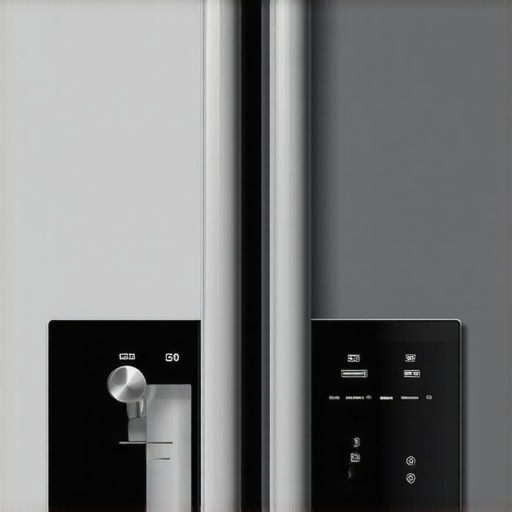
It was a hot Saturday afternoon when I opened my fridge and was greeted not by the cool, refreshing air I expected, but a damp, frosty smell that hit me like a slap. My leafy greens were wilting faster, and the ice buildup was impossible to ignore—my side-by-side fridge had stubbornly refused to defrost, leaving me frustrated and scrambling for answers. That lightbulb moment made me realize how much I rely on my appliances, often taking their smooth operation for granted until they let us down.
Why Forcing a Defrost Cycle Can Save Your Fridge—and Your Sanity
If you’ve ever faced a similar situation, you know how disruptive a frosted-over fridge can be. Not only does it compromise food quality, but it also forces your appliance to work overtime, leading to higher energy bills and faster wear and tear. The good news is, sometimes, a manual nudge can solve the problem more quickly than waiting for the automatic defrost cycle to kick in. I’ve learned from experience that knowing how to force a defrost can be a game-changer, especially when the system fails or gets stuck.
Interestingly, a clogged defrost drain or malfunctioning thermostat are common culprits behind stubborn ice buildup. According to Smart Appliance Review, addressing these issues promptly can extend your fridge’s lifespan and prevent costly repairs.
Early on, I made the mistake of simply unplugging and waiting for the defrost cycle, only to realize that some issues require a more proactive approach. Understanding the inner workings of your fridge’s defrost system can empower you to troubleshoot effectively, saving time and money. Ready to get your fridge back to peak performance? Let’s dive into how to manually force a defrost cycle safely and effectively.
Locate the Main Control Panel or Access Panel
First, unplug your refrigerator to ensure safety; think of it like turning off the power before changing a light bulb. Usually, the control panel is behind the kick plate at the bottom or inside the fridge near the temperature controls. Remove any screws or panels gently, using a screwdriver if necessary, and set them aside carefully. In my experience, this step is crucial to access the internal components where you’ll manually trigger the defrost process.
Engage the Defrost Mode Using Manual Controls
Many modern refrigerators have a manual defrost button or setting. If yours does, press and hold this button for about five seconds until you see indicators or lights turn on, signaling that the defrost cycle has been initiated. For models without a dedicated button, you can often override the system by pressing a combination of buttons—consult your refrigerator’s manual for exact instructions. This method is like giving your appliance a nudge, telling it to defrost now instead of waiting for its automatic cycle.
Bypass the Defrost Timer for Faster Action
If your fridge lacks manual controls, locate the defrost timer—usually a small dial or motor with a rotating knob, found behind the control panel or at the back inside the compressor compartment. Using a screwdriver, rotate the timer clockwise until it clicks, which signals that the defrost cycle has started. Think of it as turning a key to start the process manually, much like starting a lawnmower by turning the key instead of waiting for the scheduled time. I once did this when I noticed significant ice buildup, and it worked like a charm, melting the ice rapidly.
Use the Thermostat or Switch to Lower Temperature
As an additional step, temporarily set the refrigerator’s thermostat to its coldest setting. This action encourages the defrost process to accelerate by increasing the compressor’s activity. Check if your model has an emergency or override switch—if it does, toggle it to activate defrost mode directly. This makes your fridge think it’s working overtime, prompting faster ice melting, similar to how a car’s engine warms up quicker when you turn the heater on full blast.
Manually Remove Excess Ice and Drain Water
Once the ice has softened—after about 30 minutes of applying these techniques—carefully scrape off the loosened ice with a plastic spatula. Be gentle to avoid damaging internal components. Place a towel at the bottom to absorb melting water, or use a sponge to mop up. This step is like chipping away at frozen mud; patience and care prevent damage. Remember, excessive force can break delicate parts, so proceed gently. For stubborn ice or to prevent future build-up, check the drain for clogs—clean it out to ensure proper drainage and discourage ice formation. If your refrigerator’s interior is sweating or condensation is an issue, review this guide for additional tips.
Many homeowners operate under misconceptions about their appliances, which can lead to inefficient use or even damage. For instance, there’s a widespread belief that running a dishwasher without detergent is harmless, but in reality, it can cause residue buildup and reduce cleaning efficacy, potentially leading to foul odors and mold growth, as discussed in this expert guide. Moreover, many think that all fridge temperatures should be set to the same level; however, improperly calibrated sensors can cause vegetables to freeze or perish prematurely, emphasizing the importance of accurate temperature calibration. You might also assume that energy-efficient appliances always save money—that’s a myth. Energy Star ratings don’t always account for usage patterns, so savvy users who understand how to optimize settings, such as the right washing machine cycle or fridge placement, can save more than just energy. Advanced users often fall into the trap of over-cleaning or over-maintaining, believing it extends appliance lifespan, but excessive cleaning—especially with harsh chemicals—can damage seals or electronics. Knowing the nuanced operation of smart appliances is equally critical; some owners overlook firmware updates, which can fix bugs or improve performance, leaving their devices vulnerable or malfunctioning. For example, not updating your smart fridge’s software might cause synchronization issues with your grocery apps or reduce its ability to track inventory effectively, as explained here. When troubleshooting, avoid the mistake of ignoring the small indicator lights or sounds—these often signal underlying faults that, if addressed early, can prevent costly repairs or replacements. Lastly, many users underestimate the importance of proper load organization; a cluttered washing machine or dishwasher not only hampers performance but can cause mechanical strain. For instance, overloading can cause unbalanced spins, especially in front loaders, reducing lifespan. Want to dig even deeper into optimizing your appliances? Check out our guide on smart washer troubleshooting tips. Have you ever fallen into this trap? Let me know in the comments.
Investing in Quality Maintenance Tools for Longevity
When it comes to maintaining your appliances, having the right tools makes all the difference. I personally rely on a digital multimeter with auto-ranging capabilities; it allows me to quickly diagnose issues like faulty thermostats or compressor problems in refrigerators and washing machines. A good set of screwdrivers—both Phillips and flathead—is essential for opening panels safely without damaging delicate plastic clips. For cleaning clogged drains, I swear by a flexible drain auger, which I use monthly to prevent buildup in dishwashers and washing machines. These tools are not just for repair—they serve as preventative measures, saving you costly repairs down the line.
Smart Software for Monitoring and Alerts
Today’s smart appliances come with companion apps that provide real-time diagnostics. I highly recommend installing the manufacturer’s app on your phone; it offers notifications for maintenance needs, firmware updates, or temperature fluctuations. For example, my smart refrigerator’s app alerted me to a sensor malfunction before it caused food spoilage. Regularly checking these alerts ensures you catch issues early. I also use software like firmware update guides to keep my appliances running efficiently and securely, preventing vulnerabilities that could lead to malfunctions.
Long-Term Results Require Scheduled Maintenance
Consistent upkeep is the secret to extending appliance life. I set monthly reminders to clean door gaskets, as described in this detailed guide. Additionally, calibrating sensors annually—like my smart oven—ensures optimal performance. Using a calibration kit, I can fine-tune temperature readings, which avoids over- or under-cooking. For refrigerators, maintaining the condenser coils clean prevents excessive energy consumption, as shown in this expert resource. Scheduling proactive maintenance not only saves money but also guarantees consistent appliance performance over the years.
Scaling Up Your Appliance Maintenance Routine
Whether you’re managing one appliance or a house full, scaling your routine is crucial. I’ve found that creating a maintenance calendar with clear tasks—like cleaning filters, checking drainage systems, and updating software—helps stay on top of things. For multi-appliance setups, automation tools like smart home hubs can coordinate alerts and perform diagnostics periodically, reducing manual oversight. As the trend toward smart homes accelerates, integrating these systems will become standard, and staying ahead of maintenance through proactive measures will be key to keeping everything operational without surprises.
How do I maintain my appliances over time?
Maintaining your appliances long-term involves a combination of good tools, routine checks, and leveraging smart technology. Regularly cleaning components, calibrating sensors, and updating firmware—guided by resources like this calibration guide—can dramatically extend their lifespan. Additionally, investing in quality diagnostic tools, like a digital multimeter or a high-pressure drain cleaner, ensures quick troubleshooting. Predictive maintenance, using apps and software to send alerts before problems occur, is where I see appliance care heading. For example, I recommend trying out the tip of calibrating your smart oven to prevent temperature inaccuracies; it’s simple and makes a noticeable difference in cooking results.
The Hardest Lesson I Learned About Dishwashers and Fridges
One of the toughest lessons I encountered was realizing that not all appliance issues are due to age or wear—sometimes, the problem lies in overlooked maintenance routines or misinformation. For instance, I once ignored a simple drain clog in my dishwasher, only to face a persistent foul odor that took months to fully resolve. The lightbulb moment was understanding that routine checks could prevent such headaches, saving time and expense in the long run.
The Myths About Smart Appliances That Could Hold You Back
Many homeowners assume that smart appliances automatically handle maintenance issues or alerts—this isn’t entirely true. I learned the hard way that keeping firmware updated is vital for their optimal performance. Missing these updates can leave your fridge or washer vulnerable to bugs or inefficiencies, as detailed in this guide. Embracing the full potential of smart tech means being proactive, not just relying on automation.
Why Simplifying Your Maintenance Routine Really Pays Off
Initially, I overcomplicated appliance care, thinking I needed specialized tools or frequent professional service. The breakthrough was realizing that basic habits—like regularly cleaning door seals or checking drain filters—make a huge difference. These small actions prevent costly repairs and extend appliance lifespan. A tool I always keep handy is a digital multimeter for quick diagnostics, which I use before calling in a repair service, as explained here.
Curated Resources That Deepened My Understanding of Appliance Maintenance
- Smart Appliance Review Blog: Trustworthy for in-depth guides on firmware updates and troubleshooting. Their tutorials helped me understand the importance of software calibration.
- HomeFixIt DIY Series: Offers detailed videos on basic repairs like replacing door gaskets or cleaning condenser coils, empowering me to fix small issues myself.
- ApplianceCare Expert Group: An online community where I learned about scheduling routine maintenance and sharing real-world tips from seasoned pros.
Now It’s Your Turn to Keep Your Appliances at Their Best
Being proactive and informed truly changes the way your appliances serve you. Implementing these personal insights and trusted resources can transform a daunting maintenance routine into an empowering practice. Remember, a little effort now leads to longer-lasting, more reliable appliances—so why not start today? How will you incorporate these upkeep tips into your routine to ensure your home appliances remain problem-free? Share your plans below!