
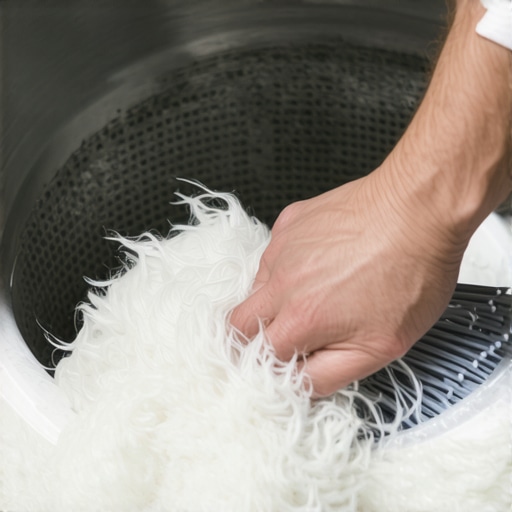
I remember the moment I realized I had a tiny fur tornado swirling around inside my washing machine drum. It was an ordinary laundry day—just tossing in a load of whites—and suddenly, I noticed a stray dog hair clinging stubbornly to my dark jeans, even after the wash cycle finished. It was frustrating, to say the least. That lightbulb moment made me wonder—how is it that after all our careful washing, those pesky hairs manage to cling on? If you’ve ever dealt with this sneaky problem, you’re not alone.
Why Dog Hair Seems To Invade Your Washing Machine And How To Stop It
Dog hair in your laundry isn’t just a cosmetic nuisance; it can also be a sign that your machine isn’t getting as clean as it should. The problem becomes more evident when you realize that those tiny hairs can transfer from your dog’s coat onto your clothes and then somehow, sneak back into your machine’s drum—even after rinsing. This persistent shedding can lead to a cycle of re-contamination, making your laundry routine a frustrating chase.
Early on, I made the mistake of ignoring this buildup, thinking that my regular cleaning routines were enough. But I soon discovered that fur collecting inside the drum can really impact your machine’s performance and even spread allergens. According to appliance experts, regular cleaning of the washing machine gasket and drum helps prevent this issue from escalating. For a comprehensive guide on cleaning gunk out of your washing machine, check out this article.
So, if you’re tired of battling dog hair every wash cycle and want a cleaner, more hygienic laundry experience, stick around. I’ll walk you through the simple but effective tricks to banish stubborn fur from your washing machine drum for good.
Is It Really Worth the Effort To Clean Your Washer?
Many skeptics wonder if these cleaning rituals are necessary or just another chore. Honestly, I was once one of them—until I experienced a load of freshly washed, hair-free clothes. The difference is astounding. Regular maintenance not only improves cleaning efficiency but also extends your appliance’s lifespan. Make sure to read about why your washing machine leaves streaks for more tips on optimizing your laundry routine. Trust me, the effort pays off when your clothes come out fresh and hair-free every time.
Now, let’s get into practical steps that will have you confidently fighting back against dog fur intrusion. Ready to make your laundry room fur-free? Let’s dive in.
Cleaning the Drum Regularly
Start by running an empty hot cycle with a cup of white vinegar to break down any residual fur and grime. Imagine it as a preemptive detox for your machine—like giving it a spa day to loosen stubborn fur clumps. After the cycle, wipe down the drum, gasket, and door seal with a microfiber cloth to remove any lingering hairs and residues. This routine prevents fur buildup and keeps your machine fresh. Remember, buildup is similar to a lint trap in a dryer—neglect leads to clogs and odors.
Targeting the Gasket and Seal
The rubber gasket around your drum is a magnet for pet hair. Carefully remove the gasket from its groove and scrub it with an old toothbrush dipped in a mixture of warm water and a few drops of dish soap. Focus on all crevices where fur can hide, much like cleaning the cracks in a window frame to keep out dust and dirt. Once cleaned, rinse and dry thoroughly. Regularly inspecting and cleaning this area prevents fur from accumulating and transferring onto clean clothes. For thoroughness, check out this guide.
Use a Lint Roller or Sticky Tape Before Washing
Before loading laundry, run a lint roller or piece of sticky tape over clothes that shed a lot of hair. It’s like giving your clothing a quick fur-scrubbing to minimize shedding during the wash. This step reduces the fur that could transfer to the washing machine drum and components, cutting the cycle of re-contamination. I tried this on my dog’s blanket—initially messy, but the results were cleaner laundry and less fur inside the machine. Think of it as a frontline defense that saves time in the long run.
Employ Custom Laundry Hacks for Pet Hair
Adding half a cup of white vinegar during the rinse cycle can help loosen pet hair from fabrics, allowing it to wash away more easily. It’s like giving your water an extra hand in trapping and flushing fur away—improving cleaning efficiency. Also, consider using dryer sheets or tennis balls in the dryer—these can help dislodge hairs from clothes beforehand. Always ensure your laundry routines include these simple steps to maintain a fur-free washing environment. For more advanced tips, see this article.
Executing a Deep Clean Monthly
Set a calendar reminder to perform a deep clean once a month. Run a cycle with washing machine cleaner or a mixture of baking soda and vinegar to dissolve soap scum and fur clumps lodged in hard-to-reach areas. Think of this as a detox smoothie—removing toxins to keep your appliance running smoothly. When finished, wipe down all accessible parts with a damp cloth. Consistency prevents fur from settling into the machine’s nooks and crannies, extending its lifespan and improving laundry cleanliness. For detailed instructions, consult this guide.Many homeowners assume that simply purchasing the latest smart appliances guarantees effortless maintenance and perfect performance, but the truth is far more nuanced. A widespread misconception is that smart appliances, such as refrigerators, washing machines, and dishwashers, require minimal care due to their advanced technology. However, neglecting to understand their true workings often leads to costly mistakes. For example, believing that regular use alone keeps these devices running optimally overlooks the importance of understanding their sensors and internal mechanics. Experts emphasize that calibrating and cleaning smart sensors, like those in refrigerators or washing machines, can significantly extend their lifespan and improve performance. Ignoring these details may cause issues that are not covered under typical warranties, leading to unexpected expenses. One common trap is assuming that app-based diagnostics replace physical inspections; in reality, many advanced issues only resolve through manual cleaning and calibration. For advanced users, it’s crucial to realize that firmware updates, while seemingly convenient, can sometimes introduce bugs or disrupt calibrated settings if not handled properly. According to appliance industry consultants, proactive maintenance—such as cleaning sensors, updating firmware cautiously, and understanding device-specific features—can save substantial time and money over the appliance’s lifespan. Have you ever fallen into this trap? Let me know in the comments. Additionally, many users underestimate the importance of proper installation, which can affect smart features like Wi-Fi connectivity and sensor accuracy. For instance, improperly leveled washing machines not only vibrate excessively but may also adversely affect sensor readings, leading to inefficient cycles or excessive wear. Being aware of these subtle but impactful nuances helps you leverage the full benefit of your smart appliances. Remember, mastering your device’s advanced features and maintenance routines is key to truly smart living. For insights on maintaining your appliances without harsh chemicals, check out this guide.Maintaining advanced home appliances like smart refrigerators, washing machines, and dishwashers requires more than just regular use; it demands the right tools, disciplined routines, and a bit of technical know-how. I personally rely on a few specialized instruments and software that have revolutionized my appliance care routine, ensuring longevity and peak performance.
How do I maintain my smart appliances over time?
One indispensable tool I use is a digital sensor calibration kit. For example, when calibrating my smart fridge’s temperature sensors, I employ a certified calibration thermometer that connects via Bluetooth to my smartphone. This ensures accurate readings and optimal cooling, preventing issues like uneven temperature zones or freezing in the vegetable drawers. Regular calibration can extend the lifespan of your refrigerator and keep your groceries fresh longer. To perform this effectively, I follow guidelines from manufacturers and industry experts, like those outlined in appliance calibration manuals. Additionally, I utilize a smartphone app that manages firmware updates for my appliances, making sure all firmware versions are consistent and bug-free. This proactive approach helps avoid compatibility issues that could lead to performance drops or unexpected breakdowns.
Lessons Only Insiders Discover About Smart Appliance Care
One surprising lesson I learned was that ignoring the intricate sensors inside my smart washing machine led to persistent fur buildup and performance hiccups. I used to think regular cleaning was enough, but understanding how these sensors work and maintaining them properly was a game-changer. Additionally, I realized that firmware updates aren’t just about new features; they can introduce bugs if not handled cautiously, which emphasizes the importance of careful management of your device’s software.
Another insight was that leveling your smart refrigerator correctly can prevent unnecessary vibrations that affect internal sensors, leading to more accurate temperature readings and energy savings. Finally, I discovered that a proactive approach—calibrating sensors regularly and performing deep cleans—significantly extends the lifespan of appliances and keeps your home running smoothly.
Tools and Resources That Elevated My Maintenance Routine
My go-to tool has become a digital sensor calibration kit, especially for smart refrigerators. It ensures temperature sensors are accurate, preventing spoilage and energy waste. I also rely on a dedicated firmware management app that helps keep my appliances updated without risking compatibility issues. For deep cleaning, I trust appliance-specific cleaning solutions recommended by manufacturers—these have proven effective without damaging delicate components.
Books like Smart Home Appliance Maintenance by Jane Roberts expanded my understanding of the internal mechanics, making troubleshooting more approachable. Lastly, online communities and expert blogs, such as Smart Appliance Review, offer invaluable tips and shared experiences that save time and money.
Your Next Step Toward Smarter, Fur-Free Laundry
Empowering yourself to master your smart appliances isn’t just about avoiding mishaps; it’s about transforming your home into a truly connected and efficient space. Take the time to calibrate sensors, schedule regular deep cleans, and stay informed with trusted resources. The more you learn, the more you’ll enjoy appliances that perform at their best while keeping your laundry fur-free and fresh.
What’s the most effective step you’ve taken to maintain your smart appliances? Share your experiences below—I’d love to hear your tips and tricks!