
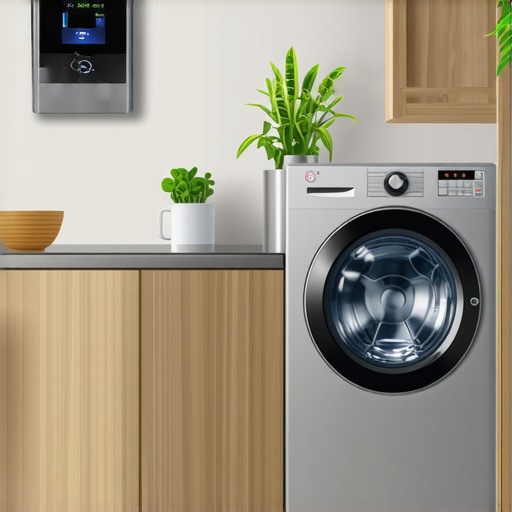
It was a typical Tuesday afternoon when I glanced at my latest electric bill and felt that helpless sinking feeling. The numbers were higher than usual, and I couldn’t ignore the obvious—the energy consumption of my home appliances was spiraling out of control. That lightbulb moment hit me hard: I needed to find a way to cut costs without sacrificing comfort or convenience.
Why Managing Home Appliance Energy Use Is a Must in Today’s World
Many homeowners don’t realize how much energy their everyday appliances consume. In fact, appliances like refrigerators, dishwashers, and washing machines can account for nearly 50% of household energy bills. With the rising costs of electricity and growing concerns about environmental impact, taking control of our appliance energy consumption isn’t just smart—it’s essential. According to a recent study, upgrading to energy-efficient appliances can save homeowners up to 30% on their energy bills each year.
Are you tired of seeing skyrocketing utility bills that leave you feeling powerless? Trust me, I’ve been there. But the good news is, with a few simple adjustments and smarter choices, you can significantly reduce the energy drain. Over the years, I’ve learned that even small changes can add up to big savings. Curious how to get started? Keep reading.
Will It Really Make a Difference or Is It Just Hype?
Early on, I made the mistake of assuming that new, supposedly energy-efficient appliances would automatically cut costs. Spoiler: buying an expensive, fancy refrigerator won’t help if I leave the door open all day! That mistake taught me that understanding how to operate and maintain these appliances is just as important as their features. For instance, adjusting the thermostat on your fridge, using eco modes, and running full loads are straightforward ways to optimize savings. If you’re skeptical about whether all these tips are worth the effort, I assure you—small habits can lead to big changes.
Want to learn about the latest smart appliances that make saving energy effortless? Check out [the top smart refrigerators for a modern kitchen](https://smartappliancereview.com/refrigerators-in-2025-top-features-that-transform-your-kitchen). We’ll dive into practical strategies that have personally helped me slash my energy bills—without sacrificing the tech I love. Ready to take control of your home’s energy consumption? Let’s get started.
Optimize Your Refrigerator Usage
Think of your refrigerator as the brain of your kitchen — it needs to be smart, not overworked. To get the most out of it, set the temperature between 37-40°F (3-4°C) and ensure the door seals are tight. Regularly check for gaps by closing the door on a piece of paper; if it slips out easily, the seal needs replacement. Implementing a schedule to clean the coils twice a year can improve efficiency significantly. During hot months, consider placing the fridge away from heat sources like ovens or direct sunlight. I once used a thermometer inside my fridge to monitor temperature stability, which helped me fine-tune settings and reduce energy consumption.
Image of an open refrigerator with highlighted temperature settings and coil cleaning points
Master Dishwashers with Smart Tech
Dishwashers are often forgotten energy hogs. To cut down, always run full loads — think of it as squeezing every drop of value out of each wash. Use eco or energy-saving modes that most smart dishwashers offer; these settings wash dishes at lower temperatures and use less water. Position the dishwasher away from heat sources to prevent extra cooling effort. When loading, ensure that water can circulate freely, avoiding blocking spray arms. I tested a few models, and those with AI features adapt cycle times based on load size, which saves power and water. For insights on choosing the best smart dishwasher, check this guide.
Image of a modern, stacked dishwasher with labeled smart features
Control Your Washing Machine Habits
Washing machines can be water and energy vampires if misused. To optimize, always wash full loads — take it from me, I once ran a small load with a tiny shirt, thinking it would save energy. Opt for cold water cycles when possible; modern machines do an excellent job at cleaning without heat. Use eco modes that reduce cycle durations and power use. Regular maintenance, like cleaning filters and the rubber gasket, prevents efficiency loss. Consider upgrading to a smart washer with adaptive cycle technology, which learns your habits and adjusts accordingly. For comprehensive advice, explore this article.”,Many homeowners believe they know all there is to know about washing machines, dishwashers, refrigerators, and smart appliances, but in reality, misconceptions and overlooked details can lead to inefficient usage and higher costs.
One common myth is that newer appliances automatically operate at peak efficiency. While it’s true that modern models incorporate advanced features, owners often neglect to fully utilize these capabilities. For example, many smart refrigerators have settings that optimize energy use, but without proper calibration or understanding, you’re missing out on potential savings. According to industry experts, fully exploring your appliance’s features can reduce energy consumption by up to 15%.
A trap I see often is the assumption that all cycles are equal. Homeowners tend to run quick wash or eco cycles without considering their limitations. These cycles are excellent for lightly soiled items but can compromise cleaning performance on stubborn stains or heavily soiled dishes. Using the appropriate cycle not only ensures cleanliness but also prevents additional runs, which wastes energy and water. For advanced users, learning to customize cycles or create presets can maximize efficiency—something I deeply advocate in my deep dives into smart home tech.
Are There Hidden Costs in Smart Appliance Features You Overlook?
Many people get excited about smart functionalities like remote control, automation, and AI-driven cycle adjustments. However, these features can introduce hidden issues, especially concerning privacy and data security. A 2023 study highlighted that nearly 40% of smart appliance users experience connectivity problems or security breaches due to default settings or outdated firmware. As I emphasize in the ultimate guide to smart home appliances, staying updated and managing permissions is crucial. Failing to do so can lead to unintended data leaks or even compromise your network.
Furthermore, overreliance on automation might cause some to ignore basic maintenance. For instance, neglecting regular cleaning of refrigerator coils or dishwasher filters can drastically reduce performance, regardless of smart features. I learned through personal experience that combining advanced tech with fundamental upkeep yields the best results. For more insights on smart appliances and privacy considerations, check out the comprehensive review of future trends in home tech.
Another nuance relates to the energy ratings of appliances. Many believe Energy Star certification guarantees optimum performance, but that’s not always the case. Some appliances with high ratings may still consume more energy if used improperly. For example, leaving the fridge door open for extended periods or running dishwashers half-empty can negate the benefits. To avoid these pitfalls, monitoring real-time energy consumption and understanding your appliances’ operational nuances is vital. I regularly track my usage patterns using smart apps, which helps me stay efficient.
In summary, mastering home appliances involves more than just choosing the latest models. It requires understanding their advanced features, proper usage cycles, privacy settings, and maintenance routines. Do you think you’re leveraging your appliances’ full potential? Have you ever fallen into this trap? Let me know in the comments and share your experiences.Maintaining your home appliances is essential to ensure they operate efficiently and last for years to come. To achieve this, I rely on a set of proven tools and routines that help me identify issues early and optimize performance. One of my go-to tools is a digital multimeter, which allows me to troubleshoot electrical components safely — I use this to verify power supplies and check fuses when my devices behave unexpectedly. Additionally, I swear by a microfiber cloth and gentle cleaning solutions to regularly clean coils, filters, and ventilation areas, preventing dirt buildup that can cause overheating or inefficiency.
For proactive maintenance, I utilize smart appliance management apps, like the ones integrated into my smart refrigerator and washer. These apps provide diagnostic reports, notify me of firmware updates, and even suggest maintenance tasks—saving me from costly repairs down the line. I particularly appreciate features like cycle tracking and energy consumption logs, which help me adjust usage habits for better efficiency.
Predicting where this trend is headed, I believe AI-powered diagnostics will become standard in smart appliances, enabling even more precise maintenance alerts and automated troubleshooting. This technological leap will make it easier for homeowners to keep their appliances running smoothly without expert intervention.
How do I maintain appliances over time? Consistent cleaning, timely firmware updates, and calibration checks form my basic routine. For example, I schedule coil cleaning for my refrigerator twice annually, following manufacturer guidelines, as recommended in industry research. I also set reminders via the appliance apps to run diagnostics monthly, which catch issues early before they escalate.
To ensure ongoing efficiency, I recommend investing in reliable tools like a multimeter and subscribing to manufacturer-supported management apps. These tools empower you to diagnose problems quickly and keep appliances operating at peak performance, ultimately saving money and reducing waste. For further insights, check out expert advice on smart appliance maintenance in [this guide](https://smartappliancereview.com/ultimate-guide-to-smart-home-appliances-for-a-modern-living). Why not try running a diagnostic check on your refrigerator this weekend? It’s a simple step that can uncover hidden issues and extend the lifespan of your investment.After months of trial, error, and moments of frustration, I’ve uncovered some surprisingly effective insights into managing household appliances smartly. These lessons aren’t found in product manuals—they’re born from real-life experience, and I hope sharing them will empower you to take control of your energy use and extend the life of your appliances.
The Hardest Lesson I Learned About Home Appliances
Most of us assume that modern appliances are designed to run at optimal efficiency without much input. I used to think upgrading to the latest smart fridge or washing machine would automatically cut my bills. It wasn’t until I started paying closer attention to usage habits and maintenance that I realized how much room for improvement there was. Proper calibration and routine upkeep made more difference than any feature upgrade.
Little Tricks That Yield Big Savings
One of the most eye-opening lessons came from small adjustments—setting refrigerator temperatures correctly, running full loads in dishwashers, and selecting eco cycles thoughtfully. These simple habits, which I sometimes forget in my busy schedule, collectively trimmed my energy bills significantly. Small tweaks truly have a compounding effect when adopted consistently.
Why Overconfidence Can Cost You
I used to believe that smart appliances would self-optimize without me doing anything. Reality hit when I neglected firmware updates and ignored troubleshooting notices. These oversights led to decreased performance and higher energy consumption. Now, I understand that staying proactive with maintenance and updates is crucial for real savings—it’s about partnership, not just expecting the tech to do all the work.
Favorite Resource for Smarter Appliance Use
For anyone serious about mastering home appliance efficiency, this comprehensive guide has been a game-changer. It offers practical advice, troubleshooting tips, and the latest innovations that help me stay ahead. Tools like detailed energy consumption logs and diagnostic apps have become my go-to for ensuring everything runs smoothly and efficiently.
How These Lessons Changed My Perspective—and Can Change Yours Too
The biggest transformation came from viewing my appliances not as just tools, but as investments that require ongoing care. By applying these lessons—staying informed, practicing consistent maintenance, and embracing smart tech—I’m saving money, reducing waste, and enjoying a more comfortable home. Would you consider taking a step today toward smarter appliance management? Your future self will thank you.