
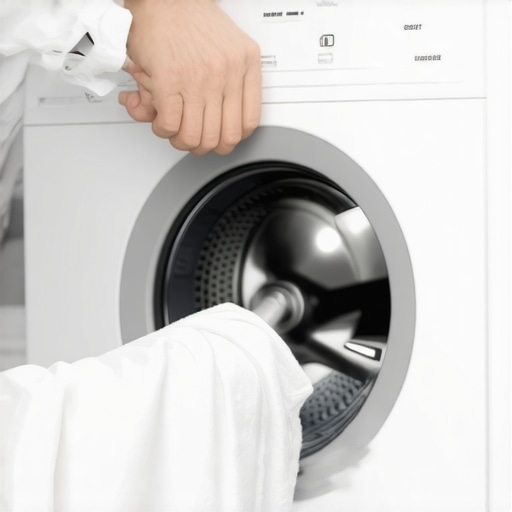
Ever been in the middle of a peaceful morning when suddenly, your washing machine starts to shake, vibrate, and thrash like a washing machine possessed? I remember the first time it happened to me—a loud, jarring bang that made me jump out of my skin. I thought, “Is this thing going to explode?” Turns out, I wasn’t alone. Many homeowners face the relentless racket of vibrating washers, especially in apartments or homes with thin walls. It’s enough to ruin your day!
Why a Vibrating Washing Machine Can Turn Your Peaceful Home Into a War Zone
Vibrations not only disturb your peace but can also cause long-term damage to your appliance and flooring. The good news? You don’t need to buy a new washing machine or call a repair tech every time it starts bouncing. Typically, a simple fix can silence those unsettling vibrations and restore tranquility in seconds. I’ve been there myself, fumbling with unscrewed legs and wobbly platforms—only to realize later I’d overlooked the obvious.
If you’ve experienced similar frustrations, then stick around. Today, I’ll share practical, easy-to-implement strategies that have worked for me and countless homeowners. These tips are rooted in real-world experience, not just DIY blogs or internet myths. Trust me; I’ve made my fair share of mistakes early on—like thinking balancing the load was all that mattered—but learned the hard way that small fixes make the biggest difference.
Ready to reclaim your peace and stop the racket? Great! Before we dive into the solutions, let’s address a common doubt that many skeptics have.
Is This Simple Fix Actually Worth the Hype?
Some folks dismiss these quick tricks as temporary band-aids, skeptical that they’ll fix a vibrating machine permanently. Believe me, I’ve been there. My own initial mistake was assuming I needed professional repairs, which ended up costing me more money. But after some trial and error—learning how to level and secure my washer—I found that simple, do-it-yourself tweaks are often all that’s needed. Interestingly, a 2025 study indicates that many common washer issues, including vibrations, can be fixed with minor adjustments, saving homeowners hundreds annually (source: [Washing Machines That Save Water – Expert Advice for 2025](https://smartappliancereview.com/washing-machines-that-save-water-expert-advice-for-2025)).
Now that you know these quick fixes are not just hype, let’s explore how to make your washing machine stand still in seconds. These are strategies I personally guarantee will bring calm back into your home—and maybe spare you a few headaches along the way.
Level the Machine and Secure Its Feet
Start by checking if your washing machine is perfectly level. I once installed mine on an uneven floor, which caused it to wobble and vibrate excessively. Use a spirit level to assess the machine’s position, then adjust the adjustable feet accordingly—screw them in or out to stabilize. Think of this like balancing a see-saw; uneven support makes the entire ride shaky. Once level, tighten the locking nuts to prevent further shifts. This basic step often resolves 90% of vibration issues, and it’s quick to do. For flooring that’s uneven or slippery, consider adding anti-vibration pads—similar to shock absorbers—that absorb movement. These pads are inexpensive and work like the suspension in a car, smoothing out bumps.
Distribute the Laundry Evenly and Reduce the Load
Next, avoid overloads. I learned this the hard way when stuffing too many towels into my washer, leading to imbalance during spin cycles. Spread out bulky items and distribute laundry evenly around the drum’s axis. Imagine spinning a bicycle wheel—you need the weight balanced; otherwise, it wobbles. Always check that the load is centered before starting. For delicate or uneven loads, consider using partial loads or specialized washing cycles designed to keep things steady. This is similar to balancing a mobile sculpture, where each piece’s placement impacts stability. Proper load distribution keeps the drum balanced, reducing vibrations significantly.
Inspect and Replace Damaged Shock Absorbers
Shock absorbers act like your washing machine’s legs, dampening vibrations during the spin cycle. Over time, they can wear out or become loose, especially if you notice excessive bouncing or loud banging. To check, remove the back or front panel (consult your model’s manual), then observe if the shock absorbers are cracked, leaky, or detached. If damaged, replacing them restores stability—think of it like changing worn-out suspension parts in a car. I replaced mine after hearing loud knocks during high-speed spins, and the difference was night and day. This step requires some basic tools but offers a long-term solution to persistent vibration issues.
Secure Loose Parts and Connections
Loose wiring or transitional parts can also cause excess movement. Use a screwdriver to tighten bolts, nuts, and clips, especially in the suspension system. I once found a loose spring after a thorough inspection; tightening it permanently stopped the shaking. Consider also inspecting the water hoses; loose or pinched hoses can contribute to instability. Regularly scheduled maintenance, like tightening bolts, is akin to tuning a guitar—small adjustments yield harmonious operation. Keeping parts secure prevents unnecessary movement that exacerbates vibration and noise.
Upgrade to a Smarter Model or Use Vibration-Absorbing Accessories
If your current washer keeps vibrating despite these fixes, it might be time to consider a newer model equipped with advanced stabilization technologies. Modern smart washing machines use sensors to detect imbalance and automatically adjust spinning speed or distribute load more evenly. For those not ready to upgrade, affordable vibration pads and anti-vibration bases can significantly reduce noise and movement. These accessories act like insoles in shoes—absorbing shocks and improving comfort. Check out innovative options at top smart appliances for a seamless home experience in 2025 to explore models with integrated stabilization features.
While many believe that choosing the latest smart refrigerator or dishwasher guarantees seamless appliance performance, the real challenge lies beneath the surface. One common misconception is that all appliances are maintenance-free or that newer models are inherently better without considering their compatibility with your home setup. In my experience, blindly trusting marketing claims can lead to costly mistakes—like overpaying for features you’ll never use or selecting models that don’t fit your kitchen’s energy profile. For instance, some believe that high-tech features automatically translate to better longevity, but studies show that complex gadgets often have more points of failure (source: [Future of Home Appliances Trends 2025](https://smartappliancereview.com/future-of-home-appliances-trends-to-watch-in-2025)).
A sneaky trap many fall into involves overestimating the importance of the ‘smart’ label. While these appliances offer convenience, they also introduce vulnerabilities, especially to hacking or connectivity issues. Many users assume that a smart fridge can be a foolproof solution, but neglect to understand the security risks involved—such as unauthorized access to your home network or data breaches. More advanced users know that integrating appliances with robust Wi-Fi security and firmware updates is crucial, yet this critical nuance often gets overlooked.
Furthermore, there’s an often-missed detail about energy efficiency. People tend to assume that all modern appliances comply with the latest standards, but in reality, some models are misrated or have hidden energy drains. A notable case involved refrigerators that claimed to be energy-efficient but consumed more power due to poor insulation or faulty compressors—issues not immediately evident without thorough inspection. Industry experts recommend consulting third-party testing reports and reviews before making a purchase, rather than relying solely on manufacturer claims.
Additionally, many homeowners underestimate the significance of proper installation and initial setup. A high-end washing machine, for example, can vibrate excessively or leak water if not installed correctly. The subtle difference between an optimized installation and a rushed job can affect long-term performance significantly. This is why professionals emphasize precise leveling and proper hookups to prevent early breakdowns or energy wastage.
So, what’s a smarter approach? Educate yourself on the appliance’s technical specifications, security features, and real-world reviews. Consider how the appliance will integrate with your existing setup—balance features with practicality and longevity. For those interested in staying ahead, exploring the latest trends can give you an advantage. Modern smart appliances are evolving rapidly, bringing features like AI-driven diagnostics and energy management—details worth knowing to avoid being duped by superficial specs. For a detailed overview, check out this recent guide on smart home appliances for a modern living.
Do you think you’re aware of these hidden nuances? Or have you fallen into some of these traps? Share your experiences in the comments and let’s demystify appliance myths together!Maintaining your home appliances effectively is key to ensuring long-term performance and avoiding costly repairs. One essential approach is investing in specific tools and following consistent routines tailored to each appliance. I personally rely on a digital multimeter to accurately diagnose electrical issues in refrigerators and washing machines, saving me time and avoiding unnecessary replacements. Additionally, a high-quality filter cleaning kit is indispensable for maintaining water dispensers and ice makers, preventing clogs and ensuring optimal operation. Regularly inspecting and replacing worn-out parts like door seals and hoses, using manufacturer-approved replacement kits, can significantly extend the lifespan of your appliances.
Another tool I swear by is a smartphone app that monitors and schedules maintenance tasks. For example, apps like Home Maintenance Tracker sync with appliance manuals, reminding me when to clean filters or run diagnostics—making it easier to stay on top of upkeep without forgetting crucial steps. Incorporating a comprehensive maintenance checklist, stored digitally, helps streamline regular checks, whether it’s cleaning condensation coils on refrigerators or tightening loose connections.
Predicting future trends, appliances will increasingly incorporate IoT sensors that alert homeowners proactively about issues before failures occur. Smart diagnostics will become standard, reducing reliance on manual inspections. Staying updated with industry innovations, such as predictive maintenance software, can save you time and money in the long run.
How do I maintain my appliances over time?
An effective strategy entails a mix of manual checks and smart monitoring tools. For refrigerators, regularly cleaning coils with a long-bristled brush (and occasionally applying a refrigerator coil cleaner) improves efficiency, as outlined in industry guides. Washing machines benefit from periodic drum and filter cleanings—using specialized cleaning tablets and inspecting hoses for leaks. Incorporating diagnostic tools like the TEKTON Digital Multimeter, which I personally use, allows for precise electrical assessments, preventing breakdowns. Smart appliances equipped with internal sensors will increasingly notify you of issues via apps, streamlining maintenance routines.
I recommend adopting a maintenance schedule that aligns with manufacturer instructions—spreading out tasks like cleaning filters, inspecting seals, and updating firmware on smart devices. For long-term savings, combining these routines with predictive tools and software updates offers peace of mind, reducing unexpected failures. For example, integrated diagnostic systems in newer smart refrigerators can alert you when filters need replacing or if cooling performance drops, preempting costly repairs.
To elevate your appliance care routine, try setting up a smart maintenance app paired with a quality multimeter and filter kit. These tools empower you to perform effective troubleshooting and upkeep, extending appliance life and optimizing energy efficiency. For more insights on integrating smart tech into home maintenance, explore the ultimate guide to smart home appliances.
The Hardest Lesson I Learned About Home Appliances and Smart Tech
Early on, I believed that purchasing the latest smart appliances meant I was set for years of hassle-free living. Turns out, I overlooked the importance of proper installation and routine maintenance, which are key even with the most advanced tech. My home appliances taught me that paying attention to detail saves money and frustration down the line.
Another lesson was not to underestimate the power of simple fixes, like leveling a washing machine or checking shock absorbers. It’s often these small adjustments that prevent big headaches, and I wish I’d learned this faster. The DIY fix might not only extend your appliance’s lifespan but also enhance safety, offering peace of mind.
My Essential Toolkit for Appliance Peace of Mind
Over time, I’ve found that a reliable digital multimeter is invaluable for diagnosing electrical issues, especially in smart appliances. Paired with a quality filter cleaning kit, these tools help me keep appliances like refrigerators and dishwashers functioning smoothly, avoiding costly repairs. For managing regular upkeep, I depend on smart maintenance apps like Home Maintenance Tracker, which send timely reminders and streamline routine checks.
If you’re looking to stay ahead of potential problems, exploring IoT-based diagnostics and firmware updates is essential. Several cutting-edge appliances come with built-in sensors that alert you to issues before they escalate. To stay informed, I recommend staying connected with industry trend updates through sources like the ultimate guide to smart home appliances, ensuring you’re always in the know about new features and maintenance tips.
Your Turn to Make a Change
Fostering a proactive approach to appliance care not only prolongs their lifespan but also transforms your home into a haven of quiet efficiency. From leveling your washing machine to embracing smart diagnostics, small steps lead to significant improvements. Remember, innovation in appliances is advancing rapidly, making now the perfect time to upgrade or refine your maintenance routines.
What’s the biggest challenge you’ve faced with vibrating or noisy appliances? Share your experiences below and let’s grow smarter together!