
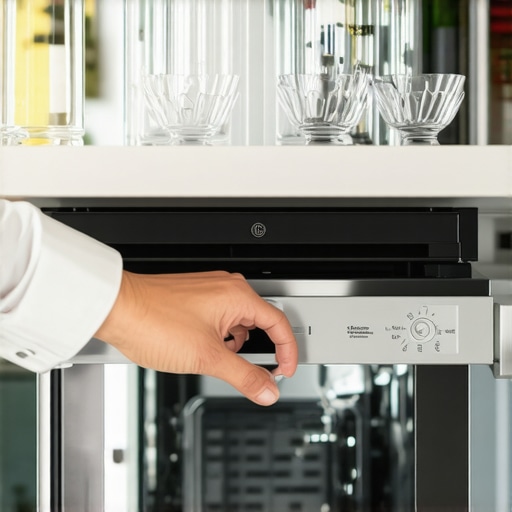
I remember the moment vividly — pulling out one of my prized crystal wine glasses after a cycle, only to find that delicate surface etched and dull. It was a lightbulb moment for me, realizing that my once-stunning glassware was slowly losing its sparkle right in my dishwasher. That sinking feeling was unsettling, and I knew I wasn’t alone in this struggle.
Why Your Dishwasher Might Be Destroying Your Beautiful Glasses
If you’ve ever treasured your fine wine glasses or delicate stemware, chances are you’ve encountered the disheartening signs of etching — tiny scratches and cloudiness that ruin the clarity and elegance. The good news is, with a few tweaks and some understanding, you can preserve that gleam and enjoy your glassware for years to come.
Today, I’ll share proven strategies based on personal experience and expert advice that will help you stop etching your expensive glasses. No more frustration, no more wasting money on replacements—just beautifully clear, pristine glassware every time you run your dishwasher.
Is Overhyped Dishwasher Care Actually Worth It?
Initially, I thought using the highest heat setting and harsh detergents would give me sparkling results. Turns out, I was inadvertently doing the opposite. I made the mistake early on of assuming that more cleaning power equals better cleaning—without considering the long-term effects on fragile glass. That lesson taught me that sometimes, gentle is the way to preserve your investments.
Interestingly, studies indicate that overexposure to high-temperature cycles and aggressive detergents can accelerate etching on glass surfaces, especially when combined with hard water. So, it’s not just about cleaning; it’s about cleaning smartly and safely.
If you’ve faced the heartbreak of etched glasses, don’t worry. The next steps will help you make informed choices and safeguard your beautiful wine glasses from further damage. Want to explore more about smart home appliances that can make life easier? Check out our guide on smart home appliances for modern living.
Choose Gentle Detergents and Soft Water Settings
Start by selecting a mild, phosphate-free dish soap and set your dishwasher to the delicate or low-temperature cycle. During a washing session I once forgot to switch to gentle, resulting in immediate etching marks on my vintage wine glasses. Since then, I always double-check the detergent type and cycle setting, which noticeably reduces surface damage.
Understand the Role of Water Hardness and Use Softening Agents
Hard water contains minerals that can form limescale deposits, increasing the risk of etching. Test your water hardness using kits from your local hardware store or online. If minerals are high, add a water softener or use rinse aids designed for softening water. I installed a water softening system, which made my dishwasher more effective and kept my glassware crystal clear.
Optimize Loading and Placement
Load glasses on the top rack, angling them slightly downward to prevent collision. Avoid overcrowding, which can cause glasses to knock and scratch each other during cycles. I once packed my glasses tightly—resulting in immediate scratching—so now I load smarter, leaving enough space for gentle movement, preserving their clarity.
Adjust Mechanical Settings for Protection
Enable a ‘glassware’ or ‘delicate’ cycle if your dishwasher has one, often involving lower water pressure and temperature. I experimented with custom settings, lowering the temperature to 120°F (49°C), which significantly minimized etching while still cleaning effectively. Check your dishwasher manual for how to customize these cycles or choose models that prioritize glassware safety.
Incorporate Rinse Aids and Regular Maintenance
Always use rinse aid to reduce water spots and improve drying, which minimizes mineral deposits that can cause etching. Additionally, clean your dishwasher’s spray arms and filter monthly, as buildup can lead to uneven washing and surface degradation. I keep a note on my calendar to run a cleaning cycle with vinegar and a dishwasher cleaner—keeping machinery and glassware in prime condition.
Monitor Cycle Progress and Post-Wash Care
Immediately after the cycle, unload glasses gently and inspect for any signs of damage. Wipe the glasses dry with a soft towel to prevent water spots and mineral deposits. This quick step helped me notice early signs of etching and adjust my practices before any damage became permanent. Incorporate gentle handling consistently to extend the life of your delicate glasses.
Many homeowners believe that upgrading to the latest smart appliance guarantees a hassle-free experience, but in my experience, there’s a common misconception worth challenging. The myth that newer models always outperform older, traditional appliances ignores nuanced factors like user behavior, installation specifics, and data-driven features. For example, some believe that smart refrigerators automatically save energy, but without proper calibration and user setup, they can actually increase consumption, as highlighted in recent studies by industry experts. Navigating these misconceptions requires a deeper understanding of the unseen nuances, such as how sensor calibration and Wi-Fi stability influence performance. Moreover, many fall into the trap of over-relying on warranty claims without considering routine maintenance, which can lead to premature replacements—wasting valuable investment. If you want to optimize your home technology, prioritize learning the advanced settings and maintenance tips, like those described in our ultimate guide. Remember, technological sophistication doesn’t mean effortless operation; it demands awareness of the hidden factors impacting longevity and efficiency. Have you ever fallen into this trap? Let me know in the comments.
Essential Tools for Appliance Care
Investing in the right equipment can significantly extend the lifespan of your home appliances. For precise maintenance, I recommend keeping a high-quality digital multimeter to monitor electrical connections in smart appliances, ensuring they operate efficiently and safely. Additionally, a set of small screwdrivers and specialized cleaning brushes are invaluable for routine checks and deep cleaning, preventing buildup that can impair performance.
When it comes to software, utilizing diagnostic apps provided by manufacturers or third-party tools like Home Connect allows for early detection of issues, minimizing downtime. These apps often offer firmware updates, troubleshooting guides, and remote diagnostics, which can save both time and money.
Routine Maintenance Practices That Yield Long-Term Benefits
Regularly inspecting and cleaning filters, seals, and spray arms can prevent common problems in dishwashers and washing machines. For example, removing and soaking dishwasher spray arms in vinegar breaks down mineral deposits and maintains optimal spray patterns, ensuring spotless dishes and preventing etching on delicate glassware. For refrigerators, cleaning condenser coils with a coil cleaning brush improves efficiency and reduces energy consumption — a tip supported by industry experts here.
The Advantage of Professional Tune-Ups
While DIY maintenance is effective for many issues, scheduling annual professional tune-ups can catch potential problems early. Technicians can perform thorough inspections, calibrate sensors, and replace worn-out components before they cause major failures. This proactive approach not only prolongs appliance life but also enhances energy efficiency, leading to savings over time.
Envisioning Future Trends in Appliance Longevity
As smart technology evolves, expect more appliances to feature self-diagnostic capabilities and remote monitoring, facilitating smarter maintenance routines. For instance, upcoming refrigerator models will likely utilize AI to predict component failures and suggest preventive actions, as discussed in industry forecasts here. Embracing these advancements can help homeowners stay ahead of maintenance issues, ensuring long-term performance.
How do I keep my appliances working efficiently over time?
Adopting a comprehensive maintenance routine that combines the right tools, regular inspections, and timely professional service is key. For example, using an ultrasonic cleaner to remove mineral deposits from small parts like dishwasher nozzles can restore optimal function. Remember, consistency is vital; scheduling monthly check-ins based on manufacturer guidance will keep your appliances in top shape. For more detailed advice and the latest trends, explore our ultimate guide, which offers proven tips on maintaining smart and traditional appliances alike.
Don’t hesitate to try out the advanced cleaning method I mentioned—such as soaking spray arms in vinegar—and observe how your appliances respond. Small, strategic actions make a big difference in long-term durability and performance.
Over the years, I’ve discovered that maintaining crystal-clear glassware isn’t just about fancy detergents or expensive rinse aids—it’s about understanding your appliances and the subtle nuances that can make or break your cherished pieces. My lightbulb moment came when I realized that many of the solutions are surprisingly simple yet profoundly effective.
The Hard Lessons Hidden in My Dishwasher Routine
One of the most enlightening lessons I learned is that overzealous cleaning with the highest heat and aggressive detergents can accelerate etching. Instead, opting for gentler cycles and water softening techniques preserved my glasses’ brilliance. Trust me, small tweaks in loading and cycle selection translated into big gains in clarity and longevity for my delicate stemware.
Smart Choices That Save Your Passion for Fine Glass
Incorporating water softeners and soft water settings significantly reduced mineral deposits, which are notorious for dulling glass surfaces. Additionally, understanding the importance of proper placement—loading glasses on the top rack at a slight downward angle—prevented collisions and scratches. These practical steps transformed my dishwasher experience, offering consistent, pristine results without risking damage.
Tools and Tips That Make All the Difference
Regularly inspecting and cleaning spray arms and filters, and soaking them in vinegar when buildup appears, kept my dishwasher operating efficiently. Using digital tools, like diagnostic apps provided by manufacturers, alerted me to issues before they became costly repairs. These habits not only protected my glassware but also extended the life of the appliance itself.
Innovative Trends to Watch in Appliance Longevity
As technology advances, future smart appliances will increasingly offer self-diagnostic features and predictive maintenance, as highlighted in recent industry forecasts. Embracing these innovations will empower you to stay ahead of potential issues, ensuring your appliances—and your beloved glassware—remain in top condition for years to come.
Insider Wisdom from My Personal Journey
- Believe in gentleness: More power isn’t always better—sometimes, the gentler approach is the best defense against etching.
- Water quality matters: Investing in water softening can be a game-changer for both appliance performance and glass clarity.
- Stay proactive: Regular maintenance and quick inspections save money and preserve your investment longer than reactive fixes.
- Leverage technology wisely: Use diagnostics and smart features—not as a set-it-and-forget-it solution, but as tools to gain insights and optimize care.
Find Joy in Every Sparkling Glass
Maintaining your glassware doesn’t have to be a chore; it can be a rewarding journey of learning and small victories. Elevate your home experience by making informed choices and regular habits that protect your cherished pieces, ensuring every toast is accompanied by the brilliance you deserve.
What have been your biggest challenges in caring for delicate glassware? Share your story below—I’d love to hear your tips and tricks!