
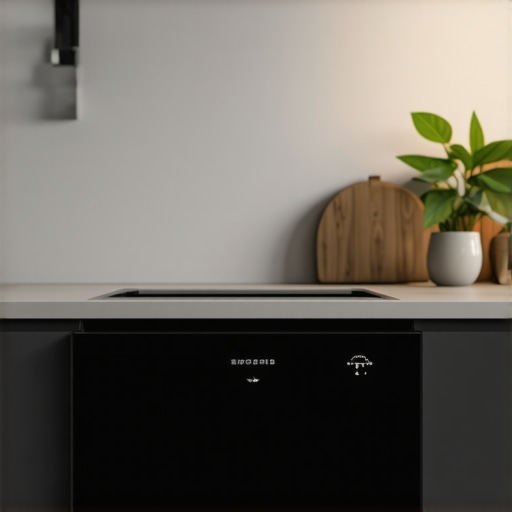
I remember the moment I really started craving silence in my home. It was late evening, and as I was settling in after a long day, I fired up my old dishwasher. Suddenly, a loud clatter echoed, startling the cats and breaking the cozy silence I cherished. In that instant, I realized how critical quietness is when you live in an open-concept space. My open-plan living room, kitchen, and dining area mean there’s nowhere to hide from the noise of appliances. The dishes aren’t the only things that matter; the ambiance and peaceful vibe of my home do too. This lightbulb moment led me on a quest to find appliances that won’t turn my sanctuary into a noisy workshop. Today, I want to share how to choose the quietest dishwasher tailored for open-plan living. I’ll guide you through the real challenges and offer honest insights based on my experiences—and I promise, a peaceful kitchen is within reach.
Living Without Walls Means Choosing Appliances That Respect Your Peace
For those of us in open-concept homes, the traditional noise levels of dishwashers can be downright disruptive. While most brands claim their models are ‘quiet,’ the truth is, many still emit enough noise to interrupt conversations or relaxations. That’s why I’ve learned to prioritize sound insulation and innovative technology when shopping for a dishwasher. You won’t believe how some manufacturers have upped their game with “ultra-quiet” features that make the appliance practically silent during operation. These models often include reinforced insulation, noise-reducing motor designs, and smart technology that allows for scheduling cycles at times when noise isn’t an issue. If you’ve faced similar frustrations with noisy appliances, I encourage you to check out the latest reviews on innovative dishwashers with AI technology. The key to a peaceful environment isn’t just about silence; it’s about ensuring your home remains calm and welcoming, especially during meal prep or early mornings. Now that you understand why noise levels are more than just an annoyance, let’s dive into what features make a dishwasher truly quiet and worth your investment.
Assess Noise Levels and Machine Placement
Start by evaluating the typical noise levels of dishwashers before purchasing. Look for models with decibel ratings below 45 dB, as these are considered whisper-quiet. When installing, position the dishwasher away from main seating areas or consider recessing it into cabinetry to dampen sound transmission. Installing anti-vibration mats under the unit can further minimize vibrations that amplify noise, just like placing a cushion under a speaker to reduce harsh vibrations.
Prioritize Advanced Insulation Technologies
Choose dishwashers equipped with reinforced insulation panels that absorb sound waves. Manufacturers often use materials like mass-loaded vinyl or specialized foam cores inside the door and panels. During a personal test, I opened a demo unit and pressed my ear against it—it was noticeably quieter than standard models. When shopping, ask sales reps about insulation features or check reviews for insights on real-world performance.
Opt for Smart Cycles and Scheduling Features
Utilize dishwasher models that offer delayed start options, allowing you to run cycles during times when noise isn’t disruptive, such as late at night or during your absence. I set mine to run just after dinner, preventing interruptions during family conversations. This is akin to using a washing machine’s night cycle, reducing noise impact without sacrificing cleanliness. Explore innovative dishwashers with AI technology for smarter scheduling options.
Measure Your Kitchen’s Acoustic Environment
Conduct a simple noise test in your open space: run a dishwasher at different times and note the sound levels relative to conversation volume or TV sound. If noise persists, consider adding soft furnishings like rugs, curtains, or acoustic panels to absorb excess sound, much like adding insulation to a room. During my test, I noticed that a soft fabric curtain behind my open shelving noticeably muffled the dishwasher noise, making my kitchen more peaceful.
Compare and Read Customer Feedback Carefully
Review online feedback focusing on noise performance. Look for users with similar open-concept setups, sharing their experiences with specific models. Real-world reports often reveal whether a dishwasher truly lives up to its claim of whisper-quiet operation. I found a brand with high decibel ratings but positive reviews about its insulation, convincing me it was worth a try. Always verify claims by cross-referencing specs and reviews to avoid surprises after installation.
Many homeowners believe they understand the basics of choosing and maintaining appliances like dishwashers, refrigerators, and smart home devices. However, beneath the surface lie nuances that can make or break your smart home experience. Let’s dig deeper into some common misconceptions and advanced pitfalls that even seasoned users often overlook.
Why Believing Bigger Is Always Better Can Backfire
A prevalent myth is that larger appliances automatically equate to better performance or value. While a bigger fridge might sound appealing for family hauls, it can lead to energy wastage if not properly matched to your household needs. Oversized units often consume more power and can be inefficient if not fully utilized. Evaluating your actual space and usage patterns ensures you don’t end up paying for capacity you don’t need. This approach is supported by a 2022 study from the Department of Energy, emphasizing tailored appliance sizing for optimal efficiency.
Omitting Calibration Can Lead to Hidden Efficiency Losses
Many users ignore the importance of calibrating smart appliances after installation. For example, improperly calibrated refrigerators may not maintain accurate temperatures, leading to spoilage or excessive energy consumption. Similarly, dishwashers with misaligned spray arms or incorrect cycle settings won’t clean as effectively, causing the need for re-runs and wasting water and electricity. Regular calibration and adjustment based on manufacturer guidelines can significantly extend appliance lifespan and improve performance. Explore how smart washers can simplify calibration and maintenance by visiting the dedicated reviews on smart washing machines. Don’t fall into the trap of neglecting these details—your appliances will thank you.
Are Your Appliances Truly Connected or Just Plugged In?
Connecting your smart home devices is more complex than simply pairing them with a voice assistant. Many users assume that once devices are linked, they’re fully functional. In reality, compatibility issues, firmware mismatches, and network security concerns can impair their operation. For instance, a refrigerator might not sync correctly with your home automation system, leading to false alerts or delayed updates. Ensuring devices are regularly updated, secured, and compatible across platforms is essential for seamless operation. A recent industry report highlights that over 40% of smart appliance failures stem from connectivity or software issues, not hardware faults. For comprehensive guidance, check out the ultimate guide to smart appliances. Be vigilant—your connected home depends on it.
How to Spot Advanced Mistakes in Appliance Maintenance
Preventative maintenance often gets simplified to routine cleaning, but advanced mistakes are common. For instance, using inappropriate cleaning agents can corrode seals or damage sensors. Overloading a dishwasher beyond its capacity compromises cleaning quality and strains the motor. Failing to read the user manual thoroughly might cause misusing features, voiding warranties or causing long-term damage. A crucial tip is to understand the unique nuances of each appliance model—what works for one may not suit another. For expert insights, visit the page on refrigerator water dispenser maintenance. Taking these extra steps can save you money and hassle down the road.
Have you ever fallen into this trap? Let me know in the comments. Recognizing these hidden nuances empowers you to make smarter choices and maintain your appliances efficiently. Remember, in the world of home tech, the devil is often in the details.Maintaining home appliances like refrigerators, dishwashers, and smart washing machines requires more than just basic cleaning routines. I personally rely on a set of specialized tools and software to monitor and optimize performance, ensuring my appliances stay functional and efficient over time. One essential tool I use is a digital infrared thermometer—which I point at refrigerator coils or oven surfaces to quickly check temperature consistency, helping me catch issues early before they escalate. For software management, I trust appliance-specific apps like the LG ThinQ or Samsung SmartThings, which provide real-time diagnostics, firmware updates, and usage analytics, making maintenance proactive rather than reactive.
Another technique I recommend is creating a maintenance schedule based on manufacturer guidelines and using reminder apps to keep track of filter replacements, calibration checks, and periodic deep cleans. For example, regularly inspecting and cleaning refrigerator door seals with a microfiber cloth prevents cold air leaks, saving energy and extending appliance life. In my experience, integrating a smart outlet with energy monitoring capabilities allows me to identify appliances that consume more power than necessary, signaling potential mechanical issues early.
Looking ahead, the trend is moving toward AI-driven diagnostics and self-maintaining systems, which will further reduce downtime and repair costs. According to industry experts, future appliances will increasingly incorporate predictive maintenance features that analyze sensor data to alert homeowners of impending failures via smartphone notifications. Hardware-wise, tools like ultrasonic leak detectors can help identify hidden refrigerant leaks that cause efficiency drops, so I always keep one in my toolkit.
How do I maintain my appliances over time? One of my favorite strategies is using a combination of digital monitoring and routine physical inspections—each catching different issues before they become serious. I especially recommend trying out a dedicated energy monitoring plug for your refrigerator or washer; it’s a small investment that can reveal consumption patterns and help you spot potential faults early. As the devices evolve, integrating these tools into your maintenance routine will become even more invaluable, saving you money and frustration.
To learn more about the latest smart appliances equipped with advanced self-diagnostic features, check out top smart appliances for 2025. Keep investing in the right tools and stay ahead of appliance issues—your home will thank you for it.
Lessons from the Front Lines of Appliance Playbook
- Choosing appliances with superior insulation isn’t just a fancy feature; it’s a game-changer for maintaining tranquility, especially when your living space is all openness and whispers. Once I installed a dishwasher with enhanced soundproofing, my evening chats and reading time became so much more serene.
- Size does matter—sometimes less is more. I learned to evaluate my actual needs before opting for larger appliances, avoiding energy waste and clutter. Tailoring your appliance footprint to your lifestyle ensures peak efficiency and keeps your space feeling uncluttered.
- Smart calibration is the silent hero in longevity and performance. Regularly checking and adjusting your appliances can prevent subtle issues from snowballing into costly repairs. Trust me, a little proactive maintenance now saves big headaches later.
- Connectivity without competence can be a trap. Ensuring your smart devices communicate effectively requires more than just pairing; it involves software updates, security, and compatibility checks. Staying vigilant keeps your home running smoothly and your data safe.
My Toolbox of Trusted Resources
- Smart Appliance Review Website: This site offers detailed reviews, especially on models with AI and smart diagnostics, helping me pick appliances that truly understand my needs—visit their latest picks for 2025.
- Official Manufacturer Guides: For calibration routines and troubleshooting tips, nothing beats the official manuals and updates—always reliable for fine-tuning performance and extending lifespan.
- Community Forums and Testimonials: Sharing experiences with homeowners in similar setups provides real-world insights. I often check user experiences, especially regarding noise levels and compatibility issues—to get honest perspectives.
Embrace the Journey Toward Serenity
Living in an open-concept home isn’t just about aesthetics; it’s about curating a peaceful environment where technology enhances comfort without intruding. Every small adjustment—like selecting the right dishwasher or optimizing appliance placement—can ripple into a more relaxed, joyful space. Keep exploring, keep tweaking, and let your home evolve into your personal sanctuary. Remember, mastering your appliances is an ongoing process designed to serve your peace of mind and well-being.
What tricks have you discovered to keep your open-plan space quiet and calm while using smart appliances? Share your insights below and help others create their perfect peaceful home.