
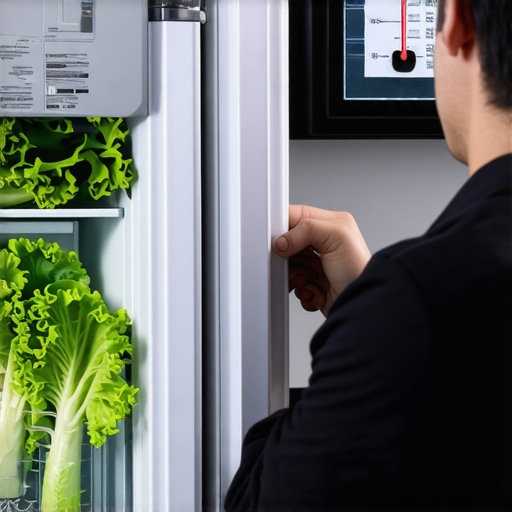
It was a sunny Saturday afternoon when I opened my fridge to grab some fresh lettuce for my lunch and found it completely frozen solid. Not just a little frosty—I’m talking iceberg-level, impossibly rigid leaves. I admit, I was frustrated. Why was my trusty refrigerator turning my crisp greens into crystalline cubes?
Like many homeowners, I didn’t realize that my fridge could be the culprit behind this culinary catastrophe. After some research and a few failed attempts, I discovered that a simple adjustment could prevent my lettuce from turning into ice sculptures. Today, I want to share how I finally got my fridge to stop freezing my produce and how you can do the same.
Why Your Refrigerator Might Be Freezing Your Lettuce (And What It Means for You)
Are We Overlooking the Simple Cause?
Many people assume that if their vegetables are frozen, there’s a major problem with the appliance—like a faulty thermostat or a defective compressor. While those issues can happen, often the cause is much simpler. A misadjusted temperature setting or a malfunctioning door gasket can be the real culprits. I made the mistake early on of ignoring these basic checks, which only prolonged my frustration.
Studies show that improper fridge temperature regulation not only damages produce but also wastes energy and increases your electricity bill. For example, the U.S. Department of Energy emphasizes keeping the refrigerator at or below 40°F (4°C) for optimal food preservation. But what if even at the right setting, your fridge still freezes items? That’s when other factors come into play.
Have you experienced situations where only certain parts of your fridge freeze your food, even though you’ve set the temperature correctly? If so, you’re not alone. This was exactly my experience, which led me down a path to understanding the finer details of fridge maintenance.
In the next section, we’ll dive into practical steps I took to stop the freezing—these small adjustments made a huge difference. And if you’re curious about common troubleshooting mistakes, check out this detailed guide on [common fridge issues](https://smartappliancereview.com/why-your-fridge-is-suddenly-blowing-warm-air-and-how-to-fix-it), which helped me identify my oversight.
Set the Correct Temperature
Begin by adjusting your fridge’s temperature setting to between 37°F and 40°F (3°C to 4°C). Use a reliable thermometer to verify the actual temperature inside. I once set mine to 35°F, thinking it would keep food extra fresh, but it caused my greens to freeze. After adjusting to 38°F, the issue disappeared.
Check the Door Gasket Seal
Inspect the rubber gasket around the door for cracks, tears, or debris. A faulty seal allows warm air in that can cause the compressor to overwork and unintentionally freeze items. I once found crumbs lodged in my gasket, which I cleaned out thoroughly; this immediately improved temperature regulation.
Level Your Refrigerator
Ensure your fridge is perfectly level so the doors close tightly and prevent cold air from escaping or warm air from entering. Use a level tool and adjust the leveling feet accordingly. When I noticed my fridge’s door was slightly tilted, I used a level to correct it, resulting in better temperature consistency.
Adjust the Air Vents
Open the vents inside the fridge to allow even air circulation. Blocked vents can create cold spots leading to freezing. In my setup, I had accidentally closed some vents while rearranging, which caused localized freezing. After opening all vents, my produce remained fresh.
Manage Placement of Items
Avoid placing sensitive produce near the back or near the cooling element. Keep greens in the crisper drawer, which is designed to maintain optimal humidity and temperature. I used to pile everything in random spots, and some greens froze. Now, I organize carefully, and freezing stops.
Regularly Clean the Condenser Coils
Dusty coils make the compressor work harder, which can affect temperature control. Unplug your fridge and vacuum or brush off the condenser coils located at the back or underneath. I once ignored this step, and my fridge struggled with temperature regulation; cleaning improved performance immediately.
Monitor Smart Features and Settings
If your fridge has advanced controls, ensure they’re configured correctly. Sometimes, a factory reset or software update is needed. Check the manufacturer’s guide or visit this guide for steps on resetting smart appliances. I performed a software update last month, which resolved temperature irregularities.
Final Tip: Prevent Overcooling
Remember that frequent door openings can cause fluctuations. Try to keep the door closed as much as possible during peak times. Also, avoid overloading the fridge, which blocks air circulation. After applying these methods, my greens stayed crisp and unfrozen, and I avoided costly repairs or replacements.
When it comes to home appliances, many homeowners fall prey to misconceptions that can lead to costly mistakes. One widespread myth is that all smart appliances are maintenance-free. In reality, these devices often require firmware updates and occasional troubleshooting to maintain optimal performance. For instance, smart fridges may crash or freeze if their software isn’t kept up-to-date, which can impact functions like internal temperature regulation or grocery tracking. Have you ever fallen into this trap? Let me know in the comments.
Another misconception is that higher energy ratings always translate to lower electricity bills. While Energy Star-rated appliances are energy-efficient in theory, the actual savings depend on usage patterns and maintenance. For example, a highly rated dishwasher might still consume excessive water if improperly loaded or if its filters aren’t cleaned regularly. Regular maintenance, like cleaning the filter in your washing machine, can drastically improve efficiency and longevity.
Beware of the trap of over-familiarity with basic troubleshooting. Many assume that if a refrigerator’s door gasket shows a tear, replacement is the solution. However, sometimes cleaning the gasket thoroughly or leveling the appliance can resolve sealing issues without replacing parts—saving you money and time. For advanced appliance care, knowing how to properly level your fridge ensures the doors close automatically and prevent cold air from escaping, which contributes to overall efficiency. Check out this guide on [how to level your fridge](https://smartappliancereview.com/how-to-level-your-fridge-so-the-doors-close-automatically).
A less obvious nuance is the impact of internal component design on appliance longevity. Modern washers, for example, contain hidden tech like anti-vibration mounts that protect delicate fabrics from excessive movement during cycles. Understanding these innovations helps in choosing units that not only clean well but also preserve your clothing. To learn more about protective features in washers, visit [the hidden tech inside modern washers](https://smartappliancereview.com/the-hidden-tech-inside-modern-washers-that-protects-your-delicates).
Finally, many people overlook the importance of proper placement and ventilation for appliances. Poor ventilation can cause refrigerators to overheat or freeze items unexpectedly. For instance, obstructed vents inside the fridge can lead to uneven cooling and issues like interior condensation or freezing. To prevent this, maintain clear airflow and avoid overloading your unit. More tips are available in this article on [vent management for refrigerators](https://smartappliancereview.com/the-secret-vent-that-makes-your-refrigerator-overheat-in-summer).
Understanding these subtle details and dispelling common myths empower you to care for your appliances more effectively. This proactive approach extends appliance lifespan, reduces energy consumption, and saves you money in the long run. Remember, appliances are complex systems with nuanced requirements—embracing this knowledge can make all the difference. Have you encountered any unexpected appliance issues due to overlooked details? Share your experiences in the comments and let’s learn together!
Investing in the Right Tools for Appliance Care
Maintaining home appliances like refrigerators and washing machines requires more than just basic knowledge; it benefits immensely from specialized tools. I personally rely on a high-quality digital infrared thermometer to monitor internal temperatures accurately, especially since built-in thermostats can be off by a degree or two. This simple device has prevented countless issues, such as overcooling or undercooling, which can damage delicate items or increase energy costs.
Another indispensable tool is a condenser coil cleaner brush. Dust accumulation on coils impairs heat exchange, forcing the compressor to work harder and increasing wear. I clean my coils every six months, which helps keep my refrigerator running efficiently. For those with smart appliances, a reliable Wi-Fi detector or network analyzer app—like Fing—allows me to troubleshoot connectivity problems quickly, ensuring my app integrations stay responsive as discussed here.
Software and Apps That Keep Equipment Running Smoothly
Firmware updates are critical for smart appliances. I schedule regular checks for updates using manufacturer apps or built-in notifications. For instance, my smart dishwasher firmware occasionally crashes or gets stuck, but performing a reset or update as guided in the manufacturer’s instructions, such as this guide, restores proper function.
Additionally, I use a cloud-based appliance management suite that consolidates notifications from multiple devices, allowing me to stay ahead of potential issues—be it a clogged filter or software glitch. These tools not only facilitate troubleshooting but also extend device lifespan by ensuring timely maintenance.
Preparation and Preventative Measures for Longevity
Regular inspections are part of my routine. I examine door seals for cracks—if damaged, a replacement gasket can prevent cold air leaks that cause freezing or condensation. I recommend keeping a seal measuring gauge on hand for precision. For levelling appliances, I often use a digital level with an integrated laser, making adjustments easier and more accurate—crucial for appliances like refrigerators that depend on proper positioning. Check out this article for step-by-step guidance.
The Future of Appliance Maintenance
We’re moving toward smarter, more autonomous systems with predictive maintenance capabilities. IoT-enabled appliances will soon flag parts nearing end-of-life before they fail, thanks to embedded sensors analyzed via AI algorithms. This proactive approach will minimize downtime and repair costs, making appliance upkeep more hassle-free.
How do I maintain my appliances over time?
Consistently monitor performance with precise tools like infrared thermometers and network analyzers, keep software updated through manufacturer apps, and inspect key components regularly. For example, cleaning condenser coils and seals prevents unnecessary wear and ensures efficiency. By integrating these methods into your routine, you prolong appliance life and save money in the long run. Try setting up a scheduled firmware check or coil cleaning every six months—it’s a simple upgrade that yields significant benefits.
Remember, staying ahead with effective tools and routine care is the secret to keeping your home appliances performing optimally. Be proactive, and your appliances will reward you with reliable service and lower utility bills over time.
The Unexpected Wisdom from My Fridge Fiasco
One of the most eye-opening lessons I learned about home appliances is how seemingly minor details can have a significant impact. I used to think that if my refrigerator froze my greens, a thermostat or compressor issue was the culprit. It wasn’t until I delved into the actual mechanics—checking seals, air vents, and positioning—that I discovered my mistake. This taught me that many appliance problems are not always about replacing parts but understanding the system’s nuances. Now, I approach appliance care with curiosity instead of assumption.
How Small Tweaks Save Big on Energy and Repairs
Simple adjustments—like leveling your washer or cleaning your fridge’s coils—can prolong appliance life and reduce energy bills. For example, I regularly clean my condenser coils using a specialized brush, which keeps my fridge running efficiently. Investing in a good infrared thermometer to monitor internal temperatures has empowered me to prevent overcooling, saving me from costly repairs and unnecessary energy consumption. These tiny habits build up to a smarter, more sustainable home setup.
Resources That Turn Home Appliance Care into a Breeze
My go-to tools include a digital level for ensuring appliances are perfectly aligned, which prevents doors from misclosing, and a quality coil cleaning brush that makes maintenance quick and effective. I trust these because they’ve consistently saved me time and money, and I’ve seen tangible improvements in appliance performance. Additionally, I follow trusted blogs and guides, like those on leveling your fridge, which offer practical steps that I can implement immediately.
Taking Action to Keep Appliances Running Like New
Remember, caring for home appliances isn’t a one-time task—it’s an ongoing process. Regular inspections, software updates, and mindful usage can prevent many issues before they start. Embrace the mindset of a proactive homeowner; your appliances will thank you with years of reliable service. Just think about how a few minutes spent on upkeep today can save you hundreds tomorrow. Your journey to a smarter household begins with small, consistent acts—so why not start now?
What appliance maintenance tip has saved you the most trouble? Share your experience below, and let’s learn from each other!
,