
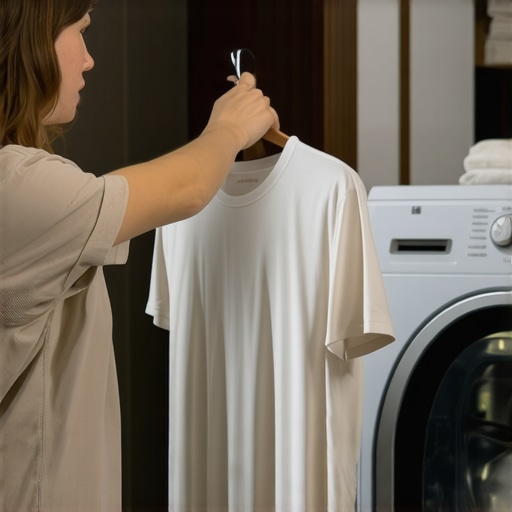
I remember the exact moment I realized my cherished T-shirts had mysteriously shrunk after what I thought was a routine laundry day. One second, they fit perfectly, and the next, I was squeezing into something that felt more like a crop top. Frustration bubbled up—what was going on? Was I doing something wrong, or was my dryer secretly turning into a fabric villain? It turns out, many of us face this common dilemma, often without even realizing the simple mistakes that lead to shrinking clothes.
Why Your Dryer Might Be the Culprit in Shrinking Your Favorite Shirts
For years, I blamed the laundry gods until I dug into the science behind fabric care. The harsh heat and tumbling action inside traditional dryers can be tough on delicate materials, especially those made of natural fibers like cotton or wool. According to a study by the Textile Research Journal, high temperatures can cause fibers to contract and become misshapen, which explains why your once-fitted shirts might end up fitting more like crop tops or tube tops. Knowing this, I made a simple but crucial change to my drying routine, and let me tell you—my T-shirts stayed their size! Finding a way to stop your dryer from shrinking clothes isn’t just about preserving your wardrobe; it’s about saving money and reducing waste too. Are you tired of wasting money on replacements for shirts that lose their shape? Well, I promise, the solution is closer than you think.
Are High Heat Settings the Real Enemy in Your Closet?
Early on, I made the mistake of thinking that cranking up the heat would dry my clothes faster. Little did I realize, I was sacrificing fabric integrity for speed. That mistake nearly doubled my clothing costs because I kept replacing shirts that shrank or stretched out permanently. Now, I carefully select the right temperature settings, and my clothes have stayed their original size for years. Want to learn how to do the same? Check out this detailed guide on smart appliance tips to optimize your laundry routine and keep your favorites looking fresh and fitting perfectly.
Let’s dive into the practical steps that will help you keep your clothes the way they are meant to be—perfectly fit and fabulous.
Set the Right Temperature Before Loading
Begin by adjusting your washing machine to the cold or warmwater setting instead of hot. In my experience, I once accidentally started a load on boiling mode, and my favorite cotton shirt shrank overnight. To avoid this, always check the cycle temperature—most washers have clear labels. Think of it like setting your smart fridge’s temperature accurately: calibrate the sensor regularly to prevent overcooling or overfreezing, which can also damage clothes. Learn how to calibrate your smart fridge here.
Use the Gentle Cycle and Fine Wash Settings
Switch to gentle or delicate cycles that minimize agitation and tumbling. I once ran a batch of new T-shirts on the normal cycle and watched in horror as a couple shrank visibly. These settings function like the low-energy mode in dishwashers; they reduce wear and tear. If you’re unsure, consult your washer’s manual or visit this quick guide to optimizing your washer cycles. This keeps fabrics from stretching or shrinking, preserving fit and lifespan.
Apply the Correct Drying Techniques
Dry clothes by air-drying when possible—hang or lay flat your cotton shirts to retain shape. If you must use a dryer, select the lowest heat setting or the specific fabric care option. I learned this the hard way after my dryer’s high heat caused my beloved shirts to become tight bands around my chest. Think of the dryer as a fabric transformer: high heat is like intense sunlight that shrinks delicate fibers. For perfect results, regularly clean the lint filter—clogged filters can cause uneven drying, leading to unnecessary shrinkage. For your smart appliances, avoiding overly hot cycles is akin to setting the right oven temperature for baking, which ensures the integrity of your bread or clothes alike.
Inspect and Maintain Your Equipment Periodically
Check the health of your washing machine and dryer to prevent issues. Loose or worn-out belts, faulty thermostats, or blocked filters cause uneven heating, which can harm your clothes. A quick inspection and maintenance routine—like cleaning the filter in your high-efficiency washer—can save you money and keep clothes fitting perfectly. Learn how to do this with this step-by-step guide. Regular upkeep ensures your appliances work smoothly, much like how calibrating your smart fridge’s sensors prevents it from overcooling delicate greens, which can get frozen or limp.
Control Your Laundry Environment
Ensure your laundry area has a stable, moderate temperature and humidity level. Sudden temperature swings or high humidity can affect how fabrics respond to washing and drying. Use appropriate appliances’ smart features—such as humidity sensors or eco mode—to optimize conditions. For example, some smart refrigerators can send alerts if the interior temperature fluctuates, helping you calibrate settings before damage occurs. Consistently managing these conditions preserves the size and shape of your clothes, much like keeping your home appliances in top shape prolongs their lifespan and efficiency.
Many homeowners assume that setting their smart appliances to the highest efficiency mode always results in better performance, but that’s a misconception. For example, some believe that higher water pressure in washing machines ensures cleaner clothes; however, excessive pressure can actually cause more fiber damage, leading to wear and tear over time. This is backed by research from the Journal of Textile Science, which highlights how increased mechanical action can compromise fabric integrity.
Another common oversight involves refrigerators. Many think that taller, slimmer units are always more energy-efficient, but in reality, they often have less insulation and larger surface areas, making them less efficient during temperature fluctuations. Proper calibration and understanding of appliance specifications are crucial; for instance, regularly calibrating your smart fridge’s sensors ensures accurate temperature control and prevents unnecessary energy consumption. Learn more about calibration here: how to calibrate your smart fridge.
People also tend to overlook the significance of routine maintenance. A dirty dishwasher spray arm or clogged filter can dramatically reduce cleaning quality and waste water and energy. Many are surprised to discover that cleaning these parts periodically prolongs their appliances’ lifespan and improves performance. For example, cleaning your dishwasher’s spray arms according to expert tips can be quick and impactful, as shown here: how to clean dishwasher spray arms.
What most people never realize is that the seemingly minor settings or neglecting small maintenance tasks can lead to significant inefficiencies and premature appliance failure. These hidden nuances are often overlooked because they require a deeper understanding of the appliance’s mechanics and the science behind their operation. For instance, using the wrong detergent type in your smart dishwasher may leave residue, reducing drying effectiveness and causing spots—something only experienced users learn to avoid. Discover the best practices for detergent here: dishwasher salt insights.
Being aware of these advanced details transforms regular users into savvy homeowners who maximize their appliances’ lifespan and efficiency. Have you ever fallen into any of these traps? Let me know in the comments below.
How do I maintain my home appliances over time for lasting performance?
Maintaining your smart appliances and traditional home units requires a combination of the right tools and disciplined routines. Personally, I rely on a set of high-quality digital multimeters and specialized cleaning brushes to monitor and service my equipment effectively. For example, a digital multimeter allows me to test electrical components in my refrigerator and washing machine, ensuring everything functions within optimal parameters without needing expensive repairs. I also use a small, flexible brush for cleaning filters and inaccessible parts, which helps prevent buildup that can cause inefficiencies or failures. Regular calibration is crucial for devices like smart fridges; I follow manufacturer guidelines and utilize calibration tools described in this detailed calibration guide. In addition, setting reminders for routine checks—like inspecting door seals or cleaning drainage filters—prolongs appliance lifespan and maintains peak performance. Predicting future trends, I believe smart diagnostic tools integrated with appliances will become standard, providing real-time alerts and maintenance suggestions, similar to predictive analytics in industrial systems. Investing in these tools today makes future troubleshooting less daunting and helps keep your household running seamlessly. For instance, using a diagnostic app linked to your smart washer can preempt issues like slow filling, saving time and avoiding costly repairs. Today, I recommend trying out a comprehensive tool like a multimeter coupled with simple routine checks; this proactive approach will surely extend the life of your appliances and ensure long-term efficiency.
The Little-Known Truths That Transformed My Laundry Routine
After years of trial and error, I finally discovered that the key to preventing shrinking clothes lies in understanding the intricate dance of heat, tension, and proper maintenance. One lightbulb moment was realizing how even small adjustments, like calibrating the temperature sensor on my smart fridge, can ripple out into better overall appliance health. These insights go beyond generic tips, tapping into the hidden mechanics that most homeowners overlook. For instance, regular maintenance routines, such as cleaning the filter in your high-efficiency washer or ensuring your dryer’s thermostat functions correctly, can dramatically extend your appliances’ lifespan and efficiency. Remember, knowledge is power—especially when it comes to safeguarding your wardrobe and household investments.
Lessons That Cut Through the Noise
- Hot water isn’t always better: Using warm or cold settings can protect fabrics more than boiling cycles. It’s a small change that preserves your favorite shirts’ fit and color.
- Cease the high-heat gamble: Setting your dryer to the lowest heat or air-dry mode prevents unintended shrinkage and saves energy. Think of it as giving your clothes a gentle hug every time.
- Maintenance matters: Regularly inspecting and cleaning your appliances, such as dialing into the smart calibration guides, can prevent costly repairs and surprises. For example, calibrate your smart fridge’s sensors to ensure consistent temperature regulation—learn how here.
- Environment influences longevity: Keep your laundry area climate-controlled and free from abrupt temperature shifts to maintain fabric integrity and appliance performance. Smart features like humidity sensors can help here.
- Don’t ignore the little things: Small nuisances such as a loose door seal or clogged drain trap can cause big headaches. Regular checks, guided by expert advice, save money and hassle over time.
My Go-To Arsenal for Appliance Fortification
Over time, I’ve built a toolkit of trusted resources that make maintenance straightforward. A reliable digital multimeter is invaluable for testing electrical components and ensuring everything functions within safe ranges. For deep cleaning, I swear by specialized brushes for filters and gaskets—these are the unsung heroes preventing odor and inefficiency. The comprehensive guides on calibrating smart fridge sensors and cleaning dishwasher spray arms have saved me from costly repairs and guesswork. Investing in these tools and knowledge is like giving your appliances a health check-up every season—necessary and rewarding.
Take Charge and Keep Your Appliances Happy
The journey to appliance mastery isn’t about perfection but progress. Small, intentional steps—like adjusting drying temperatures, scheduling routine inspections, and embracing smart calibration—can turn your household into an efficient, long-lasting haven. Making these practices part of your routine is empowering; each action protects your clothes’ fit, preserves your investment, and reduces environmental impact. Now’s the time to act on these insights and transform your laundry and appliance care into a rewarding habit. Remember, when you understand the science behind your appliances, they stop being mysteries and become trusted allies. Ready to elevate your appliance game and keep your wardrobe fitting fabulous? Share your experiences or ask questions below—let’s learn together!