
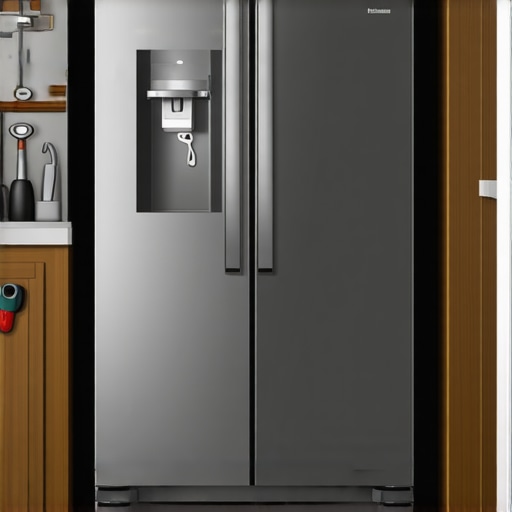
Ever been woken up in the middle of the night by that relentless rattling from your fridge? It’s enough to make you consider smashing the ice maker just to get some peace. I’ve been there, especially during those hot summer days when the hum and shake seem amplified. I remember thinking, “There has to be a simple fix that doesn’t involve calling a pricey repair guy.” Well, after some trial and error, I cracked the code—and you can too.
In this post, I’ll share my personal journey and reveal how you can stop your refrigerator from rattling without the need for professional help. No more awkward calls or waiting around for a technician. Instead, you’ll learn straightforward, effective tips you can try today to restore tranquility to your kitchen.
Turning Off the Noise: My Unexpected Journey
Is Your Fridge Just Loud for No Good Reason?
When I first noticed that my fridge was vibrating louder than a construction site, I thought it was a sign that it was about to give up the ghost. Turns out, a lot of frequent rattling is caused by simple issues that are surprisingly easy to fix. One mistake I made early on was assuming that all noise was a sign of impending breakdown, leading me to splash out on a costly repair—only to realize that some tweaks could do the trick.
Experts agree that many refrigerator vibrations are caused by minor misalignments or unlevel surfaces. According to a report by Energy Star, an unbalanced fridge can significantly increase energy consumption, which is an added motivation to fix the problem early. But beyond energy efficiency, it’s about peace of mind—and the comfort of knowing you don’t have to spend a fortune to quiet down your noisy appliance.
So, how do you identify and fix these common issues? That’s exactly what I’ll walk you through next. No technical jargon, just practical tips that anyone can do. Ready to reclaim your peaceful kitchen? Let’s dive into the solutions.
Level Your Fridge Carefully
Start by checking if your refrigerator is standing perfectly level. Use a bubble spirit level across the top to ensure stability. An uneven surface causes vibrations that translate into rattling sounds. If one side is higher, adjust the leveling legs by turning them clockwise or counterclockwise. I once struggled with this on my uneven kitchen floor, but after a few adjustments, the noise significantly reduced—making my late-night fridge visits more peaceful.
Secure Loose Components and Vibrating Parts
Next, inspect the back and sides of your fridge for loose panels, coils, or fan blades. Tighten any screws or bolts that seem loose. Loose fan blades can wobble and generate noise. I once found a loose panel behind my fridge that was rattling with every compressor cycle. Securing it with a screwdriver made a noticeable difference. Additionally, consider adding foam or rubber pads under the fridge to dampen vibrations and prevent the appliance from dancing across the floor. These pads are inexpensive and simple to install, yet highly effective.
Check the Compressor and Fan Operation
The compressor or fans can also be culprits. If the compressor is running loudly or the fan wobbles, it may need lubrication or replacement. If you’re comfortable, turn off the fridge and listen for irregular noises from the compressor or fan area. Sometimes, debris or dust buildup causes imbalance. Cleaning these parts with a soft brush can reduce noise. For stubborn issues, consulting the manufacturer’s troubleshooting guide can help—sometimes, a simple fan blade replacement is all that’s needed. For newer models with smart features, you can consult the manufacturer’s [support page](https://smartappliancereview.com/contact-us) for personalized advice.
Adjust the Location and Prevent Vibrations
Position your fridge away from walls or cabinets that may amplify vibrations. Leave at least an inch of space around the sides and back for airflow, but also ensure it’s not too close to surfaces that can shake. If your kitchen floor is particularly uneven, consider installing a leveling mat or adjusting the feet further. This approach worked wonders in my kitchen, where a slight slope caused constant rattling. Installing a rubber mat underneath the fridge helped absorb vibrations and eliminated the noise.
Optimize Internal Settings and Food Placement
Sometimes, internal factors cause noise. Ensure that no items inside are vibrating against each other or the walls. Organize contents to prevent rattling, especially heavier items against the sides. Also, verify that the compressor’s temperature settings aren’t causing frequent cycling, which can be noisy. If your fridge has smart controls, reduce unnecessary cooling cycles. For a comprehensive guide on maintaining your appliances, explore the [latest trends](https://smartappliancereview.com/future-of-home-appliances-trends-to-watch-in-2025) to keep your kitchen running smoothly.
Many homeowners believe that installing smart appliances automatically guarantees a seamless and trouble-free experience, but reality is more nuanced. A frequent misconception is that smart devices are completely foolproof and maintenance-free, which isn’t true. In fact, many people overlook the importance of understanding device compatibility, firmware updates, and network requirements. For example, some assume their smart refrigerator will always optimize energy use without manual input, but regular calibration and updates from manufacturers are often necessary. Additionally, a common myth is that smart appliances are inherently more reliable than traditional ones; however, they can be more prone to software glitches and hacking if not secured properly. One critical mistake I’ve seen is users neglecting to change default passwords or ignoring security patches, leaving their homes vulnerable. According to cybersecurity expert Bruce Schneier, IoT devices, including smart home appliances, are frequent targets for cyberattacks due to weak security measures, emphasizing the need for proactive maintenance. An advanced consideration is the potential for overreliance on automation to mask underlying issues—like ignoring signs of appliance deterioration because the device seems to operate normally, which can lead to costly repairs later. So, don’t assume that smart tech is a set-it-and-forget-it solution; staying informed and vigilant is key to truly benefiting from these innovations. For insights into choosing the most innovative and reliable devices, check out our guide on [top smart appliances for a seamless home experience](https://smartappliancereview.com/top-smart-appliances-for-a-seamless-home-experience-in-2025). Have you ever fallen into this trap? Let me know in the comments.
Invest in Reliable Maintenance Tools for Longevity
In my experience, having the right tools at hand can significantly extend the lifespan of your smart appliances. A high-quality digital multimeter, for instance, is indispensable for diagnosing electrical issues in devices like refrigerators and washing machines. I personally use the Fluke 115 Digital Multimeter because of its accuracy and ease of use, which allows me to quickly identify faulty circuits or blown fuses without calling in a technician. Additionally, a small, cordless vacuum cleaner with a narrow attachment has been a game-changer for cleaning dust from condenser coils, preventing overheating and ensuring efficient operation. Regularly inspecting and cleaning components with these tools reduces unexpected breakdowns and maintains peak performance.
Embrace Firmware Updates and Smart Monitoring Apps
Keeping your smart appliances up-to-date is crucial for security and functionality. I recommend subscribing to manufacturer notifications or regularly visiting their support pages—like here—to stay informed about firmware releases. For instance, I use manufacturer-specific apps that notify me when updates are available for my smart refrigerator and washing machine. These updates often include security patches, bug fixes, and feature enhancements that improve long-term performance. Moreover, I utilize smart monitoring tools that track energy consumption and alert me to irregularities, such as increased power usage which might indicate internal issues. These proactive measures help prevent small problems from escalating into costly repairs.
Predict Future Trends in Appliance Maintenance
The trend towards predictive maintenance through AI and IoT integration is poised to revolutionize appliance care. Companies are already developing systems that analyze operational data to forecast component failures before they happen, much like Tesla’s approach to vehicle diagnostics. For example, some modern refrigerators now incorporate sensors that alert homeowners when coils are dirty or components are aging, prompting timely cleaning or part replacement. By adopting these innovations early, you can minimize downtime and avoid expensive emergency repairs. Embracing a maintenance routine that pairs physical tools with digital monitoring positions you well for the future of smart living.
How do I keep my appliances working without constant stress?
The secret lies in combining simple, effective manual inspections with modern digital support. Regularly cleaning filters, coils, and seals using designated tools, alongside timely firmware updates and app alerts, creates a comprehensive maintenance strategy. I encourage you to try the advanced trick of scheduling automatic firmware checks through your device’s app to stay ahead of potential issues. This proactive approach ensures your appliances function smoothly year after year. For more detailed guidance on smart appliance care, visit our ultimate guide to smart home appliances and start building a maintenance routine that works as hard as your devices.
What I Wish I Knew Before Taming My Smart Appliance Chaos
One major lesson I learned is that not every rattle or beep signals imminent disaster; sometimes, a simple tweak can restore tranquility. I used to assume that noise meant a serious problem, leading to unnecessary anxiety and costly repairs. Now, I realize that patience, a bit of knowledge, and strategic actions make all the difference.
Another insight is that smart appliances aren’t foolproof—regular firmware updates and understanding their quirks are essential. I once ignored a notification about an update, only to find my fridge’s touchscreen freezing, which could’ve been avoided with timely maintenance.
Lastly, investing in the right tools and staying curious about new tech helps me stay ahead. Whether it’s a high-quality multimeter or exploring the latest trends in AI-enabled appliances, continuous learning ensures I keep my smart home running smoothly while avoiding common pitfalls.
Tools and Resources That Transformed My Appliance Care Routine
For anyone serious about maintaining their smart appliances, I recommend a reliable digital multimeter like the expert-approved model. It saves time diagnosing electrical issues without calling a technician. Regularly cleaning condenser coils with a soft brush and using foam pads under your refrigerator are small investments that yield big results—preventing noise and prolonging appliance lifespan.
Staying updated through manufacturer apps is another game-changer. I subscribe to firmware alerts and troubleshooting guides, enabling proactive fixes rather than reactive repairs. For comprehensive tips, the latest smart appliance trends keep me informed about innovations that can further simplify maintenance.
Finally, digital monitoring tools for energy and performance tracking help spot issues early, saving money and avoiding hassle. Combining these physical tools with digital support creates a resilient system that keeps my kitchen peaceful and efficient.
Step Into a Quieter, Smarter Future Today
Your kitchen’s harmony is within reach. Embracing these secrets and integrating smart maintenance strategies can transform your home into a haven of peace. Remember, understanding your appliances’ behaviors and staying vigilant protect your investment and your peace of mind. Don’t wait for a breakdown—start implementing these tips now and enjoy the serenity of a well-maintained smart home.
What small fix have you tried that made a big difference in your appliance’s noise level? Share your experiences below!