
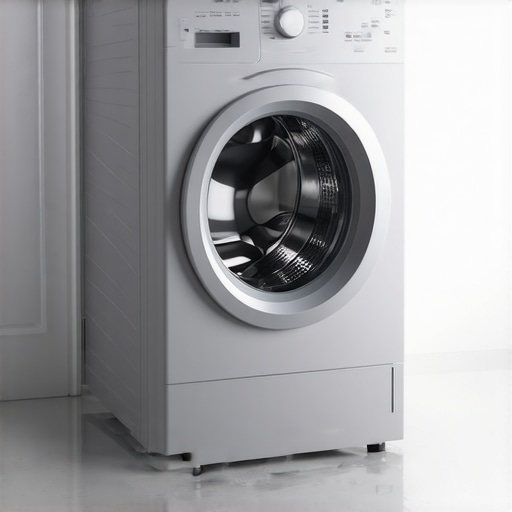
Ever sopped in front of my washing machine, watching helplessly as it shimmied and shook its way across the laundry room floor? That frustrating motion, almost like it had a mind of its own, used to drive me nuts. One day, I finally realized I was fighting a losing battle with a simple problem that many homeowners overlook — a washer that walks away during a spin cycle. That lightbulb moment changed everything.
If your washing machine has a habit of creeping, sliding, or even doing a dance across the floor, you’re not alone. It’s more common than you think and can be surprisingly safe to fix once you understand the causes. Today, I’ll share everything I learned about how to keep your washer firmly in place, so you can stop worrying about a potential flood or leaving laundry half-done because your machine decided to go rogue.
Why Your Washer Walks and Why You Should Care
A moving washer isn’t just a minor annoyance. It can cause damage to your floors, your walls, or even lead to costly repairs. Plus, it’s a sign that something’s not quite right with your appliance setup. The truth is, a washer that vibrates excessively during the spin cycle indicates underlying issues that can get worse over time if left unaddressed.
Early on, I made the mistake of simply tightening the leveling legs without thoroughly checking the surface — which is a common error. That quick fix didn’t resolve the problem because the real causes are often related to uneven flooring, worn-out shock absorbers, or insufficiently balanced loads. Recognizing these issues is crucial for a long-term solution.
Did you know that modern washers are designed with vibration reduction features, but if not installed properly or if the level isn’t right, they can still shake loose? Interestingly, the problem isn’t always about the machine itself — sometimes, the problem stems from the flooring and how the washer’s weight is distributed. If you’ve faced this annoyance, specially during high-spin cycles, stay with me. We’re about to tackle these issues systematically.
For more insights on appliance stability, I recommend checking out this detailed guide on how to diagnose and fix washing machine vibrations. It’s a game-changer for any homeowner tired of the dance.
Now, let’s dive into the practical steps you can take today to keep your washer from turning into a laundry room rodeo star. I’ll cover everything from leveling to anti-vibration pads — simple steps that make a big difference.
Secure the Leveling Legs Properly
Start by checking your washer’s leveling legs. I remember the first time I did this, I used a carpenter’s level on top of the machine and noticed it was off even slightly. Carefully adjust each leg by turning them clockwise or counterclockwise until the washer sits evenly. Use a wrench if needed but avoid overtightening, which can cause damage. After setting the legs, test the stability by gently rocking the machine—if there’s movement, re-adjust until it’s solid.
Inspect and Address Uneven Flooring
Uneven floors are a common culprit. If your laundry area isn’t level, even perfectly adjusted legs won’t help. I placed a level on the floor itself and found dips near the doorway. To fix this, I used shims or a sturdy plywood platform to create a flat surface. This action prevents the washer from rocking during high-speed spins and reduces vibrations that cause walking. For concrete slabs, sealing cracks or adding a platform can also help maintain stability. Check out this guide on floor leveling techniques.
Upgrade to Anti-Vibration Pads
Once the machine is leveled, think about installing anti-vibration pads beneath each corner. These rubber or silicone pads absorb shocks and prevent slippage. I use them especially on wooden floors, as they keep the washer from ‘walking.’ Place the pads under the adjusted leveling legs, then recheck the stability. These pads are inexpensive and can make a significant difference in noise and movement, akin to how smart appliances like stackable washers are designed with vibration dampening in mind.
Balance Loads Effectively
Overloading or unevenly distributing laundry can cause excessive vibrations. I once overloaded my washer with bulky towels on one side, and it started dancing during the spin cycle. Always load laundry evenly, distributing weight across the drum. If your washer has a load size sensor, use it to avoid overstuffing. Removing heavy items or balancing loads can dramatically reduce vibrations. For persistent issues, check your user manual for specific load balancing tips or visit recommended load practices.
Check and Replace Worn Shock Absorbers
Worn suspension components like shock absorbers can cause persistent movement. To inspect, unplug your washer, remove the access panel, and look for oil leaks or broken springs. If you notice signs of wear, replacing shocks is straightforward but may require specific tools. This step is akin to replacing shock absorbers in a car—crucial for smooth operation. Refer to your appliance’s manual or professional guides, or consult this resource on shock replacement.
Keep Your Laundry Area Clear and Stable
Finally, ensure the washer isn’t pushed into tight corners or against walls that restrict movement. Leaving space around the machine allows for proper airflow and reduces additional vibrations. I cleared space around mine, which helped stabilize it further. Use this simple approach to maintain balance, much like how smart appliances require proper placement for optimal performance. For efficient arrangement ideas, see placement tips for compact appliances.When it comes to home appliances, there’s a lot of conventional wisdom that, in reality, can lead us astray. Everyone seems to believe that buying the latest smart fridge guarantees flawless performance or that regular maintenance isn’t necessary for long-term reliability. However, these assumptions often overlook the hidden complexities involved in appliance longevity and efficiency.
One common myth is that all smart appliances automatically adapt to your habits and optimize their function accordingly. While these devices do collect data, many users are unaware that improper setup or neglecting firmware updates can actually hinder their performance. For example, a smart refrigerator might not optimize its temperature zones unless it’s configured correctly, which can lead to uneven cooling or excessive energy use.
Another trap homeowners often fall into relates to dishwashers. It’s widely believed that using higher water temperature always results in cleaner dishes, but in reality, excessively hot water can damage delicate plastics and strain the appliance’s components, potentially causing long-term issues. Selecting appropriate cycle settings based on load type—not just the hottest option—is crucial. For insights on avoiding stubborn dishwashing problems, check out https://smartappliancereview.com/why-your-dishwasher-leaves-a-gritty-film-on-your-best-plates.
When considering refrigerators, many think that larger capacity always means better performance. But overloading can impede air circulation, leading to uneven cooling and increased energy consumption. Proper organization and understanding the fridge’s airflow design can extend its lifespan significantly.
Focusing on washing machines, there’s a misconception that higher spin speeds always mean cleaner clothes. Interestingly, over-aggressive spinning can cause fabric damage and premature wear. Choosing the right cycle and load balancing often results in better garment preservation, highlighting the importance of understanding your appliance’s nuanced features.
Be cautious about the assumption that regular cleaning of filters or seals isn’t necessary. Neglecting these can lead to mold buildup, foul odors, or mechanical failures, which might require costly repairs. For example, a neglected washer gasket can become a breeding ground for mold if not cleaned periodically, ultimately compromising hygiene.
Have you ever fallen into this trap? Let me know in the comments.
**Why Many Overlook Technical Nuances and How to Address Them**
One of the key reasons homeowners miss these subtleties is the rapid pace of technological advancement. New features and jargon can be overwhelming, leading to neglect of fundamental maintenance practices or improper usage. Experts suggest that reading detailed manuals and consulting specialized resources can make a significant difference. For instance, understanding that some appliances have microplastic filters that require cleaning every few months can prevent clogs and reduce microplastic pollution, as discussed in https://smartappliancereview.com/4-ways-to-clean-your-2026-washers-clogged-microplastic-filter-2.
Moreover, many people underestimate how installation and placement impact appliance performance. An appliance placed on an unlevel surface or in a tight corner might not operate optimally, regardless of its features. Ensuring proper setup, including leveling and adequate space for airflow, can prevent a host of issues.
In summary, debunking these common myths and recognizing the nuanced aspects of appliance maintenance can save money, extend the lifespan of devices, and improve overall home hygiene. Being proactive and informed is the best way to ensure your appliances serve you reliably for years to come.Maintaining your appliances over the long term requires more than just routine cleaning; it demands the right tools and disciplined methods. One of my go-to investments is a high-quality digital multimeter, which allows me to troubleshoot issues like fluctuating refrigerator temperatures or faulty washing machine sensors with precision. I prefer the Fluke 117 because of its durability and accuracy, and I use it regularly to check voltage levels and identify potential electrical problems before they escalate. Additionally, I rely on a digital appliance thermometer, such as the Taylor Precision Products Digital Instant Read Thermometer, to monitor refrigerator and freezer temperatures accurately, ensuring optimal food preservation.
For software management, I utilize appliance diagnostic apps compatible with many smart devices. Apps like the Samsung SmartThings or LG ThinQ provide system health reports and firmware update notifications, which are crucial for keeping advanced appliances running smoothly. For example, regularly updating your refrigerator’s firmware can prevent bugs that disrupt temperature sensors, as outlined in the technical documentation from appliance manufacturers.
Implementing a maintenance schedule is non-negotiable. Setting monthly reminders to inspect filters, seals, and power connections helps catch issues early. I also keep a detailed log of maintenance activities, noting parts replaced and problems encountered, which helps predict when certain components might fail. This proactive approach minimizes downtime and repairs.
In my experience, using a basic socket set and a torque wrench during component replacements—like changing shock absorbers or door seals—ensures correctness and safety. For instance, properly torquing refrigerator door hinges prevents issues like uneven sealing or door misalignment.
Predicting where appliance technology is headed, I believe smart features will become even more integrated with home automation systems, making routine maintenance more accessible via remote diagnostics and AI-driven predictive alerts. As an example, advanced refrigerators now use sensor data to notify homeowners of unusual energy consumption patterns indicative of underlying issues.
How do I maintain appliances over time?
Consistent, detailed inspections combined with the right tools make the difference. Regularly checking sensor functions with a multimeter, updating firmware via dedicated apps, and keeping logs of maintenance activities are crucial. Don’t underestimate the power of preventative care; it can extend your appliances’ lifespan significantly.
If you haven’t already, try setting up a maintenance calendar with reminders and invest in a quality multimeter. These simple steps can save you a lot of hassle and money down the road. Remember, being proactive today means fewer surprises tomorrow.
The Hardest Lesson I Learned About home appliances,smart appliances,dishwashers,refrigerators,washing machines
One of the most eye-opening experiences was realizing that proper placement and maintenance are often overlooked yet critical. I once believed that a quick leveling was enough, but only after a major wobble did I discover that uneven flooring and neglected shock absorbers were the real culprits. This taught me to look beyond surface fixes and embrace a more holistic approach.
3 Myths About home appliances,smart appliances,dishwashers,refrigerators,washing machines That Held Me Back
- More capacity equals better performance: Oversizing my fridge or washer didn’t mean better results; it often caused inefficiencies. Smaller, well-organized appliances work smarter, not bigger.
- High-tech always means low maintenance: I thought smart features would handle themselves, but firmware updates and regular inspections are essential to keep everything running smoothly.
- Leveling is a one-time fix: Floors settle over time, and appliances shift, so periodic rechecks have saved me from unexpected issues.
What Experts Won’t Tell You About home appliances,smart appliances,dishwashers,refrigerators,washing machines
Many professionals skip emphasizing the importance of flat flooring and vibration dampening. It’s not just about adjusting legs; it’s about creating an environment where your appliances can perform optimally. Upgrading to anti-vibration pads and understanding the impact of floor surface can drastically reduce walking and noise, saving you money and stress in the long run.
Curated Recommendations
- Digital Multimeter like Fluke 117: I trust it for precise electrical checks, preventing issues before they start, essential for troubleshooting smart appliances accurately.
- Appliance Diagnostic Apps: Devices that sync with your smart appliances, providing real-time updates and troubleshooting tips—my go-to for staying ahead of problems.
- Load Balancing Guides: Resources that teach effective load distribution, saving your clothes and your machine from unnecessary wear and tear.
- Sturdy Anti-Vibration Pads: Cost-effective accessories that I swear by for reducing movement and noise—especially on wooden floors.
Control Your Laundry and Kitchen—Today
Taking charge of your appliance setup empowers you to extend their lifespan and improve efficiency. Small adjustments like rechecking the level, upgrading to vibration pads, or following load guidelines can prevent costly repairs. Remember, your home’s comfort hinges on these details, and a little proactive care now will pay off exponentially. Don’t wait for that frustrating wobble to turn into a major headache—start inspecting and upgrading today! What’s your biggest appliance challenge right now? Share below, and let’s troubleshoot together.
Comments
One response to “How to Stop Your Washer From Walking Across the Laundry Room”
This article hits home for me because I’ve struggled with a wobbly, walking washing machine for months. I never realized that uneven flooring and worn shock absorbers could cause such a problem, but after leveling the machine and adding anti-vibration pads, the difference was night and day. It made me think about how many other appliances might be affected by similar issues that we overlook because we assume they just need a quick fix. I especially appreciate the importance of inspecting and maintaining shock absorbers—this is such an easy fix that can save you from ongoing headaches and even potential damage. Have others found that regular rechecking of leveling and vibration dampening significantly extends their appliance lifespan? Or do you think it’s only necessary when problems start to appear? I’d love to hear tips from seasoned homeowners who have mastered keeping their laundry room stable and quiet over the long term.