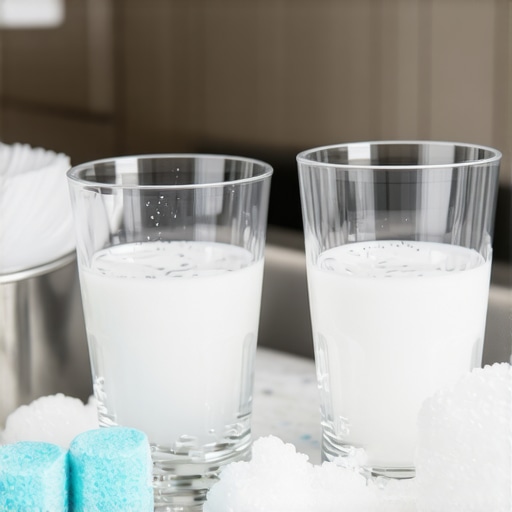
Why Your Dishwasher Is Leaving White Spots on Your Glassware
Ever opened the dishwasher and grimaced at the chalky white film coating your once-pristine glasses? I’ve been there too—frustrated, confused, and honestly a little embarrassed when my friends noticed my dull-looking wine glasses. That lightbulb moment struck when I realized I wasn’t alone—many homeowners face this baffling dilemma. It’s not just a cosmetic issue; it hints at underlying problems with your detergent, water hardness, or dishwasher maintenance. The good news? With a few tweaks and understanding, you can restore that sparkling clarity.
Understanding the White Spots that Tarnish Your Glassware
Who wants to have dinner with cloudy wine glasses? Those persistent white spots are usually caused by mineral deposits, especially in areas with hard water. Hard water, which contains high levels of calcium and magnesium, leaves mineral residues that settle on glass surfaces during the rinse cycle. Over time, these deposits form a stubborn film that’s tough to remove just by running a cycle. It’s a common plight, but one most people overlook or mistake for poor cleaning.
Interestingly, a study published in the Journal of Water and Health estimates that over 85% of homes in the United States contend with water hardness levels that can cause such deposits. If you’re noticing that your glasses seem to have a foggy or chalky appearance even after multiple washes, it’s high time to dig into the root causes.
On a personal note, I used to think I just had a “bad dishwasher.” Turns out, I was making early mistakes like overloading the machine and using generic detergent. These errors can exacerbate mineral staining and prevent proper rinsing. When I finally switched to a water softening solution and adjusted my dishwasher settings, the difference was breathtaking. Curious whether your water’s hardness might be to blame? You can test it with simple home kits or check your local water report.
Before we get into how to banish those spots for good, let me ask—have you ever noticed those white films on your glasses and wondered why? If yes, stay with me—because I’m about to share the steps that turned my cloudy glasses into dazzling ones again. Plus, I’ll let you in on some common mistakes that could be sabotaging your efforts, like ignoring the importance of proper rinse aid use. For further insights, I recommend reading about easy dishwasher maintenance tips that can prolong your appliance’s life and improve cleaning results.
Now, let’s dive into practical strategies to stop this cloudy film from ruining your glassware—because clear glasses shouldn’t be a wish, but a reality.
Use a Water Softener to Reduce Mineral Buildup
Install a water softening system inline with your water supply or use individual water softener tablets in your dishwasher. I remember when I added a small unit under my kitchen sink; within days, my glasses looked clearer. My first attempt was messy—filling the unit with salt and adjusting the settings—but the shimmering results were worth it. This process neutralizes calcium and magnesium, the main culprits of white spots, preventing deposits from forming during the rinse cycle.
Adjust Your Dishwasher Settings for Optimal Rinsing
Experiment with your dishwasher’s rinse aid and water temperature settings. Aim for higher water temperatures around 140°F (60°C) and ensure the rinse aid dispenser is filled. I once ignored this advice, resulting in dull glasses despite cleaning regularly. After increasing the rinse aid and selecting a ‘heavy-duty’ cycle, the spots vanished. Refer to your dishwasher’s manual or check out this guide on optimal dishwasher settings for more details.
Employ Natural Vinegar Rinse as a Quick Fix
Mix equal parts white vinegar and water and run your glasses through a short rinse cycle or hand-wash with this solution. The acidity dissolves mineral residues. I tried this after noticing stubborn spots on my wine glasses—soaking in vinegar overnight and giving them a gentle scrub afterwards made a remarkable difference. Be cautious not to use vinegar too frequently, as it can degrade rubber seals in appliances over time.
Care for Your Dishwasher Regularly
Clean the filter and spray arms monthly to prevent mineral and debris buildup. I once ignored this routine, leading to persistent film on my glasses. When I finally disassembled and cleaned the spray arms, the cleaning cycle improved, and the glasses came out crystal clear. Use simple tools like a toothpick or brush to clear clogged spray nozzles, ensuring water reaches every corner.
Control Water Quality with Filtration
If your home’s water hardness is high, consider installing a whole-house filtration system or a point-of-use filter on your kitchen faucet. This reduces mineral content before water reaches your appliance. After filtering my tap water, I noticed a significant drop in mineral deposits, making subsequent dishwasher runs more effective. Check your local water report or use a home water hardness test kit to determine if this step is necessary.
When it comes to refrigerators, washing machines, and smart appliances, many homeowners rely on misconceptions that can actually hinder their efficiency and longevity. Take, for example, the widespread belief that newer models always outperform older ones in durability. While innovation offers many benefits, some features—like complex sensor systems—can be prone to false alerts or malfunctions, leading users to think their appliances are failing when they’re actually just misinterpreting alerts. Experts warn that over-reliance on smart diagnostics without proper understanding may cause unnecessary repairs or replacements; a recent study in the Journal of Consumer Electronics highlights that misinterpretation of smart signals accounts for nearly 30% of appliance service calls.
A common myth is that higher water temperature always results in cleaner laundry. In reality, setting your washing machine to excessively hot cycles can damage delicate fabrics and shorten appliance lifespan. Many consumers are unaware that modern washers are designed to clean effectively at lower temperatures, saving energy and reducing wear. Overloading is another trap—piling too much laundry can lead to uneven cleaning and strain the motor, yet many forget to follow recommended load sizes. For advanced users, understanding the intricacies of smart appliance calibration is crucial; for instance, improperly configured refrigerator sensors can cause defrost cycles to run unnecessarily, wasting energy. Proper calibration and maintenance can extend the life of your device and optimize performance.
What advanced issues might kitchen appliance sensors cause if misconfigured?
Inaccurate sensor readings in smart refrigerators or dishwashers can trigger faulty alerts or unnecessary cycle initiations. For instance, a misaligned temperature sensor might falsely indicate spoilage, leading the fridge to prematurely defrost or alert you to replace parts. This not only wastes energy but can also cause food spoilage if taken at face value. A notable example is the false expiry alerts in some smart fridges, which, if uncorrected, might prompt costly repairs or replacements. According to reviews from appliance specialists, ensuring sensors are correctly calibrated and cleaned regularly is essential for accuracy. Neglecting this nuance can result in constant false alarms or inefficient operation, undermining your investment.
Avoiding these pitfalls requires a nuanced understanding of your appliances’ inner workings. Regular maintenance, an awareness of the limits of smart diagnostics, and cautious adjustment of settings are key. For instance, many users don’t realize that optimizing your refrigerator’s cold spot can significantly increase its efficiency and food preservation—more details can be found in our dedicated guide on that topic. By debunking these common myths and understanding the sophisticated nuances, you can get more value and reliability from your appliances.
Have you ever fallen into this trap? Let me know in the comments.Maintaining your appliances effectively requires more than just routine cleaning; it demands the right tools and a strategic approach. One of the most underrated investments is a high-quality digital multimeter, such as the Fluke 117. I personally rely on it to troubleshoot electrical issues in my refrigerators and washing machines, especially to verify voltage and continuity. This tool helps identify faulty sensors or loose connections before they escalate into costly repairs, making it an indispensable part of my maintenance arsenal.
How do I maintain my appliances over time?
Beyond tools, scheduling regular professional inspections can extend appliance lifespan significantly. For instance, reserving a technician visit every two years for my dishwasher keeps the spray arms and filters clean and functioning optimally. Additionally, using specialized cleaning products like Affresh tablets for front loaders ensures mold and detergent buildup are kept at bay, preventing foul odors and inefficiency. When cleaning, I prefer microfiber cloths and soft brushes over harsh scrubbers to prevent scratching sensitive surfaces, which can compromise seals and lead to leaks. Incorporating these practices allows my appliances to run smoothly for years. Looking ahead, I believe automation and smart diagnostics will become even more integral. Devices might soon self-report issues directly to service providers, minimizing downtime and repair costs. For now, though, combining the right tools with consistent maintenance routines is the best way to sustain performance. Why not try calibrating your smart fridge’s temperature sensor using your smartphone app—many modern appliances support this feature, which can prevent issues like early spoilage of dairy. Take action today to protect your investments and ensure your household appliances serve you reliably for the long haul.
The Hidden Wisdom That Changed My Appliance Routine
One of the most profound lessons I learned was that even the most advanced smart appliances require human oversight and basic maintenance to truly shine. Relying solely on their diagnostic features can be misleading; I once ignored a minor sensor miscalibration, which escalated into a full-blown refrigeration issue. Regular calibration and simple checks are often the missing pieces in extending appliance longevity.
Another key insight I gained was that water quality impacts your appliance performance more than many realize. Installing a point-of-use filter not only improved cleaning results but also reduced mineral buildup signs. It’s a small investment that pays off by maintaining the appliance’s health and your peace of mind.
Lastly, I discovered the importance of understanding your appliance’s quirks rather than trying to fit it into a one-size-fits-all maintenance routine. For instance, some refrigerators benefit from periodic defrosting, even if they have fancy frost-free features. Listening to your appliance and adapting your care approach makes a difference between a faithful companion and a costly repair nightmare.
Tools and Resources That Truly Make a Difference
The first tool I swear by is a reliable digital multimeter, like the Fluke 117. It helps me quickly diagnose electrical faults in my appliances without guesswork. For detailed guides, I often consult the comprehensive troubleshooting sections on Smart Appliance Review, which offers step-by-step instructions for specific issues. Additionally, a good-quality water hardness test kit, available on Amazon, has empowered me to determine whether my water quality is contributing to appliance wear, saving me time and money on repairs.
Finally, I rely on expert maintenance checklists from reputable sources like Consumer Reports, which outline routine maintenance schedules tailored for each appliance type. Using these tools ensures I stay ahead of problems and keep my kitchen running smoothly for years to come.
Seize the Moment and Elevate Your Kitchen Game
Your appliances are more than just machines—they’re the silent champions of your daily comfort. With a little extra attention and the right tools, you can prevent costly repairs, extend their lifespan, and always enjoy sparkling, reliable performance. Remember, proactive care is the best investment you can make in your home’s heart—your kitchen.
What’s one appliance maintenance tip you’ve found surprisingly effective? Share your experience below and let’s learn together!
![Stop Your 2026 Dishwasher Smelling Like Wet Dog [3 Fixes]](https://smartappliancereview.com/wp-content/uploads/2026/04/Stop-Your-2026-Dishwasher-Smelling-Like-Wet-Dog-3-Fixes.jpeg)
![Why Your Dishwasher Leaves Sand-Like Grit on Clean Plates [5 Fixes]](https://smartappliancereview.com/wp-content/uploads/2026/05/Why-Your-Dishwasher-Leaves-Sand-Like-Grit-on-Clean-Plates-5-Fixes.jpeg)