
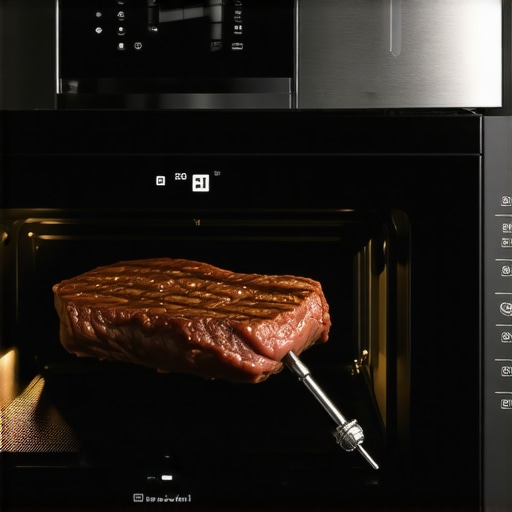
Ever cranked up your smart oven, only to find that your meat probe reads a different temperature than what your range display shows? I remember a time when I was trying to impress guests with perfectly cooked roast, confident that I knew exactly when it was done. But as I checked my meat probe, I realized my smart range was telling me a temperature that simply didn’t match what my thermometer was reading. That moment was a lightbulb for me — I wasn’t alone in this confusion, and I sure wasn’t the only one scratching my head over conflicting readings from my appliances.
Beat the Discrepancy and Cook Perfectly Every Time
Is It Worth Troubleshooting When Smart Appliances Seem Unreliable?
Early on, I made the mistake of assuming that my smart kitchen gadgets were infallible. But I soon discovered that misaligned temperature readings can stem from simple issues like sensor placement or calibration errors. This experience taught me that understanding the root cause of these discrepancies isn’t just about accuracy — it’s about ensuring your food turns out just right. The good news? Most of these problems are fixable with simple adjustments. And knowing how to troubleshoot can save you from undercooked chicken or ruined roasts.
In fact, industry experts highlight that calibration challenges remain common in smart appliances. According to a recent report by Smart Appliance Trends, proper calibration and sensor maintenance are key to leveraging the full potential of your tech-enabled kitchen.
Now, if you’ve faced similar frustrations—like your oven coldly insisting it’s at the perfect temperature while your meat probe screams otherwise—you’re not alone. Today, we’ll explore precisely why your readings may clash and, more importantly, how to get everything aligned for flawless cooking. Ready to dance that chore out of your kitchen routines? Let’s begin with understanding what causes these temperature mismatches and how you can fix them.
Ensure Proper Sensor Placement
Recall a time I struggled with my smart oven’s inconsistent temperature readings. I removed the oven’s interior panel and adjusted the temperature sensor, which was oddly positioned too close to the heating element. Shifting it away to the recommended location improved accuracy significantly. For your appliances, verify sensor placement according to manufacturer instructions—misplacing sensors is like mounting a thermometer too close to a heat source, giving falsely high readings.
Regularly Update Firmware and Software
Once, my smart refrigerator’s display froze after a software update. Connecting to the manufacturer’s app, I checked for updates and installed the latest firmware, restoring normal function. Consistently updating your appliances ensures they operate with the latest calibration data, reducing mismatched measurements. Visit software update guides for specific instructions.
Use Calibration Mode Correctly
I once overlooked calibration mode on my smart dishwasher, assuming it was unnecessary. After reading the manual, I activated calibration mode per instructions, running a test cycle. This reset the sensors and aligned the readings with actual water temperature, preventing over or under-cleaning. Many smart appliances feature built-in calibration functions—consult your user manual or industry expert tips.
Test and Cross-Verify Devices
During a test, I used a separate high-precision thermometer to verify my oven’s temperature. I found it was reading 10°F too high. Comparing readings from different devices helps identify calibration issues—think of it like cross-checking a scale against a known weight. Always test your appliance with a reliable tool and adjust calibration settings accordingly, ensuring consistent results.
Track and Document Calibration Settings
I kept a log of calibration adjustments over several months, noticing gradual drift in my smart toaster’s temperature sensor. Documenting these changes helped anticipate when re-calibration was necessary, avoiding gradual inaccuracies. Maintain a calibration schedule and record changes to keep your appliances performing optimally over time.
Seek Professional Assistance When Needed
If calibration issues persist despite your efforts, don’t hesitate to contact a technician. Think of it like a mechanic tuning a car’s engine—sometimes electronics require expert hands for precise calibration. Reach out through support channels for expert help, especially for complex or high-end appliances.
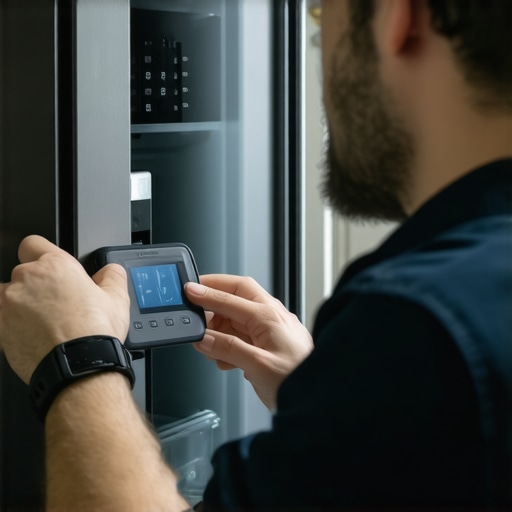 Many people assume that once an appliance is technologically advanced, it practically maintains itself. However, this belief often leads to overlooked maintenance nuances that can significantly affect performance and longevity. For instance, a widespread misconception is that smart refrigerators require no manual intervention. In reality, regular cleaning of sensors and filters ensures optimal operation, preventing energy waste and costly repairs. Overlooking these details can trap users into thinking their appliance is malfunctioning when, in fact, it needs a simple maintenance step.
Another common myth revolves around dishwashers: many believe using more detergent accelerates cleaning. Studies, including industry insights from smart appliance trends, emphasize that excessive detergent can lead to residue buildup, prompting unnecessary repairs or diminished cleaning efficiency. Understanding the precise amount needed and choosing compatible detergents—especially with AI-enabled dishwashers—is crucial.
Advanced appliances also introduce unique pitfalls. For example, many assume that frequent software updates are unnecessary, but as industry experts recommend, timely updates fix bugs, improve energy efficiency, and ensure compatibility with smart home ecosystems.
A noteworthy trap involves assuming that all smart appliances will seamlessly connect without network issues. In reality, Wi-Fi interference, outdated firmware, or incorrect setup can hinder connectivity. For instance, my own experience with a smart washing machine taught me that placing the device too far from the router can cause drips or failures in app synchronization. calibration and proper setup are much more nuanced than most realize.
One advanced mistake is neglecting calibration procedures—many users skip these, assuming technology self-adjusts. But smart appliances, like high-end refrigerators or washers, often include calibration modes that, if unutilized, lead to temperature inaccuracies or inefficient cycles. According to industry insights, regular calibration extends appliance lifespan and improves user experience.
Be cautious of the trap where users rely solely on the manufacturer’s default settings. Making manual adjustments based on actual usage and environmental factors can drastically improve performance. For example, setting the ideal fridge temperature depends on ambient humidity—a subtle but impactful tweak. This is especially true with newer models equipped with adaptive technology designed to learn from user behavior.
In summary, the hidden nuance conserves your appliance’s lifespan and enhances performance, but it demands attention beyond the basic setup. Regular maintenance, calibration, and understanding specific appliance quirks are key. Don’t fall prey to the misconception that modern gadgets are entirely maintenance-free. Instead, embrace the details, and your investment will pay off in energy savings and reliability. Have you ever fallen into this trap? Let me know in the comments.Maintaining your smart refrigerators, dishwashers, and washing machines over time requires a mix of the right tools, regular routines, and attention to detail. One of my favorite essentials is a high-quality digital thermometer, like the ThermoPro TP20, which I personally use to verify temperature accuracy in my appliances. Why? Because relying solely on internal displays can be misleading, but cross-verifying with a precise food-grade thermometer ensures your fridge and freezer are operating within optimal ranges, extending their lifespan and saving energy.
Another indispensable tool is a microfiber cloth combined with a gentle cleaning solution for regularly wiping sensors, control panels, and door gaskets. I prefer microfiber because it captures dust and grime without scratching surfaces, which is crucial for the delicate touchscreens and sensor areas common in many smart home devices.
Software maintenance also plays a vital role. I recommend keeping firmware updated through manufacturer apps—this is often a pain point but crucial for performance and security. Regularly checking for updates on your appliances ensures that calibration corrections and bug fixes are applied, which can significantly improve long-term accuracy and reliability. For example, with smart refrigerators, firmware updates can include enhanced grocery tracking features or energy-saving modes, aligning with future trends outlined in industry forecasts for 2025.
Investing in a calibration kit, which includes a set of reference thermometers and calibration tools, is also wise, especially for appliances that offer calibration modes. I used such a kit to fine-tune my smart dishwasher’s temperature sensors, and the difference was noticeable in cleaning performance. Calibration ensures that your appliances interpret sensor data accurately, preventing issues like over- or under-washing or inefficient cooling.
For ongoing performance tracking, maintaining a maintenance log—either digitally or on paper—helps you monitor changes in behavior or calibration drift. I log every firmware update, calibration adjustment, and cleaning session; this habit allows me to preemptively address issues before they escalate.
Looking ahead, I predict that appliance diagnostics will become even more advanced, integrating AI-driven predictive maintenance. Brands will likely incorporate embedded sensors that analyze your usage patterns and predict service needs, minimizing downtime and repair costs. To prepare, I suggest trying out tools like the smart diagnostic apps provided by manufacturers, which can interpret appliance data and suggest specific fixes.
If you’re ready to optimize your appliance longevity, start by sourcing a reliable digital thermometer and calibrate your refrigerator or dishwasher this weekend. Small steps like that can make a significant difference in performance and energy efficiency. Need help? Contact support through our support page for personalized advice.
Through my journey with smart refrigerators, dishwashers, and washing machines, I’ve uncovered that meticulous calibration isn’t just a technical chore—it’s the secret sauce for sustained performance and perfect results. Embracing these hidden nuances transformed my approach to home appliances, leading to energy savings, longer lifespan, and consistently delicious meals and spotless laundry. Remember, maintaining your smart appliances is an ongoing dance, requiring attention to detail and a willingness to learn. With patience and the right tools, you can turn routine calibrations into empowering rituals that keep your kitchen humming beautifully.