

I stood in the aisle of a massive home goods store three years ago, feeling incredibly proud of myself. I was staring at a sleek, stainless steel refrigerator sporting a bright green leaf sticker and the word ‘Eco-Save’ in a friendly, rounded font. I bought it on the spot, convinced I was doing my part for the planet. But six months later, I was staring at my utility bill in total disbelief. Not only had my costs not gone down, but they’d actually ticked up slightly. That was my ‘aha’ moment—or rather, my ‘oh no’ moment. I realized that just because a machine has a pretty sticker doesn’t mean it’s actually efficient. It was a classic case of greenwashing, and I’d fallen for it hook, line, and sinker. [image placeholder]
The Day My ‘Green’ Fridge Lied to Me
It’s a frustrating reality: many of the ‘eco-friendly’ tags we see on dishwashers and washing machines are more about marketing than engineering. Companies know that we want to do better, so they slap on labels that sound official but don’t always carry weight. I learned the hard way that you have to look deeper into the specs. For instance, I once ignored the actual EnergyGuide label because the ‘Eco-Mode’ button looked so promising. Big mistake. If you’ve ever wondered which energy saving refrigerator models actually deliver on their promises, you aren’t alone. Today, I’m going to help you cut through the noise. I’ll show you exactly how to verify those claims so you can invest in washing machines that save water without getting fleeced. Have you ever felt like you paid a ‘green tax’ for an appliance that didn’t actually perform?
Is Eco-Friendly Just a Fancy Way to Charge More?
Skepticism is your best friend here. According to the Federal Trade Commission’s ‘Green Guides,’ many environmental claims are vague or lack sufficient evidence, leading consumers to believe products are greener than they are. I used to think a ‘High Efficiency’ label was a guarantee of savings. But then I discovered how to save money on your electric bill by changing three fridge settings, and I realized that my own habits—and the machine’s actual power draw—mattered much more than the marketing sticker. We’re going to look at the certifications that actually matter and the ones that are just fluff, setting you up to make a choice that’s good for both your wallet and the world.
Stop Trusting the Shiny Logos
The first thing you have to do is treat every ‘Eco’ sticker like a used car salesman’s pitch. They are designed to trigger an emotional response, not a logical one. To find out if a machine is actually efficient, you need to ignore the branding and hunt for the yellow EnergyGuide label. This is the only document that provides a standardized comparison of energy consumption. When I was shopping for my second fridge, I stopped looking at the ‘Eco-Mode’ buttons and started comparing the estimated yearly operating cost. I found two identical-looking models where one cost $15 more per year to run despite both having the same ‘green’ certification. If you want to see which ones actually pass the test, check out the best energy saving refrigerator models currently on the market to see the real numbers.
The Yellow Label Never Lies
Look at the kilowatt-hours (kWh) per year. This number is your actual fuel gauge. Think of it like a car’s MPG; a lower kWh means the motor isn’t working as hard to keep your milk cold. While you’re at it, compare that number to the ‘range’ shown on the label to see where that specific model sits compared to its competitors. If it’s on the far right of the scale, it’s a gas-guzzler in a green coat.
Why Inverter Compressors Save You More
Standard refrigerator motors are like a light switch—they are either 100% on or 100% off. Every time they kick on, they gulp a massive amount of electricity. Inverter compressors, however, are like a dimmer switch. They slow down and speed up based on the cooling demand, which prevents those expensive power spikes. Understanding the real difference between inverter compressors and standard fridge motors is the single best way to ensure your ‘efficient’ fridge isn’t just a marketing gimmick. 
Don’t Let Your Washer Drink Your Wallet Dry
Water efficiency is even harder to track because ‘High Efficiency’ (HE) has become a generic term. I once bought a washer that claimed to be water-wise, but I realized it was using a massive amount of water because I had the ‘Extra Rinse’ setting turned on by default. You have to look for the Integrated Water Factor (IWF). The lower the IWF, the more efficient the clothes washer is with every gallon. For those serious about conservation, look for washing machines that save water using sensors to weigh the load rather than just filling the drum to the brim.
Check Your Seals Before You Buy
I once spent twenty minutes on a showroom floor sliding a crisp dollar bill through a fridge door to test the gasket. The salesperson thought I was losing my mind, but I was checking the seal. If you can pull a dollar bill out of a closed door with zero resistance, that fridge is going to leak cold air from day one, forcing the motor to work overtime. You can learn how to check if your refrigerator door seal is actually airtight with this simple trick before you even sign the delivery receipt.
The Sneaky Cost of Extra Rinse Cycles
Many modern machines offer a ‘Deep Fill’ or ‘Extra Rinse’ option. While these sound like features, they often negate the energy savings of the machine entirely. If you have sensitive skin, you might think you need it, but you should ask yourself if the extra rinse cycle actually helps with detergent allergies or if you’re just wasting money. Often, simply using less detergent is a more effective and cheaper solution. To truly maximize your machine, you should be using the best energy saving settings for your smart washing machine rather than the factory defaults.But here’s the contrarian truth: simply clicking ‘Eco’ isn’t the silver bullet we’ve been told it is. In my experience, relying solely on pre-programmed energy-saving modes often leads to a ‘double-wash’ penalty. If your dishwasher’s eco-cycle doesn’t get the lasagna off the plate the first time, and you have to run it again, you’ve just used twice the water and electricity you intended to save.
Smart Features Can Secretly Bleed Your Budget
You’d think that adding ‘Smart’ to an appliance name would automatically make it a miracle worker for your utility bill. But a ‘smart’ appliance can sometimes be a ‘vampire’ in disguise. While my fridge was technically efficient, the Wi-Fi-connected screen and internal cameras were pulling power 24/7. This is what experts call ‘vampire power.’ According to a report by the Natural Resources Defense Council (NRDC), ‘always-on’ devices in American homes can cost consumers billions a year. It’s a massive trap. If you aren’t careful, you might find why your smart fridge is using more data than you expected translates directly into a higher-than-average electric bill. You need to be proactive about how to save money on your electric bill by tweaking your fridge settings manually rather than letting the AI do all the heavy lifting. 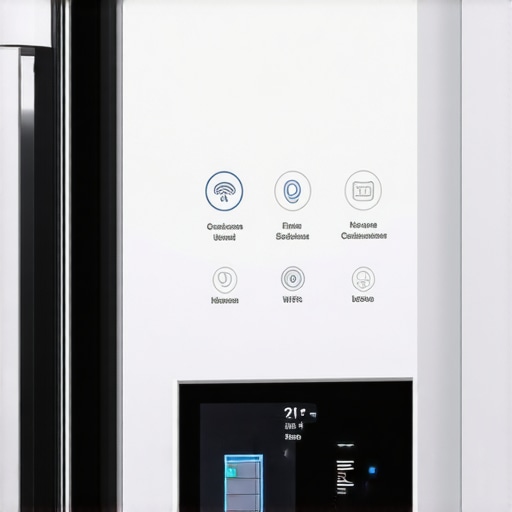
Why Your Eco-Cycle Might Be Damaging Your Machine
Here is a nuance most people miss: low-temperature ‘Eco’ settings are often the primary cause of gunk buildup. Because these cycles don’t always reach the temperatures necessary to fully dissolve high-fat detergents or kill bacteria, they leave a bio-film behind. This is exactly why your energy efficient washer leaves your clothes feeling crunchy or smelling like a damp basement. Over time, this sludge can clog your internal sensors, leading to mechanical failure. I’ve seen countless owners struggle with why your high-efficiency washer leaves white streaks on dark clothes, only to realize the ‘savings’ cycle was the culprit. To fight this, you must learn how to prevent mold growth in your washing machines door seal by running a monthly high-heat maintenance wash.
Is Your Dishwasher Sensor Lying to the Control Board?
Many modern dishwashers use a turbidity sensor to check how dirty the water is. If that tiny piece of glass gets a layer of grease on it, it ‘thinks’ the water is clean and cuts the cycle short, leaving your dishes filthy. This is the hidden sensor in your dishwasher that needs a manual scrub that most manuals barely mention. If you don’t keep it clean, the machine’s efficiency logic breaks down entirely. Have you ever fallen into this trap of trusting the ‘Auto’ button too much? Let me know in the comments below.
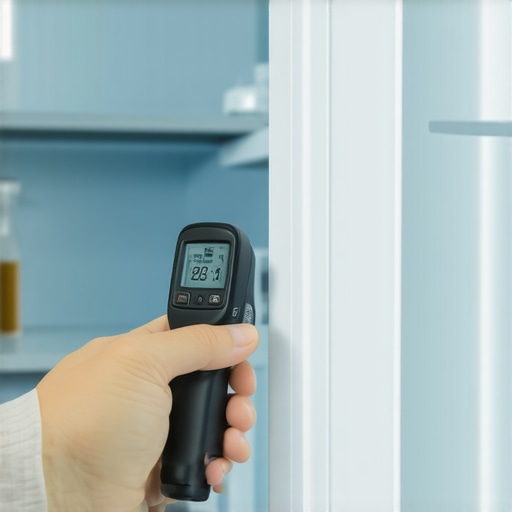
After I stopped relying on those flashy ‘Auto’ settings, I started investing in a few cheap tools that have saved me thousands in potential repairs. Most of us treat our appliances like ‘set and forget’ boxes, but the truth is, a $20 investment can double the life of a $2,000 machine. For me, the first essential tool is a simple handheld infrared thermometer. I use the Etekcity Lasergrip because it’s precise enough to tell me if a specific corner of my fridge is dipping into the ‘danger zone’ for food safety. The American Society of Heating, Refrigerating and Air-Conditioning Engineers (ASHRAE) suggests maintaining a tight range for food preservation, and your fridge’s built-in display is often an average, not an absolute. Knowing how to recalibrate your refrigerators internal thermometer for better cooling based on these manual readings is a pro move that stops your motor from running unnecessarily.
Stop the House from Shaking Every Tuesday
Another tool I swear by is a set of heavy-duty anti-vibration pads. If you’ve ever felt your floorboards rattling during a spin cycle, that’s not just noise—it’s mechanical stress tearing at the washer’s bearings. I personally use rubberized pucks to decouple the machine from the floor. Learning the trick to stopping a vibrating washing machine during the spin changed my laundry room from a construction zone into a quiet space. It’s a five-minute fix that prevents the drum from knocking itself out of alignment. If you want a truly quiet home, you should also look into the ultimate guide to smart home appliances for a modern living space to see which models are built with internal dampening from the factory.
How do I keep my high-tech gear running for a decade?
Maintenance is a rhythm, not a chore. Every three months, I pull the ‘debris filter’ from my front-loader. It’s usually hidden behind a small door at the bottom. The first time I did this, I found three quarters, a hair tie, and enough lint to build a bird’s nest. That clog was making the pump work twice as hard. You should definitely learn how to clean the debris filter on your front load washer effectively to avoid a mid-cycle flood. On the digital side, don’t ignore those notifications on your phone. Most people find them annoying, but why your smart appliance app keeps asking for a firmware update often comes down to efficiency patches and sensor recalibrations that prevent the ‘vampire power’ draw I mentioned earlier.
What 2025 holds for our laundry rooms
Looking ahead, the trend is shifting from ‘smart control’ to ‘predictive maintenance.’ We are moving toward a world where your dishwasher will tell you its heating element is failing two weeks before it actually dies. According to the future of home appliances trends to watch in 2025, AI will soon manage our detergent levels based on the specific water hardness in our zip codes. This means less chemical buildup and fewer service calls. My advice? Try this today: Go to your washing machine right now and check the rubber door seal for any grey slime. If it’s there, wipe it down with a 50/50 mix of water and vinegar. It’s the easiest step you can take to prevent a permanent odor and a costly seal replacement later.
Lessons from the Trenches of Appliance Ownership
Reflecting on my journey from a gullible consumer to a savvy appliance owner, a few lightbulb moments stand out that I wish I’d known before my first big purchase. First, I discovered that habit often beats hardware; a basic machine run on the correct settings is consistently more efficient than a high-tech model run on ‘heavy duty’ unnecessarily. Second, sensor blindness is real. If you don’t clean the sensors in your dishwasher or dryer, the machine ‘thinks’ it needs more power, completely negating those green certifications. Finally, I realized that firmware updates aren’t just for phones. Keeping your devices updated is a core part of future of home appliances trends to watch in 2025, as manufacturers release patches that optimize power draw and fix ‘vampire’ energy leaks.
#IMAGE_PLACEHOLDER_E#
My Personal Arsenal for Lower Utility Bills
I no longer guess if my appliances are working correctly; I verify them. These are the specific tools and sources I trust to keep my home running lean:
- Infrared Thermometer: I use an Etekcity Lasergrip to find hot spots in my fridge. If the internal temperature is off, I know exactly how to recalibrate your refrigerators internal thermometer for better cooling to stop the compressor from overworking.
- Anti-Vibration Pads: To prevent mechanical failure from constant shaking, I use heavy-duty rubber pads. This protects the drum and helps me maintain some of the most reliable washing machines for large families with heavy loads for years longer than average.
- The EnergyStar Database: Before any purchase, I skip the salesperson and go straight to the official database to check the actual kilowatt-hour draw, not the marketing claims.
- Local Utility Portals: Most providers offer free tools to track hourly usage, which is how I caught my old dishwasher’s heating element failing before it died.
Start Building Your High-Efficiency Kitchen Today
Creating a sustainable home isn’t about buying the most expensive machine with the most lights. It’s about being an active participant in how your home uses energy. Whether you are shopping for washing machines that save water or you are simply learning how to save money on your electric bill by tweaking your fridge settings, the small manual adjustments you make today will pay dividends for years. Don’t let the ‘green tax’ scare you off—true efficiency is about smart maintenance and informed choices. Have you ever bought an ‘Eco’ appliance only to find it didn’t save you a penny on your monthly bill? Let me know your story in the comments below!