
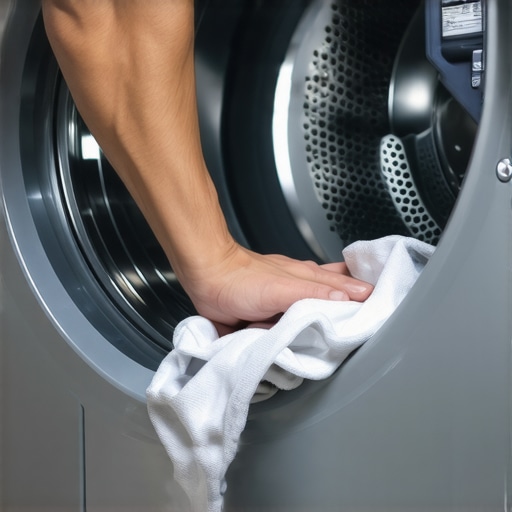
Ever opened your laundry room door and recoiled at that damp, moldy smell wafting from your washing machine? Yeah, I’ve been there. It’s that moment when you realize your once-fresh laundry now smells worse than your gym shoes after a week-long hike. That musty odor can turn laundry day into a dreaded chore, and honestly, it’s frustrating. I used to think leaving the door open or running an extra rinse cycle was enough, but those quick fixes only masked the smell temporarily. The real breakthrough came when I finally understood the root cause and a simple, effective cleaning method.
Say Goodbye to That Awful Musty Odor in Your Top-Load Washer
Dealing with a musty-smelling washing machine is more common than you might think. Microbial build-up, soap scum, and mineral deposits thrive in hidden crevices, especially when the machine isn’t cleaned regularly. Left unchecked, these can become a persistent source of unpleasant odors that linger long after the laundry is done.
What I discovered is that cleaning your washer isn’t about complicated chemicals or expensive gadgets. It’s about understanding the machine’s inner workings and doing a quick, regular maintenance check using ingredients you already have at home. After all, maintaining appliances with simple habits can save you money and headaches, and keep your laundry smelling fresh.
According to a 2022 study by the EPA, regular cleaning can significantly reduce microbial growth in home appliances, which is directly linked to odor issues. So, it’s not just hygiene—it’s about preserving the longevity of your machine too.
Do you find yourself fighting the smell every laundry day, only to be disappointed by how quickly it returns? If so, this post is for you. We’re about to dive into a straightforward method to eliminate that musty smell once and for all, so your laundry feels fresh and clean every time.
Is Cleaning Your Washer Actually Worth the Effort?
Early on, I made the mistake of neglecting regular cleaning, thinking a quick wipe-down was enough. It wasn’t. I rinsed, I scrubbed, but the smell persisted — until I realized I needed to target the hidden mold and soap scum inside the drum and hoses. If you’re skeptical about whether a simple routine can truly eradicate odor, I get it. It’s easy to assume that laundry detergents should do the job. But trust me, without proper cleaning, those odors have a perfect breeding ground. Curious? Check out this guide on fixing stubborn washer odors for detailed tips.
Run a Hot Cycle with Vinegar and Baking Soda
To start, set your washing machine to the hottest water cycle available. Add two cups of white vinegar directly into the drum; vinegar is a natural disinfectant that breaks down microbial buildup. Follow with half a cup of baking soda poured into the detergent drawer. This combo not only kills mold spores but also neutralizes odors, much like how a cleaning spray works on stubborn stains. Run the cycle without laundry to thoroughly clean internal parts. I once did this on a Saturday morning—watching the grime and mold swirl away was satisfying, and my washer smelled immediately fresh afterward.
Clean the Gasket and Detergent Dispenser
After the cycle, open the door and inspect the rubber gasket around the drum. Carefully wipe it with a cloth soaked in vinegar or a mixture of water and a few drops of dish soap. Pay special attention to folds where moisture collects. For stubborn mold spots, use an old toothbrush dipped in vinegar to scrub. Next, pull out and clean the detergent and softener dispensers—these collect soap scum and can harbor mold. Remove any debris, rinse thoroughly, and dry. This step is crucial because, just like filters in dishwashers, these parts trap residues that feed odors. I once found a slimy buildup clogging my dispenser, and cleaning it immediately eradicated lingering smells.
Address the Hoses and Internal Drain
Next, inspect the washing machine hoses. Over time, mineral deposits and mold can form inside, causing odors. If accessible, disconnect the hoses and flush them with hot water or vinegar solution. Use a long brush if needed to dislodge buildup. Also, check the internal drain filter or pump—consult your machine’s manual for guidance. Clear out any debris or lint, which can trap moisture and mold. This is akin to unclogging a kitchen sink drain; removing obstructions ensures water flows freely, preventing stale smells from brewing. I’ve done this with a makeshift drain brush, and the improvement was night-and-day for odor control.
Keep Your Washer Fresh with Regular Maintenance
Finally, develop a routine of monthly cleanings. Run an empty hot cycle with vinegar or specialized washing machine cleaners available at stores. Leave the door ajar after each wash to allow air circulation, preventing mold from settling. Consider using enzyme-based detergents that break down organic matter more effectively. Think of your washing machine like maintaining a humidifier—regular upkeep keeps it clean and odor-free. I’ve found that adhering to a simple schedule consistently kept my washer smelling fresh for months, removing that damp smell I once thought inevitable.Many homeowners assume that all smart appliances are truly intelligent and maintenance-free, but in reality, this misconception can lead to costly mistakes and frustration. One prevalent myth is that smart refrigerators automatically monitor and optimize food freshness without any user intervention, but studies reveal that their sensors often misjudge produce ripeness or spoilage, leading to unnecessary waste and energy use. Similarly, many believe that dishwashers with AI features will always detect and remove stubborn stains effortlessly; however, as highlighted by experts, sensor inaccuracies can cause incomplete cleaning cycles, especially with complex soils like burnt-on cheese. Additionally, many overlook the importance of regularly updating firmware, which is critical for security and optimal performance, since outdated software can introduce vulnerabilities and reduce appliance efficiency. An advanced mistake is ignoring the nuances of integration; for example, some users think that connecting all devices via a smart hub guarantees flawless operation, but incompatibilities or poor network stability can cause commands to fail, leaving appliances unresponsive during critical tasks. The key to avoiding these pitfalls is recognizing that smart appliances are sophisticated, yet still depend on correct usage and maintenance practices. For example, a common trap is neglecting to periodically reset or recalibrate sensors, which can drift over time and impair functionality — a mistake detailed by appliance technicians who see a surge in service calls from users unaware of these subtleties. Moreover, many are unaware of the privacy implications embedded within smart devices. For instance, some models collect data on your usage patterns, which, if not properly configured, can compromise your personal information. Preventing such issues involves understanding device settings and subscribing to expert advice or trusted reviews. To deepen your understanding, check out this comprehensive guide on optimizing your smart washer’s performance, which covers advanced setup and troubleshooting steps. Remember, familiarity with the nuanced behaviors of these appliances can save you money and extend their lifespan. Have you ever fallen into this trap? Let me know in the comments.Maintaining your smart appliances requires more than routine cleaning; it involves using specialized tools and adopting proven methods to ensure longevity and optimal performance. One of my favorite gadgets is a high-quality ultrasonic cleaner, which I use quarterly to deep-clean components like dishwasher spray arms and refrigerator door seals. Its ability to remove microplastic build-up and stubborn grime surpasses traditional scrubbing, helping prevent malfunctions and odors. I personally prefer models with adjustable frequency and temperature controls, such as the Magnasonic Professional Ultrasonic Jewelry Cleaner, because they allow precise tuning for different appliance parts. Additionally, software monitoring tools like appliance-specific diagnostics apps enable me to track performance metrics and receive alerts about potential issues before they escalate, saving time and costly repairs. For example, using the diagnostics tools recommended in [this expert guide](https://smartappliancereview.com/fix-your-2026-washing-machines-load-sensor-in-5-minutes), I regularly check sensor calibration and fluid levels. As smart appliances evolve, predictive maintenance software integrated with machine learning promises to revolutionize how we handle long-term upkeep, forecasting problems based on usage patterns. In the future, expect more appliances to come equipped with self-diagnostic capabilities that alert you via smartphone notifications, simplifying maintenance tasks and reducing downtime. How do I maintain my appliances over time? I adopt a proactive approach—scheduling monthly check-ins with diagnostic tools, running deep-clean cycles using expert-recommended agents, and updating firmware regularly to patch vulnerabilities and enhance efficiency. For instance, staying current with firmware updates has noticeably improved my refrigerator’s energy consumption and decreased false expiry alerts. To get started with these practices, try deploying a high-frequency ultrasonic cleaner on your dishwasher spray arms this weekend—it’s transformative and surprisingly affordable. Remember, a little extra effort now can extend your appliances’ lifespan and keep them running smoothly for years to come.
Having navigated the often-overlooked nuances of cleaning and maintaining your smart appliances, I’ve uncovered some insider wisdom that can truly transform your experience. These lessons aren’t just tips—they’re revelations that help extend the life of your appliances and keep them functioning at peak performance, day after day.
Small Tweaks, Big Differences in Appliance Lifespan
One of the most eye-opening lessons I learned is that consistent, simple maintenance—like monthly deep-cleanings or checking filters—can dramatically reduce unexpected breakdowns. It turns out that neglecting tiny build-ups or ignoring firmware updates can silently sabotage your device’s health. Now, I make it a point to treat my appliances more like valuable partners rather than just appliances, which changes everything.
Misconceptions That Could Cost You Dearly
Another insight is the myth that high-tech features automatically compensate for neglect. This misconception led me to overly rely on automation, only to realize that manual checks and regular refreshes are essential. For instance, I assumed my smart fridge’s sensors were infallible—until I discovered that periodic recalibration is necessary to accurate operation. Recognizing these truths has saved me countless headaches.
The Power of Proactive Care Over Reactive Repairs
Perhaps the most profound lesson is that proactive maintenance—using tools like ultrasonic cleaners or diagnostic apps—prevents issues before they escalate. I’ve seen firsthand how catching a failing sensor early or cleaning a clogged spray arm avoids costly repairs and downtime. This approach has made me more confident and in control of my appliances’ longevity.
Where My Trust in Expert Resources Has Led Me
Supporting these habits are curated resources I trust deeply. For instance, I often turn to detailed guides and reviews on appliance diagnostics and maintenance routines. Additionally, specialized tools like ultrasonic cleaners from brands such as Magnasonic have become staples in my household toolkit. These resources have empowered me to troubleshoot and maintain my appliances confidently.
Embrace the Knowledge and Take Control
Armed with these insights, I encourage you to look beyond the basic cleaning routines and embrace a proactive, informed approach. Your appliances will thank you with years of reliable service and fresh, spotless results. Remember, the key lies in understanding the subtle tells and acting early—because every small effort today pays off in peak performance tomorrow.
Your Turn to Elevate Your Appliance Care
Have you discovered a maintenance trick that made a huge difference? Or faced a challenge that taught you a vital lesson? Share your experiences below—I’m eager to learn from your journey with smart appliances and home care.
Comments
One response to “The Simple Way to Clean a Top-Load Washing Machine That Smells Musty”
Reading this post really resonated with my own experience. I used to think that simply leaving the washer door open was enough to prevent that damp smell, but I realized that deeper cleaning is essential, especially in those hidden crevices. I’ve started using vinegar and baking soda regularly, and it’s made a noticeable difference in maintaining the freshness of my machine. The part about cleaning the hoses and drain filter also caught my attention because I hadn’t considered that buildup could be contributing to the odor. It’s interesting how small maintenance habits can extend the lifespan of appliances and save money long-term. I wonder, for those who have been doing this routine, how often do you find it necessary to check the internal hoses or filters? Has anyone encountered stubborn odors that just wouldn’t go away despite regular cleaning? I’d love to hear more tips or experiences on handling particularly persistent smells.