
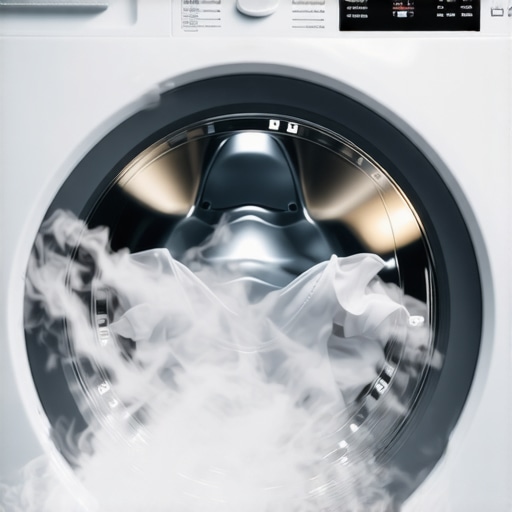
I stood there over the sink, scrubbing a dollop of spaghetti sauce into my favorite white linen shirt like my life depended on it. I’d already dumped half a bottle of stain remover on it, but the red blotch just mocked me. For months, I had looked at the ‘Steam’ button on my control panel as a mystery. I used to think it was just marketing fluff—a way for brands to charge an extra hundred bucks for a feature nobody actually uses. Boy, was I wrong. It took one disastrous dinner party and a ruined tablecloth for me to finally experiment with it. Today, I’m going to show you exactly how to use this feature so you can stop wasting your Saturday mornings scrubbing at the sink.
The Steam Setting Saved My Best Linen Shirt
I realized that my old-school scrubbing was actually making things worse by fraying the fabric. It turns out that washing machines that save water often rely on these specialized cycles to do the heavy lifting that physical agitation simply can’t handle. When I finally dared to press that button, the steam didn’t just wet the fabric; it penetrated the fibers and lifted that sauce right out without me lifting a finger. One mistake I made early on was thinking I needed to use the hottest water possible alongside the steam. That’s a recipe for shrinking your clothes. The magic happens because steam particles are smaller and hotter than water droplets, allowing them to seep into the weave of the fabric more efficiently. If you have ever wondered the real reason your clothes still feel damp or dingy, it might be because you aren’t letting the vapor do the work.
Will the High Heat Ruin My Expensive Clothes?
This is the biggest fear I hear from my neighbors. I used to be terrified that 212-degree vapor would turn my favorite sweaters into doll clothes. But here is the secret: steam actually relaxes the fibers rather than shocking them with abrasive boiling water. According to the Association of Home Appliance Manufacturers (AHAM), steam can effectively eliminate 99.9% of common household allergens and penetrate stains more deeply than liquid water alone. I used to think my washer needed a whole cup of detergent to get things clean, but the steam actually makes a small amount of soap work ten times harder by keeping the water temperature consistent and the fibers open. Have you ever stared at that steam button and felt too intimidated to actually press it? I’m going to break down the exact steps to ensure you never ruin a load again.
How to Master the Steam Cycle Without the Stress
The first thing you need to realize is that steam isn’t an “add-on” for every load. Think of it like a specialty tool in your garage; you wouldn’t use a sledgehammer to hang a picture frame. You start by sorting for the heavy hitters: cottons, linens, and durable synthetics. I remember the time I got overconfident and tossed a delicate silk scarf into a high-heat steam cycle. It came out looking like a piece of crinkled tissue paper that had been through a war zone. Since then, I always check the care label. If it says “cool wash only,” keep it far away from the steam button.
Don’t Overstuff the Drum
For steam to work, it needs room to breathe. Imagine trying to use a handheld steamer on a shirt that is buried at the bottom of a laundry basket. It won’t work because the vapor can’t reach the fabric. When you overload the machine, the steam just bounces off the outer layer of the clump. I’ve found that filling the drum only about half-way is the sweet spot for steam cycles. This allows the vapor to swirl around and penetrate every inch of the fabric. This is especially true if you are using how smart washing machines can simplify laundry day features where the sensors try to calculate the exact amount of moisture needed. 
Why Your Soap Needs a New Best Friend
One of the coolest things I discovered is that you can actually cut back on the soap. Steam acts as a catalyst. It heats the water and the fabric, making the surfactants in your detergent more “slippery” and effective. If you use too much, you’ll end up with a sudsy mess that the machine can’t rinse away because why your high efficiency washer uses barely any water compared to old models. I usually use about half of what I’d use for a standard cold wash. Trust me, the steam does the heavy lifting, so you don’t need a mountain of bubbles. This is particularly important because why your washer doesn’t need a whole cup of detergent remains true even when adding the power of vapor into the mix.
Timing the Cycle Correctly
Steam cycles often add 20 to 30 minutes to your total wash time. This isn’t just the machine being slow; it’s the “pre-soak” and “penetration” phases at work. If you are in a rush, don’t use steam. I once tried to force a steam cycle when I had to leave for a wedding in 45 minutes, thinking I could just “pause” it and take the clothes out early. Bad idea. The machine was mid-vapor, and when I opened the door, I got a face full of hot air and soaking wet, half-treated shirts. If you’re using how to use your smart washers remote start feature safely, schedule the cycle to finish right when you get home so the clothes don’t sit in a humid drum and get musty.
Clean the Gasket Right After the Cycle
After the cycle ends, your machine’s interior is going to be incredibly humid. This is the perfect breeding ground for that “old basement” smell. I make it a rule to wipe down the rubber gasket immediately. If you leave it damp, you’ll eventually need to learn how to deep clean the gasket as the moisture-trapping principles are identical to your dishwasher. Always leave the door cracked open for an hour to let the remaining vapor escape.
Everyone tells you that more heat means more clean. I’m here to tell you that’s a lie that will shorten the life of your wardrobe. While we’ve established that vapor is a powerful tool, most people treat it like a ‘set it and forget it’ miracle. In reality, the nuance of fiber science determines whether that steam cycle is saving your shirt or slowly destroying it. Let’s dig deeper into the mechanics of your machine to ensure you aren’t accidentally doing more harm than good.
The Heat Myth That Might Be Ruining Your Whites
The biggest misconception is that steam is always synonymous with deep cleaning. While steam is excellent for loosening dirt, using it on the wrong type of stain is the fastest way to ruin a garment. If you’ve ever wondered why your energy efficient washer takes so long to finish, it is because it is trying to balance temperature and time perfectly. However, if you have a stain that is protein-based—think blood, sweat, or dairy—hitting it with steam immediately is a catastrophic mistake.
How Does Steam Affect Protein-Based Stains?
According to experts at the Cleaning Institute, applying high heat directly to organic proteins causes them to ‘cook’ and coagulate into the fabric fibers. Once that protein is set by steam, it is virtually permanent. I learned this the hard way with a set of expensive gym shirts. I thought the steam would sanitize them, but instead, it locked in the yellowing underarm stains forever. You must always perform a cold-water pre-rinse before letting the steam anywhere near your laundry. 
Stop Letting Your Sensors Do All the Thinking
Another trap I see people fall into is trusting their smart machine a little too much. When we look at the future of home appliances trends to watch in 2025, we see a lot of emphasis on AI and sensors. But sensors can be fooled by high humidity. If you use steam alongside too much chemical assistance, the sensors may misread the load. For instance, knowing why you should never use too much fabric softener in your smart washer is crucial when using steam. Softeners create a waxy coating on the fibers that steam cannot easily penetrate. This leads to a build-up of gunk that is often the only way to get that weird smell out of your front loader once it starts to mildew. Have you ever fallen into this trap? Let me know in the comments. By understanding that steam is a catalyst—not a solo act—you can finally stop fighting your machine and start getting the results you actually paid for.
Why Vibration is the Silent Killer of Steam Sensors
One thing nobody tells you when you buy a high-end machine is that the more features it has, the more sensitive it becomes to physics. Steam cycles require precise water levels and heat, but if your machine is out of balance, the internal sensors can misread the humidity levels inside the drum. I learned this the hard way when my machine started throwing a ‘vibration error’ mid-steam. To prevent this, I spent an afternoon learning how to level a washing machine so it stops banging on tile floors. A stable machine ensures that the steam generator stays properly aligned with the intake valves, preventing premature wear on the internal gaskets. If the drum is shaking too much, the vapor won’t distribute evenly, and you’ll end up with those dreaded damp spots on your clothes.
How can I keep my washer running perfectly for a decade?
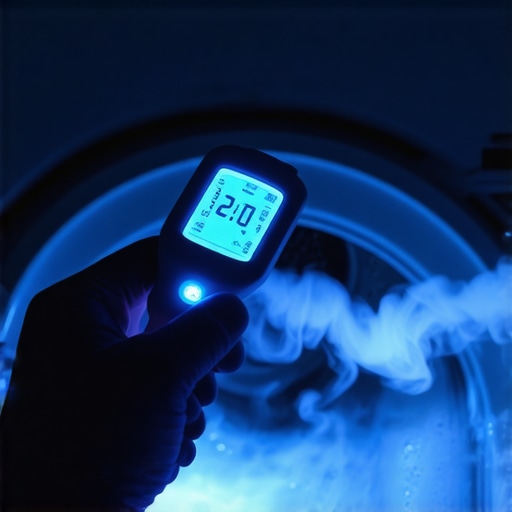
Maintenance for a steam-enabled machine is slightly more intensive than a standard top-loader. I personally use a digital thermometer once every three months to check the output temperature. If the steam isn’t hitting at least 140 degrees Fahrenheit, I know there is a scale build-up in the heater. According to Samsung’s technical service bulletins for high-efficiency models, mineral deposits from hard water are the primary cause of steam generator failure. To combat this, I run a descaling cycle with a citric-acid-based cleaner. It’s also vital to know how to reset the error codes on your modern smart washer because sometimes the software gets caught in a loop after a power surge or a minor sensor glitch. Just like the secret to making your refrigerator last twice as long often comes down to cleaning the coils, keeping your washer’s water inlet filters clear is the best way to ensure the steam generator never runs dry.
Why AI Diagnostics Will Change How We Fix Things
Looking ahead, we are moving toward a world where your appliances will tell you exactly what’s wrong before the part even breaks. When we analyze the future of home appliances trends to watch in 2025, it is clear that predictive maintenance is the next big leap. Imagine your washer sending a push notification to your phone saying, ‘Steam valve 3 is showing 10% reduced flow; order a replacement now.’ I’ve already started preparing for this by learning how to sync your smart kitchen appliances to one app so I can monitor all my diagnostic data in one place. This isn’t just for tech geeks anymore; it’s about preventing a $400 repair bill with a $15 part you caught early. My advice? Grab your phone, open your washer’s app, and run a ‘Smart Diagnosis’ right now to check your heater health. You might be surprised at what the sensors are already picking up behind the scenes.
The One Mistake That Actually Made My Clothes Dirtier
If there’s one thing I’ve learned from years of trial and error, it’s that more technology doesn’t always mean less thinking. I used to think the steam setting was a magic eraser for every mess, but I quickly realized that ignoring the science of fibers is a fast track to disaster. Here are my biggest lightbulb moments: First, steam is a finisher, not a starter. Always treat heavy stains with cold water first to prevent setting them permanently into the weave. Second, fabric softeners are the enemy of vapor. They coat the fibers and prevent the steam from doing its job, often leading to that weird smell out of your front loader. Finally, half-loads are the secret to success; if the steam can’t circulate, it’s just wasting electricity.
My Go-To Maintenance Kit for a Forever-Washer
#IMAGE_PLACE_HOLDER_E#
I don’t just hope my machine keeps working; I actively maintain it with a few specific tools to ensure those specialized cycles stay effective. To get the most out of washing machines that save water, you need a proactive approach. I recommend keeping citric acid powder in your cabinet; it is my secret weapon for descaling the steam generator without harsh chemicals. I also use a digital meat thermometer to verify the internal temperature is hitting the sanitize threshold every few months. Most importantly, stay updated with manufacturer apps for firmware updates to ensure your sensors are calibrated correctly, which is a huge part of the future of home appliances trends to watch in 2025.
Why You Should Finally Press That Mystery Button
Don’t let that control panel intimidate you anymore. Once you understand that steam is just a tool to help your detergent work smarter, you’ll stop fearing the heat and start enjoying crisp, allergen-free clothes. If you ever find that things aren’t working quite right, remember that learning how to reset the error codes on your modern smart washer is often all it takes to get back on track. Your wardrobe deserves the best care possible, and now you have the knowledge to provide it. Have you ever had a steam disaster where a garment came out looking worse than when it went in? Let me know in the comments below!