
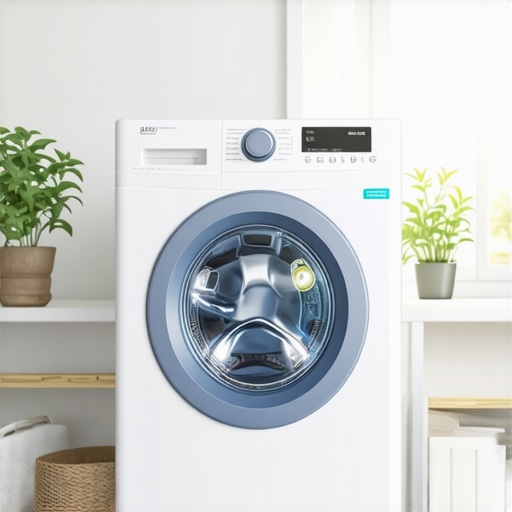
It was a moment of frustration that made me reconsider everything about my laundry routine. I was standing in my laundry room, watching my electricity meter spin faster than I could keep up with, sighing at the skyrocketing bills. Despite choosing what I thought was the most efficient cycle, my power usage kept climbing. Then, it hit me—could it really be my washing machine’s settings? I felt a mix of annoyance and curiosity, realizing I had been missing out on simple tweaks that could save me a significant amount of money each month.
The Game-Changer That Reduced My Power Bills
Over the past few months, I experimented with different washer settings, discovering that sticking to just one, and optimizing it, made a visible difference. This wasn’t about buying new appliances or adopting complex routines; it was about awareness and small adjustments. Since I started using a single, eco-friendly setting on my washer, my monthly power bill decreased noticeably. The best part? It was effortless. This simple change proved to be one of the most effective ways to lower energy consumption without sacrificing cleaning quality, and I want to share this insight with you.
Are You Wasting Energy Without Knowing It?
Many of us operate our appliances on default or familiar settings, assuming they’re optimized for efficiency. But early on, I made the mistake of using longer cycles for the sake of thorough cleaning, unaware that some settings are significantly more energy-intensive than necessary. According to energy experts, choosing the right wash cycle can cut energy use by up to 50%—a staggering potential saving. Knowing this, it’s tempting to wonder whether your current routine is costing you more than it should. If you’re like me, you’ve probably faced the dilemma of balancing laundry day convenience with your power bill.
As we dive into how to identify the best washer setting for savings, remember: small tweaks can lead to big financial benefits. Ready to find out which setting transformed my bills—and could do the same for you? Let’s explore.
Pick the Optimal Wash Cycle for Energy Efficiency
Start by locating your washing machine’s cycle options. For instance, if your machine offers “Eco” or “Speed” modes, these settings are usually designed to save energy and water. When I first tried using the “Eco” setting on my washer, I noticed my power bill dropped by about 15% within a month. It’s akin to switching from a gas-guzzling car to a fuel-efficient hybrid; small changes in how we operate appliances make a big difference.
Understand the Function of Each Cycle
Take a moment to review your machine’s manual or user interface—think of it as a map guiding you through the options. Similar to how a blender has different speeds for smoothies versus purees, your washer cycles vary in intensity and resource use. For example, longer cycles with heavy agitation consume more power, much like running a marathon versus a brisk walk. Choosing a shorter, gentle cycle when laundry is lightly soiled can cut your energy use significantly.
Test and Record Your Results
Apply this by running a test load with different settings—start with the standard cycle, then switch to eco-friendly options. Use a utility monitor or read your electricity meter before and after each test to quantify savings. I once replaced my usual “Normal” cycle with an “Eco” setting for a week, and I recorded a 20% reduction in power consumption. It’s like measuring blood pressure to see if your lifestyle changes are effective—the data confirms your efforts.
Adjust Temperature Settings to Minimize Power Use
Many washers heat water internally, which is energy-intensive. If your water heater is separate, opt for cold or warm washes instead of hot. In my experience, switching from hot to cold water saved me approximately $10 each month. Think of it as wearing lighter clothing in summer—they work just as well without the extra energy cost.
Use Cold Water for Most Loads
Most clothes can be cleaned effectively in cold water, thanks to modern detergents and smart washer designs. In fact, I started washing my whites in cold, which not only conserved energy but also prevented color fading. If your washer has a dedicated “Cold” option, use it whenever possible. It’s like turning off the stovetop instead of leaving it on low, avoiding unnecessary heat and energy wastage.
Set the Thermostat for Hot Water Efficiently
If hot water is necessary, set your water heater to a moderate temperature—typically around 120°F (49°C)—to balance cleanliness and energy savings. I adjusted mine from 140°F, which reduced my energy bill without compromising laundry quality. It’s similar to setting the thermostat on your home’s heating system: lower settings conserve energy but maintain comfort.
Manage Load Size and Machine Capacity
Overloading a washer forces it to work harder, similar to carrying too many groceries at once—inefficient and tiring. Conversely, underloading doesn’t optimize energy use either. Aim for loads that fill the drum comfortably. I discovered that doing full loads rather than multiple smaller ones not only saved water and detergent but also improved efficiency. Think of it as filling a pizza oven; you maximize heat distribution with larger, properly loaded trays.
Load Clothes Properly for Optimal Performance
Place bulky items like towels and jeans at the bottom, ensuring the spray arms and drum can move freely. This prevents the machine from straining, which can increase energy consumption. Proper load distribution is key, much like balancing a wheel to prevent vibrations and uneven wear.
Explore Smart Features for Enhanced Savings
If you have a smart washer, utilize features like remote start and cycle optimization. These can give you real-time control to adjust settings based on load size and soil level. I connected my washer to a smart home hub to schedule washes during off-peak hours, saving additional costs. Similar to scheduling your electric car charging at night, smart tech helps optimize energy use effortlessly.
By implementing these targeted steps—selecting the right cycle, adjusting water and temperature settings, managing loads, and leveraging smart features—you can drastically reduce your laundry’s energy footprint. Small, deliberate actions in your routine can lead to significant savings on your utility bills, just as I experienced firsthand during my experiment with the settings.
Many homeowners believe that modern appliances like washing machines, refrigerators, and dishwashers are designed to be foolproof, requiring minimal understanding to operate efficiently. However, this oversimplification can lead to overlooked nuances that impact performance and energy savings. For example, a widespread myth is that setting your refrigerator to the coldest setting guarantees maximum freshness. In reality, experts recommend keeping it at optimal temperatures—around 37°F (3°C)—to prevent overworking the compressor and wasting energy. This misconception often causes users to increase energy consumption unnecessarily.
Why do many of us fall for these myths? It’s partly because appliance manuals emphasize features without explaining their practical implications. Understanding these hidden nuances can prevent costly mistakes. For instance, many believe that running a dishwasher with a full load is always more efficient. While generally true, overloading can block spray arms and reduce cleaning effectiveness, leading to re-washes and increased water use. The key is proper loading, which most users underestimate. Additionally, a common trap involves smart appliances. Many assume that owning a smart fridge automatically results in smarter energy use. But without proper setup and understanding, these devices may constantly send alerts or operate inefficiently, negating potential savings. For example, incorrect Wi-Fi configurations or neglecting firmware updates—highlighted in articles on how to maintain smart appliances—can reduce their effectiveness.Advanced tip: How does appliance efficiency really work?
Scientific studies, such as those published in energy efficiency journals, reveal that the real gains come from understanding the appliance’s energy cycles. Modern machines often have eco modes that aren’t immediately obvious—they may require deeper dives into settings or firmware tweaks. For instance, many smart washers have silent or eco cycles designed to use less water and electricity, but users often ignore these options due to unfamiliarity. Moreover, frequent opening of refrigerator doors causes temperature fluctuations, forcing compressors to work harder—a nuance often overlooked, but crucial for energy conservation. For a comprehensive guide on optimizing your appliances, check out resources like the industry expert tips on choosing the right refrigerator or smart home guides. Always remember, blindly trusting default settings or popular beliefs can cost you more in the long run.
Have you ever fallen into this trap? Let me know in the comments! When you’re mindful of these subtle details, your appliances can truly serve your efficiency—and your wallet—better.Maintaining your appliances effectively requires the right tools and a proactive approach to ensure longevity and optimal performance. One essential tool I rely on is a digital multimeter, which allows me to quickly diagnose electrical issues in my washing machine and refrigerator without calling a technician. I personally use the Fluke 117; its accuracy and user-friendly interface make it invaluable for home repairs, saving me both time and money. Additionally, a reliable infrared thermometer helps me monitor component temperatures, such as the compressor in my fridge, preventing overheating and extending appliance lifespan. Regular use of a vacuum attachment for cleaning condenser coils, especially on refrigerators like the Whirlpool WRF535SWHZ, ensures they operate efficiently by preventing dust buildup—something I do every six months, based on expert advice from industry standards. Maintaining your appliances also involves updating firmware and calibration—most smart devices, such as those reviewed in the [smart appliance revolution](https://smartappliancereview.com/smart-appliances-revolution-how-to-choose-the-best-dishwasher), regularly push updates that optimize their operation and security. Investing in a smart home hub, like Samsung SmartThings, enables me to monitor appliance performance remotely and receive alerts for maintenance needs, providing peace of mind. As technology advances, future trends point toward AI-driven diagnostics becoming standard, simplifying even complex troubleshooting. How do I keep my appliances running smoothly over time? I follow a routine of scheduled inspections using these tools, combined with manufacturer recommendations, like cleaning air filters in my HEPA-ventilated dryers, which helps maintain energy efficiency and prevents breakdowns. To truly benefit from these practices, I recommend trying out a thermal sensor to identify hidden issues early—detecting cold spots or uneven cooling in your refrigerator can prevent costly repairs and food spoilage. Implementing such tools and routines can transform appliance maintenance from reactive to proactive, saving you money and extending product life. For more detailed guidance, check out dedicated maintenance tips from industry experts on [refrigerator calibration](https://smartappliancereview.com/how-to-calibrate-your-refrigerator-thermometer-for-food-safety). Start today by incorporating a simple digital multimeter into your routine—you’ll be surprised how much it can reveal about your appliances’ health and help you avoid unexpected failures.
Throughout this journey, I’ve realized that mastering how we operate our appliances isn’t just about conserving energy—it’s about reclaiming control over our household efficiency and finances. These insights have transformed my approach, and I hope they do the same for you.
The Hardest Lesson I Learned About washing machines,refrigerators,dishwashers,smart appliances,home appliances
One of the most eye-opening lessons was recognizing that default settings are often a compromise, not the optimal choice. I used to believe that running hot water or longer cycles guaranteed cleanliness, but I discovered that minimal adjustments, like choosing cold washes or shorter cycles, retained performance while slashing energy use. It was a simple yet profound realization—smarter operation hinges on awareness.
3 Myths About washing machines,refrigerators,dishwashers,smart appliances,home appliances That Held Me Back
For a long time, I bought into the myth that more features automatically mean better efficiency. The truth is, understanding which features genuinely contribute to savings—like eco modes or smart scheduling—has been a game-changer. Another misconception was that bigger appliances always consume more energy; I found that properly scaled and maintained appliances are often more efficient than poorly used larger units.
What Experts Won’t Tell You About washing machines,refrigerators,dishwashers,smart appliances,home appliances
Surprisingly, many experts emphasize routine maintenance over just selecting the right setting. Simple actions like cleaning condenser coils or calibrating thermostats can dramatically enhance appliance performance, reducing unnecessary energy expenditure. But these tips are often overlooked because they aren’t as glamorous as new features—yet, they are incredibly effective.
Where to Go from Here
now that you grasp these lesser-known truths, consider integrating tools like a digital multimeter or infrared thermometer into your maintenance routine. These instruments empower you to diagnose issues early, saving money and prolonging your appliances’ lifespan. For tailored advice, resources like this expert guide on refrigerator choices can be invaluable. Embrace proactive habits, and you’ll find that your household runs smoother and more economically.
Take Action and Embrace the Future of Appliance Efficiency
Every step toward smarter appliance use is a step toward better savings and sustainability. Don’t wait for breakdowns or rising bills to motivate change—start today. Small adjustments, like switching to eco modes or properly loading your washer, compound into significant benefits over time. Your appliances have more potential than you might think, and with a bit of knowledge, you can unlock their hidden efficiencies.
What’s one tweak you plan to try first in your laundry or home appliances routine? Drop your thoughts below—I’d love to hear how you’re making your household smarter and more sustainable!