
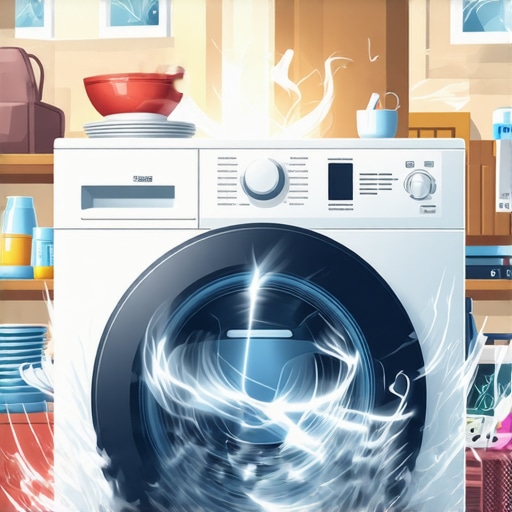
One morning, I nearly jumped out of bed because I thought an earthquake was happening—only to realize it was my brand-new washing machine doing its best impression of a small tremor. It was startling, embarrassing, and frankly, a huge mess to clean up after. That unsettling vibration had me scratching my head, wondering what I did wrong. Turns out, I wasn’t alone. Many homeowners discover their shiny, new appliances are more ‘shake and bake’ than ‘silent and sleek.’
The Real Reason Your Washing Machine Is Turning Your Home Into a Drum
If you’ve ever faced a noisy, vibrating washing machine, you’re not imagining things. This problem is more common than you might think and can be caused by a variety of factors—some easy to fix, others requiring professional help. The good news is, understanding what causes these vibrations is the first step towards a quieter, more stable laundry day. In my own experience, a simple adjustment or a few quick checks made a world of difference—and I’ll walk you through those soon.
Will Fixing This Save Your Floor and Your Sanity?
Early on, I made the mistake of ignoring the balancing legs, thinking it was just a minor annoyance. But over time, that neglect led to increased wear on the machine’s components and even slight damage to my bathroom floor. Trust me, a little attention now can prevent costly repairs later. If your washer’s vibrations are bothering you, don’t dismiss the signs; addressing them early keeps your home safe and your stress levels low. For more insights, check out this detailed guide on how to troubleshoot excessive vibrations.
So, why does your new washing machine shake the house? Well, several reasons could be at play—ranging from improper leveling, imbalanced loads, to manufacturing quirks. By the end of this post, you’ll know exactly how to identify and fix the most common causes, turning that rattle into a whisper. Ready to restore peace to your laundry room? Let’s dive in.
**Are you currently dealing with a violently shaking washer? Drop your experience in the comments—or visit our contact page if you need personalized advice.** Beginning with understanding the root causes is crucial. Sometimes, a quick adjustment is all it takes to keep your home—and your sanity—intact.
Level Your Washer to Quell Vibrations
Start by checking if your washing machine is perfectly level. Use a spirit level across the top edges; if it’s uneven, adjust the leveling feet by turning them clockwise or counterclockwise until the bubble stays centered. I once neglected this step and found my machine shaking so violently that it scared my cat into hiding. After leveling it, vibrations decreased significantly, making laundry less chaotic.
Secure the Anti-Vibration Feet
Ensure the rubber pads or anti-vibration feet are firmly attached and not worn out. Replace any that are cracked or missing using a compatible set from your appliance store. This is especially crucial if you notice persistent movement.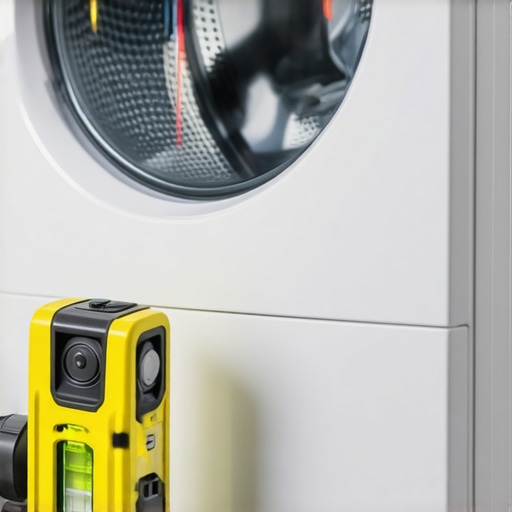
Balance Your Laundry Loads Effectively
Unbalanced loads are a common culprit. When clothes are bunched on one side, the washer tries to spin unevenly, causing excessive shaking. To prevent this, distribute laundry evenly around the drum—mix heavy and lightweight items. I learned this the hard way when washing a handful of towels and a delicate silk shirt separately made a massive difference in stability.
Remove Excess Laundry
Overloading not only strains your machine but also increases vibrations. Stick to the manufacturer’s recommended load capacity; usually, there’s a max weight listed inside the door or in the manual. I once crammed in one extra towel, and it threw the entire cycle off.
Inspect and Maintain Your Washing Machine Components
Regular maintenance keeps your washer running smoothly. Check the shock absorbers—if defective, they’ll need replacing. These are like the suspension system of a car, absorbing shocks during the spin cycle. Listen for knocking sounds or notice excessive movement at the start of spin—these are signs of worn-out shocks.
Test the Drum Support
Loose or damaged drum support bearings can cause vibrations. To diagnose, gently rock the drum side-to-side when the cycle is off; any play indicates worn bearings. Replacing them might require professional help, but tackling this early saves your home from damage.
Optimize Spin Speed for Stability
High spin speeds boost drying efficiency but often increase vibrations. Reduce the spin cycle in the settings—try lowering from 1200 rpm to 800 rpm. In my experience, a moderate speed significantly cut down on shaking without sacrificing much dryness.
Adjust the Spin Cycle to Fit Your Load
If your machine allows, select a lower spin setting for small or delicate loads. This tweak can help maintain balance and prevent noise or movement during operation. Experiment until you find the sweet spot for your laundry volume and fabric type.
When it comes to home appliances like dishwashers, washing machines, and refrigerators, many consumers rely on common beliefs that aren’t entirely accurate. Let’s challenge some of these misconceptions and reveal the nuances that can save you time, money, and frustration.
One widespread myth is that newer appliances always operate more quietly and efficiently. While technological advancements, such as AI integration in dishwashers, do enhance performance, they can also introduce new complexities. For instance, smart appliances depend heavily on stable Wi-Fi connections; a misstep here can render them less reliable than their simpler predecessors.
Another trap many fall into is believing that all energy-efficient models are the best choice for every household. In reality, water-saving washing machines and eco-friendly settings are great, but they often require a learning curve to optimize their use—using them improperly can negate the intended savings.
Why Do Smart Appliances Sometimes Backfire for Tech-Savvy Users?
For advanced users, a common oversight is neglecting firmware updates or misconfiguring app integrations. This oversight can lead to connectivity issues, reducing the appliances to manual operation or, worse, rendering remote control functions useless. Experts warn that firmware updates are essential not just for new features but also for security patches, which are critical in an era of increasing cyber vulnerabilities. Regularly checking and maintaining your device’s firmware can prevent costly breakdowns and performance hiccups. For a comprehensive guide, visit this expert advice.
And let’s not forget the importance of correct installation and setup. Many assume that plug-and-play is enough; however, improper leveling or missing accessories, like anti-vibration pads, can greatly impact appliance longevity and performance. A detailed understanding of your appliance’s requirements can forestall issues before they start.
In summary, the most common mistakes are driven by assumptions—assuming new is always better, or that default setup suffices. Challenging these beliefs can lead to smarter choices and longer-lasting appliances. Do you think you might be falling into these traps? Let me know in the comments, or reach out via our contact page for personalized advice. Remember, a little knowledge goes a long way in mastering your home’s technology.
Essential Tools for Appliance Maintenance
Keeping your appliances in top shape requires the right tools. I rely heavily on a digital multimeter to check connectivity and voltage levels, ensuring motors and sensors function correctly. A sturdy socket wrench and a set of screwdrivers allow me to open panels and perform hardware checks without damaging delicate parts. For cleaning and descaling, a grout brush and a spray bottle filled with vinegar help me reach into tight crevices, preventing mold and mineral build-up, which can hamper efficiency. These tools have become indispensable in my routine, allowing proactive maintenance that extends appliances’ lifespan.
Software and Apps That Keep You Ahead
Modern appliances often come with companion apps that monitor performance and alert you to issues before they escalate. I use the manufacturer-specific apps—like Samsung SmartThings or LG ThinQ—to receive diagnostic reports and schedule self-cleaning cycles. These platforms sometimes provide firmware update notifications, which are crucial for security and performance improvements, as emphasized in this expert article. Regularly checking these apps ensures my devices are running the latest software, preempting downtime and costly repairs.
The Art of Routine Checks for Long-Term Success
A monthly inspection routine can prevent many common appliance problems. For washing machines, I inspect hoses and filters, clean lint traps, and run a cleaning cycle with specialized tablets. Refrigerators benefit from vacuuming condenser coils—like I do with a handheld brush to eliminate dust, which can cause the compressor to work harder and wear out faster. Dishwashers, on the other hand, need spray arms and filters cleaned bi-annually to maintain optimal water flow and cleaning effectiveness. These small, consistent actions keep appliances running efficiently over years, providing peace of mind and saving money in the long run.
How do I maintain appliances over time?
Adopting a proactive maintenance schedule is key. Keep a journal or set reminders on your smartphone for regular tasks like cleaning filters, updating firmware via manufacturer apps, and inspecting parts. For smart appliances, ensuring they are connected to a reliable Wi-Fi network, as discussed in this guide, helps you receive timely alerts and perform remote diagnostics. Additionally, using tools like a multimeter can reveal early electrical issues before they become major failures. Implementing these practices has allowed me to delay replacements and extend the lifespan of my appliances significantly.
Future Trends: Smarter Maintenance at Your Fingertips
Looking ahead, I predict a rise in AI-powered diagnostic systems integrated into appliances, providing real-time health reports and predictive maintenance alerts. As these technologies evolve, staying updated with software releases and understanding how to interpret diagnostic data will become even more critical—something I stay ahead of by subscribing to industry newsletters and manufacturer updates. This ongoing education ensures you’re not caught off guard when devices call for attention, saving you money and inconvenience. For more on upcoming innovations, visit this insightful article.
Ready to Take Your Appliance Maintenance to the Next Level?
Start by integrating a reliable multimeter into your toolkit and routinely checking your appliances’ electrical health. This simple step can prevent unexpected breakdowns and extend their service life. Why not give it a try today? For comprehensive guidance on maintenance tasks tailored to your appliances, don’t hesitate to reach out via our contact page. Staying vigilant now means fewer surprises tomorrow, ensuring your home runs smoothly for years to come.
The Hidden Lessons I Learned From My Appliance Mishaps
- Never underestimate the power of a well-placed spirit level; it’s saved me from countless shaking disasters, proving that attention to detail prevents major headaches later.
- Balancing laundry isn’t just about neatness—improper loads can cause long-term damage, reminding me that a little extra effort ensures my appliances thrive.
- Regular maintenance, like cleaning filters and inspecting parts, has been a game-changer, transforming minor issues into manageable tweaks and extending appliance lifespans.
- Firmware updates aren’t just software fuss; they’re essential for optimal performance and security, emphasizing that staying current keeps my smart home running smoothly.
- Understanding the quirks of each device—like spin speeds or load capacities—has empowered me to optimize efficiency and reduce unexpected surprises in my daily routines.
Gear Up With Tools and Insights That Make a Difference
- My trusted digital multimeter helps me catch electrical gremlins before they become costly repairs, making it an indispensable part of my maintenance toolkit.
- Specialized cleaning brushes and vinegar sprays have kept my appliance interiors fresh and functioning, proving that a bit of DIY care goes a long way.
- Subscribing to manufacturer updates and expert blogs has kept me ahead of technological upgrades and troubleshooting tips—that edge saves time and money.
- Books on smart technology and appliance design have expanded my understanding, inspiring smarter choices and troubleshooting strategies for my home setup.
Embrace the Future: Your Appliance Journey Continues
Embarking on proactive maintenance and staying informed transforms your experience from reactive fixes to confident control. Remember, mastering your home appliances isn’t just about fixing problems; it’s about creating a seamless, efficient living space. Don’t hesitate to take those small steps today—your future self will thank you. How have you turned appliance challenges into opportunities? Share your stories below or reach out through our contact page to start a conversation.