
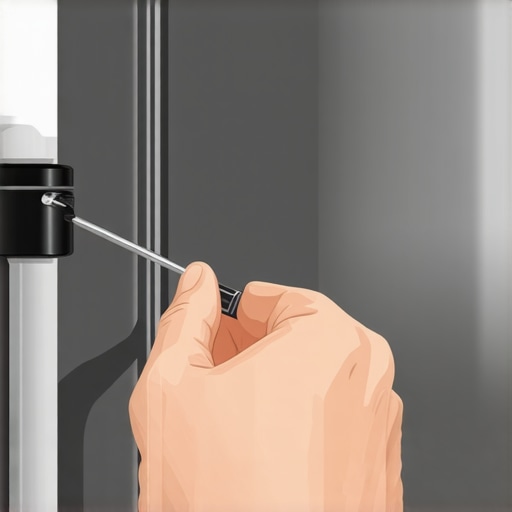
Ever had that sink-it-in frustration when your refrigerator’s water dispenser suddenly stops flowing or, worse, spits out a trickle? I remember the day I stood there, holding my glass, impatiently waiting for water, only to be met with a disappointing dribble. It’s a small inconvenience, but when it happens, it feels like the universe is conspiring against your morning routine. I used to think it was a problem that required a costly service call, but boy, was I wrong.
Why a Clogged Water Dispenser Can Be a Headache
Dealing with a clogged refrigerator water dispenser isn’t just about inconvenience; it’s about maintaining your appliance’s health. When water flow slows or stops, it often indicates buildup or blockages caused by mineral deposits, debris, or even ice formation. Left unaddressed, these clogs can strain your water filter, cause internal damage, or lead to mold growth—none of which are desirable in a device meant to provide fresh drinking water. The good news? Most of these issues are simple to fix, and you don’t need to be a plumber or an appliance expert to do it.
Are you tired of waiting forever for your water to flow? Or perhaps, you’ve noticed a strange taste or cloudy appearance in your ice cubes. These signs point toward a clogged water line or filter, and today, I will show you how to clear it out quickly and effectively.
Is the Fix Worth It for a Little Clog?
Early on, I made the mistake of replacing the entire water dispenser unit instead of just cleaning the lines. Turns out, a simple flush and some clearing techniques could save hundreds of dollars. According to home appliance experts, most dispenser blockages are minor and highly manageable with DIY methods. Plus, understanding this process empowers you to troubleshoot future issues without panic.
If you’ve ever wondered, “Can I fix this myself?” the answer is yes, especially when the fix is as straightforward as clearing a clog. The key is knowing exactly where to look and what to do. And if you want to stay ahead of these problems, I recommend keeping an eye on [trends in smart appliances for 2025](https://smartappliancereview.com/future-of-home-appliances-trends-to-watch-in-2025), which, among other features, focus on smarter, self-diagnosing water systems.
So, ready to get that water flowing again? Let’s dive into the practical steps that will end your frustration and have your fridge dispelling ice-cold water without a hitch.
Remove the Water Filter First
Start by locating your water filter, usually inside the refrigerator or behind a panel. Carefully turn or pull it out, just like removing a battery from a remote. I once ignored this step, and water still wouldn’t flow; removing the filter first is crucial because it can trap buildup that causes clogs.
Inspect and Clean the Filter
Check the filter for visible debris or buildup. If it looks dirty or hasn’t been replaced in over six months, consider replacing it or cleaning it if washable. For cleaning, soak it in warm water mixed with a bit of vinegar, then rinse thoroughly—this is similar to cleaning a coffee filter, which improves water flow. Reinstall the filter securely afterward.
Flush the Water Line
Next, disconnect the water supply line from the back of the refrigerator. Have a towel ready because water may leak during disconnect. Once detached, hold the line over the sink and run water through it using a garden hose or a syringe filled with water. You’re essentially acting as a plumber’s assistant here, pushing out mineral deposits and debris. If water flows freely, the line was likely clogged. If it’s still slow, proceed to the next step.
Use a Baking Soda Solution to Clear Remaining Blockages
Mix a solution of 1 teaspoon baking soda in a quart of warm water. Using a bulb syringe or a disposable syringe, push this solution through the line to loosen stubborn mineral deposits. My own experience involved some splashing, but it worked like a charm, restoring full flow after a couple of repeats. This method helps dissolve mineral buildup that soap and water alone can’t remove.
Check the Dispenser and Nozzles
Inspect the nozzles in the dispenser area for mineral deposits or debris. Use a soft brush or pipe cleaner to gently scrub away obstructions. Think of it as cleaning a straw—tiny particles can block the water, and a gentle scrub restores proper flow. Be cautious not to damage delicate parts.
Reassemble and Test
Reconnect the water line securely, reinsert or replace the water filter, and turn on the water supply. Run the dispenser for a few minutes to flush out any residual debris and check for leaks. If water flows normally, congratulations—you’ve successfully cleared the clog. If not, consider replacing the filter or calling a professional.
Prevent Future Clogs with Regular Maintenance
To keep your dispenser running smoothly, replace filters as recommended—usually every six months—and periodically flush the lines. Using filtered or softened water can also reduce mineral buildup, prolonging the life of your appliance.
Remember, addressing clogs early prevents costly repairs down the line. Regular upkeep, like cleaning the filter and flush lines, is akin to changing the oil in a car—simple steps that keep everything running efficiently. And for those interested in smarter home solutions, future appliance innovations (see these trends in smart appliances for 2025) may include self-cleaning water systems, reducing maintenance efforts even further.
While many believe that new appliances are foolproof or that modern tech eliminates common problems, there’s a lot more beneath the surface.
Is Your Washer Sabotaging Your Clothes Without You Realizing?
Most assume that high-efficiency washing machines are gentler, but in reality, they can sometimes cause clothes to wear out faster if overloaded or if the wrong detergent is used. Incorrect settings or neglecting routine maintenance like cleaning filters and seals can lead to mold buildup, bad odors, or even mechanical failures. Experts suggest that understanding the nuances of your specific model and following manufacturer recommendations is crucial. For example, many homeowners overlook the importance of leveling their washer, which can cause excessive vibrations and damage over time—something that many don’t consider when troubleshooting noise issues. For advanced tips on maintaining washing machines, you can explore how smart washers can simplify laundry.
Similarly, people often think that all refrigerators are created equal, leading to complacency. Yet, many forget that proper airflow around the unit, regular cleaning of coils, and correct door sealing can significantly extend their lifespan and efficiency. A common myth is that newer models don’t need defrosting, but some smart refrigerators include auto-defrost features precisely for this purpose, minimizing manual effort—though they require proper setup and maintenance. Check out top features transforming refrigerators in 2025, to see how innovation is taking these appliances further.
Moving on to smart appliances, many believe that they will instantly solve all household issues, but the truth is that integration can sometimes introduce new problems—like data sharing vulnerabilities or connectivity glitches. For example, some users think that smart washers can operate seamlessly without any setup, but without proper wiring, firmware updates, or privacy settings, you might face unexpected delays or security concerns. Interestingly, consulting this ultimate guide can prevent common pitfalls and optimize smart home setups.
In the realm of dishwashers, the misconception that all cycles are equally effective is widespread. Advanced models with AI technology use sensors to adapt the cycle length and water usage based on soil levels, contrary to the common belief that longer cycles are always better. Failing to utilize these smart features can lead to excessive energy consumption and subpar cleaning results. For more insights, see innovative AI-enabled dishwashers.
Ultimately, recognizing the nuanced capabilities and limitations of your appliances can save you money, extend their lifespan, and improve your household efficiency. Keep in mind that regular maintenance, informed usage, and understanding that no device is completely self-sufficient are key. Have you ever fallen into this trap? Let me know in the comments. For deeper dives into future innovations, check out trends to watch in smart appliances for 2025.
Essential Tools for Long-Term Appliance Care
Investing in the right equipment can significantly extend the lifespan and efficiency of your household appliances. One must-have is a digital infrared thermometer, which allows you to monitor temperature fluctuations in refrigerators and ovens, helping prevent overheating or freezing issues before they escalate. Personally, I use the Etekcity Lasergrip 774 because its accuracy and ease of use make routine checks quick and straightforward. Additionally, a multimeter is invaluable for diagnosing electrical components in washing machines or dishwashers, enabling you to identify faulty wiring or capacitors without calling a technician. Remember, knowing how to interpret readings can save you time and money.
Software and Apps That Simplify Maintenance
Modern smart appliances often come with companion apps, turning your smartphone into a maintenance command center. I recommend syncing your fridge and washer with apps like Smart Laundry Assistant and manufacturers’ exclusive platforms. These apps notify you when filters need replacing, alert you to unusual activity, or even diagnose issues remotely. For instance, the Samsung Smart Home app provides detailed diagnostics for its refrigerators, and I’ve found their remote troubleshooting exceptionally accurate. Embracing these tools can reduce unexpected breakdowns and keep your appliances running smoothly over years.
Creating a Routine Maintenance Schedule
Consistency is key. Establishing a regular maintenance calendar ensures your appliances receive preventative care. Set reminders to clean refrigerator coils quarterly—using a vacuum with a brush attachment like the EZ Brush Coil Cleaning Kit. Also, schedule filter replacements for your water dispenser and air filters for your HVAC units compatible with smart thermostats. Personally, I rely on task management apps like Todoist to set recurring alarms for maintenance, which keeps my household appliances in top shape with minimal effort.
How do I maintain appliances over time?
To keep everything working optimally, combine my recommended tools, smart apps, and scheduled routines. Using diagnostic gadgets like infrared thermometers and multimeters allows early detection of issues. Sync with management apps to stay informed about upcoming maintenance needs and use online resources, such as guides on modern appliance care, for expert advice. Additionally, familiarize yourself with manufacturer-specific troubleshooting tips—like referencing future trends and smart appliance features—to anticipate upcoming innovations. Regularly cleaning components, updating firmware, and scheduling inspections with qualified technicians when needed can prevent costly repairs. Take the initiative today by trying the simple yet effective technique of using a digital infrared thermometer to monitor your fridge’s internal temperature and catch problems before they disrupt your daily routine.
What I Wish I Knew When I Started Fixing Appliances
One of the most surprising lessons I learned was how often simple maintenance can save a lot of money and frustration. I used to assume that appliance issues meant calling in the pros, but I discovered that with a bit of patience and the right tools, many problems are easily manageable at home.
Another insight is the importance of understanding your specific appliance’s design. Not all fridge filters are the same, and knowing how to replace or clean yours can significantly extend its lifespan. A defeatist attitude falls away when you realize that most issues are just minor hurdles waiting to be crossed.
Finally, embracing the smart features of modern appliances can make troubleshooting more straightforward. Many smart refrigerators and washers come with diagnostic tools that, when used correctly, can prevent unnecessary part replacements. Trusting and learning these tech capabilities was a game changer for me.
Tools and Resources That Changed My Approach
I can’t recommend enough investing in a quality digital infrared thermometer like the Etekcity Lasergrip 774. It has saved me countless times when checking fridge temperatures or diagnosing appliance overheating. A multimeter is also invaluable for electrical troubleshooting, giving you peace of mind and a clear idea of what’s wrong without guesswork.
Books like The Ultimate Guide to Smart Home Appliances provided me with in-depth tips on maintaining and optimizing my smart appliances. Additionally, manufacturer-specific apps help monitor and diagnose issues remotely, making routine maintenance less of a chore.
For ongoing support and learning, online communities dedicated to appliance repair and smart home tech are gold mines. Sharing experiences and solutions with fellow enthusiasts can fill gaps that official manuals sometimes miss.
Your Next Move Starts Now
Improving your appliance knowledge isn’t just about fixing problems—it’s about gaining confidence in your home’s technology. With the right tools, proactive habits, and a curious mindset, you can transform appliance maintenance from a dreaded chore into an empowering routine. Remember, each small fix adds up to long-term savings and peace of mind.
Are you ready to take charge of your smart appliances and minimize those frustrating moments? Share your experiences or questions below—I’d love to hear how you’re making your home smarter and more efficient!