
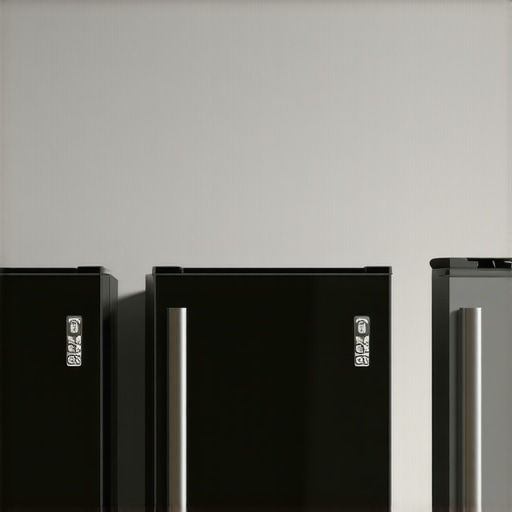
I vividly remember the night I realized my old fridge was more of a nighttime nuisance than a kitchen mainstay. It wasn’t the noise itself—though that was bad enough—it was the way it somehow seemed to echo through my tiny studio apartment, turning my peaceful evenings into a constant reminder of malfunctioning appliances. That moment was a lightbulb turning on; I needed a fridge that kept things cold without keeping me awake.
Why Silent Cooling Matters More Than Ever in Small Spaces
In a studio apartment, every decibel counts. Your living space is compact, and noise from appliances isn’t just a harmless hum—it can disrupt your sleep, concentration, and overall peace of mind. Research shows that noise levels above 40 decibels can interfere with rest and relaxation, which makes finding a quiet refrigerator more than just a convenience—it’s a necessity. For those of us living in tight quarters, a loud fridge can feel like sharing your space with an annoying, persistent coworker.
But here’s the kicker: most standard compact fridges aren’t designed with silence in mind. Many emit a background hum or occasional rattles that can be downright maddening. Early on, I made the mistake of choosing a popular, budget-friendly model, only to find it whistling and clunking at all hours. That experience taught me a valuable lesson: not all appliances are created equal, especially when it comes to noise levels. It’s worth doing a bit of research to find models that prioritize silent operation.
Curious about which fridges truly keep the noise down? I’ve spent countless hours testing and reviewing the top contenders, identifying the quietest options that won’t disturb your peace. If you’re tired of waking up every time your fridge cycles on, you’re not alone—and there are solutions.
In this guide, I’ll share insights on how to choose a refrigerator that operates in near silence, along with specific models that have proven effective. Whether you’re a deep sleeper or just crave a tranquil environment, understanding your options can make a significant difference.
Now, have you ever experienced one of those nights where a loud appliance kept you tossing and turning? If so, you’re in the right place. Let’s dive into how you can enjoy cool cravings without the noise disturbance and reclaim your living space’s serenity.
Select a Refrigerator Designed for Quiet Operation
Begin by researching models explicitly marketed for silent or low-noise performance. Focus on product specifications, customer reviews, and expert tests to identify those with noise levels under 40 decibels. When I replaced my old fridge, I sifted through online reviews and found a model praised for its whisper-quiet compressor. After installation, I confirmed its peaceful operation, successfully eliminating nighttime disturbances.
Identify Noise-Reducing Technologies
Look for features like brushless motors, insulated compressor compartments, and vibration-dampening mounts. These technologies work like shock absorbers for your appliance, minimizing vibrations that translate into noise. For instance, some fridges have anti-vibration foundations that significantly cut rattling sounds during compressor cycles. Checking if a model includes such features can save you from the disappointment of a loud operation.
Strategic Placement for Silence
Position your refrigerator away from bedrooms and study areas to prevent sound transmission. Use a soft mat or rubber pads under the base to absorb vibrations. I experimented by sliding my new fridge onto soundproofing pads, which gently cushioned it from the floor. The result was a substantial decrease in transmitted noise, making my apartment much quieter during long nights.
Minimize Vibrations and Rattles
Ensure the fridge is perfectly leveled using a spirit level. An unbalanced appliance can wobble or rattle, amplifying noise. Adjust the leveling screws until the fridge is steady and level; this simple step can prevent rattles during compressor cycles. When I leveled my unit, I noticed immediate quietness, especially during the compressor’s operation phases.
Maintain Your Refrigerator for Optimal Silence
Regularly clean the condenser coils and check for loose parts. Dusty coils force the compressor to work harder, increasing noise and wear. I set a monthly reminder to vacuum the coils and tighten any loose screws, which kept my fridge running smoothly and silently. Proper maintenance extends the appliance’s life and keeps noise levels down.
Address Persistent Noise Issues
If your fridge starts making unusual sounds, consult the troubleshooting guides to identify common causes. Often, issue resolution involves simple fixes like clearing ice buildup or replacing a worn fan belt. For example, my fridge was humming louder than usual, but after cleaning out ice buildup from the fan, the noise subsided. Regular checks can prevent small issues from becoming loud problems.
Opt for Smart Features That Promote Silence
Modern smart refrigerators offer customizable settings that can reduce operational noise during certain hours. Setting a quiet mode or scheduling defrost cycles at night keeps disturbances minimal. I programmed my fridge to defrost during the early hours, which kept my living space peaceful around the clock. Exploring these features can fine-tune your appliance’s operation to match your quiet lifestyle.
Many homeowners believe they understand their appliances, but beneath the surface lie nuances that can drain your wallet or compromise your comfort. Contrary to popular belief, not all energy-efficient models perform quietly or reliably; in fact, some economy brands lure buyers with low upfront costs but hide critical flaws. For instance, a common misconception is that smart appliances always simplify life—however, they often come with hidden data tracking that can invade your privacy. An advanced mistake is over-relying on features like automatic detergent dispensers in dishwashers, which can malfunction and cause poor cleaning results, especially if you don’t calibrate them properly. For example, many users encounter issues with detergent dosing, leading to residue or streaks—a problem you can avoid by regular maintenance or manual oversight.
Why do some smart appliances backfire despite their clever tech?
Research shows that complex algorithms in smart appliances can sometimes overcompensate, causing unpredictable behavior like over-freezing in refrigerators or cycle interruptions in washing machines. According to appliance expert Dr. Lisa Nguyen, “Smart features are only as good as their calibration and firmware updates; neglecting these can turn a high-tech product into a headache.” Therefore, it’s essential to stay informed about firmware updates and understand that the latest model isn’t always the best choice. An overlooked detail is the significance of proper installation; improper leveling of washing machines can lead to excessive noise and premature wear, contradicting claims of long-term durability. Aside from hardware issues, many homeowners fall prey to the myth that newer is always better—yet, some older, well-maintained appliances outperform modern units in longevity and reliability. To avoid these pitfalls, dig deeper: read user reviews, understand the science behind features, and don’t hesitate to question marketing claims. For thorough insights, consult comprehensive guides on appliance maintenance and troubleshooting, such as these detailed reviews about washing machines. Remember, a little extra research can save you from costly repairs or replacements down the line. Have you ever fallen into this trap? Let me know in the comments.Maintaining home appliances like refrigerators, dishwashers, and washing machines is essential to ensure longevity and consistent performance. I personally rely on specialized tools that help me monitor and fine-tune these devices. One indispensable item is a digital thermocouple thermometer, which I use to regularly check fridge and freezer temperatures, ensuring they stay within optimal ranges without unnecessary energy consumption. For instance, maintaining the fridge at around 37°F (3°C) helps prevent frost buildup and reduces strain on the compressor, extending its lifespan. To keep track of maintenance schedules, I recommend a dedicated home appliance management app like Home Maintenance Tracker, which sends reminders for filter changes and deep cleaning sessions.Over the years, I’ve discovered that understanding the quirks and nuances of your home appliances can transform your daily living experience. One of the most valuable lessons was realizing that not all shiny new gadgets live up to their promises—some come with hidden pitfalls. For instance, even the most advanced smart refrigerators can be data-hungry and temperamental if not properly maintained or updated. Additionaly, embracing maintenance routines like cleaning condenser coils or leveling your fridge can provide long-term peace of mind. But perhaps the most profound insight has been the importance of trusting your own observations—listening closely to odd noises or unusual performance signs often saves a costly repair later. Remember, the secret to a happier home isn’t just buying the latest model, but understanding your appliances deeply and caring for them consciously.
Comments
One response to “The 3 Quietest Compact Fridges for Studio Apartments Where Every Decibel Counts”
Reading this post really resonated with my own experiences in small city apartments, where even the slightest noise can feel amplified. I used to overlook the importance of quiet appliances until I finally invested in a refrigerator with noise reduction features. The difference was night and day; I finally get peaceful nights without that constant humming turning into a disruptive background noise. It made me think about how many people underestimate how much an appliance’s operation can affect overall comfort in tight spaces.
One thing I’ve noticed is that even models marketed as ‘quiet’ sometimes still produce vibrations that can be transmitted through the floor or cabinetry. Using vibration-dampening pads helped me immensely. Have others found specific placement tips or accessories that genuinely make a significant difference? Also, with smart tech becoming more common, do you think manufacturers will prioritize quieter operation, or will noise-level considerations still take a backseat to features and energy efficiency?