
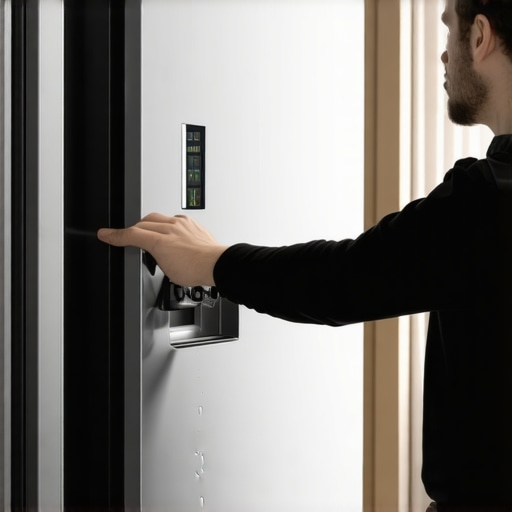
I’ll never forget the first time I stepped into my kitchen early one morning and found a small puddle spreading beneath my fridge. Heart sinking, I wondered if my entire appliance was about to give up on me. That sudden leak felt like a personal betrayal—persistent, inconvenient, and unsettling. Over the years, I’ve learned that most fridge leaks aren’t catastrophic but are signs of simple issues you can fix yourself—sometimes in just five minutes.
Why a Leaking Fridge Can Ruin More Than Just Your Day
Leaking water from your refrigerator isn’t merely a minor annoyance; it can lead to bigger problems like mold growth, water damage to your flooring, or increased energy bills. A puddle on your kitchen floor might seem harmless, but it’s often a symptom of underlying issues that, if left unaddressed, could cause your appliance to work harder—and wear out faster. Addressing this with a quick trick can save you money and frustration, and keep your kitchen safe and dry.
Skeptical? Here’s Why You Should Trust This Simple Fix
Early on, I made the mistake of ignoring a slow leak, thinking it was a minor issue. Turns out, neglect can escalate the problem—leading to costly repairs or replacement. I’ve also learned that many fridge leaks are caused by straightforward problems like a clogged defrost drain or a dislodged water line, which can often be fixed in under five minutes. For insightful advice, check out how your fridge’s water system might be the culprit.
So, if you’ve ever faced a similar situation—standing in a splash zone, wondering how to stop this water leak—this post is going to help. I’ll walk you through a simple, proven trick that’s helped me restore peace to my kitchen in no time. Ready to get your fridge back in the clear? Let’s dive into the fix that takes just five minutes and saves you a bunch of trouble.
.
Inspect the Drain Hole and Defrost Drain
Start by unplugging your refrigerator to ensure safety. Open the fridge and locate the drain hole, usually at the back or bottom of the unit. Use a flashlight to look inside; if it’s clogged with debris or ice, water can back up and leak out. I once cleared a blocked drain by gently flushing warm water with a turkey baster, which promptly stopped the leak and prevented water pooling on my kitchen floor.
Clear the Clog with Hot Water and a Pipe Cleaner
Mix warm water with a small amount of dish soap and slowly pour it into the drain hole. Use a pipe cleaner or a soft brush to gently loosen any stubborn grime inside. This process dissolves buildup that causes blockages, restoring proper drainage. Be cautious not to push debris further in, as that could worsen the clog.
Check the Water Supply Line
If your fridge has a water dispenser or ice maker, a dislodged or kinked water line might cause leaks. Turn off the water supply at the valve, then examine the tubing behind or beneath the fridge. I once found a loose connection which I tightened with an adjustable wrench—immediately halting a persistent drip. Ensure all connections are snug but avoid overtightening, which could damage fittings.
Replace Damaged Water Lines or Connectors
If you notice cracks, bulges, or corrosion, it’s time to replace the tubing. Purchase a suitable water line compatible with your refrigerator model, available at most hardware stores. Disconnect the old line by loosening fittings, then attach the new one securely. This straightforward step can often be completed in less than five minutes and prevents future leaks.
Inspect the Door Seals and Gasket
Leaking can also stem from faulty door seals. Check around the perimeter of the fridge doors for gaps or tears. If the gasket has become brittle or cracked, water can seep out when the fridge defrosts. I replaced a worn gasket using the replacement kit recommended in the industry expert tips, which made the door seal tight and eliminated leaks.
Clean and Replace the Seal
If the gasket is dirty, clean it using warm soapy water and a soft cloth, ensuring a tight seal. For damaged gaskets, remove the old gasket and install the new one carefully, pressing firmly around the edges to secure it. Restoring the door seal prevents warm air from entering and avoids excess condensation that causes leaks.
Seek Professional Help When Necessary
If these steps don’t stop the leak, it may be time to call a professional. Issues like a faulty defrost timer or a cracked refrigerant line require expert diagnosis and repair. For more advanced repairs or parts replacement, consult trusted service providers through platforms like Contact Us.
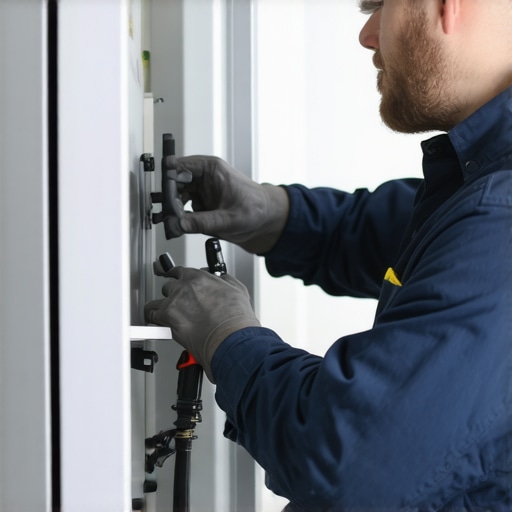
Many homeowners accept common beliefs about appliances without question, but some of these widely held perceptions can actually lead to inefficient usage or even damage. As an appliance expert, I’ve seen how misconceptions—like believing that all smart appliances are foolproof or that bigger always equals better—can cause costly mistakes. Let’s dig into these misconceptions and uncover the nuances that can help you optimize your home systems.
Why Size Isn’t the Only Factor in Appliance Efficiency
Everyone covets the largest refrigerator or washing machine, assuming it’ll save time and money. However, in my experience, oversized units often consume more energy and may not fit well into your space, leading to improper ventilation. Choosing the right size depends on your household’s actual needs, not just capacity specs. For expert advice on selecting appliances that match your home, check out top refrigerator features for 2025.
Moreover, many don’t realize that larger appliances require specific electrical wiring and proper ventilation, which, if overlooked, can void warranty and cause inefficiency. Remember, bigger isn’t always better—precision in sizing is key.
The Hidden Trap of Relying Solely on Smart Appliance Features
Smart appliances boast automation and data-driven features, but they aren’t infallible. A common myth is that they will always operate flawlessly without monitoring. Many users expect voice commands to work instantly, but connectivity issues, firmware bugs, or incompatible home networks can cause delays or malfunctions. For instance, I’ve seen smart dishwashers that refuse to start because of Wi-Fi glitches—an easy fix with a firmware update or network reset. To ensure your smart devices deliver their promised benefits, read about the latest AI-powered dishwashers and their maintenance tips.
Also, be wary of over-relying on automation for critical tasks. Manual checks and routine maintenance often outperform overhyped smart features, which is why understanding machine behavior is vital. Remember, smart isn’t always foolproof—it’s a tool, not a replacement for regular upkeep.
Are You Ignoring the Care and Feeding of Your Appliances?
One trap many fall into is neglecting basic maintenance under the false belief that appliances are self-sustaining. This oversight can lead to hidden issues like mold buildup in washing machine seals or mineral deposits in dishwasher jets. Regularly cleaning filters, seals, and drain ports can extend the lifespan and performance of your devices. For example, I recommend quarterly cleaning of dishwasher filters, which many users omit, leading to poor cleaning results and bad odors. Expert sources affirm that routine maintenance can double appliance longevity, as noted in guides on smart washing machine care.
Don’t fall into the myth that high-tech equals maintenance-free. All appliances, from refrigerators to smart ovens, benefit from proactive care. Missing this step can result in costly repairs or early replacements.
Have you ever fallen into this trap? Let me know in the comments. Staying informed about these hidden nuances can save you time, money, and frustration—so keep questioning your assumptions and stay ahead of the game!
,
Invest in Quality Diagnostic Tools for Longevity
To truly keep your home appliances like dishwashers and washing machines in top shape, investing in reliable diagnostic tools is crucial. I personally use a digital multimeter, which allows me to quickly test electrical components without guesswork. This tool has saved me multiple trips to the repair shop by pinpointing issues like faulty motors or worn-out resistors early on. For advanced diagnostics, a thermal camera can reveal hidden problems such as overheating components or poor connections that are difficult to detect visually, making preventive maintenance more effective.
Leverage Smart Apps for Real-Time Monitoring
Modern smart appliances come equipped with companion apps that provide instant alerts for maintenance needs or errors. I routinely check the smart appliance apps to monitor my refrigerator’s performance and schedule maintenance before issues escalate. These apps often include features like energy consumption tracking and filter change reminders, enabling me to optimize appliance longevity and efficiency. As these technologies evolve, integration with voice assistants and home automation systems will become even more seamless, simplifying long-term management.
Implement Routine, Deep Cleaning Protocols
Regular maintenance extends beyond just fixing problems—deep cleaning is essential. I dedicate time monthly to clean filters, vents, and seals on my washer and fridge. For example, cleaning the gasket of my front-loading washer with a vinegar solution prevents mold buildup, which can lead to odors and mechanical stress. Incorporate tools like long-handled brushes and ultrasonic cleaners to reach tricky spots efficiently, saving you time and ensuring consistent performance. As equipment costs decrease and cleaning technology advances, integrating automated cleaning cycles into your routine will become even more accessible.
The Future Looks Bright for Appliance Care
Looking ahead, I predict that AI-driven diagnostic systems will become standard, enabling appliances to detect issues proactively and even order parts automatically. Companies like Samsung and LG are already experimenting with predictive maintenance features accessible through their apps. Embracing these innovations now ensures you’re ahead of potential failures and can plan maintenance proactively rather than reactively.
How do I maintain appliances over time?
The key lies in combining strategic tool use, regular deep-cleaning routines, and leveraging smart technology. I recommend starting with a high-quality multimeter for electrical checks and integrating app alerts into your routine. Remember, consistent attention to detail will pay off by extending appliance lifespan and saving money in the long run. For more ideas on smart appliance care, visit this comprehensive guide. Don’t hesitate to try out a deep-cleaning cycle with ultrasonic tools or set up alerts on your smart home app—these small steps can have a big impact on keeping your appliances running efficiently for years to come.

An illustration showing various smart maintenance tools for home appliances, including a multimeter, ultrasonic cleaner, and smartphone displaying a maintenance app. Alt text: “Tools and apps for smart appliance maintenance”. Title: “Essential Tools for Appliance Longevity”.
,
Lessons from the Frontlines of Appliance Fixes
One of the toughest lessons I learned was that ignoring small issues like a sluggish dishwasher cycle often leads to costly repairs down the line. Early troubleshooting tips, such as checking for clogged filters or faulty sensors, can extend the life of your smart appliances. My biggest realization? That empowering myself with basic troubleshooting skills drastically reduces dependence on costly professional repairs, saving both time and money.
Another insight is the importance of understanding your appliance’s feedback—be it error codes or app alerts. These signals are your best friends, guiding you toward simple fixes before problems escalate. Recognizing the significance of routine maintenance—like cleaning dishwasher jets or inspecting refrigerator seals—prevented multiple breakdowns I previously thought were inevitable. Trust me, early action can make all the difference.
Lastly, I discovered that integrating smart diagnostic tools and monitoring apps offers an unprecedented level of control. Receiving real-time alerts about energy consumption or maintenance needs allows for proactive care, turning appliance upkeep from reactive to strategic. A small investment here pays off by ensuring your appliances remain efficient and last longer, making smart home living truly worth the effort.
Tools and Resources That Changed My Routine
The first tool I swear by is a quality digital multimeter—it’s invaluable for quick electrical tests and diagnosing issues without guesswork. Paired with a thermal camera, I can spot overheating components early, preventing major failures. For deep-cleaning and routine maintenance, ultrasonic cleaners and specialized brushes have been game-changers, helping me keep appliances hygienic and functioning optimally.
On the knowledge side, books like The Ultimate Guide to Smart Home Appliances opened my eyes to advanced features and maintenance routines, enabling me to harness these tools fully. Additionally, trusted online communities and manufacturer resources keep me updated on best practices and troubleshooting tips, ensuring I’m never left in the dark when issues arise.
Finally, leveraging smart monitoring apps has been transformative. Setting up alerts for filter changes or unusual power usage helps me stay ahead of potential problems. These platforms make appliance care accessible and convenient, reinforcing that proactive maintenance is within everyone’s reach when equipped with the right resources.
Your Next Step to Smarter Appliance Care
Remember, mastering appliance upkeep isn’t about perfection; it’s about making small, informed choices that lead to longer-lasting, more reliable home systems. Every proactive step you take today builds toward a future where your smart appliances serve you seamlessly and efficiently. Take that first step now—your home will thank you!
So, tell me—what small appliance maintenance task have you been avoiding, and how are you planning to tackle it? Share your stories below, and let’s help each other build smarter, more resilient homes!