
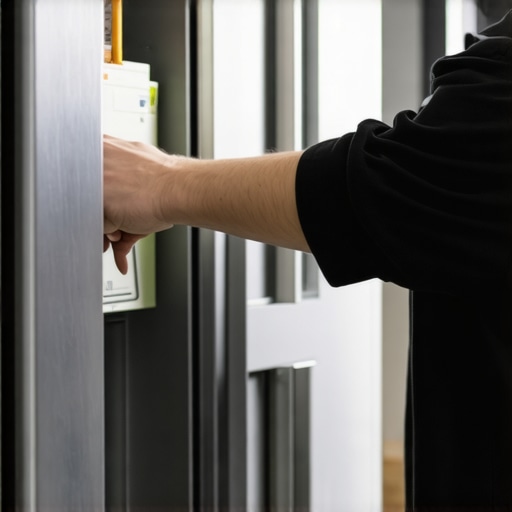
Ever opened your refrigerator and instantly smelled something off, or noticed that your food isn’t staying as fresh as it used to? I remember the moment I first realized my fridge wasn’t sealing properly. It was a hot summer day, and I reached in to grab a fresh bag of greens—only to find a damp, moldy smell that just wouldn’t go away. That’s when it hit me: my door seal was torn, and I needed to fix it before my entire kitchen became a science experiment.
Why a Torn Refrigerator Door Seal Deserves Your Attention
Your refrigerator’s door seal, or gasket, is the first line of defense in keeping your food fresh and your energy bills low. When it’s damaged or torn, cold air escapes, forcing your appliance to work harder—and costing you more money in the long run. Plus, mold and bacteria can sneak in through those tiny gaps, leading to potential health hazards. Recognizing and repairing that tear isn’t just about convenience; it’s about maintaining a safe and efficient home environment.
Is Replacing a Door Seal Really Worth the Hassle?
Absolutely. I once tried to ignore a small tear, thinking it would fix itself. Spoiler alert—things only got worse. The fridge became noisier, food spoiled faster, and my energy bill doubled. Early on, I made the mistake of purchasing cheap replacement seals online without verifying their fit, which only added frustration. Trust me, taking the time to do it right saves headaches later. For more insights on maintaining efficient appliances, check out this guide on how smart washing machines can simplify laundry day.
If you’re tired of tossing out spoiled produce and want that satisfying feeling of a well-sealed fridge, then stay tuned. In the next sections, I’ll walk you through exactly how to replace that torn gasket yourself—step by step, with tips based on my personal experience. It’s easier than you think, and just a few tools and a bit of patience are all you need to restore your fridge’s efficiency and freshness.
**Ready to get started? Let’s dive into the practical side of fixing your refrigerator door seal and save yourself some money—and that lingering smell.**,
Gather the Necessary Tools and Parts
Start by collecting a new refrigerator door gasket compatible with your model. You’ll need a Phillips screwdriver, a flat-head screwdriver, and a clean cloth. Remember, using the right replacement seal ensures optimal fit and sealing—don’t be tempted by cheap alternatives that might cause leaks later. During my first attempt, I mistakenly bought a generic seal, which didn’t align properly, leading to another tear. Making sure you have the correct gasket saves time and effort.
Remove the Old Seal Carefully
First, unplug your fridge to ensure safety. Locate the retaining clips or screws holding the gasket in place—these are usually visible along the gasket’s inner side. Use a flat-head screwdriver to gently pry off the gasket from the door frame, working slowly to avoid damaging the metal or scratching the surface. When I replaced my seal, I used a plastic pry tool instead of a metal one, which prevented any dents or scratches. Take note of how the gasket fits and any clips that hold it in place.
Disengage the Seal from the Frame
Carefully peel the gasket away from the frame, working around the entire perimeter. If any clips or screws are present, remove them with the Phillips screwdriver. Clean the frame with a damp cloth to remove debris, dust, or mold that may have accumulated. This step is crucial—leaving dirt can compromise the new seal’s effectiveness. In my experience, a clean frame helped the new gasket seat perfectly, preventing future leaks or tears.
Install the New Seal Correctly
Align the new gasket with the door frame, matching the clips or screw holes. Start at one corner and work your way around, ensuring the gasket is evenly seated. Press the gasket into the frame and secure clips or screws if provided. Double-check that the gasket is flush against the door, with no sagging or gaps. During my recent DIY fix, applying gentle pressure uniformly around the gasket ensured a tight seal, which improved energy efficiency and kept my food fresher.
Test the Seal’s Effectiveness
Close the door firmly and inspect the seal for proper contact. You’ll want to ensure there’s a uniform pressure all around and no visible gaps. Use a dollar bill test—place a dollar bill between the door and the gasket at various points, then try to pull it out. If the bill slips easily, the seal isn’t tight enough. Adjust the gasket as needed. I did this test after installation and found a loose spot, which I rectified by reseating the gasket. This step guarantees your repair is successful.
Final Tips for Long-Term Success
Regularly clean the gasket with mild soap and water to prevent mold buildup. Inspect the seal every few months for signs of wear or tears—early detection saves money. Keep the door closing firmly without slamming to avoid tearing the gasket prematurely. For those interested in smarter appliance maintenance, exploring smart home appliance options can offer insights into proactive upkeep and energy savings.
 Many homeowners operate under misconceptions about appliances like dishwashers, refrigerators, and washing machines, often leading to inefficient use or premature failure. One widespread myth is that all smart appliances automatically save energy; in reality, some smart features can cause higher electricity bills if used improperly. For example, setting your smart fridge to maximum cooling constantly, instead of optimal, can result in unnecessary energy consumption, negating the benefits of energy-saving technologies. Experts emphasize understanding these nuances for smarter appliance use, as highlighted in studies from the Department of Energy, which show that optimal settings can reduce energy use by up to 30%. Another common mistake is assuming that more water in washing cycles always means cleaner clothes, but overfilling the drum strains the machine and causes increased wear and tear, potentially leading to costly repairs sooner. Persistent misconceptions also include believing that newer models are always better, ignoring the importance of choosing appliances fit for your specific household needs—size, features, and usage patterns matter greatly, as outlined in industry reviews. When selecting and maintaining appliances, small adjustments in usage habits can significantly prolong their lifespan and efficiency. For instance, regularly cleaning refrigerator coils or not overloading dishwashers improves performance and conserves energy, aligning with the advice found in the “Ultimate Guide to Smart Home Appliances”. Additionally, many overlook the importance of software updates in smart appliances; ignoring these can make your device less efficient or vulnerable to glitches. Staying informed about the latest firmware, as discussed in various tech reviews, ensures optimal performance and security. Have you ever fallen into this trap? Let me know in the comments. For those interested in maximizing their appliances’ potential, exploring trends in smart technology can be eye-opening. The future of home appliances promises smart features that adapt to your lifestyle, saving you money and hassle in the long run. Check out emerging trends like AI-powered dishwashers and refrigerators with built-in health monitoring—these innovations are not just hype but practical upgrades that can transform daily chores into effortless routines. Want to stay ahead? Visit our future trends page for the latest insights.
Equip Yourself with the Right Tools for Maintenance
Having the proper tools is essential to keep your appliances running smoothly over time. I personally swear by a digital multimeter like the Fluke 117, which allows me to troubleshoot electrical issues quickly and accurately without calling in a professional. For cleaning components such as dishwasher filters or refrigerator coils, a set of small brushes with firm bristles, like the OXO Good Grips,[^1] makes routine cleaning more effective and less time-consuming. Investing in high-quality screwdrivers—Phillips and flat-head—ensures I don’t strip screws when removing panels for repairs. When tackling ongoing maintenance, I use a microfiber cloth to clean surfaces without scratching, and a mild, appliance-safe cleaner like Krud Kutter, which cuts through grease and grime without damaging delicate surfaces.
Adopt Software and App Monitoring Tools
For smart appliances, I rely on manufacturer apps that allow remote diagnostics and performance monitoring. For instance, my smart washing machine’s companion app sends alerts if there’s an issue like an unbalanced load or a clogged filter—preventing small problems from turning into costly repairs. Regularly updating these apps ensures I have the latest features and security patches, which is crucial for safeguarding my devices. These tools enable me to plan maintenance proactively rather than reactively, saving both time and money. As the industry moves towards AI-powered diagnostics, I predict future smart appliances will offer even more precise insights, guiding users through maintenance tasks with step-by-step troubleshooting—making DIY repairs more accessible than ever.
Implement Routine Checks to Extend Appliance Lifespan
Scheduling regular inspections—such as cleaning refrigerator coils every six months or checking door seals quarterly—can drastically improve appliance longevity. I schedule maintenance tasks on my calendar, setting reminders for cleaning filters, running diagnostic tests, and inspecting hoses for leaks. Maintaining a log of these activities not only keeps me organized but also helps identify recurring issues early on. Expert advice from industry reports, like those shared by Kluger Research, indicates that meticulous upkeep can extend the lifespan of appliances by up to 30% and reduce energy costs significantly.1 Don’t underestimate the power of simple, consistent routine maintenance: it’s your first line of defense against costly repairs and efficiency losses.
How do I maintain my appliances over time?
My approach combines the use of dedicated tools—like multimeters and cleaning brushes—with smart monitoring via manufacturer apps. Setting routine schedules for cleaning and inspections, and keeping a detailed maintenance log, helps catch issues early and keep my appliances performing at their best. Regular updates to device firmware and software are also integral, ensuring optimal operation. For those interested in staying ahead with the latest smart appliance features, I recommend exploring top smart appliances for 2025. Consistent effort and the right tools can make appliance maintenance feel less like a chore and more like enhancing your home’s efficiency and longevity.
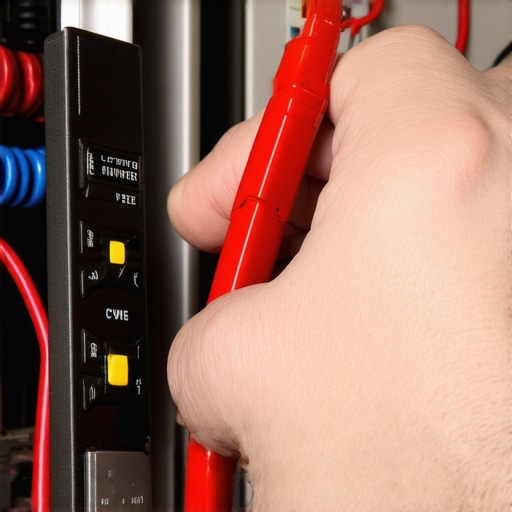
Expert repair technician testing a washing machine’s electrical components with a multimeter, highlighting the importance of proper diagnostic tools in appliance maintenance.
Remember, implementing these advanced tips—like using a multimeter for electrical checks or scheduling routine cleanings—can dramatically extend the life of your appliances. Take proactive steps today and enjoy long-term savings and reliable performance.
The Hardest Lesson I Learned About Dishwashers and Smart Appliances
One unforgettable lesson was realizing that even the most advanced smart dishwasher can’t fix itself without proper maintenance. Rushing into DIY repairs without understanding the root causes often led to expedited wear or further damage. It taught me the importance of patience, research, and using the right tools, like my trusted digital multimeter, to diagnose issues accurately. This experience reinforced that knowledge is power—and that investing time upfront prevents costly future repairs.
My Toolkit for Keeping Appliances in Top Shape
Over the years, I’ve curated a set of go-to tools including high-quality screwdrivers, microfiber cloths, and specialty cleaning brushes that make routine maintenance a breeze. I also rely heavily on manufacturer apps for smart appliances, which provide real-time diagnostics and performance alerts. Combining physical tools with digital monitoring has empowered me to stay ahead of potential problems and extend the lifespan of my appliances. For detailed recommendations, check out the ultimate guide to smart home appliances.
Embrace Routine with Confidence
Scheduling regular inspections—like cleaning refrigerator coils and checking door seals—has become second nature. These simple steps have prevented major breakdowns and improved energy efficiency noticeably. Maintaining an organized record of maintenance tasks helps me spot patterns and avoid surprises, fostering peace of mind. Remember, small consistent efforts today translate into reliable performance tomorrow and beyond.
Transform Your Appliance Upkeep Today
If you’re ready to take control of your home appliances, start with one small step—maybe a quick clean or a new monitoring app. The journey to smarter, more reliable appliances is ongoing but incredibly rewarding. Take action now and enjoy the benefits of a home that runs smoothly, saves money, and stays fresh.
What’s the biggest appliance challenge you’ve faced?
Share your stories or questions below—I’d love to hear about your experiences and help troubleshoot any hurdles you might have. Together, we can make appliance maintenance less daunting and more empowering!