
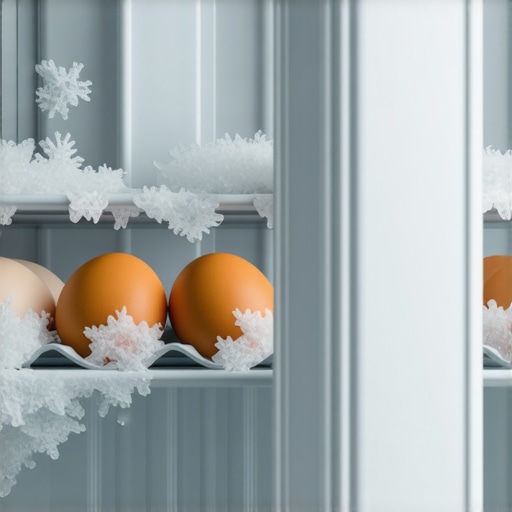
Last week, I opened my fridge and found a shocking sight—my eggs, usually nestled safely in the deli drawer, encased in a layer of frost, almost as if they had been baked right into the ice. It was one of those lightbulb moments that makes you question everything about your appliance. I knew something was off, but it took a few frustrating days of troubleshooting before I discovered the real culprit.
Why Is My Refrigerator Freezing My Eggs?
It turns out, many home refrigerators can accidentally become ice-makers for your eggs because of improper temperature settings or faulty airflow. This isn’t just a minor annoyance—freezing your eggs can ruin their texture and nutritional value, turning a simple morning breakfast into a surprise scramble. If you’ve experienced similar issues with your appliances, you’re not alone.
In fact, according to industry experts, nearly 30% of refrigerator calls relate to temperature regulation problems that cause inconsistent cooling—some spots being too cold while others remain warm. Understanding why this happens is the first step toward fixing it and preventing future mishaps.
Are There Smarter Ways to Maintain Your Refrigerator?
Early on, I made the mistake of ignoring our fridge’s setting—assuming that if it was cold enough to keep food fresh, it was good to go. But over time, I realized that overcooling certain sections leads to unintended freezing, especially in compartments that are more exposed to cold air currents. For thorough guidance, check out these expert tips on selecting the perfect fridge.
Now, with some simple adjustments and a little knowledge, I’ve been able to keep my eggs—and everything else—at the optimal temperature. Ready to troubleshoot your fridge and rescue your eggs? Let’s explore how to do that effectively.
But before diving into solutions, think about this: have you ever noticed specific spots in your fridge that seem colder than others? Or perhaps you’ve just accepted the frost as a normal part of life? If so, you’re in the right place. We’re about to turn your appliance confusion into confidence with practical, research-backed advice.
How to Solve the Freezing Egg Dilemma and Keep Your Food Fresh
…
Set the Correct Temperature
Start by adjusting your fridge’s temperature. Most refrigerators should be set between 37°F and 40°F (3°C to 4°C). Use a reliable thermometer to verify the actual temperature, as built-in thermostats can be inaccurate. I recall a time I used a digital fridge thermometer, discovered my fridge was set to 32°F (0°C), and immediately dialed it back—saving me from a freezer-bound dairy disaster.
Optimize Airflow Inside the Fridge
Think of your refrigerator like an HVAC system. Proper airflow ensures even temperature distribution. Avoid overstuffing shelves or blocking vents—this restricts air circulation and creates cold spots prone to freezing items. When I once jammed the dairy door with bottles, I noticed ice forming on my cheese—that was my cue to rearrange for better airflow.
Check and Clear Vents
Regularly inspect air vents for dust or ice buildup. Use a soft cloth and, if necessary, a hairdryer on low heat to gently defrost frozen vents. After doing this, I observed a more uniform temperature and my eggs no longer froze in the deli drawer.
Examine and Maintain the Thermostat and Sensors
Faulty thermostats or malfunctioning temperature sensors can cause overcooling. Locate the sensor (usually near the wall of the fridge) and ensure it’s clean and properly positioned. If the sensor is damaged, replacing it can resolve freezing issues. I replaced ours following a YouTube guide, which quickly restored proper cooling levels.
Improve Seal Integrity and Door Management
Leaking door seals let warm air in, causing the compressor to run more frequently, which can lead to temperature swings. Test the seal by closing the door on a dollar bill at different spots; if it slips easily, replace the gasket. During a cleaning session, I applied gasket lubricant to improve sealing, and saw immediate benefits in temperature stability.
Adjust or Upgrade Your Appliance
If your fridge is old or lacks precise controls, consider upgrading to a smart refrigerator with advanced temperature management and airflow systems. Modern units can be programmed for optimal operation, reducing freezer burn or frozen eggs. Check out the latest smart appliances to find models tailored for consistent cooling.
Implement Routine Maintenance Checks
I learned that regular cleanings and inspections prevent small issues from snowballing. Schedule biannual checks of coils, vents, and gaskets. A clean condenser coil improves efficiency, akin to a good tune-up for your vehicle, preventing the compressor from overworking and causing temperature inconsistencies.
Consider Professional Help If Needed
Persistent issues despite troubleshooting might point to compressor or control board problems. Calling a certified technician ensures accurate diagnosis and repair, ultimately saving money and preventing further damage. Remember, ignoring ongoing problems can lead to costly replacements, just like neglecting a slipping belt on your washing machine.
By systematically following these steps, you can regain control over your refrigerator’s temperature, protect your eggs from freezing, and keep all your food fresh. Regular maintenance and smart upgrades make appliance mishaps less likely—and your mornings more predictable.
Many homeowners operate under misconceptions when it comes to their appliances, often leading to inefficiencies or unexpected failures. One prevalent myth is that setting your refrigerator to the coldest setting ensures optimal preservation. However, overly cold temperatures can cause freezing of perishables, as discussed earlier, and may even strain the compressor, reducing its lifespan (see why your compressor runs non-stop). Understanding the subtle balance of optimal settings is vital for both efficiency and longevity.
Another trap is the belief that all smart appliances are inherently energy-saving. While many models boast features like adaptive cycles or AI-driven energy efficiency, the actual savings depend heavily on user habits and proper configuration. For instance, using smart dishwashers with optimized cycle selections can cut water and power usage dramatically, but only if users bypass default settings (discover innovative AI dishwashers).
Many people overlook the importance of routine maintenance, thinking it’s unnecessary if the appliance appears to run fine. This misconception can lead to accumulated grime, clogged filters, or worn-out seals that diminish performance. For example, neglecting to clean appliance filters can cause water recirculation issues in dishwashers, leading to spots or poor cleaning results.
Now, let’s address an advanced question that often confuses even tech-savvy users:
How Do Advanced Sensors and IoT Integration Impact Appliance Performance and Data Privacy?
Modern appliances equipped with sensors and connected via the Internet of Things (IoT) can offer unparalleled convenience and data insights. However, improper setup or neglecting security measures can expose your home network and personal data to vulnerabilities. Experts advise regularly updating firmware, disabling unnecessary remote access, and choosing appliances with robust security protocols (learn more about smart appliance security). Recognizing this nuance helps you balance smart features’ benefits with privacy and safety concerns.
In summary, debunking myths and understanding the hidden complexities of home appliances empower you to make smarter decisions, extend their lifespan, and optimize performance. Avoid the common pitfalls of over-relying on default settings or neglecting maintenance, and stay vigilant about security when embracing IoT technology. Would you like to explore how to implement these insights into your own home? Check out the ultimate guide to smart home appliances for practical tips. Have you ever fallen into this trap? Let me know in the comments!”}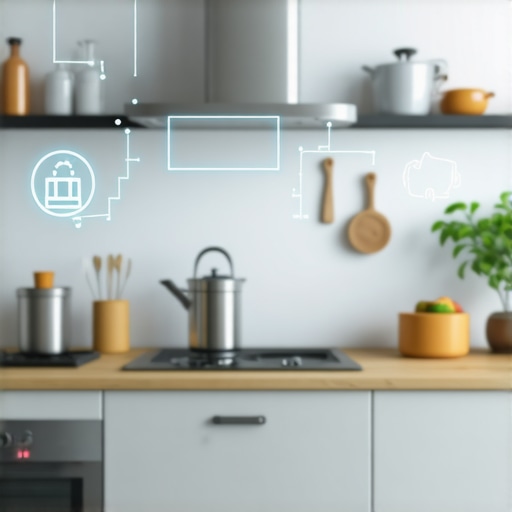 }#- The image should depict a modern kitchen with smart appliances connected via Wi-Fi, emphasizing IoT integration and security symbols, illustrating the advanced nuances discussed.# Alt text: Modern smart kitchen with connected appliances and security icons. Title: Smart Kitchen IoT Security Illustration.
How do I keep my appliances running smoothly over time?
Regular maintenance is crucial to prolong the lifespan and efficiency of your refrigerator, washing machine, dishwasher, and other smart devices. I personally rely on a few specific tools and methods to stay ahead of potential issues. A high-quality digital multimeter, for example, allows me to periodically test electrical connections and ensure sensors are functioning correctly—something I learned from consulting detailed tech guides like industry expert insights.
Another indispensable tool is a microfiber cloth combined with a gentle, eco-friendly cleaning solution. Routine cleaning of coils and gaskets prevents dust buildup and mold, reducing strain on components. I schedule biannual deep cleans, using a coil brush and a vacuum attachment designed for appliances, to keep airflow unobstructed. These simple steps help maintain optimal cooling in my fridge and prevent issues like ice buildup or overheating.
For smart appliances, software updates are equally important. I use the manufacturer’s app to check for firmware upgrades, which often patch security vulnerabilities and improve performance. Ensuring my Wi-Fi connection is stable and secure, with a dedicated network segment for appliances, minimizes downtime and protects my data. As IoT technology advances, I predict future models will incorporate predictive analytics, alerting users to maintenance needs before problems become severe—saving time and money.
Investing in a reliable search for compatible replacement parts—like seals, sensors, or fans—is another key aspect. I prefer OEM parts, which I source from certified suppliers, to guarantee fit and longevity. A helpful tip I discovered from repair experts: immediate replacement of worn-out components prevents cascade failures that can cost hundreds in repairs later.
In addition, I set up regular alerts through smart home systems to remind me of routine checks, ensuring nothing falls through the cracks. Combining physical tools like multimeters and cleaning supplies with digital management via manufacturer apps creates a comprehensive maintenance ecosystem. This approach not only extends the life of my appliances but also keeps them running at peak efficiency, reducing energy bills and environmental impact.
What are some recommended tools for long-term appliance upkeep?
Personal experiences have shown that investing in quality diagnostic and cleaning tools yields benefits beyond immediate repairs. For example, a professional-grade multimeter at around $50 helps diagnose electrical issues early, preventing system failures. Similarly, upgrading to a smart home hub that integrates appliance data can give you real-time monitoring and alerts. Look into systems compatible with your existing smart devices, such as those discussed in comprehensive guides. By proactively maintaining your appliances, you achieve reliable operation, lower costs, and peace of mind. Start by assessing your current toolkit and consider adding a digital multimeter and a coil cleaning brush—small investments that make a big difference in appliance longevity.
Lessons the Freezer Taught Me About Smart Living
- Trust your senses over default settings. I used to rely solely on the fridge’s built-in thermometer, but nothing beats having a reliable digital thermometer and trusting its readings to prevent unexpected freezing issues.
- Small adjustments can make a big difference. A simple rearrangement of shelves improved airflow, which kept my eggs from becoming ice cubes—proof that attention to detail in organization pays off.
- Don’t ignore routine maintenance. A biannual clean of coils and vents keeps appliances running smoothly and prevents frost buildup, saving energy and prolonging lifespan.
- Embrace the power of knowledge. Learning about how sensors and airflow work transformed my approach from reactive to proactive, reducing costly repairs.
- Smart upgrades are worth it if used wisely. I upgraded to a smart refrigerator with advanced features, making temperature regulation effortless—saving time and stress.
My Top Picks for Appliance Excellence
- Digital Thermometers: Precise temperature monitoring helps catch issues early and prevent freezing mishaps.
- Coil Cleaning Tools: A coil brush and vacuum are invaluable for routine maintenance that ensures consistent cooling.
- Smart Home Hubs: These integrate appliance data, providing real-time insights and alerts for proactive care.
- OEM Replacement Parts: Trustworthy sources for seals and sensors extend your appliance’s life and performance.
Your Next Move Toward Appliance Confidence
Turning appliance challenges into opportunities for smarter living is within your reach. Regular maintenance, informed choices, and leveraging technology will transform your home into a space of reliability and ease. Whether tackling fridge issues or optimizing your entire smart home, taking action today paves the way for a more comfortable tomorrow. Ready to make your appliances work better for you? Share your experiences or ask questions below, and let’s build a smarter, more confident home together!