
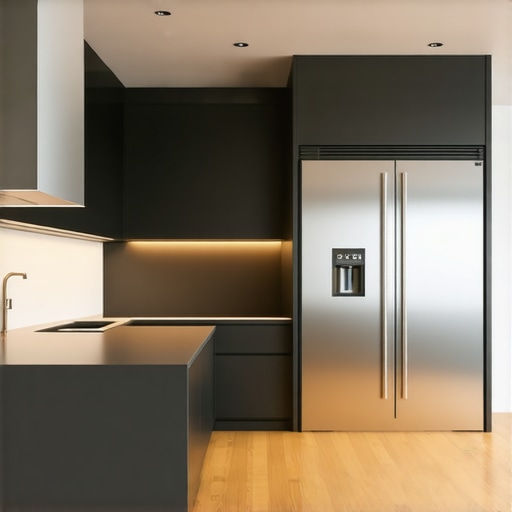
It was a morning just like any other, except this time I looked into my kitchen and felt a sudden wave of dissatisfaction. The bulky, oversized fridge glaring back at me felt out of place amidst the sleek cabinetry. I realized I was tired of dealing with the visual clutter and wished for a more cohesive, modern look. That lightbulb moment led me on a journey to discover the best counter-depth fridges—appliances that promise to blend seamlessly into your kitchen design.
The Chase for a Sleek, Unified Kitchen
I have to admit, my initial mistake was overlooking the importance of measurement. I assumed any standard-sized fridge would do, not realizing how much more elegant and space-efficient a counter-depth design can be. These fridges sit flush with your counters, creating a streamlined appearance that can transform your entire cooking space. But let’s be honest: with so many options out there, choosing the right one can be overwhelming.
Measuring Your Space Precisely
Begin by measuring your kitchen’s available space, including width, depth, and height, to ensure the new refrigerator fits perfectly. I once borrowed a tape measure from my tech drawer and took multiple measurements, recording them on a notepad to avoid mistakes. This step is crucial; a miscalculation can lead to buying a unit that won’t fit or causes clutter.
Selecting the Right Model for Your Needs
Research models that match your size requirements and feature preferences. Think of refrigerators as the backbone of your kitchen’s ecosystem—like choosing a smart home hub, investing in the right model saves time and money long-term. When I picked mine, I prioritized energy efficiency and smart connectivity, which I found by reviewing expert tips here. Comparing specs helps narrow choices.
Evaluating Counter-Depth Features
Look for models that sit flush with your countertops, creating a seamless look. This means understanding the typical depth: standard fridges are around 30 inches, while counter-depth models measure approximately 24-25 inches. Don’t forget to account for handle protrusions; some designs have handles that extend beyond the main body, adding to the depth. I once overlooked this detail, resulting in a fridge that slightly obstructed the walkway. Measuring handle projections is equally important.
Preparing Installation Space
Clear the area, and check for existing plumbings and electrical outlets. Old appliances may have left behind dust and debris—an ideal time for a quick clean. Use a level to ensure the floor isn’t uneven, which could cause uneven door alignment later. When I installed mine, I used shims and adjusted carefully until the door closed perfectly, avoiding any gaps or unevenness.
Planning for Clearances and Ventilation
Although counter-depth fridges are built close to cabinets, proper ventilation space is necessary—usually at least an inch behind and on top. This prevents overheating and maintains efficiency. I once placed mine flush against the wall without leaving ventilation space, which caused it to turn on more frequently due to overheating. Following manufacturer guidelines avoids this problem.
Considering Smart Features and Connectivity
If you want a fridge that integrates into your smart home ecosystem, choose models with Wi-Fi connectivity and compatibility with your preferred hub. Having a fridge that can notify you when groceries are low or when a door is left open simplifies daily routines. I linked my smart fridge to my home hub, which allows me to check temperatures remotely and get alerts, enhancing convenience here.
Handling Delivery and Installation
For a safe setup, hire professional installers who can handle heavy lifting and ensure precise placement. If you’re a DIY enthusiast, have a friend assist and refer to detailed guides for safe transport. Remember to disconnect and prepare existing units carefully, following safety procedures. During my last upgrade, I coordinated with a local installer, which minimized disruption and prevented damage.
Post-Installation Checks and Adjustments
Once installed, check the door alignment, seals, and ensure proper functioning. Test the ice maker, lighting, and smart features if applicable. Regular cleaning of seals and filters maintains efficiency and prolongs lifespan. I experienced a minor issue with the door seal initially, but re-aligning it resolved the problem quickly. Regular maintenance keeps your appliance running smoothly.
While many believe that choosing high-tech appliances guarantees optimal performance, the real challenge lies in understanding their nuanced features and avoiding common pitfalls. A frequent mistake is assuming that all smart appliances are equally compatible with different home systems; in reality, compatibility varies significantly, and overlooking this can lead to frustrating connectivity issues. For example, some smart refrigerators may not integrate seamlessly with certain home automation hubs, causing users to miss out on fully leveraging their device’s capabilities.
Is Your Smart Appliance Missing Hidden Features That Could Save You Money or Time?
Recent studies suggest that users often underutilize their appliances’ advanced settings—features designed for energy efficiency or maintenance alerts—that could significantly optimize their appliance lifespan and reduce utility bills. According to experts from the future appliance trend report 2025, understanding these hidden nuances is crucial for making the most of your investment. Furthermore, many homeowners fall into the trap of equating newer models with better reliability, but in practice, the most recent innovations may come with unintended bugs or firmware issues that haven’t been fully tested in real-world scenarios. It’s essential to follow trusted reviews and expert advice before upgrading.
Another common misconception revolves around the energy efficiency claims of appliances. While labels like Energy Star provide a good baseline, actual savings depend heavily on usage patterns and correct installation. For example, improperly ventilated dishwashers can consume more power than their rated energy-saving features suggest. Ensuring proper setup and adhering to maintenance guidelines can mitigate these issues. Moreover, the *hidden cost of buying cheap appliances* often emerges over time through frequent repairs and increased electricity bills—a reason to prioritize quality upfront. Get expert insights at choosing the right refrigerator and similar guides.
Finally, understanding how advanced features work can be daunting, leading some users to avoid utilizing smart capabilities altogether. Despite this, embracing the technological nuances—like learning how to connect your old washing machine with your smart hub—can greatly enhance convenience. For detailed steps, see this guide.
Have you ever fallen into this trap? Let me know in the comments.Maintaining home appliances like refrigerators, washing machines, and dishwashers is crucial to extend their lifespan and ensure optimal performance. One of my favorite tools for routine maintenance is a digital infrared thermometer, which helps me monitor temperature fluctuations in appliances like refrigerators or ovens without intrusive contact. I regularly use a USB moisture meter to check for hidden leaks or humidity buildup that could cause mold or damage, preventing costly repairs down the line. Additionally, a flexible pipe brush proves invaluable for cleaning hard-to-reach drainage channels in dishwashers and washing machines, reducing clogs and improving efficiency. For smarter appliances, I rely on dedicated diagnostic apps provided by manufacturers—these often offer firmware updates, troubleshooting guides, and usage insights. According to industry expert insights documented in this resource, scheduling regular software updates is vital to keep smart appliances functioning seamlessly and securely. Predictions indicate that future trends will emphasize IoT-integrated tools that automatically monitor appliance health, alerting homeowners to maintenance needs proactively. For now, I recommend setting quarterly reminders to run diagnostic tests—most appliances have built-in self-check functions. Don’t underestimate the power of a simple vacuum attachment; it can help remove dust from vents and filters, which is often overlooked but critical for energy efficiency. Try an advanced multi-tool cleaning kit that includes a small wire brush, dust blower, and silicone spray—these can dramatically improve appliance longevity. Remember, consistent maintenance not only saves you money but also ensures that your appliances continue to serve well into the future. If you’d like to learn more about long-term appliance care techniques or need specific advice, feel free to reach out. Keeping appliances running smoothly is an ongoing process, but with the right tools and routine, you can avoid unexpected failures and enjoy years of reliable performance.
Throughout this journey, I’ve learned that mastering the art of selecting and maintaining appliances isn’t just about following tips—it’s about understanding the hidden nuances that transform your kitchen. The most valuable lessons come from real-world experiences, like noticing how a slight adjustment in ventilation or a clever use of smart features can make all the difference. Embracing these insights empowers you to create a space that is both beautiful and highly functional, turning everyday routines into effortless rituals.
What I Wish I Knew Before Making My Last Upgrade
- Investing in a smart refrigerator with adaptive features saved me time and reduced food waste, but I initially overlooked compatibility issues with my home ecosystem. Verifying integration abilities beforehand is essential.
- Proper ventilation isn’t just a technical requirement—improper setup can lead to increased energy consumption and appliance wear. Always follow manufacturer guidelines meticulously.
- Routine maintenance tools like infrared thermometers and moisture meters became game-changers, revealing hidden problems early and extending appliance longevity.
- Understanding your appliance’s hidden features unlocked significant savings and convenience, reinforcing the importance of diving deep into user manuals and updates.
My Toolkit for a Smarter Kitchen
- Expert-Reviewed Guides: I trust resources like expert advice on choosing the right refrigerator to inform my decisions, ensuring I select appliances that align with my needs and future trends.
- Smart Device Apps: Manufacturer diagnostic and update apps help me troubleshoot and keep my appliances running smoothly, reducing costly repairs.
- Utility Monitoring Tools: Devices like energy consumption monitors and DIY cleaning kits empower me to maintain efficiency and extend appliance lifespans.
- Community Insights: Engaging with forums and reviews keeps me updated on emerging tech and common pitfalls, so I can stay ahead of the curve.
Take Charge of Your Kitchen Future
Now is the perfect moment to elevate your home’s heartbeat—your appliances. By applying these insights and embracing smart, well-maintained devices, you’ll create a kitchen that’s not only beautiful but also a reflection of your ingenuity. Remember, mastering your appliances opens the door to a more efficient and enjoyable lifestyle, so don’t wait to start experimenting with new features or upgrades.
Have you ever discovered a hidden feature in your kitchen gadgets that changed your routine? Share your experience below and inspire others on their journey toward smarter living!