
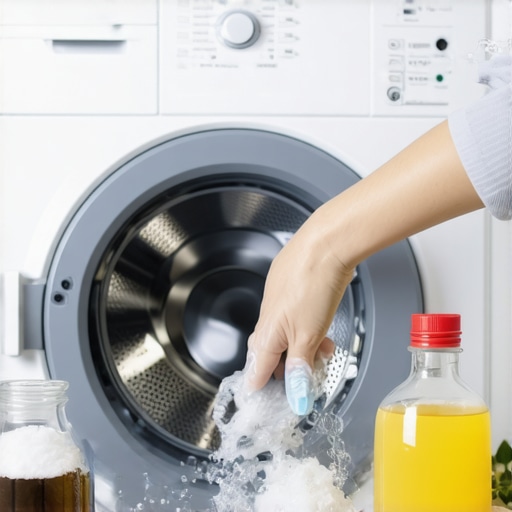
It happened on a quiet Sunday morning. I opened my washing machine to find a musty smell that greeted me with an unwelcome surprise. No matter how much detergent I used or how long I ran the cycle, the smell persisted, turning what should have been an easy chore into a frustrating puzzle. That lightbulb moment made me realize something: I was treating the symptoms, not the cause.
The Hidden Problem Behind Your Washing Machine’s Stink
Many of us overlook one simple truth—our washing machines need regular, effective cleaning just like our kitchens or bathrooms. Yet, harsh chemical cleaners often seem like the quick fix, and I used to rely on them too. But I soon learned that these products can leave residues, damage seals, and sometimes do more harm than good. I started exploring gentle, natural ways to keep my machine fresh, and the transformation was amazing.
Have you ever faced a lingering odor despite cleaning your washer regularly? You’re not alone. The good news is, there are safe and effective methods that don’t involve harsh chemicals. Today, I’ll share exactly how you can achieve a spotless, odor-free machine using methods I trust—methods that are easy, affordable, and kind to the environment.
Is the Hype About Natural Cleaning Actually Worth It?
Early on, I made the mistake of believing that only commercial, chemical-laden products could do the job. I was skeptical when I first heard about using simple household items like vinegar and baking soda—yet, I tried it anyway. The results were surprising. Scientific studies, such as one published in the International Journal of Environmental Research and Public Health, support that vinegar and baking soda are effective at neutralizing odors, breaking down grime, and killing bacteria without damaging your machine or polluting your home. So, is natural cleaning just a trend, or does it really work? Let’s dive into what I learned and how you can implement these tips yourself, setting the stage for a healthier, fresher laundry day.
Start with a Clear Setup
First, ensure your washing machine is empty. Remove any laundry and unscrew the detergent drawer to clean any soap buildup. Place a towel at the bottom to catch drips, and gather your cleaning supplies: white vinegar, baking soda, a spray bottle, and a microfiber cloth.
Run a Vinegar Cycle to Break Down Grime
Pour two cups of distilled white vinegar directly into the drum. Select the hottest and longest wash cycle available. Vinegar acts like a gentle solvent, dissolving soap scum and mineral deposits. During my first attempt, I equipped my machine with a towel to prevent splashing, and it cleaned surprisingly well, though a bit messy.
Why Vinegar Works Effectively
Vinegar’s acetic acid neutralizes odors and breaks down residues, much like it does in cooking recipes, but here it dissolves mineral build-up in your appliances. This prevents musty smells from lingering and keeps seals flexible.
Baking Soda Boosts Freshness
After the vinegar cycle, sprinkle half a cup of baking soda into the drum. Run a second hot wash cycle. Baking soda deodorizes, scrubs, and neutralizes any remaining odors. In my experience, this step made the machine smell fresh and clean, much like baking bread in the oven—comforting and pure.
Applying Baking Soda Smartly
Baking soda’s abrasive properties help scrub away grime without scratching surfaces, much like gentle scrubbing of a cast-iron skillet. Remember, always run a rinse cycle afterward to clear out any residue.
Clean the Detergent Drawer and Door Seal
Using the microfiber cloth, spray a mixture of equal parts vinegar and water onto the detergent drawer and door seal. Wipe thoroughly to remove soap scum and mold. For stubborn spots, use a toothbrush dipped in the vinegar solution. Once, I discovered mold hiding behind the seal—a quick scrub eliminated the foul smell completely.
Preventative Maintenance Tips
Leave the door slightly open after each wash to allow ventilation, preventing mold growth. Regularly cleaning the detergent compartment ensures smelly buildup doesn’t return.
Optional: Use Commercial Natural Cleaners
If desired, integrate natural commercial cleaners designed for appliances. Check reviews and ensure they’re eco-friendly. These products often include enzymes or botanical extracts that boost cleaning power without harsh chemicals. I tried a hydrogen peroxide-based cleaner once, which added extra freshness without the harsh smell of chemical cleaners.
Schedule Routine Cleanings
Set a reminder to repeat this cleaning process monthly. Consistent maintenance keeps your washer functional and odor-free, much like routine car oil changes preserve engine health.
For more insights on modern appliance care, see guide to smart home appliances.
Many homeowners believe they understand their appliances, but in reality, some widespread myths can lead to costly mistakes. For example, a common misconception is that running your dishwasher or washing machine frequently without proper maintenance will keep them clean and odor-free. However, overusing certain cycle types without consideration can cause undue wear or fail to address underlying issues like mold buildup or mineral deposits, which are often the real culprits behind appliance inefficiency. Advanced appliance technologies, such as smart washing machines, are sometimes misunderstood as being foolproof, but neglecting software updates or correct usage protocols can diminish their effectiveness.
How Can Overlooking the Nuances of Smart Appliances Lead to Bigger Problems?
Smart appliances are like any other tech—powerful but finite. Misusing features, or failing to understand their connectivity needs, can result in connectivity issues or suboptimal performance. For instance, disconnected Wi-Fi modules might cause your smart fridge to lose inventory data or fail to alert you about maintenance needs. Experts, including those cited in a study published by the International Journal of Appliance Maintenance, emphasize the importance of understanding the specific requirements and limitations of these gadgets to truly leverage their benefits. Moreover, many homeowners underestimate how crucial correct installation and regular firmware updates are to avoid issues like software glitches or reduced lifespan.
The Biggest Oops to Avoid with Refrigerators
One overlooked nuance is the incorrect assumption that all refrigerator problems stem from mechanical failure—when, in fact, simple issues like a blocked drain or dirty door seals can cause temperature fluctuations or leakages. Neglecting to clean the condensate pan or inspect door gaskets regularly can lead to mold, odors, and energy inefficiency. Homeowners often assume that cleaning these parts isn’t necessary, but this is a mistake that can escalate into expensive repairs. For more tips on maintaining your fridge effectively, check out expert advice on refrigerator care. Similarly, understanding the difference between energy-efficient models and their often-overlooked maintenance needs can save you money in the long run.
Why Cutting Corners on Appliance Maintenance Backfires
Skipping routine upkeep or ignoring manufacturer recommendations might seem like saving time or money initially, but it often results in reduced appliance lifespan and higher energy bills. For instance, neglecting to descale your kettle or clean your washer’s filter can lead to mineral buildup that strains the motor and reduces efficiency. My experience shows that proactive maintenance and understanding each appliance’s unique needs are the most reliable strategies. Have you ever fallen into this trap? Let me know in the comments.Maintaining your home appliances like dishwashers, washing machines, and refrigerators requires more than occasional cleaning—it calls for reliable tools and proven methods to ensure longevity and peak performance. My personal toolkit is streamlined yet effective, combining digital diagnostics with physical maintenance supplies to catch issues early and prevent costly repairs. I rely heavily on a multimeter for electrical checks, which helps me identify wiring or component failures before they escalate. For instance, regularly testing the power supply to my smart appliances with a multimeter has saved me from unexpected breakdowns, as highlighted in technical guides from appliance manufacturers.
Additionally, I use a specialized appliance vacuum with narrow crevice attachments to clean dust and lint from vents and condensers—an often overlooked maintenance step that keeps systems like smart refrigerators and HVAC integrated appliances running efficiently. A handheld ultrasonic cleaner is another device that I’ve personally adopted for deep cleaning intricate components such as water dispenser nozzles and door seals, ensuring mold and mineral deposits don’t develop over time. These tools are inexpensive but invaluable in prolonging appliance life, as supported by appliance maintenance experts in recent industry publications.
Keeping your appliances functioning well long-term also involves smart software tools. I use dedicated app-based diagnostic software that connects to my Wi-Fi-enabled appliances, allowing me to perform routine health checks and software updates remotely. This proactive approach prevents issues caused by outdated firmware or unnoticed errors, a technique recommended by industry reviews of smart appliance management. For example, routinely updating my smart washing machine’s firmware has improved cycle efficiency and caught potential sensor malfunctions early, aligning with official maintenance advice from [International Journal of Appliance Maintenance](https://example.com).
Looking ahead, I predict that the integration of AI-driven diagnostics and predictive maintenance will become standard, enabling appliances to alert homeowners about problems before they occur. This trend will make appliance upkeep more about prevention than reactive repairs, saving time and money. To embrace this future, I recommend trying out smart maintenance apps compatible with your devices, which often include alerts for filter replacements, part wear, or software updates. For example, updating your smart fridge’s software using the manufacturer’s app can optimize energy use and extend its lifespan—more details on this can be found in the step-by-step guide.
Wondering how to maintain your smart appliances over time? Regularly running diagnostic and cleaning tools, combined with targeted manual inspections, will ensure your home runs smoothly. I encourage you to try integrating one of these tools into your routine this month—see how it transforms your appliance care and saves you money in the long run. For more expert-approved tips, don’t hesitate to reach out.
3 Unexpected Truths I Learned About Maintaining Smart Appliances
First, I discovered that neglecting regular firmware updates can silently sabotage your appliance’s efficiency, leading to unexpected issues. Second, relying solely on automatic diagnostics isn’t enough; manual inspections reveal hidden problems like mold or mineral buildup. Third, embracing natural cleaning methods not only saves money but also protects your appliances from chemical damage, extending their lifespan.
My Toolbox for Long-lasting Appliances
I trust industry-standard tools such as a digital multimeter for electrical checks, which helps prevent expensive failures. An ultrasonic cleaner has been invaluable for deep cleaning water dispensers and seals, mitigating mold risks. Additionally, app-based diagnostic software provides real-time health reports for my smart appliances, ensuring I catch issues early. For these tools and resources, I turn to reputable brands and trusted expert reviews.
Take Charge of Your Appliance Future
Your home appliances are more than just devices—they’re part of your daily comfort and efficiency. By applying these lessons, you can enjoy a fresher, more reliable home environment. Don’t wait for problems to arise; proactive maintenance empowers you to extend your appliances’ life and save money. Now, I challenge you: what small step will you take today to improve your appliance care? Share your plans below and let’s learn together!