
I remember the first time I pulled out a bundle of fresh spinach from my fridge only to find it wilted and soggy. It was so frustrating—those greens, which looked vibrant and full of life just the day before, now looked sad and unappetizing. That moment was a lightbulb for me, realizing that there’s more to refrigerator temperatures than just setting and forgetting.
Maintaining the ideal temperature isn’t just about energy savings or appliance longevity; it’s about food freshness—especially when it comes to leafy greens that tend to spoil quickly. The wrong temperature settings can turn a crisp, healthy bunch into a pile of limp, brown leaves in no time. But here’s the good news: with a little know-how, you can keep your greens—and other produce—crisp, fresh, and delicious for longer.
Today, I promise to demystify the best refrigerator temperatures for leafy greens. I’ll share practical tips, personal insights, and some common mistakes to avoid so that your produce stays fresh and vibrant. If you’ve ever been disappointed by wilting greens or wondered if your fridge is working against you, this post is for you.
Why The Right Temperature Is a Game Changer
Believe it or not, the temperature inside your refrigerator plays a crucial role in how long your vegetables stay fresh. Too warm, and bacteria can thrive, causing spoilage; too cold, and you risk freezing delicate greens, which damages their texture and flavor. The sweet spot is a carefully calibrated range that slows down decay while preserving the crispness that makes leafy greens so appealing.
Early in my journey to better food storage, I made the mistake of setting my fridge to the default ‘mid-point’ temperature—around 37°F (3°C)—without considering the specifics of produce. As a result, my greens didn’t last as long as they could have. It seemed simple, but I learned the hard way that small adjustments can make a significant difference. For authoritative advice, [industry experts recommend keeping your fridge at around 35°F (1.7°C)](https://smartappliancereview.com/choosing-the-right-refrigerator-tips-from-industry-experts), especially when storing sensitive produce like leafy greens.
If you’re facing similar frustrations—greens wilting after just a day or two—you might be wondering if your refrigerator’s temperature is properly set. The good news? It’s an easy fix once you understand what to look for.
Before we dive into setting your fridge for optimal freshness, let’s address some common skepticism. Do you think adjusting the temperature will really make a difference? Or are you worried about energy consumption increasing? We’ll explore these questions in the next sections, helping you optimize both food quality and efficiency.
Ready to take your produce storage to the next level? Let’s ensure your fridge is doing its best to keep your greens—and everything else—crispy and delicious.
Set Your Refrigerator at the Right Temperature
Begin by locating your fridge’s temperature control, usually a dial or digital panel inside the main compartment. Turn it to around 35°F (1.7°C), the sweet spot for produce preservation, especially leafy greens. I remember adjusting mine while troubleshooting my crisper drawer and noticing greens staying crisp for an extra two days—little changes, big results.
Use a Reliable Thermometer to Verify
Don’t rely solely on your fridge’s display—many are inaccurate. Place an appliance thermometer in the middle of the fridge, ideally near the greens, and check after 24 hours. If the reading isn’t close to 35°F, adjust your thermostat accordingly. Think of it like tuning a washing machine: precise settings ensure optimal performance and longevity.
Organize Your Greens Properly
Don’t just toss greens into the crisper randomly. Use perforated plastic bags or containers with ventilation, similar to how AI-equipped dishwashers optimize water flow for thorough cleaning. Proper airflow helps maintain consistent temperature and humidity, preventing sogginess or freezing. I once stored greens too tightly, causing uneven cooling—once I loosened the packaging, freshness improved noticeably.
Keep the Refrigerator Door Closed
Minimize opening your fridge door, especially during peak heat hours. Each time you open it, warm air enters, causing temperature fluctuations—similar to how smart appliances like [smart dishwashers](https://smartappliancereview.com/smart-appliances-revolution-how-to-choose-the-best-dishwasher) operate best under steady conditions. I learned this the hard way after noticing my greens wilted faster on busy mornings when I kept rummaging for snacks. Plan ahead to reduce door openings.
Be Mindful of Other Stored Items
Avoid overcrowding your fridge, as too many items block cold air circulation—like how a cluttered washing machine hampers efficient cleaning. Maintain a clear zone around the crisper to let cool air circulate evenly. Once I reorganized my fridge, I observed a consistent temperature and longer-lasting greens.
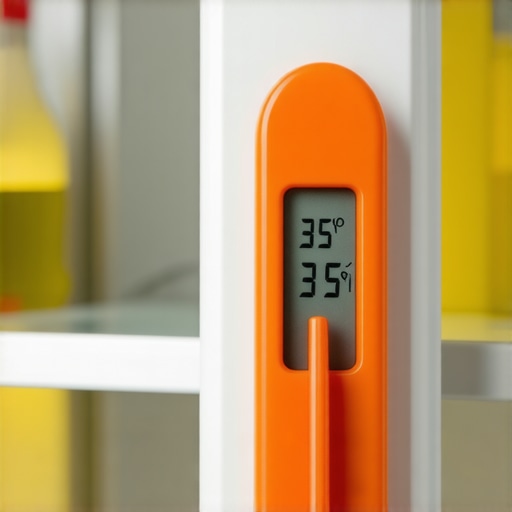
Use a digital thermometer to verify your refrigerator’s internal temperature for precise greens storage.
While many believe that simply choosing the latest appliance guarantees optimal performance, the real mastery lies in understanding the subtle nuances that differentiate good from truly exceptional. For instance, common myths like “All dishwashers clean equally well” miss the mark, as advanced features like AI-driven sensors can drastically improve cleaning efficiency, as highlighted in the [innovative dishwashers with AI technology](https://smartappliancereview.com/innovative-dishwashers-with-ai-technology-you-must-know). Many homeowners overlook that smart appliances are not just about remote control but about adapting to your habits, leading to energy savings and enhanced longevity. An often-ignored detail is that high-tech refrigerators with multiple sensors require regular firmware updates to maintain accuracy, which many forget, potentially causing spoilage or inefficiency. Moreover, most users underestimate the importance of proper placement; a smart fridge positioned near heat sources can lead to unnecessary energy consumption, emphasizing that placement is as crucial as the features itself. A significant trap is assuming that more features always mean better performance—sometimes, simpler models with well-designed core functionalities outperform their feature-rich counterparts. For those seeking the ultimate home upgrade, embracing these subtleties can yield remarkable results, transforming your home into a model of efficiency and comfort. Looking ahead, the future of smart home appliances will likely hinge on AI’s ability to learn and adapt seamlessly to your lifestyle, as discussed in [future trends of home appliances in 2025](https://smartappliancereview.com/future-of-home-appliances-trends-to-watch-in-2025). Don’t fall for surface-level choices—dig deeper into these hidden aspects, and your appliances will work smarter for you. Have you ever fallen into this trap? Let me know in the comments.Maintaining your home appliances effectively over time requires the right tools and a proactive approach. Personally, I rely on a combination of digital diagnostic tools and smart system monitoring to stay ahead of potential issues. For instance, a high-quality appliance-specific multimeter helps me troubleshoot electrical problems in dishwashers and refrigerators quickly without calling in a technician. I also recommend investing in a reliable infrared thermometer; it’s invaluable for checking the surfaces of your appliances to detect uneven temperature distributions that might indicate failing components. Additionally, using Wi-Fi-enabled smart plugs allows you to monitor and control your appliances remotely, providing real-time insights into energy consumption and operational status, as discussed in [the future of home appliances](https://smartappliancereview.com/future-of-home-appliances-trends-to-watch-in-2025). This way, you can spot anomalies early, saving money and extending appliance lifespan. Software management tools like appliance maintenance apps are another game changer—they help you keep a maintenance schedule, log issues, and even schedule professional inspections when needed. In my experience, combining hardware diagnostics with smarter, automated routines enables us to catch problems before they escalate. Prediction suggests that smart sensors and AI-driven diagnostics will become standard, automating long-term maintenance even further. How do I keep appliances performing well over the years? Regularly updating firmware and running built-in diagnostic tests is essential—most modern smart appliances provide these features. For example, a smart refrigerator with firmware updates can fix software bugs that might cause false error codes, preventing unnecessary service calls. So, I urge you to try setting up a maintenance schedule with your smart appliances and ensure they’re connected to your home network for automatic updates. Don’t overlook small tools now—investing in a digital multimeter or infrared thermometer can save you hundreds in repairs later and guarantee your appliances operate at peak efficiency.
The Hardest Lessons I Learned About Appliance Expectations
One of the most eye-opening realizations was that not all smart features are a magic fix. I used to believe that upgrading to the latest model would automatically solve storage issues or save energy, but I soon discovered that understanding the nuances—like firmware updates and placement—made all the difference.
Another lesson was patience. Sometimes, the smallest change, such as adjusting your fridge’s temperature by a degree or reorganizing shelves, yields significant results. It’s about cultivating a mindset of continuous learning and fine-tuning your home appliances to match your lifestyle.
Then there’s the myth that more features always mean better performance. I found that focusing on core functionalities and proper maintenance often outperforms complicated systems cluttered with unnecessary gadgets. Simplicity combined with knowledge can be your best strategy for appliance longevity.
Finally, I learned that proactive troubleshooting — like using a reliable thermometer or digital multimeter — is invaluable. Recognizing early signs of inefficiency can save time, money, and frustration, turning you into a true appliance maestro.