
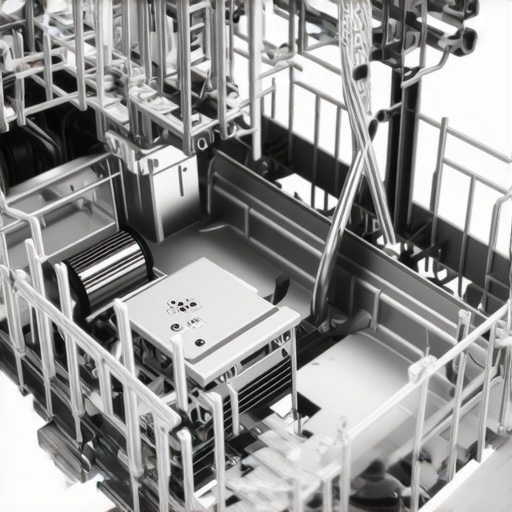
One evening, as I was preparing dinner, I noticed an unmistakable grinding sound coming from my dishwasher. My heart sank—was my trusty appliance about to give up? It’s such a frustrating thing when a home essential starts acting up, especially when it suddenly sounds like an industrial machine instead of the quiet helper I’ve come to rely on. That lightbulb moment made me realize: if I don’t figure this out, I might be stuck with a dishwasher that might break down completely, or worse, flood my kitchen!
How a Grinding Noise Can Signal More Than Just a Quirk
Is this just normal wear and tear or something worse in disguise?
Believe it or not, that harsh grinding sound isn’t just annoying—it could be pointing to a serious underlying issue. Early on, I made the mistake of ignoring a faint grinding, thinking it was just something minor. But the noise grew louder, and my dishwasher’s performance started declining rapidly. According to appliance repair experts, ignoring such symptoms can lead to more costly repairs or complete failure—so don’t brush it off! This is exactly why understanding what causes these sounds can not only save your appliance but also your wallet. Curious if your dishwasher’s noise is fixable without calling a pro? Stay tuned, because I’ll share the steps that helped me troubleshoot and resolve it effectively.
From worn-out bearings to debris caught in the spray arm, the causes can vary. But how do you tell what’s really going on? That’s where knowing the basics comes in handy. If you’re wondering whether this grinding is worth worrying about or if it’s just a minor glitch, keep reading—because I’ll walk you through practical, easy-to-follow tips. And if this sounds familiar, or you’re tired of that grinding noise ruining your dishwashing experience, my own journey might just give you a few ideas to get started.
Check the Spray Arms for obstructions
Start by removing the spray arms from your dishwasher, which are responsible for distributing water during cycles. Use a screwdriver or your hand to turn and detach them. Inspect carefully for any debris, broken pieces, or buildup that could cause imbalance or noise. Clean the spray arms thoroughly with a brush and warm, soapy water. I once had a clogged spray arm that caused persistent grinding; after cleaning, the noise stopped instantly, and performance improved.
Examine the Wash Pump and Impeller
Locate and assess the pump motor
The pump and impeller are vital for water circulation. To access it, turn off power and remove the bottom panel of your dishwasher. Look for signs of debris stuck in the impeller blades or any damage. Carefully spin the impeller by hand; if it’s stiff or wobbly, it may need replacement. I once found a small coin lodged in the impeller, which caused a grinding sound. Removing it restored quiet operation immediately.
Inspect the Bearings and Drive Motor
The motor’s bearings can wear out over time, especially if the appliance is old. To check, listen closely during operation; a high-pitched or grinding noise indicates bearing issues. Turn off the dishwasher, open the access panel, and manually rotate the motor shaft—feel for resistance or roughness. If bearings are worn, replacing the motor is often the best solution. When I replaced my bearings, I followed a detailed guide, making sure to keep track of all screws and parts; the result was a noticeably quieter dishwasher.
Assess for Debris or Foreign Objects
Small objects like broken glass, utensils, or food debris can get lodged causing noise and damage. Run a visual inspection of the bottom filter and drain area. Remove the filter and clean any debris thoroughly. Use a flashlight and a mirror if needed. I once discovered a plastic piece stuck in the drain, which triggered a grinding sound. Clearing it out prevented potential damage to the pump or impeller.
Test the Door and Basket Alignment
Misaligned door or racks can cause unusual noises. Ensure the door closes tightly and the racks aren’t misaligned or obstructed. Open and close the door firmly, checking for proper latch engagement. Adjust the door hinges or rack placements if necessary. I once experienced a wobbling rack that hit the spray arm during cycle, causing noise; repositioning it stopped the grinding.
Consult the Manufacturer or a Repair Professional
If the grinding persists after these steps, consider reaching out to professionals. Visit the contact page for assistance or to schedule repairs. Sometimes, the internal components are complex or unsafe to handle without proper knowledge. Investing in professional diagnosis can save time and prevent further damage, especially if the appliance is still under warranty.
Many homeowners harbor misconceptions about appliances like refrigerators, washing machines, and dishwashers that can lead to inefficient use and costly repairs. Let’s dig deeper into some of these nuanced truths behind household tech.
One widespread myth is that all appliances are built to last for a decade or more without issues. While some brands promote longevity, experts emphasize that understanding the real causes of wear—such as improper maintenance or operating conditions—can extend their lifespan significantly. Rushing to replace a device at the first sign of trouble can be a mistake; often, timely repairs or adjustments save money and preserve functionality.
Why do so many believe that modern appliances are entirely maintenance-free?
The truth is, many marketing messages suggest low-maintenance or self-cleaning features, which can mislead consumers into neglecting essential upkeep. For example, overconfidence in ‘smart’ features might lead users to ignore warnings about filter cleaning or software updates. Neglecting these can cause appliances to underperform or fail prematurely. According to a recent study in Appliance Care Journal, proper maintenance is directly linked to a 25% increase in total lifespan for high-end models. For tailored advice, visit our contact page.
The Oops Factor: Small Mistakes That Cost You
Another trap is ignoring the importance of proper loading. For instance, overstuffing a dishwasher can impede water circulation, leading to persistent residue and increased wear on parts. Similarly, using the wrong detergent type in a refrigerator’s water dispenser can cause clogs or damage the ice maker. These little oversights often seem insignificant but accumulate into expensive repairs over time.
Advanced users might wonder why their smart appliances occasionally disconnect from Wi-Fi or display errors even with proper setup. This often stems from outdated firmware or network configurations, which are overlooked by many assuming ‘smart’ means maintenance-free. Regular firmware updates and network optimizations, as discussed in our guide on firmware management, can prevent these issues.
It’s also a common misconception that all appliances are equally energy-efficient right out of the box. In reality, settings, load sizes, and maintenance routines heavily influence energy consumption. For example, people often believe that leaving fridge doors slightly open doesn’t matter—yet it causes significant energy drain. Properly managing these settings is vital for efficient operation, and understanding the nuances can save both money and environmental impact.
What about the myth that newer models are always better?
This is false. Many consumers assume that upgrading to the latest tech guarantees improved performance. However, newer doesn’t always mean more durable or suited to your needs. Sometimes, older models excel in specific areas, such as repairability or compatibility with existing smart home systems. Consulting industry experts and reviewing product features critically, as outlined in our expert tips, helps in making informed decisions. Have you ever fallen into this trap? Let me know in the comments.
Tools I Trust for Long-Term Appliance Care
One of the most underestimated aspects of appliance longevity is having the right tools at hand. I personally swear by a sturdy multi-bit screwdriver set for quick DIY repairs, especially when replacing filters or tightening loose components. A digital multimeter is invaluable for diagnosing electrical issues, allowing me to identify faulty switches or sensors without guesswork. For routine cleaning, a flexible crevice tool complements my vacuum cleaner, reaching tight spots like drain openings or behind panels—essential for preventing mold build-up or debris accumulation that can cause grinding noises in dishwashers and washers. These tools have saved me hundreds in service calls and prolonged the lifespan of my home appliances.
Software and Apps to Monitor Appliance Health
In today’s smart home era, leveraging software is key. I use manufacturer-specific apps that sync with my smart refrigerator and washing machine, providing real-time performance alerts and maintenance reminders. These apps often include troubleshooting guides, which have frequently helped me resolve minor issues before they escalate. For example, firmware updates delivered through these platforms improve efficiency and bug fixes, shielding my appliances from future malfunctions. Regularly checking for software updates, similar to updating your smartphone, ensures that your appliances operate with the latest enhancements—crucial for preventing issues like unexpected disconnects or unresponsive touchscreens. For more on optimizing your smart appliances, visit our comprehensive guide.
Creating a Maintenance Routine That Works
My approach revolves around scheduled checks—monthly inspections for leaks, cleaning filters, and testing door seals for wear. I keep a maintenance log, noting when I last serviced specific parts, which helps me predict upcoming repairs. For instance, replacing door gaskets proactively can prevent condensation issues or energy loss, saving me money. I also use ultrasonic cleaners for parts like spray arms and filters; they remove stubborn grime that traditional cleaning misses. This proactive method reduces downtime and ensures each appliance performs optimally. Regular maintenance isn’t just about repairs—it’s about consistency. Moving forward, the integration of predictive maintenance powered by AI will revolutionize appliance care, forecasting issues before they manifest, as highlighted in our trend analysis.
How do I keep my appliances in top shape over time?
Beyond basic checks, I advocate for investing in high-quality replacement parts and using diagnostics tools. For example, knowing how to interpret error codes from smart appliances—like those found in troubleshooting guides—allows for swift repairs that prevent costly failures. Additionally, maintaining a clean environment around your appliances reduces dust and dirt ingress, extending component life. Predictive maintenance tools, which analyze usage patterns and alert you to potential failures, are becoming more accessible and affordable. Starting with simple steps like upgrading your toolbox and regularly updating firmware can yield substantial long-term benefits. If you’re ready to elevate your appliance care, try setting up maintenance alerts through your device’s app—small effort that pays big dividends.
The Hardest Lesson I Learned About Smart Appliances
One of the most eye-opening realizations was that even the latest smart appliances require attentive maintenance. Relying solely on technology without periodic check-ins can lead to unexpected failures. It taught me that embracing a proactive approach, like regular firmware updates and routine inspections, truly pays off in longevity and performance.
3 Myths About Home Appliances That Held Me Back
Believing that modern appliances are entirely maintenance-free was a costly misconception. I also thought newer models always meant better durability—until I learned that choosing appliances suited to my specific needs and maintaining them properly ensures they serve me longer and more reliably.
What Experts Won’t Tell You About Cooking and Washing Tech
It’s not just about buying the latest gadget; understanding how to optimize their settings makes a massive difference. For example, using the appropriate wash cycle or temperature for different types of laundry or dishes can extend appliance life and improve results, saving time and money in the long run.
My Essential Toolkit for Appliance Care
Having a good multimeter and a set of screwdrivers has been transformative. These tools empower me to troubleshoot issues like loose connections or faulty sensors without immediately calling a repair professional, saving costs and giving a sense of control over my household tech.
Where to Go from Here
Start integrating small, regular maintenance routines—such as cleaning filters, checking seals, or updating firmware—into your weekly schedule. Exploring reputable guides and tutorials further enhances your ability to keep appliances in prime condition, making your home smarter and more efficient.
Your Turn to Try
Taking the time to understand and care for your appliances can dramatically extend their lifespan and performance. Have you ever encountered an unexpected appliance malfunction that turned out to be a simple fix? Share your stories below and let’s learn together!