
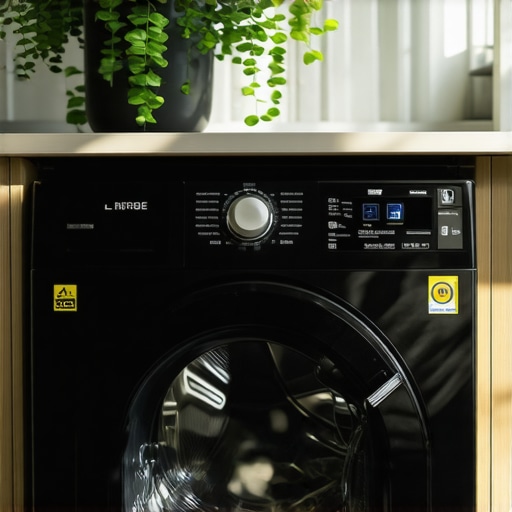
I stood in my laundry room last July, clutching a utility bill that looked more like a mortgage payment. My front-load washing machine was humming away, sounding like a jet engine, and I realized I was essentially burning cash to wash a few pairs of socks and a single bedsheet. It was a visceral wake-up call. I had fallen into the trap of thinking that a ‘high-efficiency’ machine would solve all my problems automatically. I was wrong. I spent the next few months obsessively tracking every watt and gallon, and what I found changed my entire laundry routine. Today, I am going to show you how to stop the financial leak and master the art of the efficient wash without sacrificing that fresh-linen smell.
Stop Paying a Premium for Dirty Laundry
We often buy these fancy appliances thinking they will do all the thinking for each of us. One of my biggest blunders early on was assuming that hotter water always equaled cleaner clothes. I was basically boiling my cotton shirts for no reason! It turns out, modern detergents are engineered to work best in cooler temperatures. If you are still using the ‘Sanitize’ cycle for everyday loads, you are just throwing money away. I have learned through trial and error that washing machines that save water require a bit of a mindset shift. You have to trust the machine’s design instead of forcing it to behave like a 1990s agitator. According to the U.S. Department of Energy, heating the water accounts for about 90% of the energy used by a washing machine. By simply switching to cold or warm cycles, you are already winning half the battle.
Is Eco-Mode Actually Worth the Extra Time?
I get it. You see a cycle that takes three hours and you think, ‘How can that possibly save energy?’ It feels like a scam. But here is the secret: the motor isn’t working harder; it is just letting the water and chemistry do the heavy lifting over a longer period. It is like slow-cooking a roast instead of blasting it in the microwave. Using the best eco-friendly settings significantly reduces the heating demand, which is the real energy hog. Have you ever avoided the Eco-Mode just because you were in a rush, only to cringe when the electric bill arrived? It is a common frustration, and understanding why your high efficiency washer takes so long can help you plan your day better while keeping your wallet full.
The Detergent Trap That Is Killing Your Efficiency
Another thing I learned the hard way? More soap does NOT mean cleaner clothes. In fact, it is quite the opposite. I used to pour in detergent until the suds looked like a bubble bath in the drum. All that extra soap creates ‘suds lock,’ forcing the internal motor to work overtime to rinse everything out. You really need to understand why your washer doesn’t need a whole cup of detergent to get results. When the machine is forced to add extra rinse cycles because you over-poured, your energy savings vanish instantly. It is all about balance, and once you find that sweet spot, you will see the difference in your monthly costs and the longevity of your appliance. Tell me, have you noticed those mysterious white streaks on your dark clothes? That is usually the first sign you are over-sudsing and wasting power.
Maximize Every Load Without Overloading the Drum
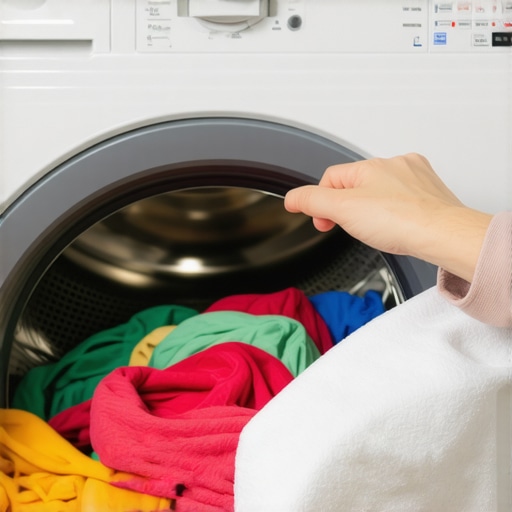
The most common mistake I see people make is treating their high-efficiency (HE) washer like an old-school top-loader. If you pack it to the brim, the clothes can’t move, and if they can’t move, the water and detergent can’t circulate. Think of it like a jigsaw puzzle; every piece needs its own space to fit perfectly. When I first started, I used to jam my king-sized comforter in there, wondering why your high efficiency washer doesn’t fill all the way to the top with water. I realized that by overstuffing, I was actually making the machine work twice as hard for half the cleanliness. Now, I always leave at least a hand’s width of space at the top. This allows the mechanical action of the tumbling drum to actually beat the dirt out of the fabric, rather than just soaking it in gray water.
Choose the Right Settings for the Right Fabric
Not every load is created equal. I used to just hit ‘Normal’ for everything, but that was a fast track to ruining my delicates and under-cleaning my towels. You need to be strategic. For heavy loads, knowing the best settings for washing your heaviest winter bedding is a game changer for your electricity bill. These specific cycles are designed to manage the weight distribution of the drum, preventing that dreaded ‘thumping’ sound that happens when the load gets off-balance. I remember one Tuesday morning when my machine started ‘walking’ across the floor because I threw a heavy rug in with a bunch of t-shirts. I had to learn the hard way that weight matching is just as important as color matching.
Clean the Hidden Parts Nobody Tells You About
Your machine cannot be efficient if it is fighting against its own gunk. I once went six months without checking my pump filter, and the results were disastrous. I noticed my clothes were coming out smelling like a damp basement. I finally looked up how to clean a front load washer filter without flooding the room, and when I opened it, I found two quarters, a hair tie, and enough lint to knit a small sweater. That blockage was forcing the pump to run for twenty minutes longer than necessary just to drain the water. If you want to keep your energy usage low, you have to keep the pathways clear.
Stop the Smell Before It Starts
Front-load machines are notorious for mold if you don’t treat them right. It is not a design flaw; it is a maintenance gap. After every wash, I make it a point to wipe down the rubber gasket. If you have already noticed a funky scent, you need to find the best way to clean a moldy front load gasket before it transfers to your clean clothes. Leaving the door ajar between loads is the simplest, zero-cost way to ensure airflow. I used to close the door tight because I liked the ‘clean’ look of a shut laundry room, but that small habit cost me a fortune in specialized cleaning tablets later on.
Let Smart Technology Do the Heavy Lifting
If you have a modern machine, use the features you paid for. Many people ignore the Wi-Fi or ‘Smart’ buttons, but they are there for more than just show. I started using how smart washing machines can simplify laundry day by setting my cycles to run during off-peak hours when electricity is cheaper. If your machine isn’t ‘smart’ by default, you can still get ahead. I actually installed the best smart plugs for monitoring appliance energy use on my older dryer to see exactly when it was pulling the most power. This data helped me realize that running the dryer on a lower heat setting for a longer time actually cost me less than the ‘high heat’ blast, which was spiking my demand charges. Efficiency is about the long game, not the fast one.
I used to think that my dishwasher was a lemon because my coffee mugs always had that weird, gritty residue. I was convinced the machine just didn’t have enough ‘oomph.’ But as I dug deeper into the mechanics of modern appliances, I realized I was falling for a massive industry misconception. We often assume that higher intensity equals better results, but in the world of modern engineering, that mindset is actually your biggest expense. Most people believe that buying those expensive ‘all-in-one’ detergent pods means they can skip the maintenance steps, but the truth about eco mode on modern dishwashers is that these cycles are designed for a very specific chemical balance. If you’ve been skipping the rinse aid, you’re essentially sabotaging your machine’s ability to dry efficiently.
Why Your Dishwasher Still Leaves Your Plastic Tubs Sopping Wet
Here is the contrarian truth: Your dishwasher isn’t failing to dry your dishes because it’s ‘weak’; it’s likely because you aren’t using a surfactant. Unlike the old-school machines that used a massive heating element (essentially a giant toaster at the bottom) to bake your dishes dry, modern units use a ‘condensation drying’ method. This is much more energy-efficient, but it requires the water to sheet off the surfaces. This is why your dishwasher still needs rinse aid even with 3 in 1 tablets. Without it, the water clings to the plastic, forcing you to run the ‘Extra Dry’ setting, which can spike your energy usage by up to 15%. I fell into this trap for years, blaming the machine when I was actually the one making it work harder than it needed to.
The ‘oops’ factor doesn’t stop at the dishwasher. I’ve seen so many homeowners get frustrated when they see their new refrigerator running almost constantly. In the past, a compressor was either ‘on’ or ‘off.’ When it was on, it was eating power like crazy. Modern units use inverter technology. Understanding the difference between inverter and traditional refrigerator compressors is key to your peace of mind. According to experts at Consumer Reports, these modern compressors are designed to run at variable speeds, staying on for longer periods at a very low power level to maintain a steady temperature. It’s actually why your high efficiency fridge runs more often than your old one, yet costs significantly less to operate over a year.
Does Your Smart Fridge Really Need a Software Update?
We often treat our appliances like ‘dumb’ boxes, but if yours has a screen or a Wi-Fi connection, it’s a computer that happens to keep your milk cold. A common advanced mistake is ignoring the digital maintenance. I once had a client whose smart fridge was constantly over-freezing the vegetables on the top shelf. We spent an hour checking the seals before realizing the thermostat calibration was off due to a bug in the operating system. Learning how to update the firmware on your smart kitchen appliances can solve mysterious performance issues that no amount of physical cleaning will ever fix. Have you ever fallen into this trap, thinking your appliance was physically broken when it just needed a digital reset? Let me know in the comments. We are moving toward a future where efficiency is as much about the code as it is about the coils. If you want a truly seamless home experience in 2025, you have to be as diligent with your app updates as you are with your lint filters.
Build a DIY Maintenance Kit for Pennies
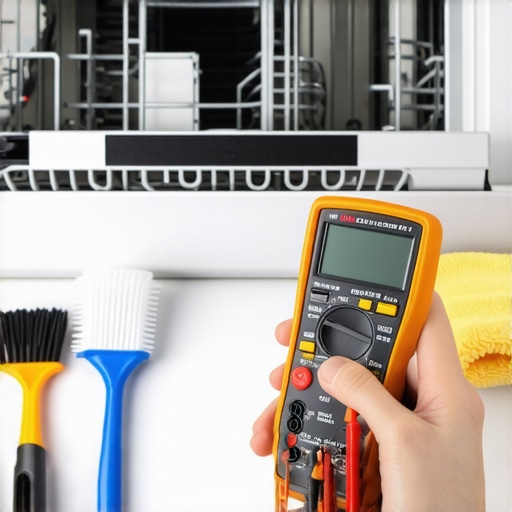
I used to call a technician every time a light flashed or a beep sounded, but then I realized I was paying for knowledge I could easily acquire myself. Now, I keep a dedicated ‘appliance bin’ in my garage. It doesn’t contain heavy machinery; instead, it has a simple digital multimeter, a set of flexible nylon brushes, and a bottle of high-quality descaler. A multimeter is the single best investment you can make for your laundry room. By checking the continuity of a heating element or a sensor, you can determine if a part is actually broken before you spend $200 on a replacement. For example, knowing how to diagnose a faulty lid switch on your top loader with a $15 tool saved me from a full Saturday of frustration last month. Most of the time, the machine isn’t dead; it’s just ‘confused’ by a simple electrical break.
Beyond the tools, you have to get comfortable with the ‘guts’ of your machines. I make it a ritual every three months to pull out my dishwasher racks and inspect the spray arms. If those tiny holes are clogged with calcium, your ‘Eco Mode’ will never stand a chance. I’ve found that learning how to clean the hidden filter in your energy efficient dishwasher is the difference between sparkling plates and that annoying gritty film. It takes ten minutes, but it adds years to the pump’s lifespan. According to the Association of Home Appliance Manufacturers (AHAM), mineral buildup on heating elements can force a machine to run 15% longer just to reach the required temperature, effectively killing your energy savings.
Why Data is the Best Lubricant for Your Fridge
Maintenance isn’t just about scrubbing; it’s about monitoring. I started using a smart home dashboard to track the duty cycles of my refrigerator. When I noticed the compressor was running 20% more than usual, I didn’t wait for it to fail. I checked the coils and found a thick blanket of pet hair. If you find that why your smart home hub keeps dropping the washer connection, it’s often a sign of a struggling internal processor or an outdated firmware version that is drawing too much power. We are entering an era where innovative dishwashers with AI technology will eventually tell us exactly what part is failing before it even happens. My prediction for 2025 is that ‘predictive maintenance’ will become a standard feature, not just a luxury. We’ll see sensors that can detect the specific frequency of a bearing that is starting to wear out, allowing us to swap it before the whole drum collapses.
How do I keep my smart appliances running like new for years?
Consistency beats intensity every time. You don’t need a deep-clean once a year; you need a five-minute checkup once a month. This includes checking for signs of wear, like how to tell if your washer bearings are about to fail by listening for that subtle ‘gravelly’ sound during a high-speed spin. If you hear it early, a $30 bearing kit fixes it. If you wait, you’re buying a new $900 machine. Also, don’t ignore the digital health of your home. Stay ahead by looking at the future of home appliances trends to watch in 2025, which suggest that keeping your Wi-Fi signal strong in the laundry room is actually a maintenance task—weak signals cause modern control boards to work harder and run hotter while trying to stay connected. I challenge you to try one thing this weekend: pull your fridge away from the wall and vacuum those coils. You’ll likely see a measurable drop in your energy usage by Monday morning.
The Most Expensive Mistake I Made with My Smart Tech
I used to think that a higher price tag meant zero maintenance. My biggest lightbulb moment was realizing that these high-tech machines are actually more sensitive than the old clunkers from the nineties. If you ignore the small signs, you eventually find the reason your high efficiency washer smells like old gym socks is simply a lack of airflow and routine rinsing. You cannot just buy efficiency; you have to curate it. Another myth I busted was that Eco Mode is just a marketing gimmick. In reality, it works beautifully, but only if the machine isn’t already struggling against hard water buildup or a clogged drainage system.
A Few Tools that Save Me Hundreds Every Year
I don’t go anywhere without my Big Three appliance essentials. First, a simple multimeter for testing sensors—this alone stops me from calling a pro for a two-hundred-dollar service visit just to find a blown fuse. Second, I rely on the best energy efficient settings for your new dishwasher to keep my water bill in check during peak summer months. Third, I keep a digital log of my filter changes; it is low-tech, but it ensures my fridge coils never get thick with dust again. For those wanting to go deeper into a connected home, I highly recommend the ultimate guide to smart home appliances for a modern living. It is the roadmap I wish I had when I first started upgrading my kitchen.
Take the First Step Toward a Truly Efficient Home
Efficiency is not about perfection; it is about consistent progress. You do not have to overhaul your entire laundry room or kitchen today. Just one small change, like cleaning that hidden filter or finally switching to cold water cycles, can snowball into significant savings over the next twelve months. Your future with home appliances looks much brighter when you take control of the data and the maintenance yourself. Do not be afraid to get your hands dirty—your wallet will thank you. Have you ever discovered a hidden filter in your machine that you did not even know existed? Let me know your biggest appliance surprise in the comments below!