
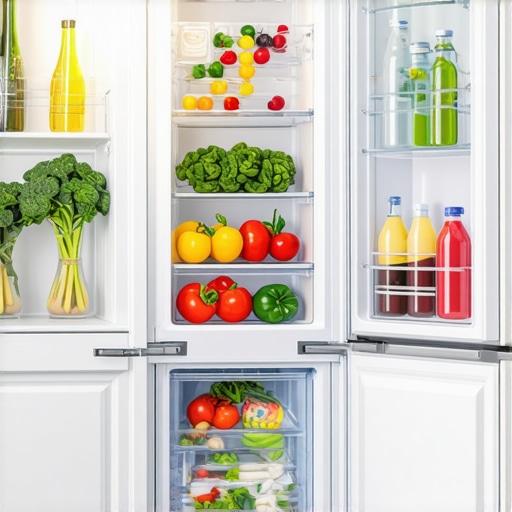
I stood there, staring at a head of kale that looked like it had been through a mid-life crisis, just forty-eight hours after I’d hauled it home from the farmer’s market. My kitchen felt like a graveyard for expensive organic produce. With four hungry kids and a partner who thinks ‘snack’ means ‘three-course meal,’ our grocery turnover is aggressive. If the food isn’t eaten in three days, the fridge seems to give up on life. I used to think I just wasn’t ‘domestic’ enough to keep a tidy crisper drawer, but then I realized the problem wasn’t me—it was my aging, overworked appliance.
Stop Losing Money to a Fridge That Can’t Keep Up
When you’re restocking the shelves twice a week, you aren’t just looking for a cold box; you’re looking for a high-performance engine. I made the mistake early on of buying a gorgeous stainless steel model that looked like it belonged in a magazine, but it couldn’t handle the door being opened fifty times a day. Every time a teenager stands there staring at the cheese drawer, the internal temperature spikes, and for households like ours, that’s a recipe for spoiled milk. That’s why refrigerators in 2025 are focusing so much on temperature recovery speed rather than just capacity. If you have a high-traffic kitchen, you need a unit that can blast cold air the second that door clicks shut. Have you ever found yourself throwing away half a gallon of milk just because it sat in the ‘warm zone’ of the door too long?
Is a High-Capacity Smart Fridge Actually Worth the Investment?
You might be thinking, ‘Can’t I just buy a bigger cheap one?’ I thought so too. But a bigger space without better airflow is just a larger tomb for your groceries. If you’re someone who loves to meal prep for the week, you know that packing a fridge to the gills blocks vents and creates warm spots. According to research by the Natural Resources Defense Council (NRDC), the average American family wastes about $1,500 in food every year, much of it due to improper storage and accelerated spoilage. That’s a lot of money literally rotting away because your fridge isn’t built for your lifestyle. I even went as far as to check if my refrigerator door seal was airtight thinking I had a leak, but the truth was simply that the compressor couldn’t handle the volume of warm air entering every time we opened it. Modern smart units can even help you track expiration dates automatically, ensuring you use what you buy before it wilts. Let’s dive into the specific models that actually stand up to the pressure of a high-turnover household.
Don’t Settle for a Compressor That Operates Like an On-Off Switch
Think of a standard refrigerator motor like a basic light switch—it’s either 100% on or 100% off. When you open the door, the cold air spills out, the temp rises, and the motor kicks in with a violent roar to try and catch up. In a high-traffic house, this constant ‘start-stop’ cycle wears the parts down fast. You should look for units with digital inverter technology. An inverter is more like a dimmer switch; it stays on at a low, steady speed and only ramps up slightly when it senses a temperature change. This is the real difference between inverter compressors and standard fridge motors that actually matters for your utility bill and your sanity. If you hear a loud rhythmic buzzing or a sudden click followed by silence every twenty minutes, you need to know how to spot a failing refrigerator compressor before it dies completely and leaves you with a hundred dollars of warm steak.
Stop Suffocating Your Fridge Vents with Bulk Purchases
The biggest mistake I made during my early meal-prepping days was treating my fridge like a Tetris board. I would slide flat containers of lasagna right against the back wall, effectively ‘choking’ the vents. I remember one specific Sunday after a massive grocery haul where I packed the shelves so tight that the air flow completely stopped; by Monday morning, I had a lukewarm yogurt disaster on the top shelf while the back wall was covered in ice. When air can’t circulate, the sensor thinks the whole unit is warm and works overtime, while your food near the vents actually freezes and the food in the door spoils. Even if you have a massive unit, you need to leave about an inch of ‘breathing room’ around the edges. This applies to the freezer too. Knowing the best way to organize a small freezer for maximum storage isn’t just about fitting more frozen peas; it’s about ensuring the cold air can snake between those bags to prevent freezer burn.
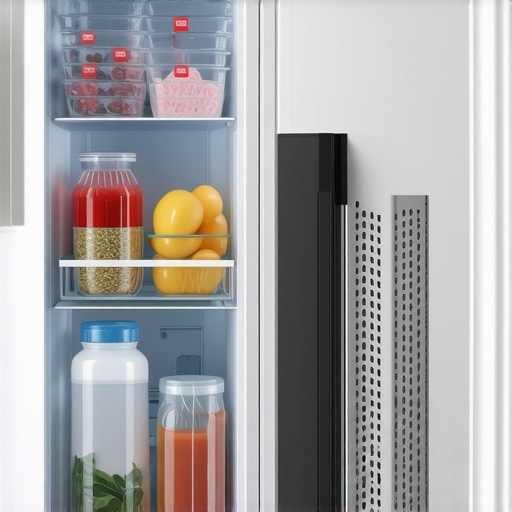
Small Calibration Fixes That Save Big on Groceries
Most people never touch the factory settings on their appliances, but those ‘default’ numbers are often just guesses. I once bought a high-end smart fridge that kept freezing my lettuce. I realized the internal thermometer was off by three degrees—a small gap that makes a massive difference for delicate greens. You can learn how to recalibrate your refrigerators internal thermometer for better cooling by using a simple external thermometer to verify the actual air temp versus what the digital screen says. Once you have the accuracy down, you can start how to save money on your electric bill by changing three fridge settings, like adjusting the humidity sliders on your crisper drawers. I found that keeping my fruit in a low humidity zone and my wilting kale in a high humidity zone bought me an extra four days of freshness.
Keep the Cold in When the Door Stays Open
In a house with kids, the ‘door open’ alarm is the soundtrack of our lives. If your fridge takes forever to recover its temperature, you’re constantly in the danger zone for bacteria. Modern 2025 models often feature metal cooling plates on the back wall which act like a thermal battery, holding the cold even when the door is ajar. If you aren’t ready to buy a new unit, check your current seals immediately. A simple dollar bill test—closing the door on a bill and seeing if it slides out easily—can show you if you’re losing money through a gap. Keeping the coils clean on the back or bottom is another ‘unseen’ step that keeps the engine running cool without straining the compressor under the weight of high-volume use.
We often assume that because an appliance is ‘smart,’ it can think its way out of our bad habits, but that’s where the real trouble begins. It’s incredibly easy to get seduced by that little green leaf icon on your digital display, thinking you’re doing the planet and your wallet a favor. We’re told that ‘Eco-Mode’ is the gold standard for responsible living, but here’s the contrarian truth: in a high-traffic home, it’s often a recipe for disaster. Eco-modes typically lower the compressor’s intensity and widen the acceptable temperature range to save power. However, if your teenagers are opening the door every fifteen minutes, the fridge never actually reaches its target before the next ‘heat event.’ This results in a ‘languishing zone’ where the internal temperature stays just high enough to encourage bacterial growth but not low enough to trigger a full cooling blast. In my experience, you’re better off learning how to save money on your electric bill by tweaking your fridge settings manually to match your specific household rhythm rather than relying on a generic factory preset. If you really want to be savvy, you need to know how to tell if your appliances eco-friendly tag is just marketing or if it actually delivers on its promises.
The Ventilation Trap That Kills Modern Inverters
The biggest ‘oops’ factor I see in modern kitchen design is homeowners ignoring the ambient air requirements of their appliances. If you’ve tucked your high-tech unit into a tight, custom-built cabinetry nook without proper clearance, you’re essentially asking it to run a marathon in a sauna. You might think you’ve found the best slimline refrigerators for studio apartments, but if there is no path for the heat to escape from the coils, the smartest inverter in the world will burn out in record time. I have seen countless homeowners lose their minds over why your refrigerator is leaking water directly onto the kitchen floor, only to realize the unit was working so hard to shed heat that the defrost drain literally froze over from constant, heavy-duty operation. Modern units need at least an inch of breathing room on all sides to function as designed. 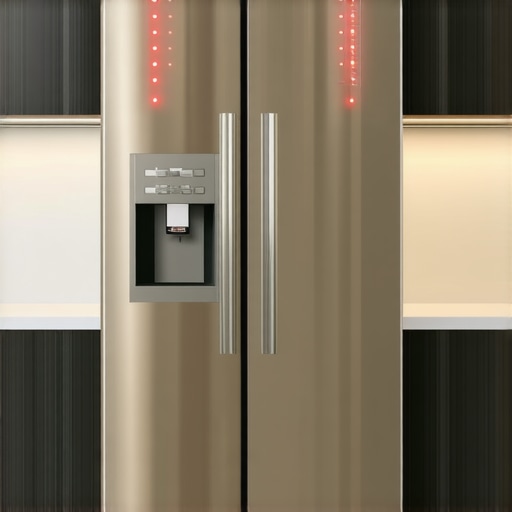
Why does my smart fridge use more energy than the label says?
This is the question that keeps many of my readers up at night. According to data from the Association of Home Appliance Manufacturers (AHAM), real-world energy consumption can vary by up to 30% based on user behavior and external factors like Wi-Fi signal strength. Many people don’t realize that a ‘smart’ fridge is basically a computer that never sleeps. If your kitchen Wi-Fi signal is weak, the fridge keeps constantly pinging the router, which uses more power and background data than you would ever expect. You can actually see why your smart fridge is using more data than you expected if the connection isn’t properly optimized or if your home network is cluttered. It’s a nuance most sales representatives won’t mention when they’re pitching you on the fancy touch-screen features. When choosing refrigerators in 2025, don’t just look at the capacity; look at the connectivity requirements and the thermal recovery speed. Have you ever fallen into this trap of prioritizing looks over ventilation? Let me know in the comments.If you think managing data usage is a headache, wait until you ignore the physical hardware of your machines. We often buy these advanced units thinking they’ll take care of themselves, but the reality is that high-efficiency parts are actually more sensitive to neglect.
Stop the Stink Before It Ruins Your Laundry
It happened to me after about six months of owning a top-tier front-loader. Every batch of ‘clean’ towels started smelling like a damp basement. I realized I was part of the problem. Many people don’t know the best front-load washers for preventing mold and mildew buildup still require you to keep the door cracked after a cycle. If you don’t, that airtight seal becomes a greenhouse for bacteria. I also had to learn how to clean the debris filter on your front-load washer effectively. In my case, a single stray bobby pin had caught a mountain of lint, slowing down the drainage and leaving stagnant water in the drum. If the seal is already too far gone, don’t panic; you can learn how to replace the door seal on a front-load washing machine yourself without a $300 service call.
The One Tool Every Smart Homeowner Actually Needs
Forget the fancy cleaning pods for a second. If you own a smart kitchen, you need a digital multimeter. I use mine to test continuity whenever a machine starts acting ‘possessed.’ For instance, if your dishwasher stops drying, it might not be a software glitch but a physical failure. You can how to tell if your dishwasher heating element is actually broken by testing the terminals for resistance. Similarly, there is often the hidden sensor that stops your dishwasher from drying properly—usually a soil sensor or a thermistor—that just needs a quick wipe-down with a microfiber cloth rather than a full replacement. According to technical documentation from the Center for Advanced Life Cycle Engineering (CALCE), the majority of ‘smart’ appliance failures are actually caused by environmental factors like power surges or humidity affecting unshielded sensors, not the AI software itself. 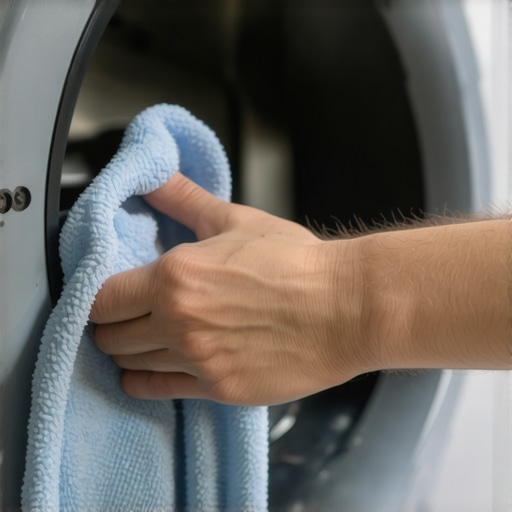
How do I keep these high-tech machines running for a decade?
Consistency is the only way to protect your investment. I recommend a monthly ‘reset’ where you clear the debris filters in your dishwasher and washer and vacuum the refrigerator coils. This isn’t just about cleanliness; it’s about reducing the workload on those inverter motors we discussed earlier. Looking ahead, I predict the future of home appliances will move toward ‘Self-Healing’ tech, where internal AI can actually recalibrate sensors or flush lines automatically when it detects a blockage. Until then, the burden is on us. My challenge for you today: Find your washing machine’s debris filter—usually behind a small door at the bottom—and clean it out. You’ll be shocked at what has been living in there.
The One Thing My Appliance Repairman Finally Told Me
I spent years thinking I was just unlucky with electronics, but the truth was I was simply ignoring the personality of my machines. For a long time, I overused the ‘Quick Wash’ setting, not realizing there is one button on your washing machine that actually ruins your delicates because of the aggressive RPMs. I also used to get frustrated by laundry residue, only to discover the reason your washing machine is leaving white streaks on dark clothes is often just a cold water cycle failing to break down modern concentrated detergents. Learning these small quirks changed everything—it moved me from being a frustrated owner to an empowered one who knows exactly why the motor is humming or why a cycle is lagging.
My Go-To Resources for a Worry-Free Kitchen
Keeping a high-traffic home running smoothly requires more than just luck; it requires the right information and a few basic tools. I always keep a digital multimeter in my junk drawer to test for continuity, which has saved me from replacing three different heating elements over the years. To stay updated on the latest tech, I regularly check the list of top smart appliances for a seamless home experience in 2025. If you are just starting to build out your ecosystem, I highly recommend browsing the ultimate guide to smart home appliances for a modern living to ensure your Wi-Fi network and your hardware are actually compatible before you make a big purchase.
#IMAGE_PLACEHOLDER_E#
Take Back Control of Your Household Gear
Managing a house full of smart appliances shouldn’t feel like an endless cycle of troubleshooting. Once you master the airflow of your refrigerator and the drainage quirks of your front-loader, the technology starts working for you, freeing up your time rather than consuming it. You now have the insider knowledge to stop reacting to appliance failures and start preventing them before they even begin. Your home is an investment, and the machines inside it are the engines that keep your daily life moving—treat them well, and they will return the favor for a decade or more. Have you ever had a smart appliance ‘ghost’ you or stop working right before a big event? Let me know your horror stories in the comments!