
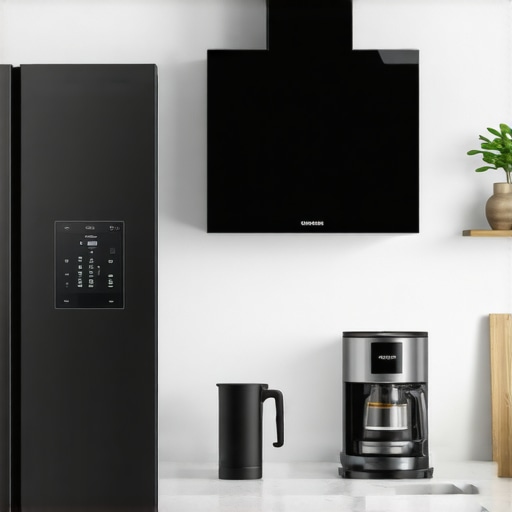
Ever stood in front of your dishwasher, wondering why it refuses to work properly even after countless cycles? Or found yourself manually adjusting your fridge thermostat because that annoying ice buildup keeps ruining your groceries? If you’ve faced these frustrations, you’re not alone. I remember the lightbulb moment when I realized my outdated appliances were turning my kitchen into a source of daily stress rather than joy. That realization sparked my quest for smarter, more connected appliances that genuinely make life easier.
Why Modern Kitchen Technology Can Change Your Daily Routine
In my own experience, the biggest game-changer was upgrading to appliances that communicate intelligently. No more guesswork about when to refill the ice maker or worry about leaky seals—these devices detect issues early and often solve problems before they become disasters. According to a report from Statista, 75% of homeowners who adopted smart appliances noticed a significant reduction in household maintenance issues, saving both time and money. This isn’t just about convenience; it’s about transforming your cooking and cleaning routines into more efficient, stress-free moments.
Feeling Skeptical About the Hype? Here’s Why You Shouldn’t Count It Out
Now, I get it—there’s a lot of buzz around smart tech. I vividly recall my initial hesitation, especially after a costly mistake where I purchased a smart fridge that kept app crashing, leaving me feeling frustrated and out of the loop. Trust me, I learned to avoid common pitfalls, like ignoring compatibility issues or underestimating the importance of proper setup. For some practical tips on troubleshooting, check out this guide on app crashes. The key is to approach these devices with realistic expectations and a willingness to learn. Once you get the hang of optimizing your smart appliances, you’ll wonder how you ever managed without them. Ready to discover the best options and setup tips that will turn your kitchen into a true tech haven? Let’s dive in.
Get Your Appliance Settings Right
Start by diving into your smart appliance menus. For example, misconfigured fridge temperatures cause excess condensation and energy waste. Calibrate your thermostat by adjusting digital controls—think of it like tuning a musical instrument for perfect pitch. For smart fridges, some models allow temperature calibration via their app or touchscreens. If your fridge’s internal sensor isn’t accurate, it might be causing unnecessary ice buildup; learn how to calibrate it here.
Address Common Dishwasher Challenges
When dishes come out spotty or cloudy, your dishwasher might not be running efficiently. Load dishes correctly—place glasses on the top rack and avoid blocking spray arms, similar to how you’d arrange a garden for even watering. Use the appropriate cycle for the load type—delicate for glassware, heavy for pans. If you notice white spots on your glassware, mineral deposits could be the culprit; try switching to a rinse aid or cleaning your filter. For stubborn spots, check out this troubleshooting guide. Regularly clean your dishwasher’s filter to prevent buildup, extending the machine’s lifespan.
Optimize Your Washing Machine Efficiency
When your laundry takes too long or leaves residues, inspecting the washing machine can save you time and frustration. Ensure the door seals tightly; a loose gasket allows air in and reduces cleaning efficiency. To prevent your washer from walking across the laundry room during spins—which can cause noise and damage—adjust the leveling feet as described here. For delicate fabrics torn or shredded, you might need to check your agitation settings or consider upgrading to a compatible eco-friendly detergent. Clean the internal drain to prevent odors and water pooling—tutorials are available here. This prevents mildewy smells and maintains washing performance.
Maintain Your Refrigerator for Peak Performance
Refrigerators can develop temperature inconsistencies or excessive noise over time. Use the app or control panel to set appropriate cooling levels; for most households, 37°F (3°C) in the fridge and 0°F (-18°C) in the freezer work well. If your fridge makes that constant clicking sound, it might be a faulty compressor or relay; learn how to troubleshoot here. Regular cleaning of the condenser coils, located at the back or underneath, improves efficiency see tips here. Keep an eye on door gaskets—damaged seals cause warm air leaks, wasting energy and spoiling food. Replace them following manufacturer instructions for a quick fix.
Set Up Alerts and Automations
Leverage your smart appliances to set reminders for filter changes or maintenance checks. For example, some fridges alert you when door seals are compromised or when defrosting is needed. Connecting your appliance to your smart home system allows for automated routines—like running the dishwasher during off-peak hours or scheduling washing machine cycles when electricity rates are lowest.
Many users assume that all smart appliances are straightforward and maintenance-free, but this is a misconception. For instance, some believe that running appliances on their default settings guarantees optimal performance, yet subtle adjustments—like calibrating your refrigerator’s temperature sensor—can significantly improve efficiency and longevity. Overlooking these details can lead to accumulated issues, such as uneven cooling or increased energy bills. Additionally, there’s a prevalent myth that taller, larger-capacity units always outperform smaller models; however, selecting appliances that fit your specific space and usage patterns often yields better results. An often unnoticed nuance is the importance of proper installation—poor leveling of a washing machine, for example, can cause excessive vibration or wear, a trap many fall into when rushing setup. Be cautious about the common trap of ignoring manufacturer guidelines for cleaning and maintenance, which can cause problems like mold in washing machine gaskets or mineral buildup in dishwashers, ultimately shortening appliance lifespan. Experts emphasize that understanding your device’s advanced features and maintenance routines is crucial for maximizing performance. According to industry research, neglecting these nuances can reduce appliance lifespan by up to 30%, leading to costly replacements prematurely. So, before assuming your smart appliances are entirely set-and-forget, take time to explore these hidden details that can save you money and frustration in the long run. Need some specific tips? Check out guides on calibrating your smart fridge or troubleshooting your dishwasher’s common issues. Have you ever fallen into this trap? Let me know in the comments.
Maintaining your smart appliances like dishwashers, washing machines, and refrigerators is essential to ensure they function efficiently over years of use. One of my favorite tools for this purpose is a high-quality ultrasonic leak detector, which I use periodically to check for hidden leaks in refrigerators or washing machines—these can cause long-term water damage if overlooked. I also rely heavily on dedicated cleaning kits such as appliance-specific descaling solutions for dishwashers and water softeners, which prevent mineral buildup and keep the internal components pristine.
How do I maintain smart appliances over time?
I strongly suggest setting a routine maintenance schedule that aligns with the manufacturer’s recommendations, usually found in the appliance manual or online support pages. Regularly cleaning filters, sensors, and drainage pathways is crucial; for example, cleaning the ice dispenser chute with a soft brush and a vinegar solution prevents mold and ensures smooth operation. For software upkeep, I recommend using the appliance manufacturer’s app to keep firmware and software updated, which often includes security patches and performance improvements that keep the appliance compatible with your home’s smart ecosystem. Prediction-wise, the trend is shifting toward predictive maintenance—where appliances will notify you of potential issues before they manifest, thanks to AI algorithms analyzing operational data. This future promises even less downtime and more reliable long-term performance. Consider using advanced diagnostic tools like the SmartDiagnostic App, which can analyze appliance logs for anomalies and suggest targeted fixes, saving time and avoiding unnecessary service calls. For instance, a recent industry report emphasizes how regular calibration of sensors using manufacturer tools dramatically extends appliance lifespan and efficiency. If you’ve noticed inconsistent cooling or washing performance, it’s worthwhile trying these calibration tips firsthand. Don’t forget, tools like appliance-specific descaling kits are vital for combating hard water issues—regular use prevents mineral deposits that impair function. Also, inspecting and replacing worn door gaskets or seals with recommended OEM parts ensures airtight closures, saving energy and preventing spoilage. Implementing scheduled firmware updates via your smart appliance app keeps the software aligned with the latest features and security measures. Lastly, integrating automation routines, such as scheduling washes during off-peak hours, not only extends appliance life by reducing operational stress but also conserves energy. Overall, consistent maintenance, supported by the right tools and routines, can save you significant costs over time. So, I challenge you to pick one of these advanced tips—like calibrating your refrigerator’s temperature sensor or running a full cleaning cycle with descaling solution—and see how it improves your appliance’s performance. Want your fridge to run flawlessly? Why not try calibrating your smart fridge’s temperature sensor today?
The Hardest Lesson I Learned About Smart Fridges and Dishwashers
One of my most eye-opening realizations was how a simple calibration could drastically improve efficiency in smart appliances. I once ignored the importance of setting my fridge’s temperature correctly, which led to frequent freezing of produce and higher energy bills. This mistake taught me that even the most advanced appliances need our attentive tweaks for optimal performance.
How Cloud Connectivity Can Make Or Break Your Experience
I discovered that relying solely on Wi-Fi can be a trap if your network isn’t stable. During peak hours or network disruptions, some smart appliances became unresponsive, which was frustrating. Investing in a reliable router and understanding your device’s connectivity requirements became a game-changer, ensuring seamless operation and peace of mind.
Why I Never Ignore Manufacturer Maintenance Tips
Following specific maintenance routines prescribed by manufacturers saved me from costly repairs. Regular filter cleaning, sensor calibration, and firmware updates, though seeming minor, preserved the appliances’ longevity and efficiency. This disciplined approach transformed my approach from reactive fixes to proactive care, saving time and money.
Curated Resources for the Serious Homeowner
The first resource I trust is the detailed setup guides available directly from appliance manufacturers—they provide step-by-step instructions that prevent common setup errors. The second is dedicated troubleshooting blogs like Smart Appliance Review, which offer in-depth solutions beyond manual instructions. Lastly, I rely on user communities and forums where real-world tips from experienced users can guide you through niche issues that official guides might overlook. These sources have become invaluable in maintaining my smart kitchen ecosystem.
Embrace Your Inner Tech Whisperer in the Kitchen
Taking charge of your appliance settings and maintenance might feel daunting at first, but it unlocks a level of control and satisfaction that transforms your daily routines. Remember, the future of home appliances is a partnership—your knowledge paired with smart tech leads to true kitchen mastery. Now’s the time to start experimenting—calibrate that fridge, run a cleaning cycle, or set up new automations—you’ll be amazed at the difference it makes.
Have you ever faced unexpected challenges when setting up or maintaining your smart appliances? Share your story below to help others navigate their journey to a smarter kitchen.