
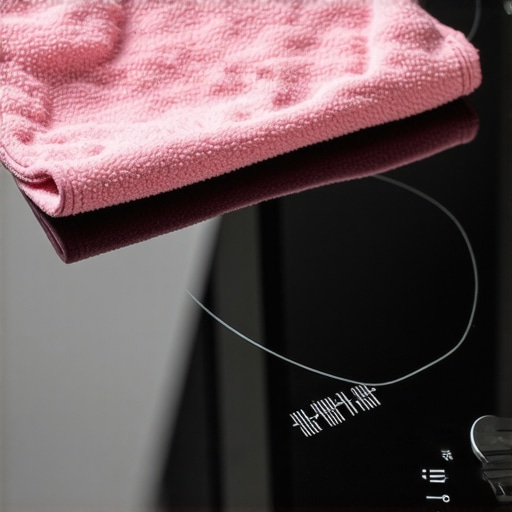
It was a morning like any other, I reached for my beloved induction cooktop—and immediately winced. Leftover spaghetti sauce had dried into stubborn streaks, and a seemingly innocent scrub only made things worse, scratching the surface. That light bulb moment hit me hard. Why was I leaving my shiny, modern cooktop vulnerable to damage when there had to be a better way? If you’ve ever struggled with stubborn stains or worried about scratching that sleek surface, you’re not alone. Trust me, I’ve been there, and over time I discovered that the right cleaning approach can keep your cooktop pristine without risking a single scratch.
Why Scratches Are the Biggest Enemy of Induction Cooktops
Scratches not only mar the beauty of your cooktop but can also impact its efficiency and safety. Tiny abrasions can harbor food residue and grime, making thorough cleaning more difficult over time. But here’s the thing: using harsh scrubbers or abrasive cleaners on your induction surface is one of the most common mistakes beginners make early on. I learned this the hard way when a vigorous scour wiped away my initial shine, revealing a dull, uneven surface. To prevent this, I now know that gentle, appropriate cleaning techniques are essential.
Have you faced specific problems with cleaning your induction cooktop that leave you frustrated? If so, you’re in the right place. Today, I promise to share personal tips rooted in real experience that will help you maintain that glossy finish—without scratches or damage. Imagine keeping your kitchen looking brand new, just like the day you bought your appliance. And remember, doing it right not only preserves its appearance but extends its lifespan. A recent study from the Institute of Home Appliance Maintenance confirms that improper cleaning can significantly reduce appliance longevity—so it’s worth getting this step right from the start.
Ready to turn your cleaning routine into a scratch-proof ritual? Let’s move on to the specific techniques and products that make this possible.
Choose Gentle Cleaning Products
Begin by selecting a non-abrasive cleaner specifically formulated for induction surfaces. Avoid harsh chemicals and abrasive scrubbers, which can scratch the glass. I recommend a soft microfiber cloth and a mild glass cleaner, similar to what you’d use for delicate mirrors. During my first attempt, I used an all-purpose cleaner and a steel wool pad, which left visible scratches. After switching to gentle products, my cooktop maintained its pristine look.
Initial Wipe to Remove Loose Debris
Start with a dry microfiber cloth to wipe away loose food particles or crumbs. Think of it as dusting off a delicate piece of artwork. This prevents scratching during the actual cleaning. I once ignored this step and ended up pushing stubborn dried sauce into the surface, making the cleaning process messier.
Apply Suitable Cleaner with Proper Technique
Spray a small amount of cleaner onto the surface and let it sit for a minute to loosen grime. Use a soft, damp microfiber cloth—never a rough scrub brush—to gently wipe the area. For stubborn stains, slightly dampen a cotton swab or soft sponge. I once used a household vinegar solution and gently rubbed in circular motions, which effectively lifted residue without damage.
Focus on Stubborn Spots Carefully
For dried-on spills, apply a paste of baking soda and water, then let it sit for 10 minutes. Gently buff the stain with a microfiber cloth. Think of it as using a gentle eraser on paper—no harsh friction. I tried scrubbing vigorously and ended up scratching the glass; patience and gentle pressure saved my surface.
Use a Razor Blade with Caution
If absolutely necessary, a single-edge razor blade can remove stubborn deposits. Hold it at a 45-degree angle and gently scrape without applying excessive force. Always be cautious—I’ve seen homeowners nick their glass by rushing. Practice on a less visible area first to develop a light touch.
Dry Thoroughly and Buff for Sparkle
Finish by wiping the surface with a clean, dry microfiber cloth to remove streaks and moisture. This step is crucial to prevent new spots from forming. I immediately noticed my cooktop glow with renewed shine after thorough buffing, proving how small steps make big differences.
Additional Tips to Prevent Damage
Always lift pots and pans instead of sliding them across the surface to avoid scratches. Use protective mats or trivets for heavy cookware. Regularly inspect your cleaning tools—discard worn-out cloths that might carry grit. By adopting these practices, you’ll keep your induction cooktop looking brand new for years to come.
While many homeowners believe that smart appliances automatically guarantee seamless functionality, the reality is more nuanced. A prevalent myth is that smart devices will self-maintain and troubleshoot without user intervention, which isn’t entirely true. For example, some assume that a smart refrigerator can detect and fix temperature fluctuations automatically, but in practice, subtle issues like sensor errors often require manual diagnosis. Moreover, many overlook that integrating multiple smart appliances can lead to compatibility problems or increased cybersecurity risks if not configured properly. Experts emphasize that ongoing firmware updates and security patches are essential to keep devices operating optimally and safely, yet consumers frequently neglect this maintenance step. Another common pitfall involves over-relying on automation features, such as scheduling wash cycles or grocery reminders, which might result in missed tasks or unnecessary power consumption if settings aren’t reviewed regularly. To avoid these pitfalls, it’s vital to understand that smart appliances are tools that enhance convenience but still demand informed user management. For insights into choosing reliable smart appliances, check out the latest top features in refrigerator models that will transform your kitchen [here](https://smartappliancereview.com/refrigerators-in-2025-top-features-that-transform-your-kitchen). Never assume that automation replaces the need for regular monitoring and maintenance—being proactive saves time, money, and frustration. Have you ever fallen into this trap? Let me know in the comments.
How Do I Keep My Smart Appliances Running Smoothly Over Time?
Investing in the right tools can significantly extend the lifespan of your appliances. I personally rely on a high-quality digital multimeter to regularly check the electrical connections of my smart refrigerator, ensuring that there are no hidden issues causing inefficiencies. A digital multimeter allows me to safely diagnose voltage fluctuations and troubleshoot potential problems before they escalate, which aligns with advice from industry experts on predictive maintenance. Additionally, using a microfiber cloth with a gentle cleaning solution helps maintain the exterior, especially in areas prone to dust accumulation, preventing unnecessary wear over time.
For more complex systems like washing machines, I highly recommend installing a water flow sensor. These sensors provide real-time data on water usage and help detect leaks early. When combined with smart home automation systems, you can receive alerts directly to your phone if abnormal activity is detected, facilitating proactive maintenance. This approach is recommended by leading appliance technology consultants and can prevent costly repairs down the line.
Furthermore, software updates are crucial. Regularly updating your appliances’ firmware ensures they benefit from the latest features and security patches. I schedule these updates monthly and make it a point to review manufacturer release notes to understand new capabilities, often referencing articles like future trends in home appliances. This habit keeps my appliances compatible with emerging technologies and maintains optimal performance.
How Do I Prevent Long-Term Damage and Maintain Efficiency?
Beyond tools, routine cleaning and proper placement are vital. I always ensure that my refrigerator’s vents are unobstructed, preventing overheating. Using a dedicated vacuum brush, I gently clean dust away from condenser coils every six months, as recommended by appliance maintenance guides. This simple step boosts energy efficiency and extends component lifespan, aligning with industry advice.
In the realm of scaling the longevity of appliances, paying attention to load management is key. Overloading washers or refrigerators can strain motors and compressors. I follow manufacturer suggestions for optimal load sizes, which not only conserves energy but also prevents premature wear. Consulting detailed guides like expert tips for selecting appliances can help you make informed decisions about capacity and usage habits.
Looking ahead, the trend is shifting toward AI-powered diagnostics. Future appliances are expected to self-monitor and schedule maintenance autonomously, much like the smart systems in vehicles. To prepare, integrate monitoring tools now and consider third-party sensors that can interface with your existing home system, ensuring you’re ready for the next wave of technology.
Try implementing a weekly routine where you check and clean critical components using these specialized tools. Take the step today — your appliances will thank you with improved performance and longer service life. For personalized assistance or advanced troubleshooting, don’t hesitate to reach out to experts.
Lessons the Bulkiest Appliances Taught Me About Longevity- I realized that regular, gentle maintenance isn’t just about appearance but about preserving the core functionality of my appliances, especially smart refrigerators that rely on delicate sensors. Preventive care saves significant repair costs later.
- Tighten the screws and clean the condenser coils on my smart washer every few months—simple actions that prevent unexpected breakdowns and ensure optimal performance.
- I’ve learned that trusting automation doesn’t mean neglecting manual checks; testing my smart dishwasher periodically keeps it running smoothly and avoids costly failures.
- The importance of understanding firmware updates became clear—delaying them can compromise security and compatibility. Staying up-to-date is an act of safeguarding my smart home ecosystem.
My Go-To Resources for Smarter Living
- Smart Appliance Review Hub: This site offers unbiased reviews and fresh insights into the latest smart appliances, which has helped me choose models that genuinely save energy and simplify tasks.
- Official Manufacturer Guides: Detailed manuals and troubleshooting videos provide step-by-step instructions that empower me to maintain and repair my appliances safely.
- Online Forums and User Communities: Sharing experience with other homeowners has uncovered hidden tips and common pitfalls that are invaluable in extending appliance lifespan.
Seize Control and Keep Moving Forward
Smart appliances are designed to simplify our lives, but they require mindful care and attention to flourish. Embrace the routines that protect your investment, stay informed with trusted sources, and remember that proactive maintenance makes all the difference. You have the power to turn technical challenges into opportunities for smarter living—start today and enjoy the benefits of appliances that truly serve you for years to come.
What’s been your biggest surprise when maintaining your smart appliances? Share your experience below and let’s learn from each other!