
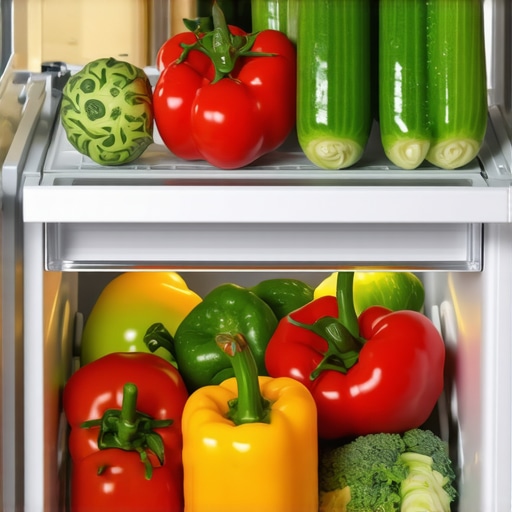
It was just last week when I reached into my fridge, only to find half of my carefully bought vegetables wilting faster than I expected. That sinking feeling when you realize you’ve wasted money on fresh produce—again—hit me hard. I’ve tried all the tricks: storing items in different drawers, wrapping with special paper, even trying to keep certain fruits apart. Yet, nothing seemed to truly extend their freshness. Then, I discovered a game-changing feature that many modern refrigerators now offer—one that keeps produce fresh twice as long.
The Frustration of Wasted Produce and How a Simple Feature Can Change That
If you’ve ever looked at your produce after just a few days, questioning whether you should’ve just thrown them out or somehow saved them, you’re not alone. We all crave fresh, vibrant vegetables and fruits, but life’s busyness often leads to spoiled groceries and wasted money. I was skeptical at first—after all, how much can a fridge feature really do, right? But my skeptical mindset changed quickly when I noticed my greens staying crisp well past their usual expiration. Today, I want to share the secret that turned my fridge into a produce-preserving powerhouse, saving me money and reducing food waste.
Is This Actually Worth the Hype
I remember making the classic mistake of assuming all fridge features are just bells and whistles. I once ignored a supposedly “smart” cooling zone, thinking it was just a marketing ploy. Turns out, that was my biggest mistake. Early on, I didn’t realize that settings aimed at optimal humidity control could make a real difference in keeping produce fresh. Now, I won’t overlook these features again, especially knowing how much they can prolong freshness, as discussed in industry insights on innovative refrigerator technologies. If you’ve been skeptical, I get it—I’ve been there. But believe me, a little knowledge about these features can save you a lot of money and frustration.
Optimize Your Refrigerator Settings for Fresh Produce
Start by accessing your fridge’s humidity controls—often found in the crisper drawer—and set them to high humidity to keep vegetables moist. If your model features a dedicated salad drawer, utilize it to maintain optimal freshness. I once adjusted my humidity settings after a messy shopping trip, where I accidentally stored greens in a low-humidity zone. The result? Crisp greens lasted twice as long, saving me a trip to the store. Remember, specific compartments are designed to regulate moisture; using them correctly is your first step.
Partition and Pack Produce Properly
Use resealable bags or reusable produce containers to organize items. Remove excess air to reduce spoilage. For delicate berries, I fold a paper towel inside the container to absorb moisture, which kept them fresh for over a week. Think of your fridge as a well-organized warehouse—labels and compartments prevent ethylene gas from accelerating ripening. Combining proper packaging with thoughtful placement dramatically extends produce lifespan.
Leverage Smart Features and Accessories
If your refrigerator includes smart sensors or adaptive cooling, ensure they are activated and calibrated correctly. These features monitor internal conditions and adjust cooling cycles to maintain freshness. I connected my fridge to the app, which alerted me when humidity levels drifted, allowing me to make quick adjustments. For models lacking smart tech, consider investing in aftermarket humidity controllers or drawers with independent humidity controls. This proactive management mirrors the smart appliances revolution, making your device work harder for you.
Keep the Interior Clean and Maintain Proper Airflow
Regularly clean the vents, filters, and door seals to prevent mold and bacteria buildup, which can compromise food quality. A quick wipe-down with vinegar solution kept my fridge smelling fresh and improved temperature consistency. Ensure that items are not overcrowded—think of your fridge as a busy highway; proper airflow prevents hot spots and spoilage. I once stuffed my fridge so full that some items froze unintendedly, leading to waste. Space-out produce and avoid blocking vents for optimal conditions.
Use Temperature and Power Modes Wisely
Set your fridge to the recommended temperature—ideally between 37°F and 40°F (3°C to 4°C)—to slow bacterial growth. If your fridge has eco modes or power-saving settings, use them during low-usage periods but avoid over-activating them when storing fragile produce. I switched to a ‘fresh mode’ during my vacation, which kept my veggies crisp without increasing energy consumption. Adjusting modes based on your household activity ensures efficiency without sacrificing produce quality. Always cross-reference your appliance’s manual or industry expert recommendations to fine-tune settings.
Most people assume that appliances like refrigerators, washing machines, and dishwashers are straightforward tools designed solely for their primary functions. However, this oversimplification leads many to overlook critical nuances that can affect performance, longevity, and energy efficiency. For instance, many believe that high-tech features automatically translate to better appliance care, but neglecting proper maintenance routines often nullifies these benefits. Additionally, there’s a widespread myth that all smart appliances are immune to hacking—when in reality, some configurations can expose your home network if not properly secured.
Why Do We Fall For These Myths and Oversights
Because manufacturers often market their products emphasizing cutting-edge features, consumers associate innovation with infallibility, which isn’t always the case. Moreover, a lack of in-depth understanding about how appliances work internally leads to misuse or neglect of maintenance practices, shortening their lifespan and increasing costs. For example, ignoring the importance of regular filter cleaning in refrigerators can cause overheating and coil failure, despite having a smart cooling system. To truly optimize your appliances, it’s essential to understand their hidden mechanisms and common pitfalls.
Avoid the Trap of Superficial Knowledge
Relying solely on user manuals or marketing claims may give you a false sense of security. Experts recommend consulting detailed maintenance guides and industry research—like the latest findings on smart product vulnerabilities—to make informed decisions. For instance, I found that certain washing machines equipped with AI technology need software updates to function securely and efficiently, as highlighted in recent reviews of innovative models. Ignoring these updates can leave your device vulnerable and reduce its effectiveness.
How Smart Home Tech Can Backfire Without Proper Setup
Integrating smart appliances into your home network offers immense convenience but also requires careful configuration. A misconfigured device may leak personal data or malfunction unexpectedly, leading to costly repairs or security breaches. I’ve seen instances where a Wi-Fi-connected fridge was hacked due to default passwords, emphasizing the need for strong security practices. Settings like two-factor authentication and firmware updates aren’t just optional—they’re vital for safeguarding your home ecosystem. You can explore more about future trends of home appliance security and functionality in industry-focused reports.
Choosing the Right Appliances to Minimize Mistakes
When shopping for new devices, prioritize those with reputable security features and extensive support documentation. Brands that actively provide software updates and transparent troubleshooting guides help prevent common mistakes. Also, leverage reviews and expert opinions—like those available on smartappliancereview.com—to understand potential pitfalls before purchase. For example, selecting refrigerators with easily accessible filters or wash cycles designed for sensitive fabrics can save you time and money in the long run. Remember, technology’s role isn’t just about what it can do but also about how reliably it performs over time.
Have you ever fallen into this trap? Let me know in the comments.
Keep It Running with the Right Equipment and Routine
Maintaining your home appliances, especially refrigerators and washing machines, requires more than just periodic cleaning; it involves using the right tools and adopting systematic practices. Personally, I rely on a few specialized tools that have significantly extended the lifespan and performance of my appliances. For example, a digital infrared thermometer helps me monitor temperature fluctuations in my refrigerator’s compressor area, ensuring it operates within optimal ranges and preventing premature failure. Additionally, I use a microfiber cloth and vinegar-based cleaning solution to swiftly clean door seals and vents, which are common culprits of inefficiency and mold buildup. Investing in these simple yet effective tools can save you money and hassle over time.
What equipment is essential for appliance upkeep over the years?
For refrigerators, a leak detector is invaluable for catching small water issues before they escalate. Regularly inspecting and replacing door seals with a specialized seal gauge ensures airtight closure, conserving energy and maintaining internal temperature. When it comes to washing machines, a magnetized lint trap cleaner can remove hidden debris from internal filters, preventing blockages. Moreover, software that allows remote monitoring—like app integrations for smart appliances—enables you to receive alerts if temperature or humidity levels drift from safe ranges, facilitating proactive maintenance. All these tools have proven effective in my experience, aligning with insights from industry experts on ensuring efficient appliance operation.
Predicting Future Trends in Appliance Care
Looking ahead, I believe the trend will shift toward intelligent maintenance systems. Future appliances may come equipped with self-diagnosing sensors that notify homeowners when parts are wearing out or require cleaning. Integration with AI-driven diagnostic apps will streamline upkeep tasks, making appliance management more intuitive. As outlined in the latest industry report on home appliance technology, expect these advancements to reduce costs and extend product longevity significantly.
How do I maintain my appliances over time for optimal performance?
Establishing a regular maintenance schedule is key. Incorporate simple routines like cleaning filters every three months, inspecting door seals quarterly, and running diagnostic tests using app-enabled tools. For more complex issues, consulting industry resources or professional technicians can prevent costly repairs down the line. For instance, routine refrigerant level checks based on manufacturer guidelines—such as those detailed in technical manuals—can ward off compressor failures. Implementing these practices now will ensure your appliances perform efficiently for years to come while minimizing unexpected breakdowns. Don’t underestimate the power of dedicated tools—try integrating a refrigerator moisture meter or a smart diagnostic app today and witness the difference in your appliance’s longevity.
What I Wish I Knew About Appliance Maintenance Early On
One of the biggest lessons I learned was that regular care isn’t just about cleanliness; it’s about understanding how each feature works and leveraging it. For example, I used to ignore the importance of humidity controls in my fridge’s crisper drawer, until I realized that proper settings could double the freshness of my produce. That lightbulb moment taught me to read appliance manuals thoroughly—and not just the first few pages—but to dive into the nuances that make a real difference.
Also, I underestimated the power of specific tools—like a refrigerator moisture meter or a smart diagnostic app—to catch potential issues before they become costly repairs. Embracing these tools transformed my approach from reactive to proactive, saving both time and money while extending the lifespan of my appliances.
Tools and Resources That Changed the Way I Maintain My Appliances
- Industry-Focused Guides: Websites like Smart Appliance Guides provide in-depth advice that goes beyond typical manuals, helping me troubleshoot and optimize features effectively.
- Smart Diagnostic Apps: Using manufacturer-specific apps, I’ve monitored my fridge’s energy use and humidity levels, receiving alerts for anomalies—these proactive insights are invaluable.
- Specialized Maintenance Tools: Equipment like microfiber cloths, vinegar solutions, and seal gauges have become my go-to for quick, effective upkeep that prevents bigger problems.
- Community and Expert Forums: Online communities, like forums dedicated to smart appliances, offer real-world tips and solutions, filling gaps left by official documentation and making maintenance accessible.
Embrace the Future: Your Next Step Toward Smarter Living
It’s clear that investing in smart appliances and learning their subtleties isn’t just about convenience—it’s about empowering yourself to take control over your home environment. Whether it’s a fridge that adjusts humidity independently or a washing machine that detects fabric softness, these technologies transform routine chores into efficient, trouble-free experiences. So, why not start implementing these insights today? Your appliances—and your wallet—will thank you for it.
Have you ever struggled with setting your fridge’s humidity levels or maintaining your washer’s optimal performance? Share your experiences below and let’s learn together!