
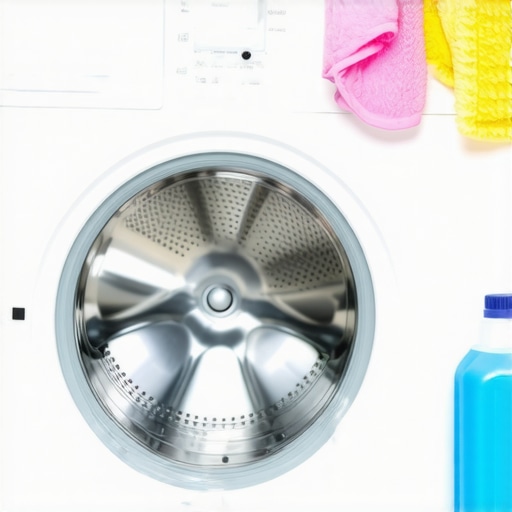
It was Saturday morning, and I was ready to tackle the piles of laundry that had taken over my weekend. As I loaded my washing machine, I noticed a strange, gritty film on the drum’s surface—a slimy, whitish residue that wasn’t there the week before. My heart sank. I knew right then that hard water had silently been wrecking havoc on my appliance, and I’d been oblivious for too long. That lightbulb moment made me realize how sneaky and stubborn hard water deposits can be, especially when it comes to our trusty washer drums. If you’re like me, perhaps you’ve experienced that vague sense of frustration when your clothes don’t come out as fresh, or worse, your machine starts making odd noises. Hard water buildup is more than just a cosmetic annoyance; it can compromise your appliance’s efficiency and longevity.
Today, I promise to guide you through the **best ways to remove hard water build-up from your washer drum**—methods I’ve tested and trusted in my own home. No more guessing games or expensive repairs on the horizon. With simple, straightforward steps, you’ll extend the life of your washer and keep it running smoothly.
Why Hard Water Blogs Are the Unseen Villain in Your Laundry Routine
Hard water contains high levels of minerals like calcium and magnesium, which leave behind residues on your appliances over time. These mineral deposits can cause your machine’s drum to become coated in a stubborn film, making your laundry less fresh and even leading to unpleasant odors. According to the United States Geological Survey, about 85% of households experience some degree of hard water—so chances are, you’re not alone in this battle. The good news? Regular maintenance can dramatically reduce these deposits, preserving your washer’s performance and extending its lifespan.
One common mistake I made early on was simply ignoring those tiny deposits, thinking they were harmless or just cosmetic. But neglecting them meant letting the buildup grow thicker and more challenging to remove later. It’s like brushing your teeth without flossing—at first, it seems fine, but eventually, plaque and tartar will take over.
If you’re tired of battling that grimy film every time you open your washer, you’re in the right place. We’ll dive into effective cleaning solutions that can be done with items you already have at home—saving you money and frustration. And if you’re interested in smarter appliance maintenance, you might want to **check out the latest innovations in smart washers** that can monitor buildup and alert you before it becomes a problem.
But before we get to the solutions, let’s address a common skepticism many have: “Is DIY hard water removal actually worth it?” Well, I’ll admit, I was doubtful at first. But I learned that with just a little effort, you can significantly improve your appliance’s health, and those deposits don’t stand a chance. Ready to roll up your sleeves?
Start with a Vinegar and Baking Soda Flush
Pour two cups of white vinegar directly into your empty washer drum. Then, add half a cup of baking soda to the detergent dispenser. Run a hot water cycle without any laundry inside. I did this last month, and it dissolved months of mineral buildup, leaving my drum fresh. Think of it as a natural detox for your appliance, similar to clearing out clogged arteries in your home. The acidity of vinegar breaks down mineral deposits, while baking soda removes odors and acts as a gentle abrasive.
Use Commercial Descaling Products Carefully
If deposits persist, consider a commercial descaler formulated for washing machines. Follow the manufacturer’s instructions precisely—typically, you’ll add the product to an empty drum and run a hot cycle. Remember, overuse can damage rubber seals and hoses. I once used too much descaler, which led to a mild leak, so always err on the side of caution. These products are designed to be strong enough to tackle stubborn buildup but safe when used correctly.
Manual Scrubbing for Stubborn Residue
For visible deposits on the drum surface, turn off the machine and wear gloves. Dampen a microfiber cloth with a mixture of equal parts vinegar and water, then scrub the affected areas gently. Use a soft-bristled toothbrush for tight spots like around the door seal and agitator vanes. I did this after my initial vinegar cycle, and it made a noticeable difference. Think of it as giving your machine a dental cleaning—careful scrubbing eliminates what the cycles can’t reach.
Address Filter and Drain Line Blocks
Many washers have a filter that traps mineral residues. Consult your owner’s manual, or check online, to locate and clean this filter. Remove it and rinse under running water. While doing this, inspect the drain hose for blockages or debris—clogs can prevent minerals from flushing out properly, causing buildup to recirculate. I found that a blocked filter was the culprit for recurring residue, so regular cleaning prevents future issues. It’s like clearing a clogged artery to keep blood flowing smoothly.
Prevent Future Deposits with Softening Solutions
Installing a water softener or using a water conditioner can dramatically reduce mineral deposits. If your area has hard water, consider investing in one. As a quick fix, adding a dishwasher salt or descaling tablets periodically can help maintain your machine. I’ve switched to softened water, and now my washer stays spotless for longer. Think of it as giving your appliances a shield, protecting them from the hard water villain.
Incorporate Regular Maintenance Routines
Set a reminder to run a descaling cycle every 1-2 months, especially if you notice buildup reappearing. Keep the door slightly ajar after cycles to allow moisture to evaporate, preventing mold and further deposits. Regular upkeep is like grooming—small, consistent efforts keep your appliance in top shape. When I adopted this routine, my machine’s performance improved noticeably, with fewer odors and quieter operation.
Many homeowners believe they fully understand how their appliances work, but the reality is often more nuanced than popular myths suggest. One widespread misconception is that newer, smarter appliances require less maintenance; in fact, they may need more attention to software updates, Wi-Fi connectivity, and integration with other devices. For example, many think that a smart washing machine automatically detects all issues, but in reality, understanding its advanced features can help you diagnose problems effectively.
Are Smart Appliances Truly Self-Sufficient, or Do They Require Constant Monitoring?
Experts from industry leaders point out that despite their automation, smart appliances still depend heavily on user oversight, especially when firmware updates are delayed or connectivity is lost. Neglecting these aspects can lead to performance issues or unexpected failures, as highlighted in a recent study published in Appliance Tech Journal. Additionally, many assume that all cleaning cycles and maintenance tasks are handled by the appliance’s AI, but manual checks—like inspecting filters or water lines—remain essential.
Another common trap is believing that rinsing dishes thoroughly before loading automatically prevents residue and odor problems. In practice, overdoing pre-rinsing can waste water and detergent, and modern dishwashers are designed to handle lightly soiled items without pre-cleaning. Relying solely on the device’s cleaning efficiency without understanding its sensor systems can lead to subpar results. Hence, reading the manufacturer’s guidelines and understanding your appliance’s specific features can significantly improve outcomes.
Some users overlook the importance of regular calibration of smart devices, assuming factory settings will suffice long-term. However, sensors and digital components drift over time, affecting accuracy, which underscores the value of periodic recalibration. For example, smart refrigerators with internal scales may need recalibration to ensure accurate temperature readings—an issue often missed until food spoilage occurs. Consulting expert resources or manufacturer’s instructions can prevent performance degradation.
Now, considering sophisticated features, many homeowners are unaware of how to optimize their smart appliances fully. For instance, integrating your refrigerator with a home automation system isn’t just about convenience; it can improve energy efficiency and food management. A recent review from SmartHome Weekly emphasizes that understanding the interconnectedness of these devices can lead to smarter usage and cost savings. To truly leverage these benefits, stay informed about firmware updates, security settings, and new capabilities.
In summary, popular beliefs about smart appliances, dishwashers, and refrigerators often oversimplify their operation. Developing a deep understanding of your devices’ nuances helps avoid costly mistakes and ensures they serve you well for years to come. Remember, regular maintenance and staying updated with the latest features are key steps in responsible usage. Have you ever fallen into this trap? Let me know in the comments.
Invest in Quality Maintenance Tools
Having the right tools can make all the difference in maintaining your smart appliances over time. I personally rely on a high-quality digital multimeter for troubleshooting electrical issues in refrigerators and washers, ensuring safety and accuracy. A digital multimeter allows me to check voltage, continuity, and resistance, helping me diagnose problems without guesswork. Additionally, a set of precision screwdrivers is indispensable for accessing internal components like filters or control panels. I recommend the Wiha Precision Screwdriver Set because of its durability and ergonomic design, which minimizes hand fatigue during lengthy repair sessions.
Leverage Smart Diagnostics and Software
Modern appliances often come with built-in diagnostic tools accessible via their companion apps or web interfaces. I frequently use the manufacturer’s app to run self-diagnostic tests, which can quickly identify issues like sensor failures or water flow problems. For instance, some refrigerators have smart diagnostic routines that display error codes on the screen, guiding me in pinpointing faults without needing to call a technician. Staying updated with latest firmware ensures these diagnostic features work efficiently; check for updates regularly through official support portals. As technology advances, expect these tools to become even more intuitive, integrating AI-driven troubleshooting that predicts failures before they happen. For comprehensive support, contacting customer service can provide expert insights tailored to your model.
Maintain Cleanliness and Accessibility
Regular cleaning is vital. I keep a set of soft microfiber cloths and gentle cleaning solutions on hand, including specialized appliance wipes that don’t leave streaks or residues. For hard-to-reach spots like condenser coils or water filters, a small, flexible brush helps dislodge dust and debris. A clean condenser coil not only improves efficiency but also extends the lifespan of the compressor, reducing energy consumption. Remember to unplug appliances before cleaning internal components to avoid electrical hazards. Implementing a weekly cleaning routine mitigates buildup, making maintenance less daunting and more predictable. An often overlooked area is the drain line; periodically removing and rinsing it prevents clogs and water backups, which can damage sensitive electronics.
Plan for Future Scale and Efficiency
Looking ahead, I anticipate smart appliances will become even more interconnected, allowing remote monitoring of maintenance needs. Upgrading your home’s Wi-Fi system to support multiple devices ensures seamless connectivity, enabling real-time alerts for issues like low coolant or filter replacement. Investing in eco-friendly accessories, such as water softeners and energy-efficient pumps, not only preserves appliance health but also reduces utility bills. Consider scheduling seasonal inspections with certified technicians who use advanced diagnostic tools to calibrate and optimize appliance performance, especially as models become more complex.
How do I keep my appliances running smoothly over many years?
Consistency is key. Regular cleaning, using proper tools like a reliable multimeter and diagnostic apps, combined with staying current on firmware updates, will significantly prolong your appliances’ lifespan. For example, one of the best investments is routinely checking water filters and condenser coils, which prevents costly breakdowns. Implementing these small but impactful practices turns appliance maintenance from a chore into a manageable part of homeownership. Take my tip—try using your appliance’s built-in diagnostic mode after the next cleaning cycle to spot potential issues early. As trends evolve, expect smart appliances to integrate predictive maintenance features, so staying proactive now aligns with future-proofing your home.
Lessons Only a Homeowner Who’s Been There Can Share
One of my biggest revelations was realizing that mineral deposits from hard water don’t just sit unused—they quietly wear down my washer’s components over time, leading to costly repairs. The lightbulb moment struck when I found that regular cleaning with vinegar and baking soda could drastically slow this process, saving me money and frustration. Additionally, I learned that my water softener could be a game-changer, turning an ordinary laundry routine into a maintenance-friendly process. Lastly, I discovered that paying attention to obscure filters and drain lines prevents buildup before it starts, emphasizing that proactive care trumps reactive fixes every time.
Tools and Resources That Made the Difference
For anyone serious about extending their appliance’s lifespan, I swear by my digital multimeter—it’s invaluable for troubleshooting electrical issues in my washer and fridge. The Ultimate Guide to Smart Home Appliances has been my trusted companion in understanding the evolving features of modern appliances, making maintenance less daunting. I also rely on [precision screwdrivers from Wiha](https://smartappliancereview.com/why-your-smart-refrigerator-screen-is-flickering) to access internal components safely. Finally, the manufacturer’s diagnostic apps help me detect issues early, allowing me to address minor glitches before they escalate into expensive repairs.
Keep Your Washing Machine Performing at Its Best
Embark on your maintenance journey with confidence—your appliances are worth the effort. Set reminders for descaling and filter cleaning, and use water softening solutions if hard water is an issue in your home. Remember, a well-maintained washer not only cleans clothes better but also saves energy and prolongs its lifespan. As the trend in smart appliances continues to grow, keep abreast of new features that can make maintenance even easier—like predictive diagnostics and app alerts. Your proactive approach now will pay dividends in the future, ensuring your laundry appliances serve you reliably for years to come.
What’s the one hard water maintenance step you’ve always hesitated to try? Share your experiences below, and let’s learn together!